Dakdoritang (Korean Spicy Braised Chicken)
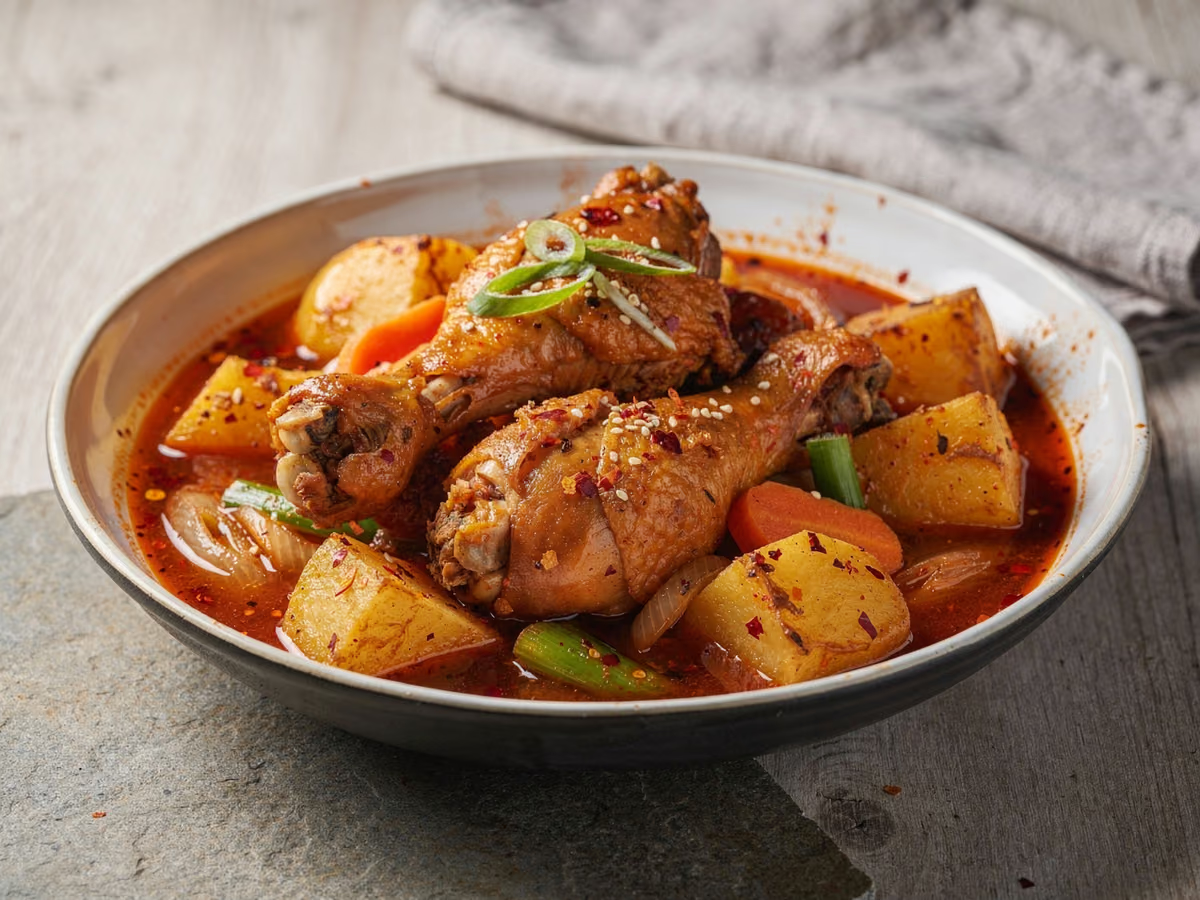
Chicken thighs and potatoes braise with gochugaru, gochujang and honey until the sauce turns rich and glossy. Scallions and sesame seeds go in at the end for a fresh bite. 4 servings.
- Prep
- 20 min
- Cook
- 40 min
- Total
- 60 min
- Serves
- 4
Ingredients
What you’ll need — tap to tick off as you go
- 900 g
- 500 g
- 150 g
- 6 cloves
- 15 g
- 3 tbsp
- 4 tbsp
- 1 tbsp
- 1 tbsp
- 1 tbsp
- 1 tbsp
- 500 ml
- 1 tsp
Process
Timers built in · swap anything · ask as you cook
In a small bowl, mix the gochugaru, soy sauce, sugar, honey, gochujang (if using), grated garlic and grated ginger into a thick paste.
Pat the chicken thighs dry and toss them with half of the chili paste in a bowl. Let sit for 10 minutes while you prepare the vegetables.
Heat a wide heavy pot or Dutch oven over medium-high heat. Add the chicken pieces skin-side down and sear for 3–4 minutes per side until lightly browned. They do not need to cook through. Remove and set aside.
Add the onion, carrot and potatoes to the pot and stir for 2 minutes to coat in the rendered chicken fat.
Return the chicken to the pot, add the water and the remaining chili paste, and stir gently to combine. Bring to a boil, then reduce heat to medium-low, cover, and simmer for 25 minutes.
Remove the lid and simmer uncovered for 8–10 minutes, stirring occasionally, until the sauce thickens and coats the back of a spoon and the potatoes are fork-tender.
Turn off the heat, drizzle with sesame oil, and fold in the scallions. Let rest for 5 minutes, then scatter with sesame seeds and serve with steamed rice.
Kitchen notes
Kitchen notes
- The most common mistake is adding too much water at the start. The chicken and vegetables release liquid as they cook, so 500 ml is enough for a concentrated braise. If the sauce is still thin after uncovering, simmer longer rather than adding cornstarch.
- Do not stir aggressively once the potatoes are added or they will break apart and make the sauce cloudy. Shake the pot gently instead.
- Browning the chicken skin-side down first builds flavor and renders fat that seasons the vegetables. If using skinless thighs, add 1 tbsp neutral oil to the pot before searing.
- The dish is done when a knife slides into a potato with no resistance and the sauce has reduced to a glossy glaze. If the chicken is cooked but the sauce is watery, remove the chicken and boil the sauce down for 3-4 minutes.
Substitutions
- chicken thighs→bone-in chicken drumsticks (same weight, add 5 minutes simmering)
- gochugaru→1 tbsp regular chili flakes + 1 tsp smoked paprika (milder, less authentic)
- honey→brown sugar or rice syrup
- potatoes→sweet potatoes or taro, cut the same size
- gochujang→1 extra tbsp gochugaru mixed with 1 tsp sugar
Storage & reheating
Cool completely, then store in an airtight container in the fridge for up to 4 days. The flavor deepens overnight. To reheat, transfer to a pot with a splash of water, cover, and warm over medium-low heat for 8-10 minutes, stirring once, until steaming hot. You can also microwave individual portions covered for 2-3 minutes. Freezing is not recommended because the potatoes become grainy and watery.
FAQ
The questions we get asked most
Why is my dakdoritang sauce watery instead of thick?
You likely added too much water or did not simmer uncovered long enough. After the covered simmer, remove the lid and boil for 8-10 minutes so the liquid reduces and the potatoes release starch. If it is still thin, remove the chicken and potatoes with a slotted spoon and boil the sauce alone for 3-4 minutes.
Can I use chicken breast instead of thighs?
Yes, but breast meat dries out in a long braise. If using breast, cut it into large chunks and add it only for the last 12-15 minutes of covered simmering, then proceed with the uncovered reduction. Thighs are preferred because their fat and connective tissue keep the meat juicy.
How spicy is dakdoritang and can I make it milder?
With 3 tbsp gochugaru it is moderately spicy, similar to a medium Korean stew. For a milder version, use 1 tbsp gochugaru and omit the gochujang, or add 1 tsp sugar to balance. Gochugaru varies by brand, so taste the paste before adding it to the pot.
Can I make dakdoritang ahead of time?
Yes, it tastes even better the next day. Cook it fully, cool quickly, and refrigerate for up to 4 days. Reheat gently on the stovetop with a splash of water. If making ahead, slightly undercook the potatoes so they do not turn mushy on reheating.
Why did my potatoes fall apart in the stew?
Starchy potatoes break down when stirred or boiled hard. Use waxy potatoes, cut them into uniform 4 cm chunks, and avoid vigorous stirring once they are in the pot. Shake the pot instead of using a spoon, and stop cooking as soon as a knife slides in easily.
What do I serve with dakdoritang?
Steamed short-grain white rice is the classic pairing, along with simple side dishes like kimchi, spinach namul, or pickled radish. The sauce is rich, so plain rice balances the heat. You can also serve it with glass noodles or crusty bread to soak up the sauce.
Can I add other vegetables to dakdoritang?
Yes, add sturdy vegetables that hold up to braising. Good options are daikon radish, mushrooms, or extra onions, added with the carrots and potatoes. Avoid quick-cooking greens like zucchini or spinach; add them in the last 5 minutes if you want them.
Ask KitchenMind about this recipe
Tell it what’s different tonight — it works within the actual recipe.