Beef Bulgogi
Bulgogi is Korea's fire meat: paper-thin ribbons of ribeye rested in a sweet-savory marinade of soy sauce, brown sugar, and grated Asian pear, then seared hard in a ripping-hot cast-iron pan until the edges curl and caramelize. The pear tenderizes as it sweetens, sesame oil and black pepper round out the glaze, and green onion and carrot join for the final minute. Ribeye's marbling keeps 2 mm slices juicy; expect 20 minutes of prep, a 30-minute marinade, and about 10 minutes at the stove for four servings.
- Prep
- 20 min
- Cook
- 10 min
- Total
- 60 min
- Additional time
- 30 min
- Serves
- 4
Ingredients
What you’ll need — tap to tick off as you go
- 500 g
- 60 ml
- 2 tbsp
- 3 cloves
- 1 tsp
- 1 tbsp
- ½ tsp
- 1 tsp
- 1 tbsp
Process
Timers built in · swap anything · ask as you cook
When you cannot buy the 500 g ribeye already shaved paper-thin, firm it in the freezer for 20 minutes, just until the edges stiffen, then cut it across the grain into 2 mm slices. Firm meat holds a clean line under the knife, and cutting across the fibers shortens them so each slice gives way instead of turning stringy.
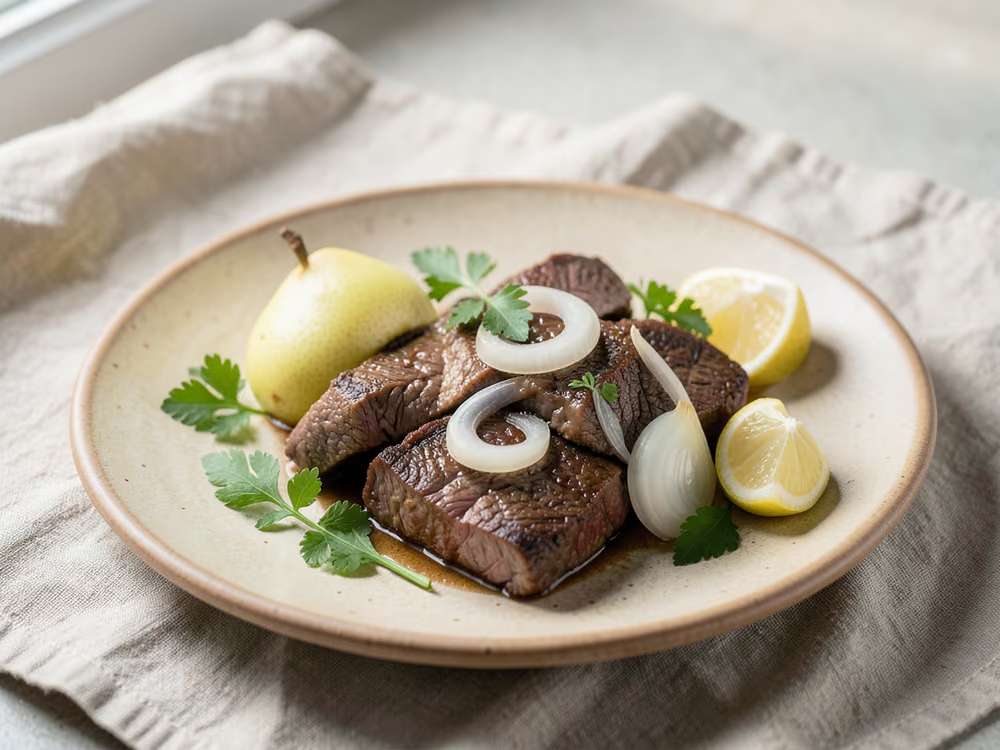
In a large bowl, whisk the 60 ml soy sauce, 2 tbsp brown sugar, grated 0.5 Asian pear (about 100 g), grated 0.5 onion, 3 minced garlic cloves, 1 tsp grated ginger, 1 tbsp toasted sesame oil, and 0.5 tsp black pepper until the sugar dissolves and no grit remains. Grate, do not chop: the escaping juices carry the pear's enzymes and the onion's sweetness into the beef.
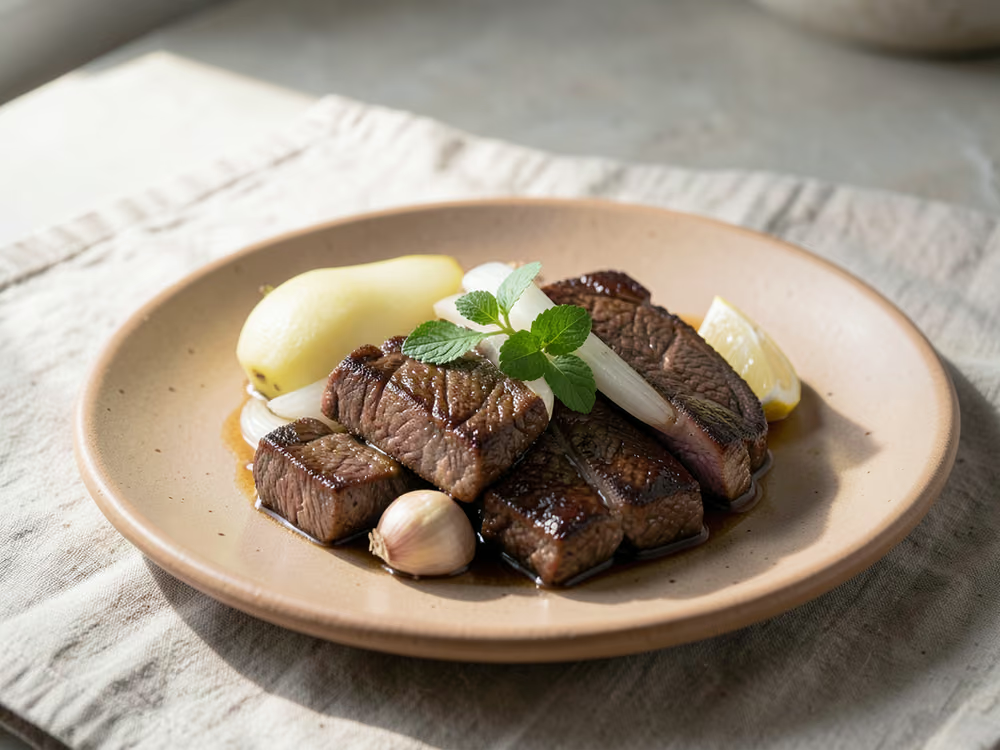
Add the 500 g of beef to the bowl and turn the slices with your hands until every piece is glistening. Cover the bowl and chill it for 30 minutes at the shortest and 4 hours at the longest; 2 hours is the sweet spot for flavor and texture. The wait lets salt season the meat and the pear's enzymes soften the surface, while past 4 hours the slices start going soft and mealy.
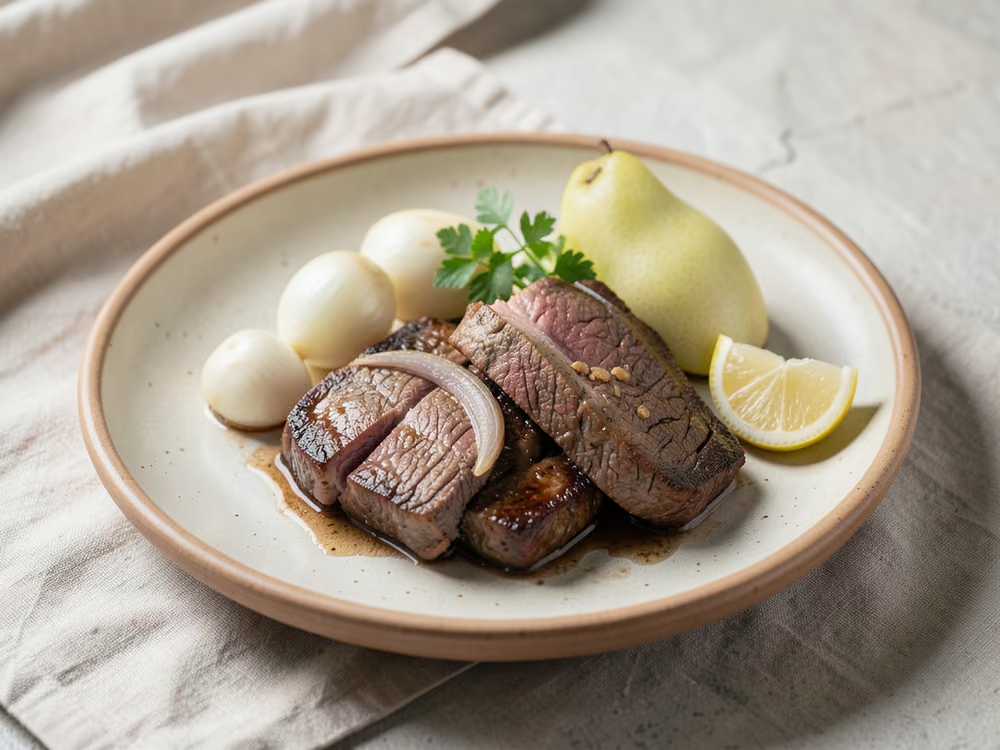
While the beef marinates, cut the 2 green onions into 2-inch pieces and thinly slice the 1 carrot if you are using it. Keep them separate: both go into the pan at the very end, and prepped now they can hit the heat without breaking your focus during the fast sear.
Set a 26 to 30 cm grill pan or heavy cast-iron skillet over high heat and let it get properly hot, until a faint wisp of smoke appears, then add the 1 tbsp neutral oil and swirl to coat. The pan must be fully hot before the beef goes in: stored heat sears the surface, while a lukewarm pan lets the slices steam in their own marinade.
Working in 2 or 3 batches, lay the beef in the hot pan in a single, uncrowded layer and cook for 1 to 2 minutes per side, until the edges brown and crisp with a few dark charred spots. Shake excess marinade off each batch before it goes in, and leave space between slices: a crowded pan drops in temperature and the beef steams gray instead of caramelizing.
In the last minute of the final batch, add the green onions and the carrot if using to the pan and toss them with the beef, just until they soften slightly and pick up the glaze. They need seconds, not minutes; the green onion should stay bright and the carrot keep a little bite against the soft beef.
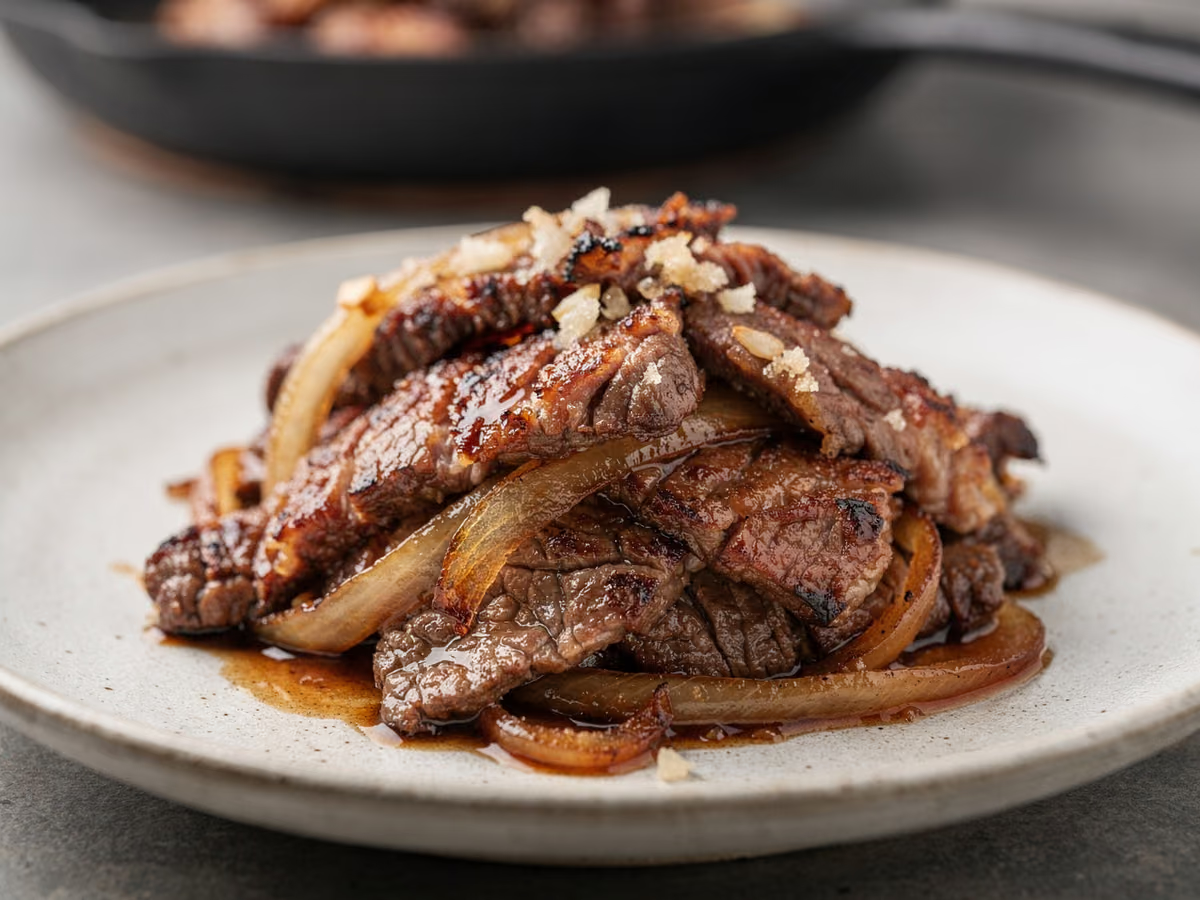
Slide the beef, onions, and carrot onto a warm platter with all the pan juices, sprinkle over the 1 tsp toasted sesame seeds, and serve immediately. Bulgogi is at its best in the first minutes out of the pan, while the edges are still crisp; as it sits, the slices soften and the glaze dulls.
Why this recipe works
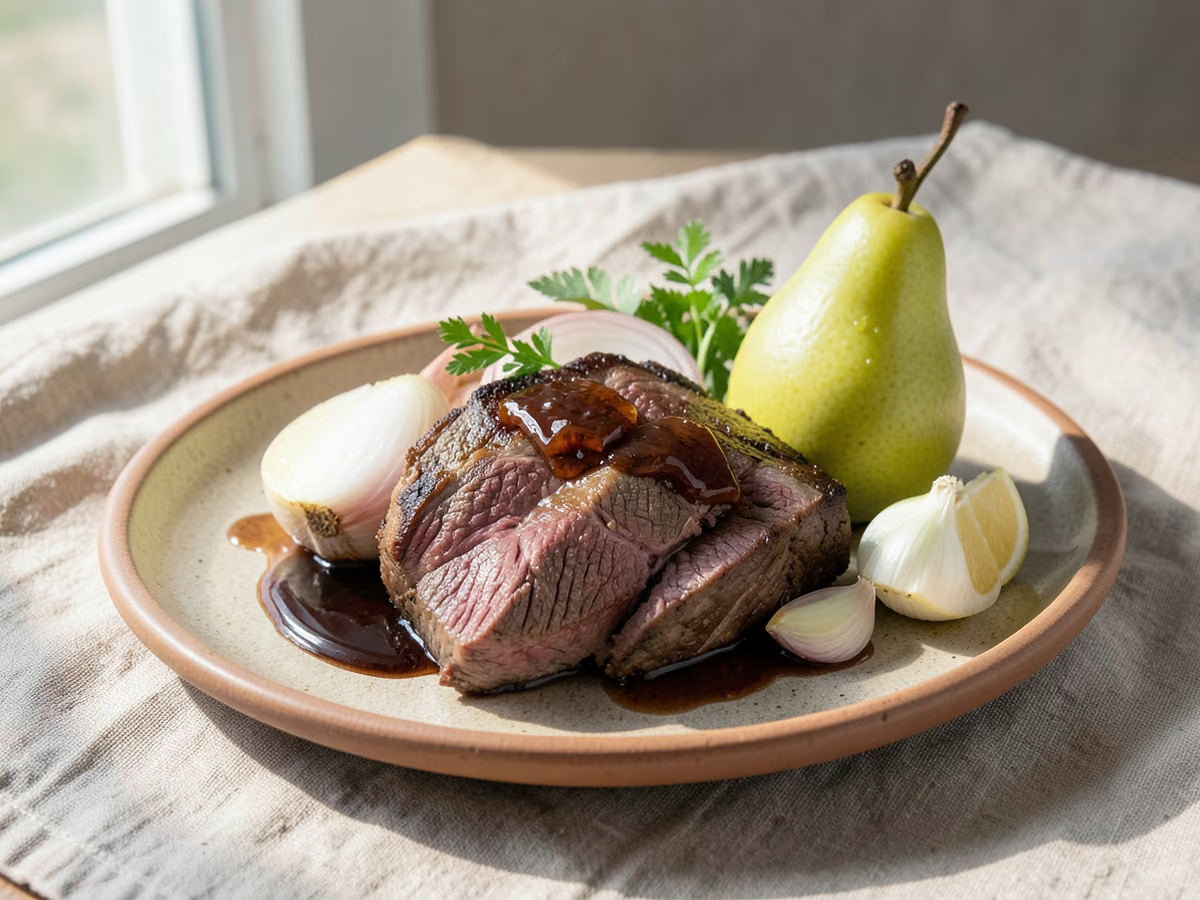
Slicing 2 mm against the grain cuts the muscle fibers short, so each piece gives way under your teeth, and it puts the marinade within easy reach of the center: salt and the pear's enzymes only have to travel a couple of millimeters, which is why 30 minutes is enough. That marinade is also a glaze in waiting, because soy, sugar, and pear juices cling to the slices and caramelize once their surface moisture boils off. Browning only starts after that water is gone, so the pan must be very hot and uncrowded; a crowded pan traps steam, and steamed beef turns gray and tight instead of lacquered. Cast iron's heat mass keeps each batch sizzling.
Equipment
- Large heavy skillet, 26 to 30 cm: cast iron or a wide grill pan, big enough to hold a single layer of beef
- Chef's knife and cutting board
- Box grater or microplane for the pear, onion, and ginger
- Large bowl for marinating
- Small bowl and whisk for the marinade
- Tongs or a slotted spoon for turning the beef
- Warm serving platter
- Instant-read thermometer (optional, for the 63°C beef check)
Kitchen notes
Kitchen notes
- Skip the slicing struggle: Korean markets sell frozen paper-thin bulgogi beef, and a butcher counter will shave a ribeye on request. Buying it pre-sliced is the single biggest upgrade to weeknight bulgogi, because even slices are what cook evenly.
- Grate the pear, onion, and ginger on the fine side of the grater so they dissolve into the marinade; coarse chunks sit on the meat and can burn before the slices brown.
- Hold finished batches loosely tented on a warm platter instead of stacking them; piled slices steam each other soft and lose the crisp edges you just built.
- Taste the marinade before the beef goes in. It should read a touch sweeter and saltier than you want on the plate, because the beef's juices will dilute it as it marinates.
- The marinade's sugar leaves a sticky film on the pan: a quick wipe between batches, followed by a fresh film of oil, keeps later batches tasting clean and browning evenly.
Common mistakes
- Steaming instead of searing: the pan was not hot enough, the slices were crowded, or too much marinade rode into the pan at once. Wait for a faint wisp of smoke, shake excess marinade off each handful, and sear in 2 or 3 single-layer batches so every slice hisses on contact instead of bubbling quietly in its own liquid.
- Tough, chewy beef: the ribeye was sliced with the grain, cut thicker than 2 mm, or left in the pan past the pink stage. Freeze it for 20 minutes, slice across the grain, and keep each side to 1 to 2 minutes, remembering that thin slices carry on cooking in their own heat for a few seconds after they leave the pan.
- Burnt, bitter glaze: pooling marinade scorches at high heat and paints the beef with acrid black syrup. Drain the beef well before it goes in, keep the batches small, and slide the pan off the heat for a moment if the sugars start smoking black rather than bubbling amber.
- Mushy, mealy surface: the beef sat in the pear marinade too long. The pear's enzymes keep working in the refrigerator, so hold the window between 30 minutes and 4 hours; if you want the beef to wait overnight, cut the grated pear back to about 2 tbsp so the tenderizing stays gentle.
- Flat, pale flavor: the marinade never reached the middle, usually because the slices were thick, the beef marinated under 30 minutes, or a weak pan only warmed the glaze. Slice 2 mm thin, toss until every piece is slicked with marinade, and give the sear real heat, since browning is where the flavor concentrates.
- Smoky, acrid pan: toasted sesame oil went into the skillet for searing and burned at its low smoke point. Keep the sesame oil for the marinade and sear only in the 1 tbsp neutral oil; its nutty aroma belongs on the beef, not in a scorched pan.
Serving suggestions
- Serve with steamed short-grain rice and a spoonful of the pan juices so the rice catches the glaze; kimchi and a few seasoned vegetable sides complete the Korean table.
- Spoon the hot beef into crisp lettuce leaves with a dab of ssamjang, roll, and eat with your hands: the classic ssam wrap, with a cool crunch that plays against the caramelized edges.
- One warm platter feeds four: the 500 g of beef lands at roughly 125 g per person, ready to be topped with sesame and carried straight to the table.
- Keep drinks cold and plain, such as barley tea, sparkling water with lemon, or iced tea, so nothing sweet gets in the way of the glaze.
- A quick cucumber or radish salad with rice vinegar and a scatter of sesame seeds cuts the richness between bites.
Variations
- Grilled bulgogi: cook the same marinated beef in a grill basket on a preheated outdoor grill over high heat, 1 to 2 minutes per side. The marinade drips onto the flames and smokes back onto the meat, which is how the dish earned the name fire meat, and a grill pan gets you close indoors.
- Spicy bulgogi: mix a spoonful of gochujang into the marinade for heat and body. The paste's sugars darken the glaze faster, so keep the pan a notch under ripping-hot and pull each batch as soon as the edges set.
- Mushroom or tofu bulgogi, a vegetarian variation and a different dish: replace the beef with an equal weight of sliced shiitake and king oyster mushrooms or pressed firm tofu, marinate for 30 minutes, and sear the same way. The result is softer and sweeter under the same glaze.
Refrigerator
- RefrigeratorCool the beef within 2 hours of cooking, then refrigerate it in an airtight container for up to 3 days. The slices soften as they sit in their juices, so day one is the crispest; the flavor deepens by day two.
- ReheatingReheat gently: 2 to 3 minutes in a skillet over medium heat brings back a little of the sear, while a covered microwave pass at 50% power for 1 to 2 minutes is faster but softer. Either way, stop as soon as the beef is hot; long, hard reheating dries the thin slices out.
- FreezingNot recommended for cooked bulgogi, because the thin slices go watery and limp as they thaw. Pack the raw marinated beef with its marinade into a freezer bag instead and keep it frozen for a maximum of 2 months; defrost it overnight in the refrigerator, then sear as usual.
- Make aheadSlice the beef and mix the marinade up to a day ahead, keeping them in separate containers in the fridge, then combine and marinate for 30 minutes to 4 hours before cooking. The green onions and carrot can be cut ahead too.
Updated:
How this recipe was developed
- Maangchi, Bulgogi (Korean beef BBQ) — choose tender, well-marbled beef and slice it thinly against the grain; marinate at least 30 minutes, longer for a tougher cut; cook over medium-high heat on a grill or in a cast-iron skillet, with charcoal preferred because the drips burn and smoke flavor back onto the beef; a Bosc pear can stand in for Korean pear
- Korean Bapsang, Hyosun Ro, Bulgogi (Korean BBQ Beef) and Slow Cooker Bulgogi — marinate 30 minutes to an hour, up to overnight; preheat the pan hot and do not crowd the skillet so the slices caramelize instead of steaming; partially freezing firms the beef for thin slicing; the slow-cooker route sears first, braises 3 to 4 hours on high or 5 to 6 hours on low, and slices afterward
- USDA FoodSafety.gov, Safe Minimum Internal Temperatures — beef steaks, roasts, and chops 63°C with a 3-minute rest; leftovers reheated to 74°C
- USDA FSIS, Leftovers and Food Safety — refrigerate cooked food within 2 hours; leftovers keep 3 to 4 days in the refrigerator or 3 to 4 months frozen; reheat to 74°C
Editorial references are kept internally for verification. This page makes no claim of external certification or professional testing.
Gallery
FAQ
The questions we get asked most
Can I use a different cut of beef for bulgogi?
Yes. Sirloin, flank steak, and skirt steak all work, using the same 500 g sliced paper-thin against the grain. Ribeye stays the best choice because its marbling keeps 2 mm slices juicy through a hard, fast sear; leaner cuts have less fat to buffer the heat, so pull them the moment the pink disappears and lean toward a 2-hour marinade rather than 4.
How do I make bulgogi without an Asian pear?
Swap in a regular ripe pear, grated, or 2 tbsp of pineapple juice; both bring tenderizing enzymes and gentle sweetness. A grated kiwi works too, but its enzymes are far more aggressive, so hold that marinade to 1 hour. Everything else stays as written, since the pear is a helper rather than the whole flavor.
Why did my bulgogi turn out tough?
Check three things. First, the grain: slices cut with the fibers stay long and chewy, so always slice across them. Second, thickness: anything past 2 mm cooks unevenly, so firm the ribeye in the freezer for 20 minutes before cutting. Third, time in the pan: 1 to 2 minutes per side is plenty, because longer cooking, or a crowded pan, steams the slices until they tighten and dry.
Can I marinate the beef overnight?
You can, with one adjustment: cut the grated pear back to about 2 tbsp, because its enzymes keep working in the refrigerator and will soften the surface too far. With that change, overnight works; without it, aim for the 2-to-4-hour window. Either way, keep the beef covered and cold while it waits.
How do I know when the bulgogi is done?
By color: the slices are ready when no pink remains and the edges are browned with a few charred spots, which takes about 1 to 2 minutes per side over high heat. The USDA sets beef steaks and roasts at a 63°C minimum with a three-minute rest, and paper-thin beef passes that mark almost immediately, so the real risk is overshooting and drying the slices out.
Can I cook bulgogi in a slow cooker?
Yes, but it becomes a different dish: slow cooking braises and steams the beef into something soft and saucy, closer to a pot roast than to crisp, caramelized bulgogi. If you go that route, sear the meat first for color, cook it with the marinade for 3 to 4 hours on high or 5 to 6 hours on low, then slice it, and keep the quick pan method for the classic result.
Is bulgogi gluten-free?
Not as written, because regular soy sauce is brewed with wheat. Use tamari or a certified gluten-free soy sauce at the same 60 ml, and read the labels on anything else you add, since gochujang and some seasoned pre-sliced meats can contain wheat too. The beef, pear, onion, garlic, ginger, sesame oil, sugar, and vegetables here are all naturally gluten-free.
Ask KitchenMind about this recipe
Tell it what’s different tonight — it works within the actual recipe.