Suqaar Beef Stir-Fry
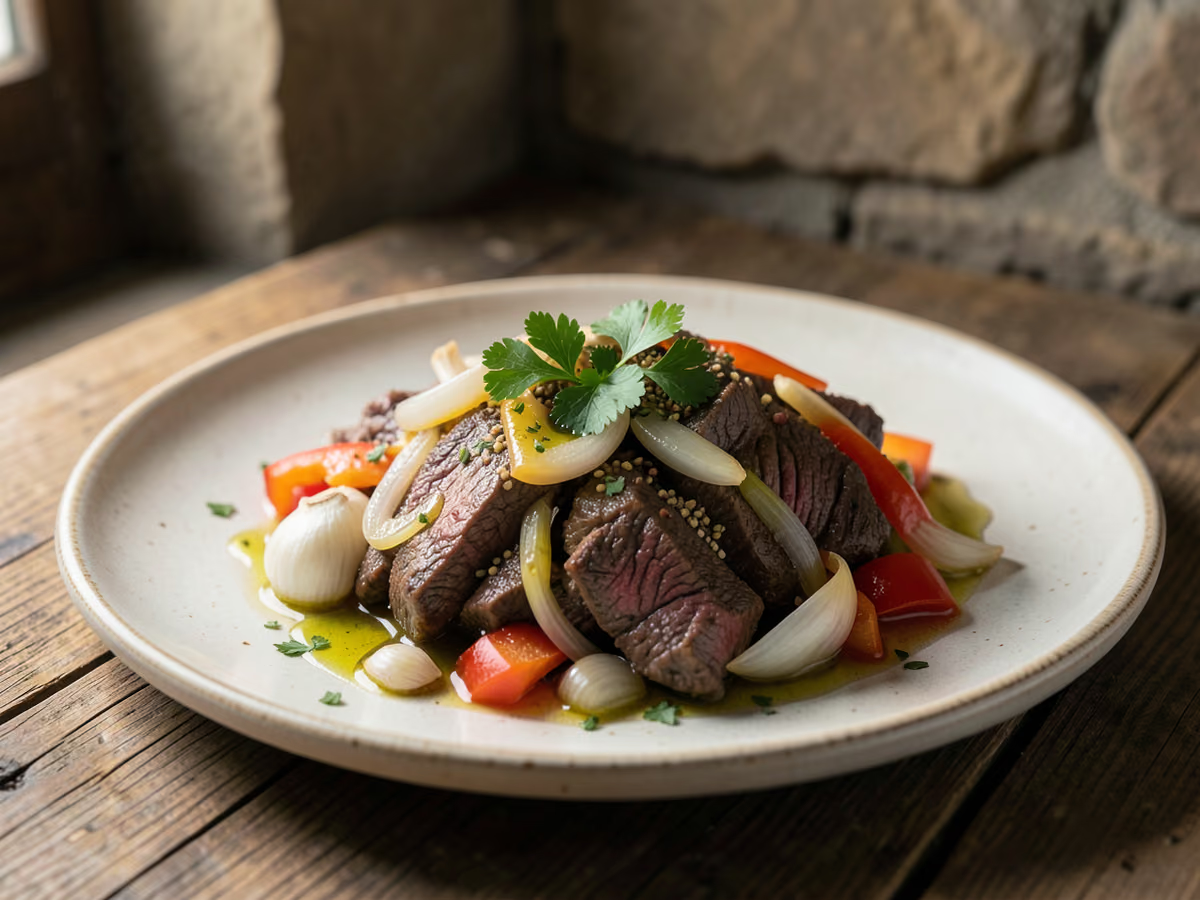
Suqaar is Somalia's fast, everyday stir-fry: small strips of beef tossed in cumin and coriander, seared hot and fast with onion and bell pepper, then finished with soy sauce, lemon and fresh cilantro. The cut does the work, since small even pieces cook in minutes while staying juicy, and the two-spice blend is a quick read on xawaash, the Somali house seasoning that gives the dish its identity. Prep takes about 15 minutes and the pan takes 15 more; the result feeds 4 with rice or flatbread.
- Prep
- 15 min
- Cook
- 15 min
- Total
- 30 min
- Serves
- 4
Ingredients
What you’ll need — tap to tick off as you go
- 500 g
- 2 tbsp
- 3 cloves
- 1 tsp
- 1 tsp
- ½ tsp
- ¼ tsp
- 2 tbsp
- 1 tbsp
- 2 tbsp
Process
Timers built in · swap anything · ask as you cook
Slice the 500 g beef sirloin thinly against the grain into strips about 5 cm long and 0.5 cm thick, then pat them dry with paper towels. Cutting across the grain shortens the muscle fibres so the pieces stay tender through the fast sear, and a dry surface is what lets them brown instead of steam.
Mix 1 tsp ground cumin, 1 tsp ground coriander, 0.5 tsp salt and 0.25 tsp black pepper in a small bowl, sprinkle the blend over the beef and toss until every strip is evenly coated. This is the two-spice core of xawaash, the Somali seasoning, and coating the meat now carries it through the sear.
Heat 1 tbsp of the vegetable oil in a large skillet or wok over high heat until it shimmers, then lay the beef in a single layer and leave it untouched for 1–2 minutes. Turn and sear 1–2 minutes more, until browned at the edges but still faintly pink inside, then move the beef to a plate; crowding or wet meat drops the heat and steams the meat grey.
Add the remaining 1 tbsp oil to the hot pan, then the sliced onion and bell pepper. Stir-fry for 2–3 minutes, keeping the vegetables moving, until the onion turns translucent at the edges and the pepper strips soften without losing their snap; they finish cooking when the beef comes back in.
Push the vegetables to one side, add the 3 minced garlic cloves and cook for 30 seconds, just until the smell turns sweet and mellow. Garlic goes in this late because it scorches in the time the pepper needs, and burnt garlic turns the whole pan bitter.
Return the beef and any resting juices to the pan, pour in the 2 tbsp soy sauce and 1 tbsp lemon juice, and toss everything for 1–2 minutes until the sauce reduces slightly and coats the meat and vegetables in a glossy film. The soy seasons and glazes as it reduces; adding the lemon here keeps its brightness instead of letting heat mute it.
Take the pan off the heat, scatter over the 2 tbsp chopped fresh cilantro if using and toss once, just until it wilts against the hot meat. Serve immediately while the strips are juicy and the peppers still have crunch; this is a dish that waits badly.
Why this recipe works
The method is a sequence, and every move protects pan heat. The beef sears first, alone, so the temperature stays high enough to brown the surface rather than steam it; wet or crowded meat is what turns grey. Pulling the strips out before the vegetables go in keeps them from overcooking while the onion and pepper soften. Garlic goes in last for the same reason: it burns in the time the pepper needs. The soy sauce seasons and reduces into a glaze when the beef returns, and the lemon joins it there, so its brightness survives the final minute of heat instead of cooking away.
Equipment
- Large heavy skillet or wok, 28-30 cm (11-12 in)
- Chef's knife and cutting board
- Two plates or wide bowls, for staging the seared beef and the vegetables
- Small bowl, for the spice blend
- Measuring spoons
- Wooden spoon or heatproof spatula
- Paper towels, for drying the beef
- Instant-read thermometer (optional)
Kitchen notes
Kitchen notes
- Chill the sirloin in the freezer for about 15 minutes before slicing: firm meat cuts into thinner, more even strips, and even thickness is the difference between beef that cooks in a minute and thin pieces that toughen while the thick ones catch up.
- The beef rests on its plate while the vegetables cook, a pause of a few minutes that conveniently covers the USDA rest guidance for whole-muscle beef. If you want certainty, probe a thicker strip: 63°C is the safe minimum, and the final toss adds a little more heat.
- Use the heaviest pan in the kitchen. A thin pan dumps its stored heat into the beef the moment the strips land and drops below searing temperature, which is exactly the grey, steaming failure you are trying to avoid.
- Stir the soy sauce and lemon juice together in a cup before the pan gets hot. Once searing starts the dish moves in seconds, and fumbling for bottles mid-sear is how garlic or the glaze gets overcooked.
- Sear in two batches whenever the strips would overlap. Two quick sears in a hot pan beat one crowded batch: the first keeps its crust, and the second gets the same high heat instead of stewing in the first batch's steam.
Common mistakes
- Tough, chewy strips: the beef was sliced with the grain or kept in the pan past faint pink, so the fibres contract and squeeze out moisture. Cut across the grain, sear 1-2 minutes per side only, and let the strips finish in the sauce at the end.
- Grey, steamed beef instead of a sear: the pan was crowded or the strips still wet, so their juices boiled off as steam and dropped the temperature. Dry the beef, use the widest pan you own, and sear in two batches whenever the strips would overlap in a single layer.
- Limp, soggy vegetables: the peppers spent more than 3 minutes in the pan or went in wet. Stir-fry them just to tender-crisp, shake them dry first, and remember they soften further when the beef and sauce return.
- Bitter, acrid taste: the garlic scorched, or the oil was pushed past the shimmering point before the beef went in. Add the garlic for 30 seconds at the end of the vegetable stage only, and pull the pan off the heat if the oil starts to smoke.
- A sauce that tastes too salty or too sour: the soy and lemon reduced harder than expected, or extra salt went in before tasting. Add them as written, toss, and taste; if it is still too sharp, a splash of water loosens the glaze without dulling the spices.
Serving suggestions
- Spoon the suqaar over Somali spiced rice (bariis) or plain basmati and pour the pan sauce on top, so the rice catches what the meat leaves behind.
- Tear a soft flatbread - sabaayad, muufo, or any flatbread you have - and scoop up the strips and peppers with it; this is the everyday Somali pairing.
- Set out lemon wedges and a spoonful of basbaas cagaar, the Somali green chilli sauce, for anyone who wants a sharper or hotter plate.
- Suqaar is also a Somali breakfast, served with canjeero pancakes; keep the portion small and add a little salad alongside.
Variations
- Chicken suqaar: use 500 g of boneless chicken thighs cut into the same small strips. Thigh meat stays juicy, but poultry has to cook through - 74°C at the centre, the USDA FSIS minimum - so give the strips a minute or two longer before they come out of the pan.
- Spicy suqaar: drop a sliced green chilli in with the vegetables, or add a pinch of cayenne to the spice blend. Traditionally the dish is aromatic rather than hot, so taste before doubling the heat.
- Deeper xawaash note: stir ground turmeric and a pinch of ground cardamom in with the cumin and coriander, or swap in 2 tsp of xawaash blend, for the rounder spicing of a Somali home kitchen.
- Lamb suqaar: 500 g of tender lamb leg cut into the same strips; keep everything else the same and allow a couple of extra minutes of searing, until the meat is browned with just a hint of pink.
Refrigerator
- RefrigeratorCool the suqaar within 2 hours of cooking, then refrigerate in an airtight container for 3-4 days. The vegetables soften a little each day and the sauce thickens as it stands; a splash of water when reheating loosens it.
- ReheatingReheat in a skillet over medium heat with a splash of water until steaming hot all the way through, 74°C on a food thermometer (the USDA FSIS reheat guidance). A short, gentle reheat keeps the strips from drying out; do not let the pan boil dry.
- FreezingNot recommended for best texture: the sliced peppers and onion soften and release water when thawed. If you want to freeze it anyway, pack it airtight for up to 3 months (USDA FSIS), thaw overnight in the fridge and reheat in a skillet, expecting softer vegetables.
- Make aheadSlice the beef and vegetables up to 1 day ahead and refrigerate them in separate containers; mix the spice blend and the soy-lemon sauce and keep those ready too. The dish itself is a 15-minute cook, so it is best seared just before serving - if you cook it fully ahead, reheat within 3-4 days.
Updated:
How this recipe was developed
- USDA FSIS, Leftovers and Food Safety (whole-muscle beef safe at 63°C with a 3-minute rest; refrigerate within 2 hours; 3-4 days refrigerated; 3-4 months frozen; reheat to 74°C)
- USDA FSIS, Safe Minimum Internal Temperature Chart (beef steaks, chops and roasts cooked to a 63°C minimum)
- Serious Eats, spicy stir-fried beef with leeks and onions (slice across the grain, sear in a single layer without crowding, remove the beef, cook the vegetables at high heat, return the beef with the sauce)
- Food Network, Ma Halima's Beef Suqaar (Somali suqaar is a quick stir-fry of small meat pieces with xawaash-style spices and peppers; served with rice or bariis, lettuce and lemon; leftovers reheated gently in a skillet)
Editorial references are kept internally for verification. This page makes no claim of external certification or professional testing.
FAQ
The questions we get asked most
What is suqaar?
Suqaar is a Somali dish of meat cut into small pieces - the name comes from an Arabic word meaning 'small ones' - cooked quickly with spices and vegetables. Beef, lamb and chicken are all common, and the classic seasoning is xawaash, a warm spice blend, with onion and peppers. This version follows that pattern with 500 g of sirloin, cumin and coriander, and a soy and lemon pan sauce.
What is the best cut of beef for suqaar?
A tender, quick-cooking cut you can slice thinly: sirloin is the default here, and flank or skirt steak work just as well, sliced across the grain. Stewing cuts stay chewy on a two-minute sear unless you simmer them far longer, so save those for a different dish. Small, even pieces matter more than the exact cut.
What spices go into suqaar?
The authentic backbone is xawaash, the Somali blend usually built from cumin, coriander, cardamom, cinnamon, cloves, turmeric and black pepper, mixed to each family's taste. This recipe keeps the two spices that read most like suqaar - 1 tsp cumin and 1 tsp coriander - plus salt, black pepper and garlic; if you own a xawaash blend, it can stand in for both ground spices.
What do you serve with suqaar?
Rice and flatbread are the two classic partners: bariis, the Somali spiced rice, or plain basmati, and torn pieces of sabaayad, muufo or another soft flatbread. A squeeze of lemon or a spoon of basbaas cagaar, the green chilli sauce, adds the sharp note Somali tables usually have alongside. It is also eaten at breakfast with canjeero.
Is suqaar spicy?
No - traditionally suqaar is aromatic and savoury rather than hot. The cumin and coriander bring warmth, not heat, and this recipe contains no chilli at all. If you want a kick, add a sliced green chilli with the vegetables or a pinch of cayenne to the spice blend.
Can I make suqaar ahead of time?
You can prep it: slice the beef and vegetables up to 1 day ahead, store them separately in the fridge, and mix the spice blend. Cooking is a 15-minute job best done fresh, but leftovers keep 3-4 days refrigerated - reheat them gently in a skillet with a splash of water until steaming hot.
Can I use chicken or lamb instead of beef?
Yes. Chicken suqaar is common and cooks even faster: use thigh meat cut into the same small strips and cook it through to 74°C, the USDA FSIS minimum for poultry. Lamb leg or shoulder cut small works too, but give it a few extra minutes of searing; both versions keep the same spice blend and pan sauce.
Ask KitchenMind about this recipe
Tell it what’s different tonight — it works within the actual recipe.