- Prep
- 10 min
- Cook
- 10 min
- Total
- 20 min
- Serves
- 2
Ingredients
What you’ll need — tap to tick off as you go
- 1 tbsp
- 50 g
- ¼ tsp
- ⅛ tsp
- ¼ tsp
Process
Timers built in · swap anything · ask as you cook
In a medium bowl, whisk the egg whites with salt, black pepper, and garlic powder (if using) until frothy, about 30 seconds. Set aside.
Heat 1 teaspoon of olive oil in a non-stick skillet over medium heat. Add the red bell pepper and red onion. Sauté for 3–4 minutes until softened and lightly golden.
Add the baby spinach to the skillet and cook for 1–2 minutes until wilted. Transfer the vegetables to a plate and set aside.
Wipe the skillet clean with a paper towel. Heat the remaining 2 teaspoons of olive oil over medium-low heat.
Pour the egg white mixture into the skillet. Cook undisturbed for 2–3 minutes until the edges set and the center is mostly firm.
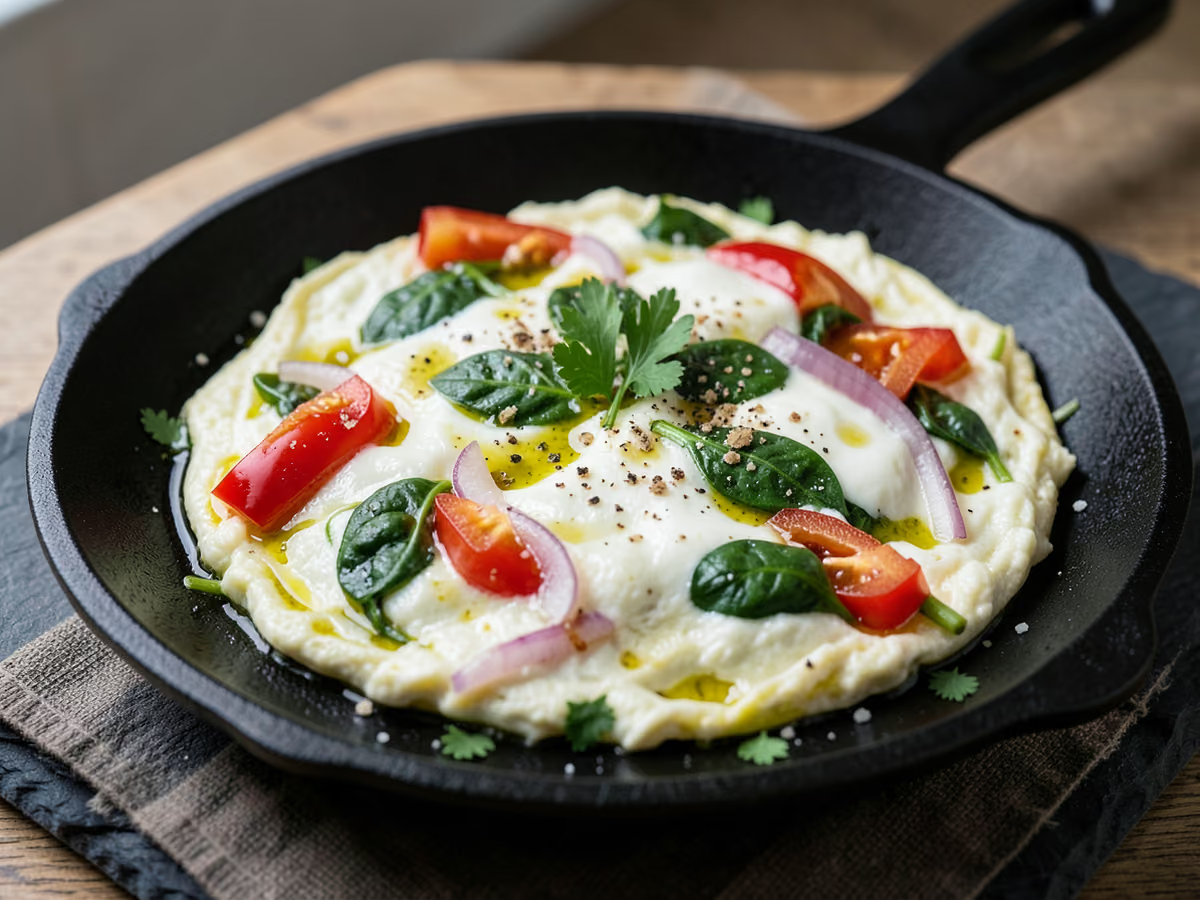
Spoon the sautéed vegetables over one half of the omelette. Fold the other half over the filling using a spatula.
Cook for another 1–2 minutes until the omelette is fully set and heated through. Slide onto a plate and serve immediately.
Kitchen notes
Kitchen notes
- The most common mistake is overcooking: egg whites become rubbery quickly. Remove from heat as soon as the center is just set; residual heat will finish cooking.
- Use a non-stick skillet and medium-low heat to prevent sticking and ensure even cooking without browning.
- Sauté the vegetables beforehand to remove excess moisture; otherwise, the omelette may become watery.
- For a fluffier texture, whisk the egg whites until frothy but not stiff peaks.
Substitutions
- red bell pepper→any color bell pepper or sliced mushrooms
- baby spinach→kale or Swiss chard, stems removed and chopped
- olive oil→coconut oil or avocado oil
- garlic powder→onion powder or dried herbs
Storage & reheating
Store leftover omelette in an airtight container in the refrigerator for up to 3 days. To reheat, place on a microwave-safe plate, cover with a damp paper towel, and microwave on medium power for 30-60 seconds until warmed through. Alternatively, reheat in a non-stick skillet over low heat for 2-3 minutes. Do not freeze; egg whites become watery upon thawing.
FAQ
The questions we get asked most
Why did my egg white omelette turn out rubbery?
Rubbery texture comes from overcooking. Egg whites are fully set at 70-80°C; cooking beyond that squeezes out moisture. Use medium-low heat and remove the omelette from the pan as soon as the center is just set, about 2-3 minutes per side. It will continue to cook from residual heat.
Can I make this omelette ahead of time?
Yes, you can prepare the vegetable filling up to 2 days in advance and store it in the refrigerator. Cook the omelette fresh just before serving for the best texture. Alternatively, cook the entire omelette, cool, and refrigerate for up to 3 days, then reheat gently.
How do I prevent the omelette from sticking to the pan?
Use a good non-stick skillet and add a small amount of oil or cooking spray. Heat the pan over medium-low heat before adding the egg whites. Avoid high heat, which can cause sticking and browning. If using a stainless steel pan, ensure it is well-seasoned and use enough oil.
Can I add cheese to this omelette?
Yes, you can add up to 30 g of shredded cheese (such as cheddar, mozzarella, or feta) to the filling. Sprinkle it over the vegetables before folding. Note that adding cheese will increase the fat and calorie content and may alter the texture slightly.
Why is my omelette watery?
Watery omelettes usually result from not cooking the vegetables enough before adding them. Sauté the bell pepper, onion, and spinach until their moisture evaporates. Also, avoid over-whisking the egg whites, which can introduce too much air and cause weeping. Cook on medium-low heat to set the proteins gently.
Can I use frozen spinach instead of fresh?
Yes, but thaw and squeeze out as much excess water as possible before adding to the pan. Frozen spinach releases a lot of liquid, which can make the omelette soggy. Use about 50 g of frozen spinach, thawed and drained, as a substitute for fresh.
Ask KitchenMind about this recipe
Tell it what’s different tonight — it works within the actual recipe.