Chickpea Feta Salad
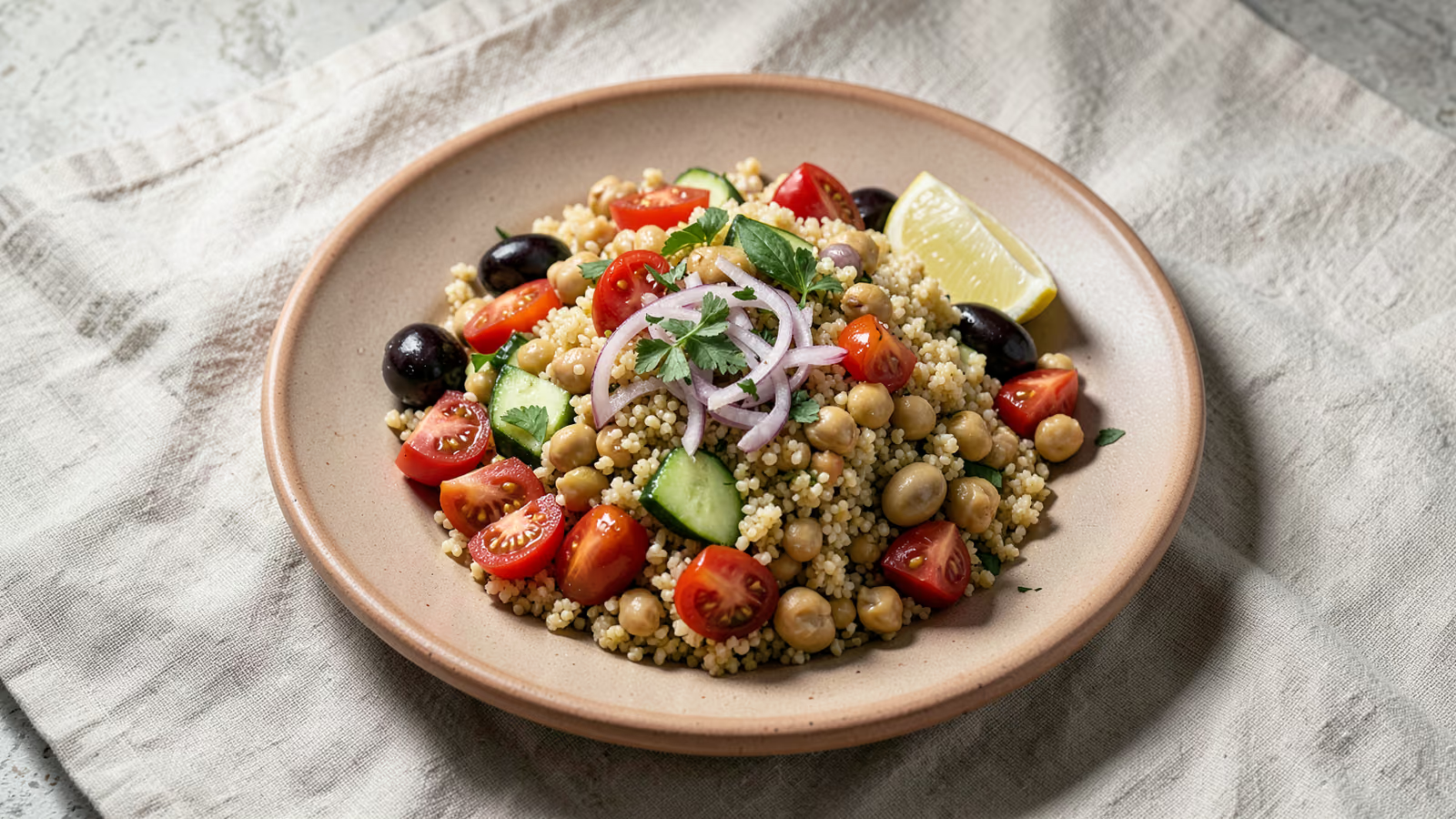
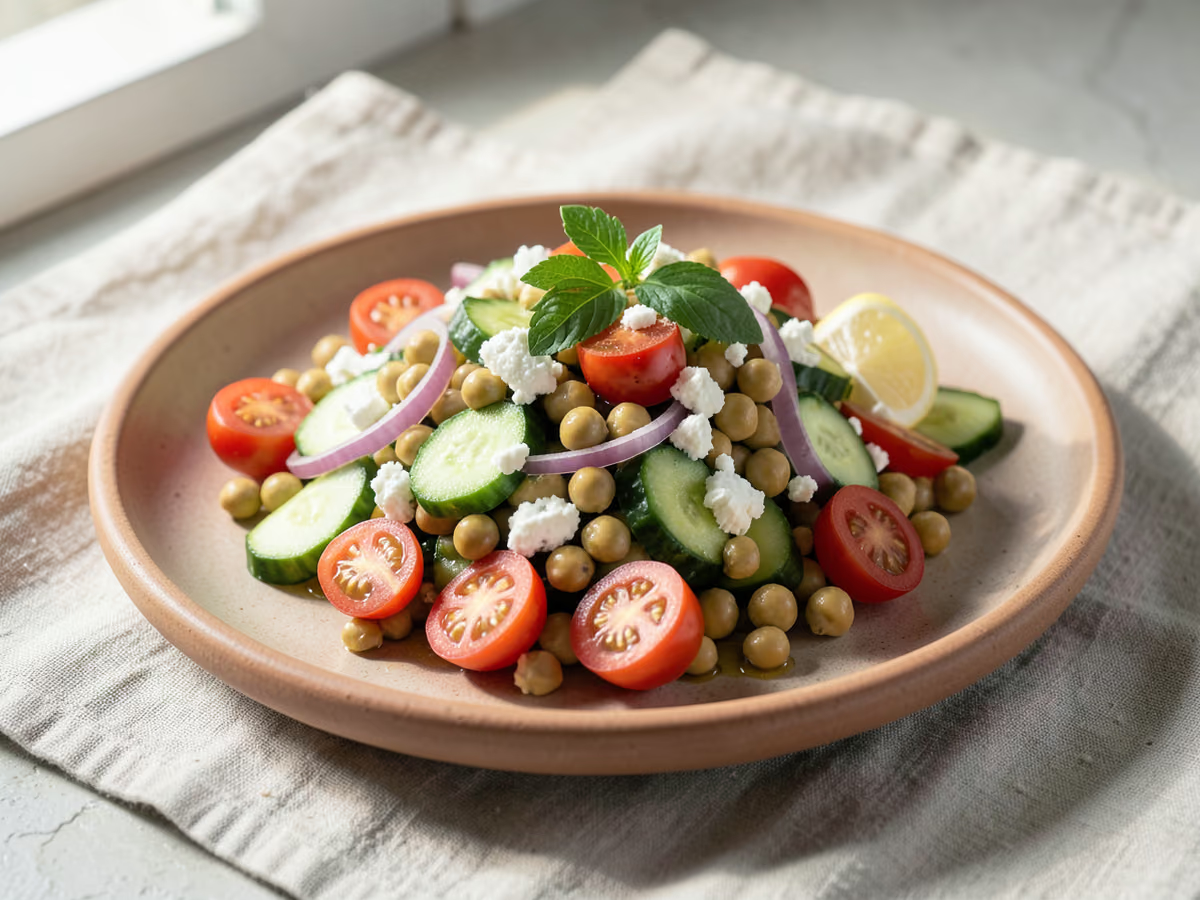
Chickpea Feta Salad is a no-cook Mediterranean lunch: 400 g of canned chickpeas tossed with diced cucumber, halved cherry tomatoes and paper-thin red onion, dressed with whisked olive oil, lemon juice and dried oregano, then finished with crumbled feta and parsley. It takes about 15 minutes from cupboard to bowl, and the only wait is a 5-minute rest so the chickpeas start drinking in the dressing. Serve it at room temperature for the fullest flavour, or build it ahead and keep it chilled for lunchboxes and buffets.
- Prep
- 15 min
- Cook
- 0 min
- Total
- 15 min
- Serves
- 4
Ingredients
What you’ll need — tap to tick off as you go
- 400 g
- 150 g
- 200 g
- 3 tbsp
- 2 tbsp
- 1 tsp
- ½ tsp
- ¼ tsp
- 2 tbsp
Process
Timers built in · swap anything · ask as you cook
Drain the 400 g chickpeas in a colander and rinse under cold running water until the water stops foaming, about a minute. Shake off the excess, then pat them dry with a clean towel: dry chickpeas grip the dressing, where wet ones thin it into a puddle at the bottom of the bowl.
While they dry, dice the cucumber, halve the 200 g cherry tomatoes and slice half of the red onion as thinly as you can. Add everything to a large bowl with the chickpeas, and keep the feta and parsley aside for the finish. Even, bite-sized pieces eat better than a rough chop — and scoop out the watery centre first if the cucumber is full of large seeds.
Whisk the 3 tbsp olive oil, 2 tbsp lemon juice, 1 tsp dried oregano, 0.5 tsp salt and 0.25 tsp black pepper in a small bowl until lightly thickened and evenly coloured. The lemon needs the whisk: stirred lazily, it sinks below the oil and half the salad ends up dressed in oil alone.
Pour the dressing over the chickpea mixture and fold from the bottom of the bowl with a large spoon, lifting rather than stirring, until every chickpea and vegetable is glossy. Chickpeas are heavy and settle, so the fold is what gets dressing down to the bottom of the pile without crushing the cucumber.
Scatter the 150 g crumbled feta and the 2 tbsp chopped parsley, if using, over the top, and fold them through with two or three gentle turns. Stop while the crumbles are still distinct: feta worked hard into the dressing bleeds salt and turns it milky.
Leave the salad to sit for 5 minutes. The chickpeas start absorbing the lemon and oregano, the dried herb hydrates, and salt pulls just a little juice from the vegetables — enough to round the dressing, never enough to flood the bowl.
Taste a spoonful together with a piece of feta and adjust: a pinch more salt, a squeeze of lemon or a thread of oil if it reads flat. Serve at room temperature for the fullest flavour, or chilled straight from the fridge for a packed lunch.
Why this recipe works
The dressing is a simple emulsion: whisking disperses the lemon juice through the olive oil so it coats every chickpea, and the oil carries the dried oregano, whose aroma compounds dissolve in fat rather than water. Chickpeas are dense and slightly porous, so they absorb dressing instead of wilting the way salad leaves do — which is why the flavour deepens over the first minutes and the salad still holds together in a lunchbox. Salt and lemon begin drawing water from the cucumber and tomatoes on contact, so the recipe keeps the dressed rest short and folds the feta in last, which keeps the crumbles white and the dressing clear rather than milky.
Equipment
- Large mixing bowl
- Small bowl or screw-top jar for the dressing
- Balloon whisk
- Colander
- Chef's knife and cutting board
- Clean kitchen towel, or a salad spinner, for drying the chickpeas
- Citrus juicer or reamer
- Large serving spoon
Kitchen notes
Kitchen notes
- Crush the dried oregano between your palms as it goes into the dressing; the friction releases its oils, and with only 1 tsp in the bowl every bit of aroma counts.
- Buy feta in brine and crumble it by hand into irregular chunks — the uneven pieces give pockets of salt and cream, where a food processor or a heavy hand turns it to paste.
- Soak the sliced onion in cold water for 10 minutes and drain it well: it keeps its crunch but loses the raw burn that can overwhelm a cold salad.
- Folding from the bottom of the bowl matters more than it sounds — chickpeas are heavy and drop, so stirring just the top layer leaves half of them dry and unseasoned.
- Keep a spoonful of the dressing back in its jar. If the bowl sits a while and tightens, a fresh top-up of dressing beats pouring plain oil over tired vegetables.
Common mistakes
- A watery bowl: chickpeas not drained properly, a seedy cucumber, or a salad dressed long before serving. Rinse and dry the chickpeas, scoop the seeds from a watery cucumber, and toss close to eating — salt and lemon start pulling juice on contact.
- Flat, muted flavour: too little lemon for the volume of chickpeas, or a dressing stirred instead of whisked so it never coated. Use the full 2 tbsp lemon with 3 tbsp oil, whisk it cloudy, and fold until everything shines.
- Mushy leftovers by day two: the dressed salad was stored as one. Keep the chickpea mixture and the dressing in separate containers and combine only what you will eat; the crunch survives that way.
- Milky dressing and no visible cheese: the feta was stirred through hard, or left in the bowl overnight. Fold it in with a few turns at the end, and when the salad must wait, scatter it over the top instead of mixing it in.
- Sharp, aggressive onion in every bite: the slices went in too thick. Slice as thin as possible and soak them in cold water for 10 minutes before they join the bowl.
Serving suggestions
- Serve at room temperature for the fullest flavour — if it has been in the fridge, give it 10 minutes on the counter and a stir before it comes to the table.
- Warm pita or flatbread alongside to mop the lemony oil at the bottom of the bowl; a scoop of hummus turns the pair into a mezze spread.
- Pile it onto a bed of rocket or butter lettuce, or tuck it into a pita with extra feta for a packed lunch.
- It sits happily next to grilled chicken, lamb skewers or fish for a larger dinner, and holds its own as a vegetarian main with bread and olives.
Variations
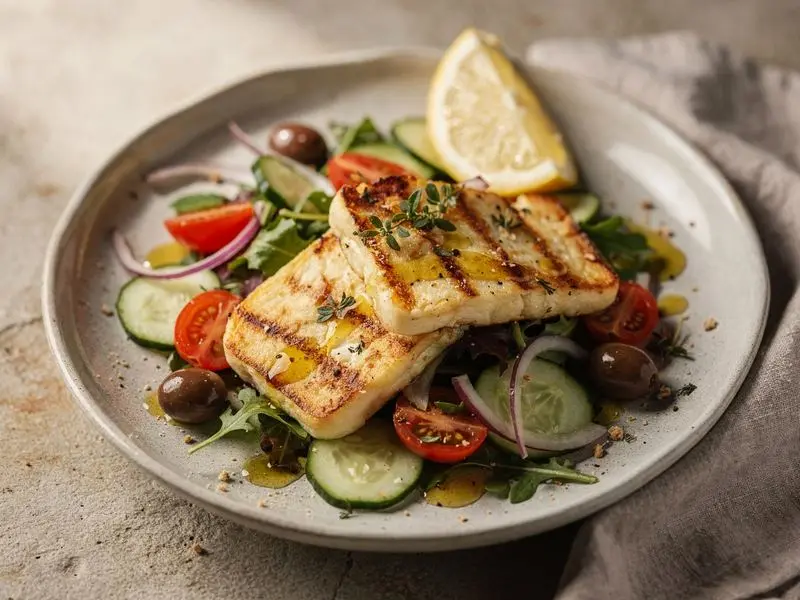
- Greek taverna style: add a handful of pitted Kalamata olives and serve the 150 g feta in slabs on top rather than crumbled, with a drizzle of oil and a dusting of oregano — each person takes as much salty cheese as they want per bite.
- Marinated chickpeas: dress only the chickpeas with the full dressing the night before and refrigerate; fold in the cucumber, tomatoes, onion, feta and parsley just before serving. The chickpeas taste deeper and the vegetables keep all their crunch.
- Meal-prep jars: layer dressing at the bottom, then the chickpeas, onion, tomatoes and cucumber, with the feta on top, and seal. Shake to combine when you are ready to eat, so nothing sits in dressing until then.
Refrigerator
- RefrigeratorUp to 3 days in an airtight container, crispest in the first 2 and comfortably inside the USDA FSIS 3-to-4-day window for refrigerated leftovers. Stir, tip off any pooled liquid, and refresh with a squeeze of lemon and a drizzle of olive oil. Do not leave it at room temperature for more than 2 hours.
- ReheatingNone. This is a cold salad, and heat collapses the cucumber and tomatoes; let it stand for 10 minutes out of the fridge instead, which takes off the chill and wakes up the tomatoes and the oil.
- FreezingNot recommended: the cucumber and tomatoes release their water on thawing and the feta turns grainy. If you want a head start, freeze drained, undressed chickpeas for up to 3 months and build the salad from those.
- Make aheadThe right way to get ahead is to keep the chickpea-vegetable mix and the dressing in separate containers for up to 24 hours, then toss up to 2 hours before serving. Fold in the feta and parsley at the last moment so the crumbles stay white, and give the bowl a gentle stir before it goes to the table.
Updated:
How this recipe was developed
- Serious Eats — Horiatiki (Greek Salad) on salting at the last minute, dried oregano as the Mediterranean default, and taming raw onion
- EatingWell — Chopped Salad with Chickpeas, Olives & Feta on rinsing canned chickpeas, drying cucumber, and block feta over pre-crumbled
- BBC Good Food — Chickpea salad (John Torode) on making the salad a day ahead and chickpeas absorbing the dressing
- USDA FSIS — Leftovers and Food Safety: refrigerate within 2 hours; keep leftovers 3 to 4 days
Editorial references are kept internally for verification. This page makes no claim of external certification or professional testing.
FAQ
The questions we get asked most
Can I use dried chickpeas instead of canned?
Yes. Soak 150 g dried chickpeas overnight, boil them in fresh water for 60 to 90 minutes until tender, then drain and cool them well — they swell to roughly the 400 g of cooked chickpeas this recipe calls for. They taste nuttier than canned and are worth the planning when you have the time.
How do I stop the salad turning watery?
Start dry: drain and pat the chickpeas, scoop the seeds from a seedy cucumber, and halve the tomatoes rather than chopping them. Salt is the other trigger, so dress the salad close to serving — the 5-minute rest is short for a reason — and if it will sit, add the feta on top at the table and serve with a slotted spoon.
Can I make this salad ahead of time?
Yes — that is how it works best. Keep the chickpea-vegetable mix and the dressing separate in the fridge for up to 24 hours, then combine up to 2 hours before serving. Fold in the feta and parsley at the last minute so they stay crisp and white.
Is this salad gluten-free?
Yes as written — chickpeas, vegetables, feta and an oil-lemon dressing are naturally gluten-free. Check the labels on canned chickpeas and flavoured feta products for additives if your sensitivity is strict.
What can I use instead of feta?
Goat cheese keeps the creamy, tangy role, and grilled halloumi gives a chewier, saltier version — the same 150 g of either. For dairy-free, use a plant-based feta, or leave the cheese out and add olives or capers for the salty note.
How long does the salad keep?
Up to 3 days in an airtight container in the fridge, though it is at its best in the first two. Stir it, tip off any pooled liquid, and add a squeeze of lemon and a drizzle of olive oil before serving again.
Can I double the recipe for a crowd?
Yes, it scales directly: 800 g chickpeas, 300 g feta, 2 cucumbers, 400 g cherry tomatoes, a whole red onion, 6 tbsp olive oil and 4 tbsp lemon juice. Toss it in two bowls, or in batches — one overcrowded bowl guarantees dry patches and a bruised cucumber.
Ask KitchenMind about this recipe
Tell it what’s different tonight — it works within the actual recipe.