Grilled Halloumi Salad
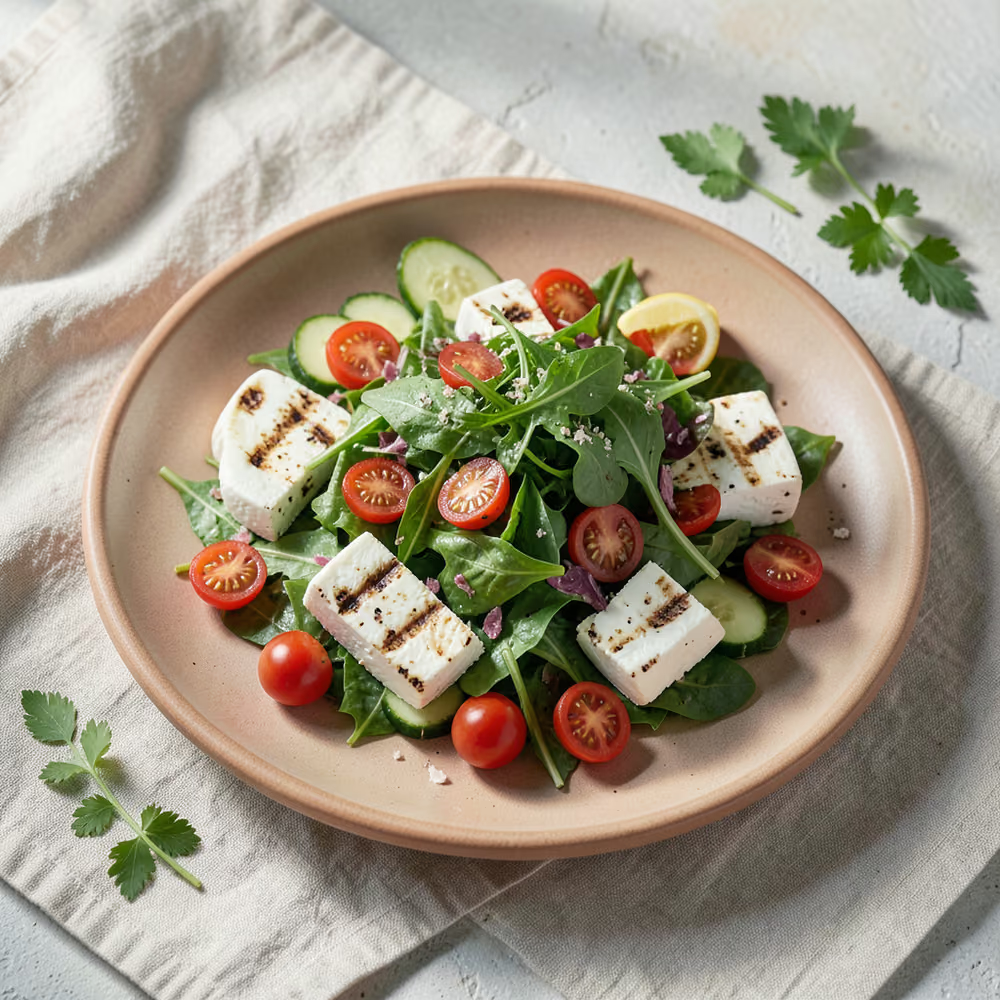
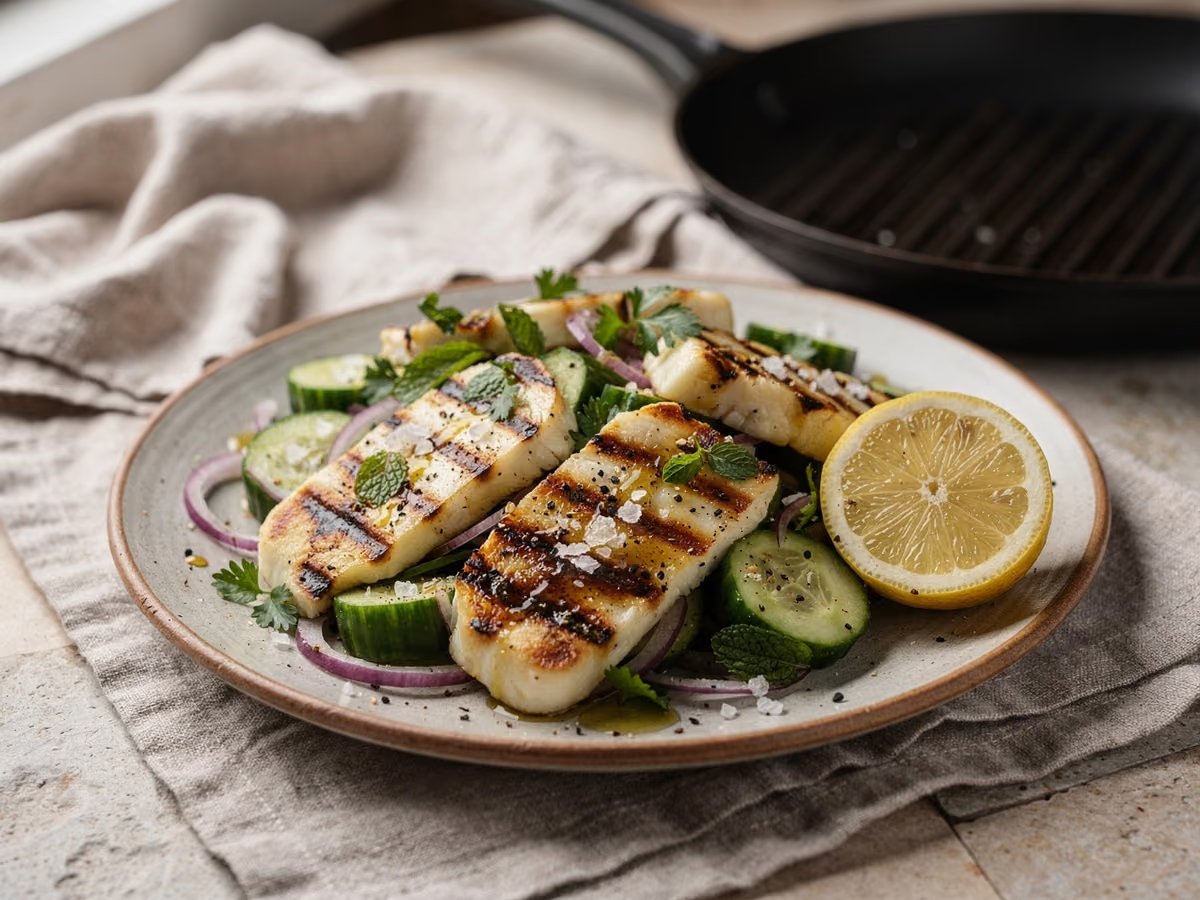
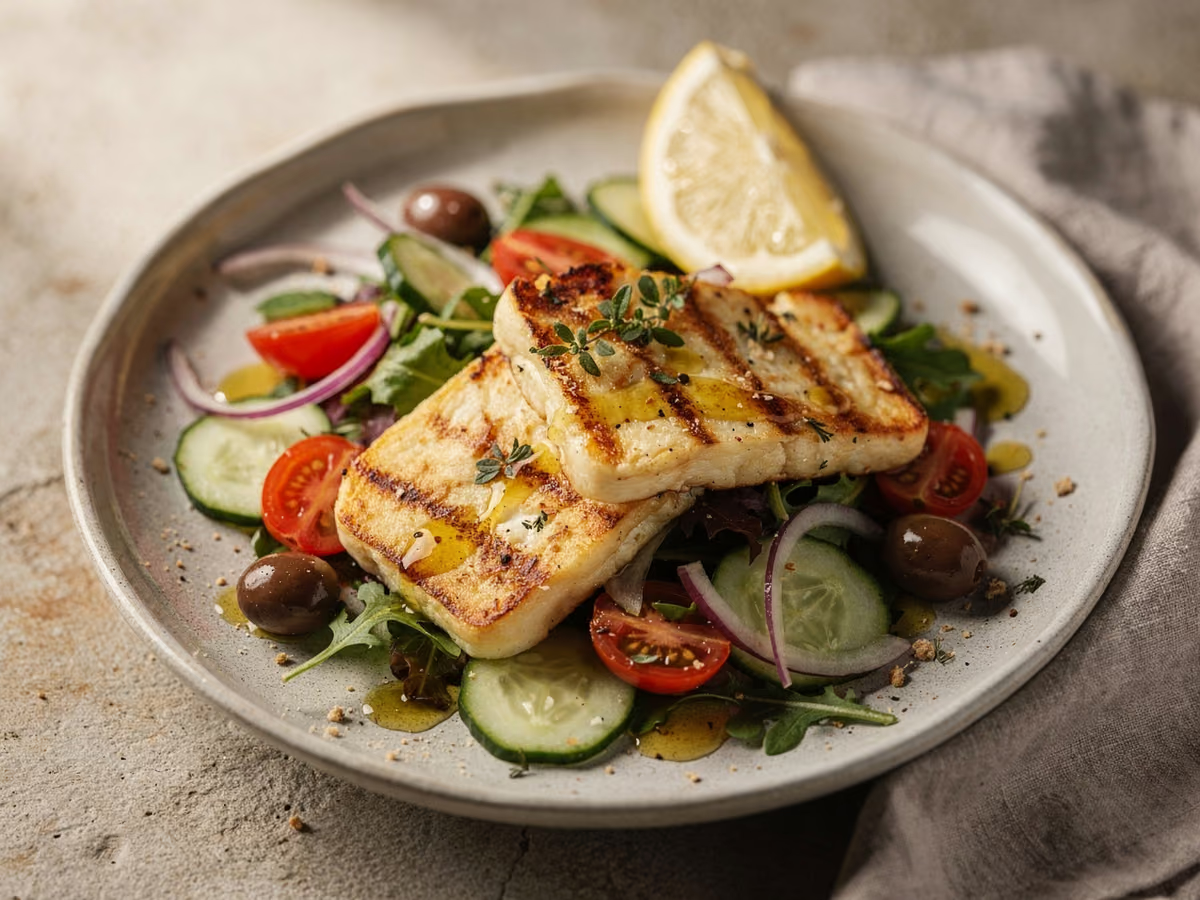
Grilled halloumi salad is the fastest route to a serious vegetarian lunch: salty halloumi sliced, dried and seared until golden outside and soft within, then laid warm over crisp leaves, cherry tomatoes, cucumber and red onion in a lemon-oregano dressing. The cheese refuses to melt, so it reads as a proper main rather than a garnish, and the whole dish is 15 minutes of prep and 10 minutes at the stove. Dress it at the last minute and eat within 5 minutes of grilling.
- Prep
- 15 min
- Cook
- 10 min
- Total
- 25 min
- Serves
- 4
Ingredients
What you’ll need — tap to tick off as you go
- 250 g
- 150 g
- 250 g
- 3 tbsp
- 2 tbsp
- 1 tsp
- ¼ tsp
- ¼ tsp
Process
Timers built in · swap anything · ask as you cook
Whisk 2 tbsp of the olive oil with the 2 tbsp lemon juice, 1 tsp dried oregano, 0.25 tsp salt and 0.25 tsp black pepper in a small bowl until the dressing turns slightly cloudy and holds together. Taste it: it should be sharp and herby, because the halloumi and tomatoes will temper it on the plate.
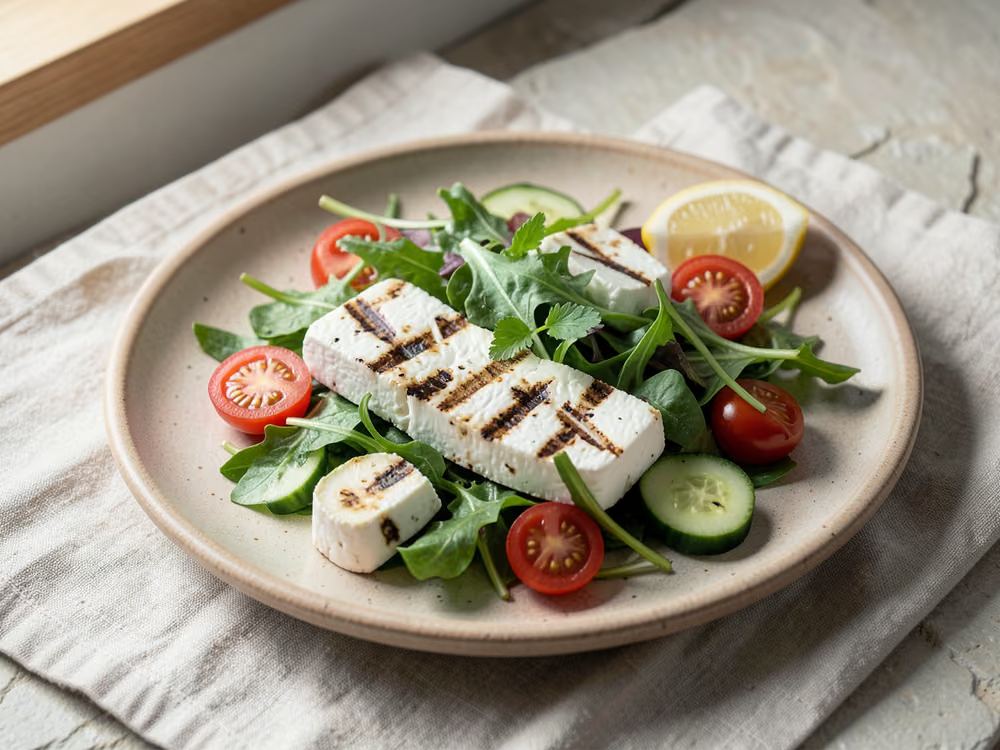
Heat a grill pan or outdoor grill over medium-high heat for 3 to 5 minutes. Pat the 250 g halloumi slices bone dry with kitchen paper, then brush both sides with the remaining 1 tbsp olive oil. Dry cheese browns; wet cheese steams pale and sticks.
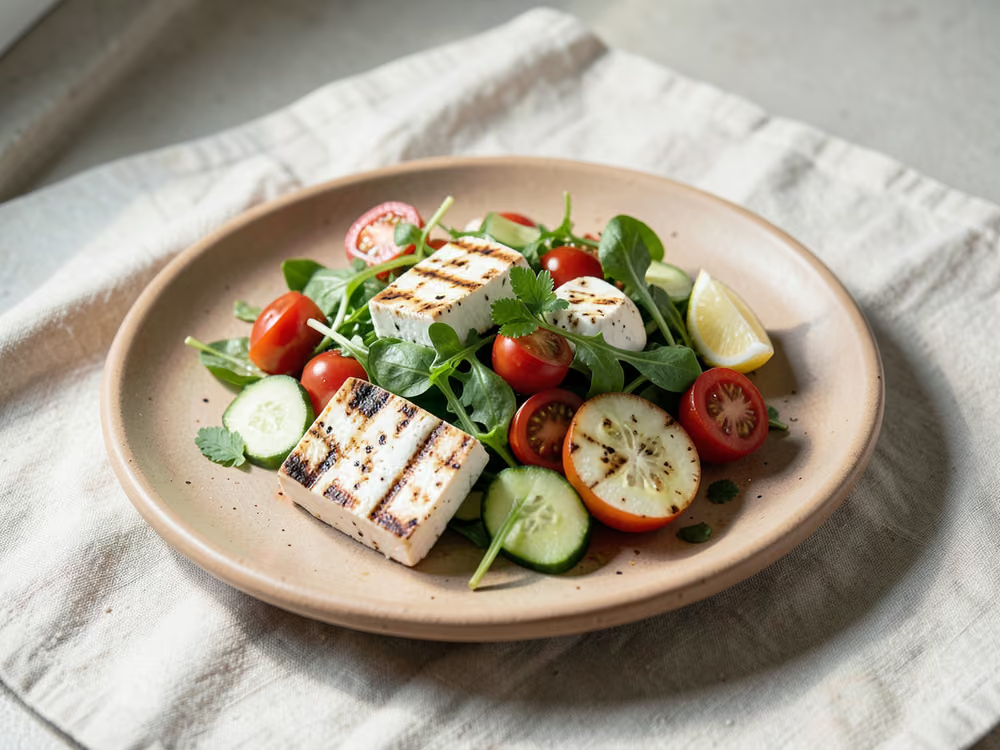
Lay the slices in the pan with space between them and grill for 2 to 3 minutes per side, flipping only once, when the underside releases easily and shows deep golden marks. The cheese is done when it is soft but still holds its shape and gives slightly when lifted with tongs — not flopping, not stiff.
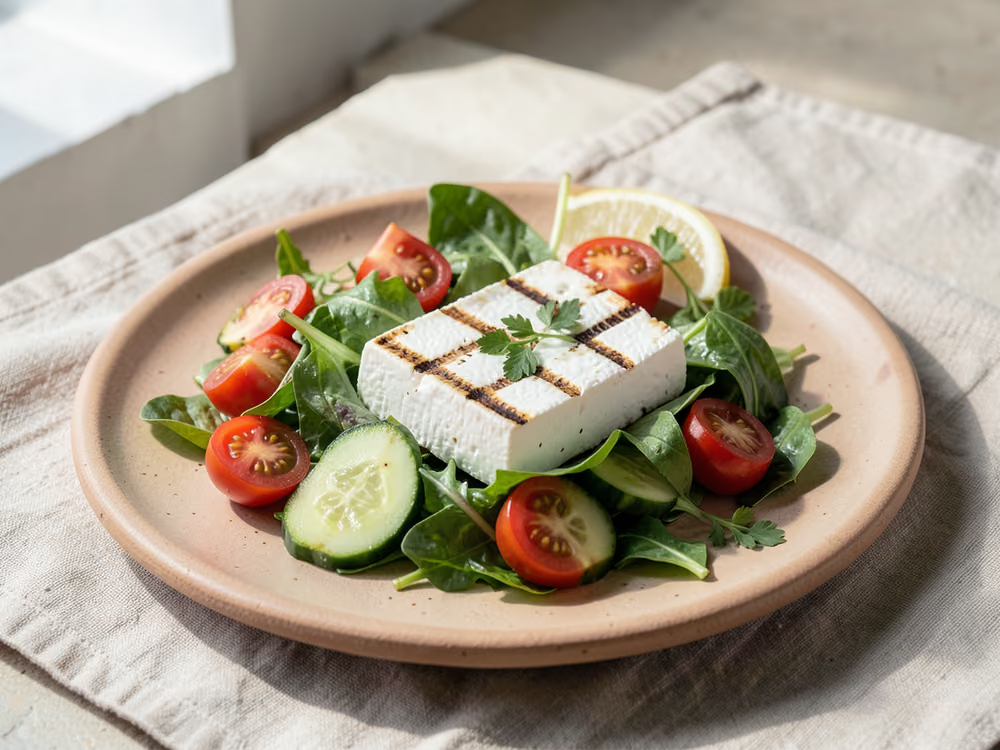
While the cheese grills, combine the 150 g mixed salad greens, 250 g halved cherry tomatoes, the cucumber half-moons and the 0.5 sliced red onion in a large bowl. Keep the bowl away from the heat — warm leaves start to wilt before the dressing even lands.
Pour the dressing over the salad and toss gently with your hands or two spoons, lifting rather than stirring, until every leaf is lightly coated. Do this when the cheese is nearly done: dressed leaves start to sag within a couple of minutes.
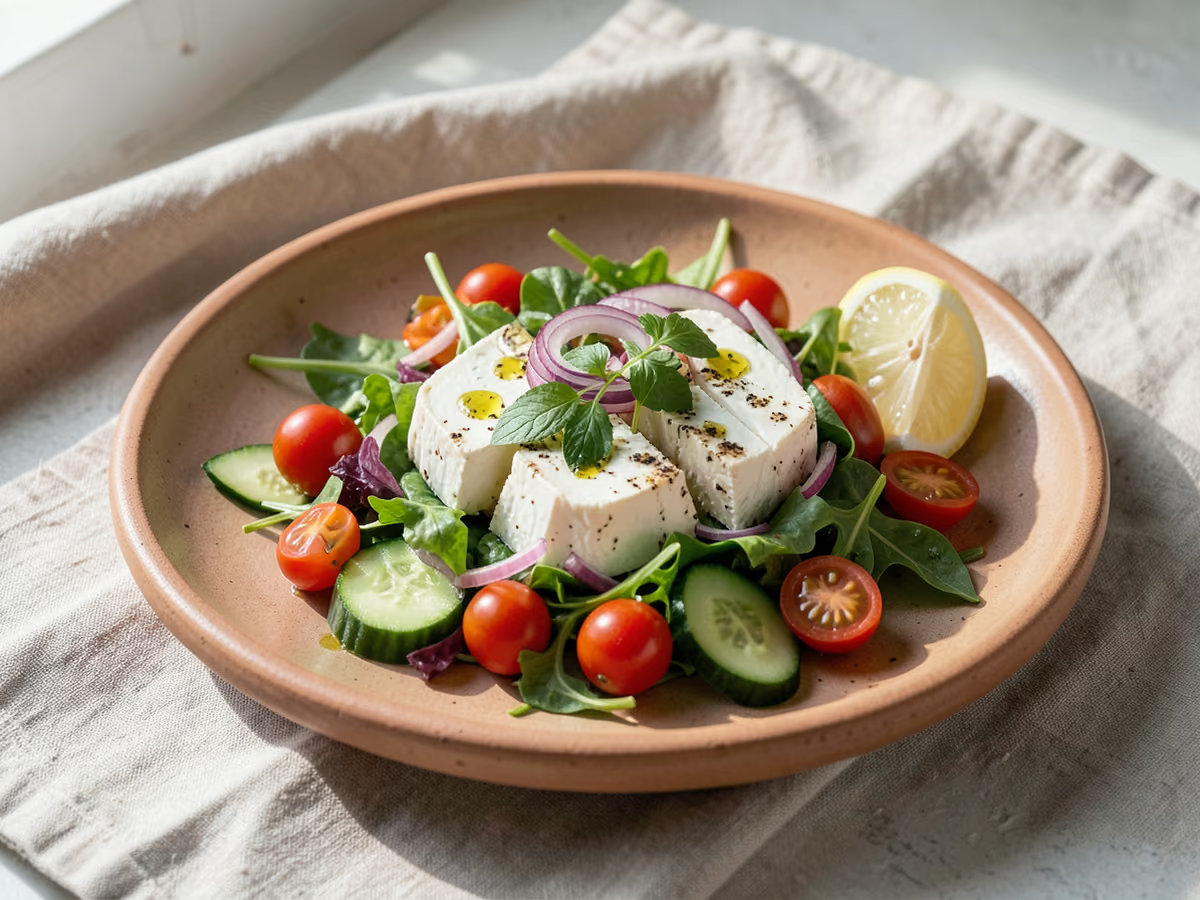
Divide the salad among four plates and lay the warm halloumi slices on top, overlapping them slightly. Serve immediately — within about 5 minutes — while the cheese is still soft and the leaves are still crisp.
Why this recipe works
Halloumi starts as a brined, semi-hard cheese whose curds are cooked in hot whey before they are pressed and salted, and that process packs the proteins into a structure that holds at pan heat: the cheese browns and softens instead of melting, giving a seared crust and a springy middle in the same bite. Drying the surface before it hits the pan matters because any water has to boil off first, and that steam keeps the crust pale. Dressing the leaves at the last minute is what keeps them crisp under the warm cheese.
Equipment
- Grill pan or ridged skillet, or an outdoor grill
- Kitchen paper for drying the cheese and the greens
- Small bowl or lidded jar, and a whisk or fork, for the dressing
- Large salad bowl
- Chef's knife and cutting board
- Tongs for turning the cheese
- Salad spinner or a clean tea towel
- Measuring spoons
Kitchen notes
Kitchen notes
- Keep the halloumi in its brine until the moment of slicing. Rinsed and left on a board, it weeps brine, dries unevenly and loses the springy texture that makes it grill so well.
- Wipe the pan between batches: halloumi sheds moisture and salt as it grills, and a dirty pan makes the next slices spit, stew and stick.
- If the pan is small, cook in two relaxed batches and keep the first warm on a plate lined with kitchen paper; cramming the pan traps steam and turns the crust pale.
- Grill-pan ridges are decoration, not technique: a heavy frying pan works just as well, and halloumi can even be dry-fried with no oil, letting its own fat crisp the surface.
- Look for a block packed in brine, and for Cypriot PDO halloumi if you want the original — the protected label guarantees the traditional make, and brine-packed cheese keeps best.
Common mistakes
- Rubbery halloumi: slices cut too thin or left on the heat too long. Keep them at 1 cm, grill 2 to 3 minutes per side over medium-high heat, and pull them while they still bend a little when lifted with tongs.
- Pale, patchy cheese with no crust: the slices went in wet, the pan was not hot enough, or the slices were crowded. Pat them bone dry, preheat properly, and give each slice room.
- Halloumi stuck to the pan and tore: it was flipped too early. It releases itself once the crust is set; wait for that moment instead of forcing it, and flip only once.
- A soggy, wilted salad: greens still slightly wet, or dressing poured over the bowl a few minutes early. Dry the leaves properly, toss at the last second, and lay the warm cheese on top rather than mixing it through.
- A salad that drowns in its own juices: cucumber seeds left in and tomatoes cut too early. Scrape the seeds from a watery cucumber, and halve the tomatoes just before tossing so they do not sit in their own juice.
Serving suggestions
- As a light main it serves 4 neat portions; keep the cheese portions moderate and let warm pita or crusty bread fill the gaps.
- Serve the moment it is assembled, cheese on top: cool, crisp leaves under warm, soft cheese is the entire point, and the contrast fades within minutes.
- A spoon of hummus or tzatziki on the side makes it a fuller plate; both sit naturally with the lemon and oregano.
- Sparkling water, iced tea or a lemony soda to drink — the salad is already sharp, so nothing sweet should fight it.
Variations
- Marinated in its own dressing: brush the slices with a little of the lemon-oregano dressing before they hit the pan, keeping some back to drizzle. The oregano fries into the crust and the lemon makes it catch colour a little faster.
- Saganaki starter, a different dish: fry 1 cm slices until golden and finish with a squeeze of lemon and a pinch of oregano, serving bread alongside instead of a salad.
- Roasted-vegetable platter, a different dish: serve the grilled halloumi over roasted peppers, courgette and red onion instead of the raw salad, with the cheese laid on while everything is warm.
Refrigerator
- RefrigeratorKeep the undressed salad and the grilled halloumi in separate airtight containers in the fridge: the vegetables for up to 2 days and the dressing in a sealed jar for up to 4. Refrigerate within 2 hours of serving (USDA FSIS guidance), and expect cold halloumi to be firmer than fresh.
- ReheatingWarm the halloumi slices in a dry non-stick pan over medium heat for 1 to 2 minutes per side, or in a 180°C oven for 5 minutes. Never microwave it: it turns tough rather than soft. Toss the chilled vegetables with the dressing only just before serving.
- FreezingHalloumi can be frozen for up to 1 month, wrapped well, but it turns slightly rubbery and is best eaten fresh. The dressed salad does not freeze at all; the leaves collapse on thawing.
- Make aheadPrep the components up to 1 day ahead: wash and dry the greens, chop the cucumber and onion, halve the tomatoes and whisk the dressing. Grill the halloumi just before serving — it is at its best warm and firms as it cools — and assemble and dress only at the last minute.
Updated:
How this recipe was developed
- Wikipedia, Halloumi — a brined, semi-hard unripened cheese, traditionally of sheep's and goat's milk, with a high melting point that lets it grill and fry without melting; most rennet used today is vegetarian or microbial
- BBC Good Food, cajun grilled halloumi — halloumi can be very salty, so slices can be soaked in cold water for at least 10 minutes, patted dry, then grilled until golden
- Nigella Lawson, halloumi bites — drained halloumi dry-fried in a heavy pan until golden on both sides, kept brief in a properly hot pan
- USDA FSIS leftovers guidance — refrigerate within 2 hours, 3 to 4 days in the fridge
Editorial references are kept internally for verification. This page makes no claim of external certification or professional testing.
Gallery
FAQ
The questions we get asked most
Why did my halloumi turn rubbery instead of soft?
Almost always heat and time: halloumi is dense, so thin slices or a long stay in the pan cook it into rubber. Keep the slices at 1 cm, work over medium-high heat for 2 to 3 minutes a side, and take them off while they still flex a little in the tongs — firm but not stiff.
Can I make this salad ahead of time?
Mostly, yes. Prep everything except the cheese up to 1 day ahead — dry the greens thoroughly, chop the vegetables and shake the dressing together in a jar. Keep the components separate and cold, slice and grill the halloumi just before you eat, then build the plates; cold halloumi is firm and the leaves soften once dressed.
How do I know when the halloumi is done?
It is done when both sides have deep golden grill marks and the cheese feels soft but still holds its shape when lifted with tongs, about 2 to 3 minutes per side. If it starts leaking a lot of liquid or turning dark brown, take it off immediately and serve it while it is still warm.
Why is my salad watery and soggy?
Wet greens and salty halloumi are the usual culprits. Dry the washed greens thoroughly in a salad spinner or with a towel, and do not add the dressing until you are ready to eat. Laying the warm cheese on top rather than tossing it in also keeps the leaves crisp longer.
Can I substitute the halloumi with another cheese?
Yes — use a firm grilling cheese such as queso de freír or thick slices of pressed paneer. Feta and mozzarella do not work on the grill because they crumble or melt completely. Adjust the added salt, since halloumi is already quite salty and the substitutes are not.
Is this dish gluten-free, and is halloumi vegetarian?
The salad is gluten-free as written — there is no wheat anywhere in it. Vegetarian is a label question: halloumi is set with rennet, and while most modern supermarket halloumi uses microbial rennet, traditional rennet is animal-based, so check the packet if that matters to you.
My halloumi is very salty — what can I do?
It varies a lot by brand, so taste the block raw first. If it is very salty, soak the sliced cheese in cold water for at least 10 minutes, pat it dry, then grill as usual — that pulls the brine down without dulling the cheese. Cut the dressing's 0.25 tsp of salt to a pinch.
Ask KitchenMind about this recipe
Tell it what’s different tonight — it works within the actual recipe.