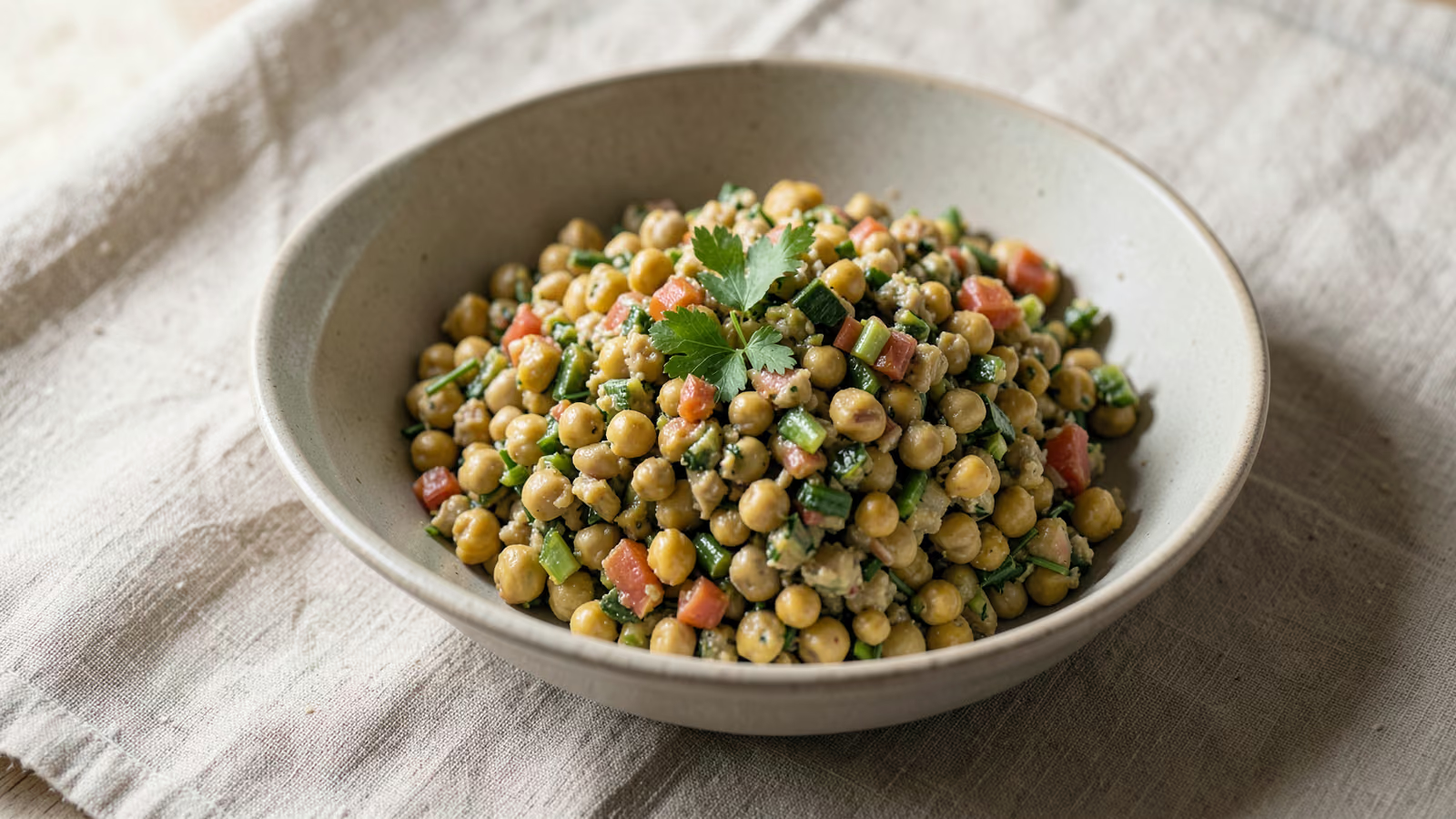
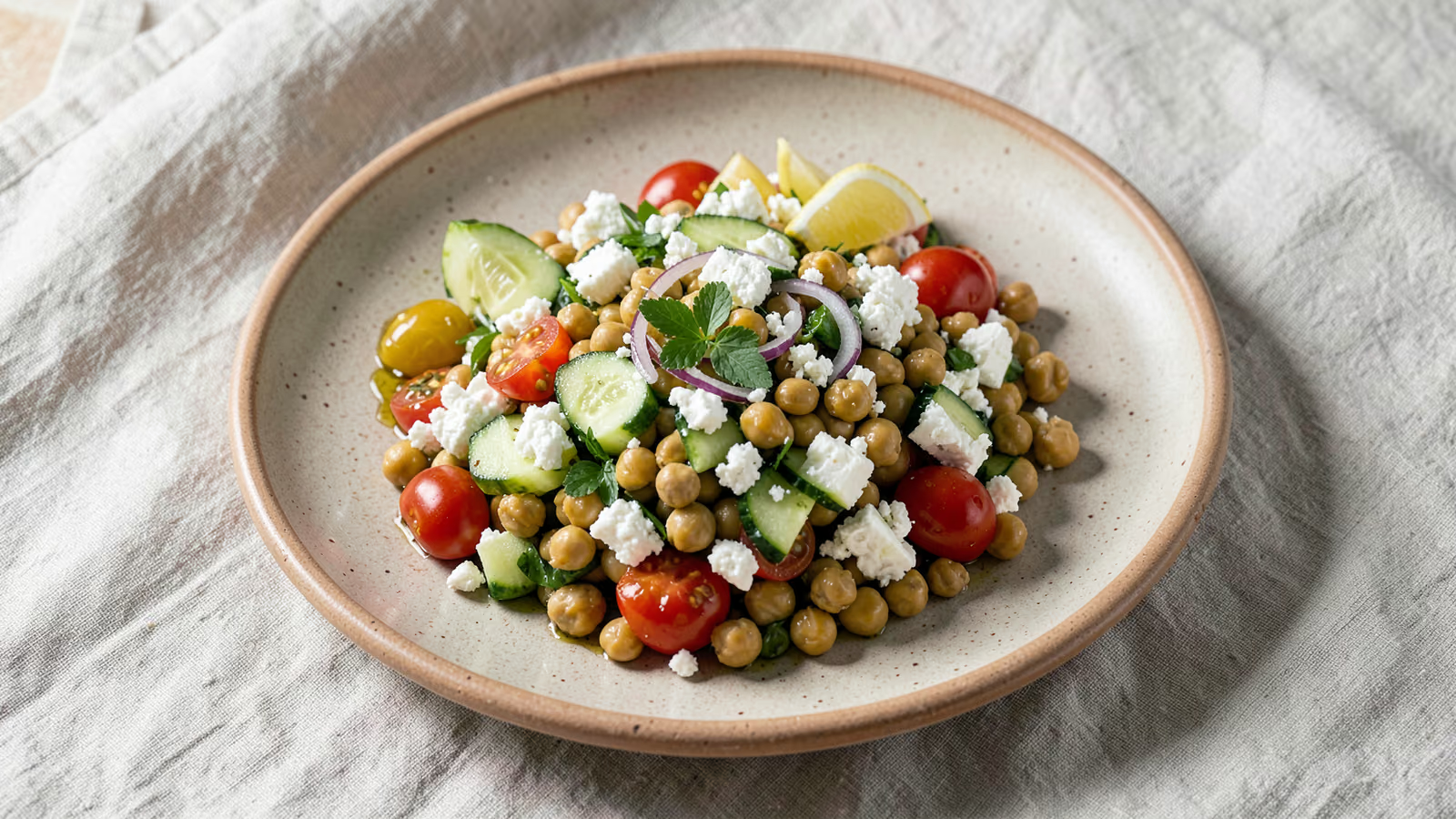
Classic Greek Salad
Crunchy cucumber, juicy tomatoes, and briny kalamata olives with feta. Just 15 minutes of chopping, no cooking, and it serves 4.
- Prep
- 15 min
- Cook
- 0 min
- Total
- 15 min
- Serves
- 4
Ingredients
What you’ll need — tap to tick off as you go
- 100 g
- 200 g
- 4 tbsp
- 1 tsp
- 1 tbsp
- ½ tsp
- ¼ tsp
Process
Timers built in · swap anything · ask as you cook
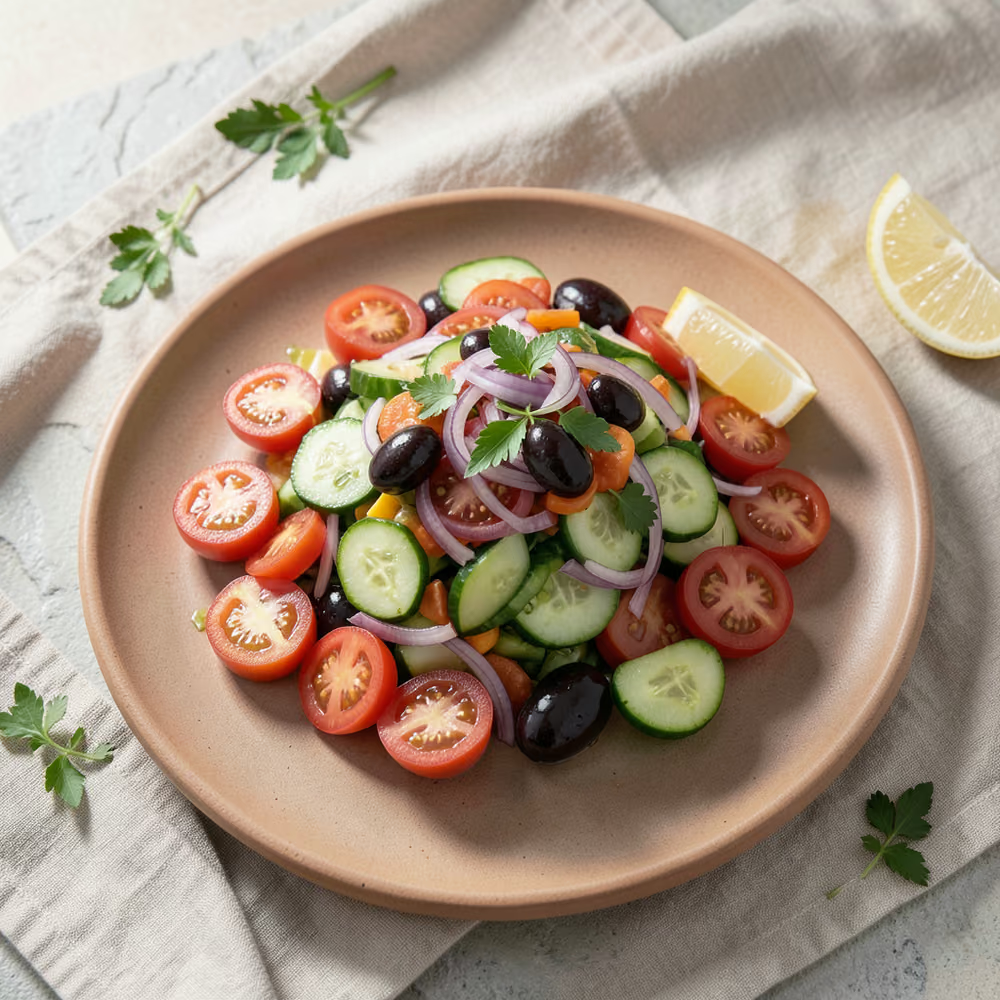
In a large salad bowl, combine the tomato wedges, cucumber slices, red onion slices, and Kalamata olives.
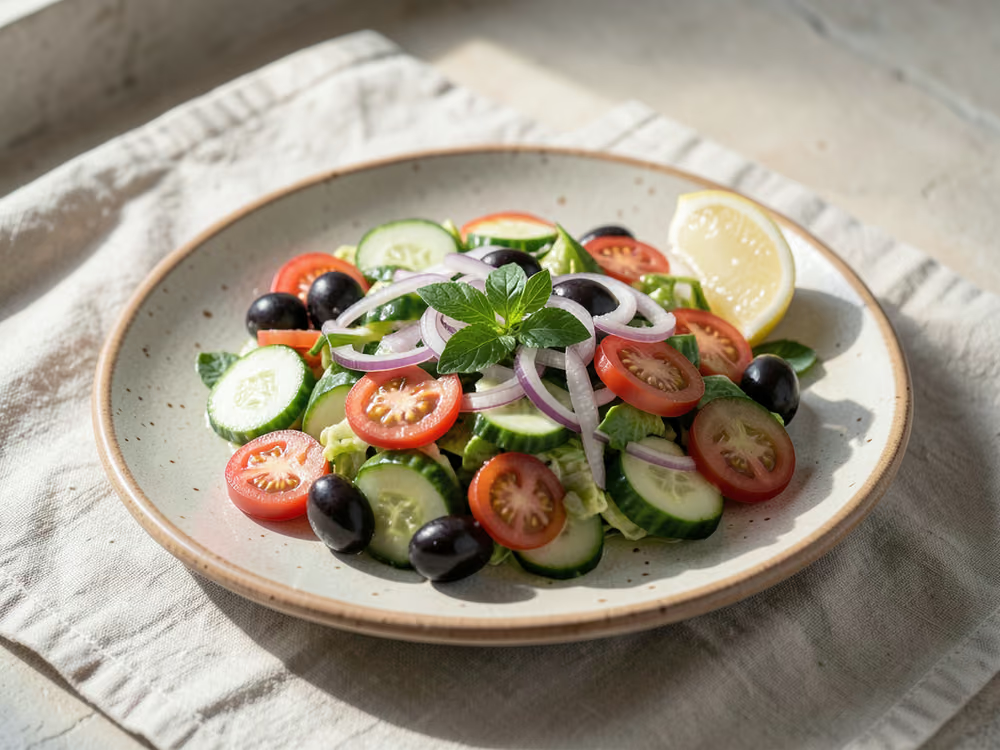
In a small bowl, whisk together the extra virgin olive oil, lemon juice, dried oregano, salt, and black pepper to make the dressing.
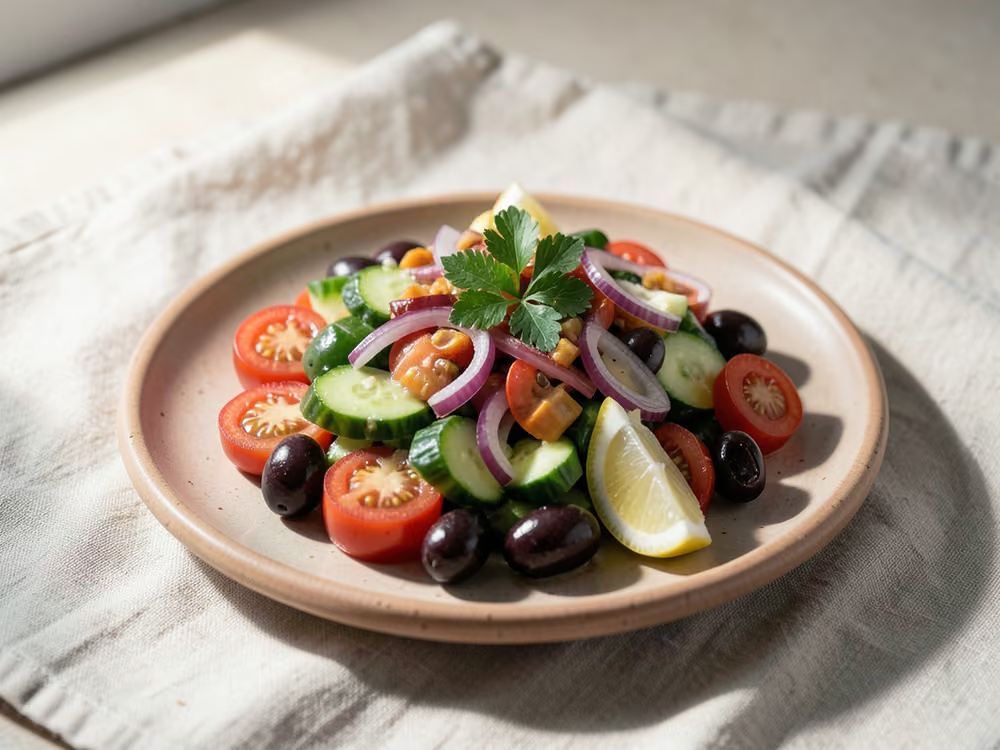
Pour the dressing over the vegetables and toss gently to coat.
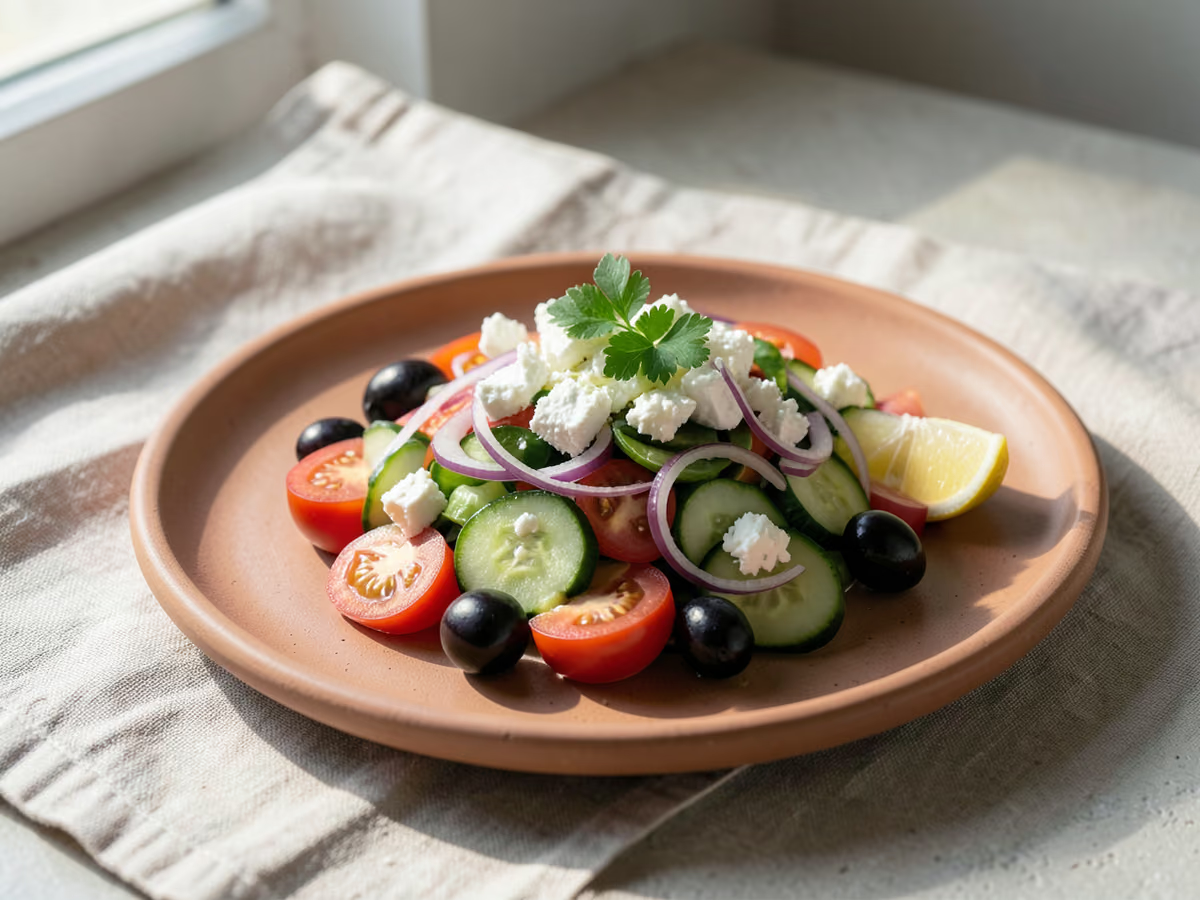
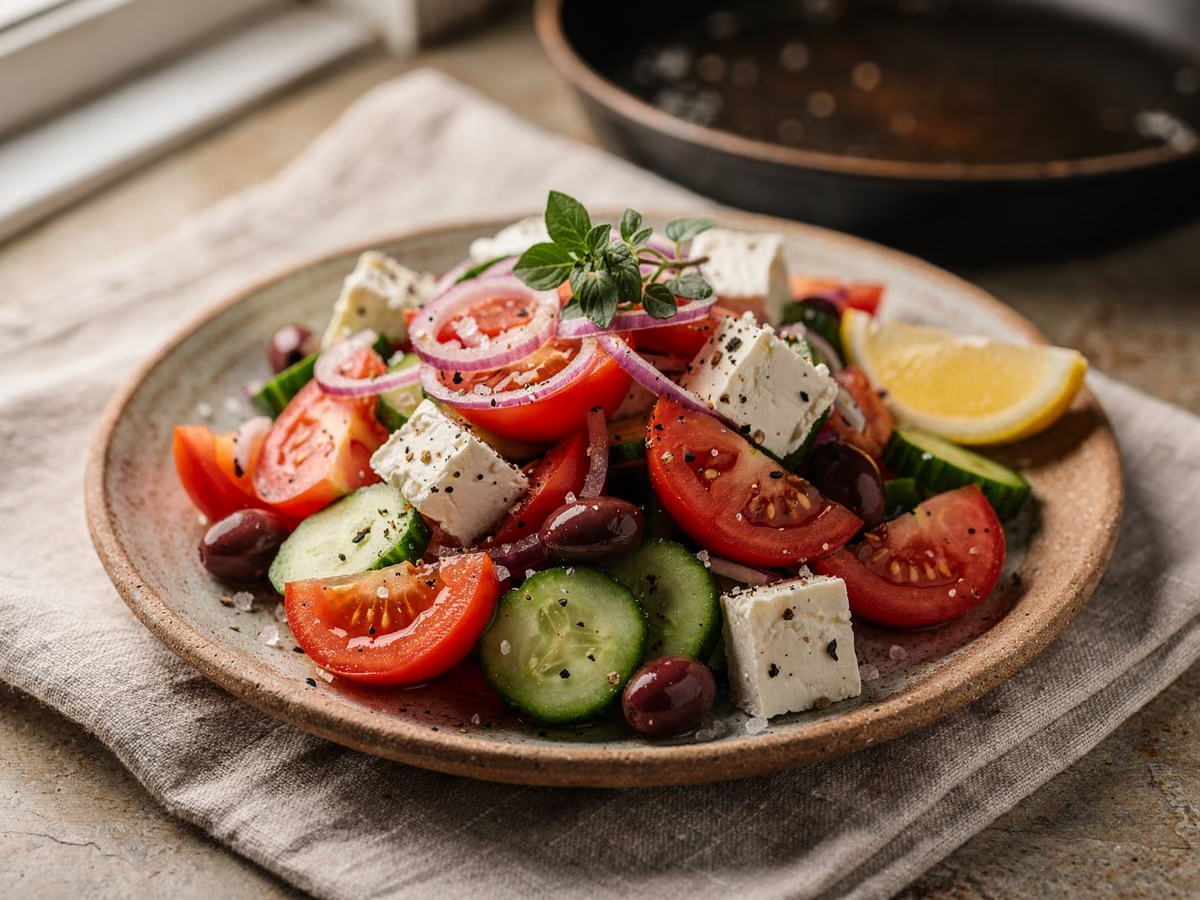
Top the salad with the feta cheese cubes or slices. Serve immediately.
Kitchen notes
Kitchen notes
- The biggest mistake is dressing the salad too early: salt draws water out of the tomatoes and cucumber, so add the dressing and feta only right before serving or the bowl turns soupy.
- Cut tomatoes into thick wedges and cucumber into chunky half-moons rather than thin slices so they stay firm and do not go limp when tossed.
- Use feta in brine packed in water, not pre-crumbled dry feta, and add it on top at the end so the cubes stay intact instead of dissolving into the dressing.
- Toss gently with two spoons or your hands for about 15 seconds only; over-tossing bruises the tomatoes and breaks the feta into grit.
Substitutions
- kalamata-olives→any good-quality brine-cured black olives, drained and pitted
- feta-cheese→a firm salty white brined cheese such as a Greek-style sheep milk cheese
- lemon-juice→plain white vinegar or red vinegar, using 2 tsp instead of 1 tbsp
- red-onion→shallot or sweet white onion, sliced very thin
Storage & reheating
Store leftovers in a sealed glass or plastic container in the fridge for up to 2 days, but keep in mind the salt will keep pulling water from the vegetables, so drain the excess liquid before eating. This salad does not freeze well because the tomatoes and cucumber collapse when thawed, so freezing is not recommended. To serve again, let it sit at room temperature for 10 minutes, drain the liquid, and add a fresh drizzle of olive oil and a pinch of oregano rather than reheating; if you want it cold, chill it at 4C and eat within 24 hours for the best texture.
Gallery
FAQ
The questions we get asked most
Why did my Greek salad turn watery and soggy?
Salt in the dressing pulls water out of the tomatoes and cucumber within minutes, so the salad releases liquid fast. Toss the dressing in only just before serving, and if you must hold it, keep the dressing separate and pour it on at the table. Draining the cut tomatoes and cucumber on paper towels for 5 minutes before mixing also helps.
Can I make Greek salad ahead of time?
You can prep the vegetables up to 8 hours ahead and keep them covered in the fridge, and you can whisk the dressing up to 3 days ahead and store it in a jar at 4C. Do not combine them until serving time, because the salt will draw out water and make the salad limp. Add the feta last so it stays in neat cubes.
How do I know when the salad is done?
There is no cooking here, so done means the vegetables are evenly coated with dressing and the feta is just placed on top. Taste a piece of tomato with a little dressing and feta; it should be bright, salty, and herby, not flat. If it tastes dull, add a pinch more salt and a few drops of lemon juice and toss once more.
Can I use canned or frozen tomatoes and cucumbers?
No, canned tomatoes are cooked and soft and frozen cucumbers turn mushy when thawed, so neither works for this raw salad. Use ripe fresh tomatoes and a firm cucumber, and if tomatoes are out of season, choose the firmest ones you can find and add a little extra lemon juice. Cherry tomatoes halved are a good firm substitute when large tomatoes are mealy.
Why is my Greek salad dry or bland?
Dry usually means too little dressing or tomatoes that were not ripe, and bland usually means not enough salt or oregano. The recipe uses 4 tbsp olive oil for 4 servings, so if your vegetables are large, add 1 extra tbsp oil and a pinch more salt. Let the dressed salad sit for 2 minutes, then taste and adjust before serving.
Can I use dried oregano instead of fresh, and how much?
This recipe already calls for dried oregano, which is the traditional choice, so use the full 1 tsp and rub it between your fingers into the dressing to release the oils. If you use fresh oregano instead, use about 1 tbsp chopped leaves because fresh is milder. Do not skip the oregano, as it is what makes the dressing taste Greek rather than plain.
Ask KitchenMind about this recipe
Tell it what’s different tonight — it works within the actual recipe.