- Prep
- 10 min
- Cook
- 5 min
- Total
- 15 min
- Serves
- 2
Ingredients
What you’ll need — tap to tick off as you go
- 120 ml
- 60 ml
- ½ tsp
- ¼ tsp
Process
Timers built in · swap anything · ask as you cook
Brew 120 ml of strong hot coffee using your preferred method (French press, drip, or espresso). Keep it hot.
In a heatproof bowl, whisk 2 egg yolks with 60 ml sweetened condensed milk and 0.5 tsp vanilla extract (if using) until fully combined.
Place the bowl over a saucepan of simmering water (double boiler), ensuring the bottom does not touch the water. Whisk constantly for 3–5 minutes until the mixture thickens and reaches about 70°C (158°F). It should coat the back of a spoon.
Remove from heat and continue whisking for 1–2 minutes to cool slightly and thicken further. The mixture should be pale, fluffy, and ribbony.
Divide the hot coffee between two heatproof glasses or mugs, filling each about halfway.
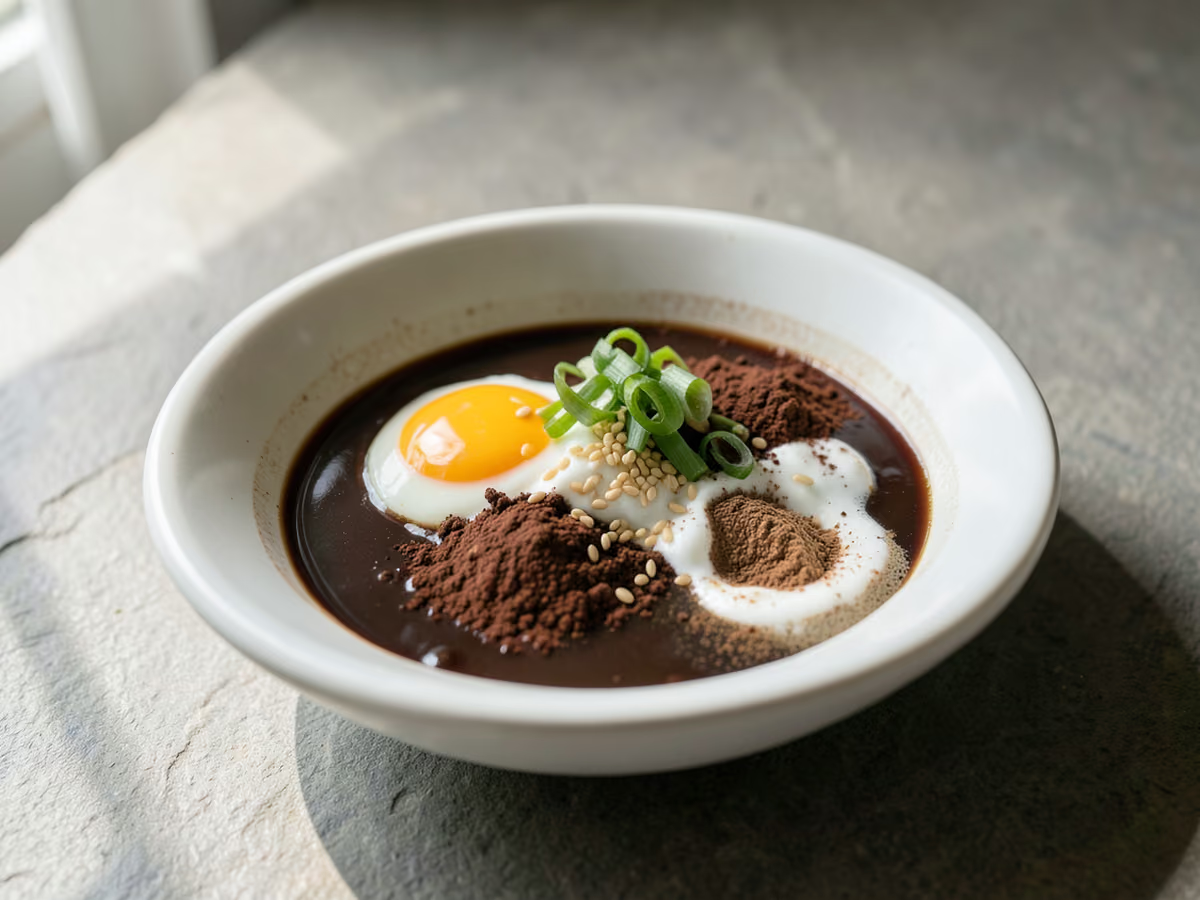
Spoon the egg cream mixture generously over the top of each coffee, filling to the brim.
Dust with 0.25 tsp cocoa powder (if using) and serve immediately with a spoon. Stir before drinking.
Kitchen notes
Kitchen notes
- The most common mistake is scrambling the eggs: keep the heat low and whisk constantly. If you see lumps, remove from heat immediately and whisk vigorously.
- Use fresh, high-quality eggs and keep them at room temperature for a smoother, more stable foam.
- For a thicker, mousse-like texture, whisk the egg mixture off the heat for an extra minute after cooking.
- Serve in pre-warmed glasses to keep the drink hot longer.
Substitutions
- sweetened condensed milk→coconut condensed milk for a dairy-free version
- strong brewed coffee→espresso or strong instant coffee dissolved in hot water
Storage & reheating
Vietnamese egg coffee is best enjoyed immediately. If you must store leftovers, keep the egg cream and coffee separately in airtight containers in the refrigerator for up to 24 hours. The egg cream may separate; whisk briefly before using. Reheat the coffee gently on the stovetop or in the microwave, then top with the egg cream. Do not freeze.
FAQ
The questions we get asked most
Why did my egg coffee turn out lumpy?
Lumps form when the egg mixture gets too hot or is not whisked constantly. Use a double boiler and keep the water at a simmer, not a rolling boil. Whisk continuously and remove from heat as soon as it thickens.
Can I make Vietnamese egg coffee without a double boiler?
Yes, you can use a heatproof bowl set over a saucepan of simmering water. Alternatively, whisk the eggs with the condensed milk in a saucepan over very low heat, but you must whisk constantly and briefly to avoid scrambling.
How do I know when the egg cream is ready?
The mixture should thicken enough to coat the back of a spoon and reach about 70°C (158°F). It will also become pale and fluffy. If you lift the whisk, the mixture should fall in ribbons.
Can I use whole eggs instead of just yolks?
Traditional Vietnamese egg coffee uses only yolks for richness. Using whole eggs may result in a thinner, less creamy foam. If you must, use 1 whole egg per 2 yolks, but the texture will differ.
Is Vietnamese egg coffee safe to drink with raw eggs?
The egg mixture is cooked to about 70°C (158°F), which pasteurizes the eggs and makes them safe to consume. Use fresh, clean eggs and avoid leaving the mixture at room temperature for long.
Can I make this ahead of time?
It is best made fresh, but you can prepare the egg cream up to 2 hours ahead and keep it refrigerated. Reheat gently over a double boiler or in short bursts in the microwave, whisking to restore fluffiness.
What type of coffee works best?
A strong, dark roast coffee, such as Vietnamese robusta or a French roast, works best. The bold flavor balances the sweet, creamy egg foam. Avoid flavored or light roasts.
Ask KitchenMind about this recipe
Tell it what’s different tonight — it works within the actual recipe.