- Prep
- 10 min
- Cook
- 20 min
- Total
- 30 min
- Serves
- 4
Ingredients
What you’ll need — tap to tick off as you go
- 1 tsp
- ½ tsp
- 1 tbsp
- 2 tbsp
- 4 cloves
- 60 g
- 240 ml
- 40 g
- 100 g
Process
Timers built in · swap anything · ask as you cook
Pat the 4 salmon fillets completely dry with paper towels, then season both sides with 1 tsp salt and 0.5 tsp black pepper. Let them sit at room temperature for 10 minutes while you prep the garlic and sun-dried tomatoes.
Heat 1 tbsp olive oil in a large skillet over medium-high heat until it shimmers. Place the salmon skin-side down and press gently with a spatula for 10 seconds so the skin stays flat. Do not move the fillets for 4 to 5 minutes, until the skin is crisp and releases easily.
Flip the salmon and cook for 2 to 3 minutes more, until the flesh is opaque at the edges but still slightly translucent at the thickest center. Transfer to a plate skin-side up and set aside; the salmon will finish cooking in the sauce.
Reduce the heat to medium. Add 1 tbsp butter to the same skillet, then add 4 sliced garlic cloves and 60 g sliced sun-dried tomatoes. Cook for 1 minute, stirring, until the garlic is fragrant but not browned.
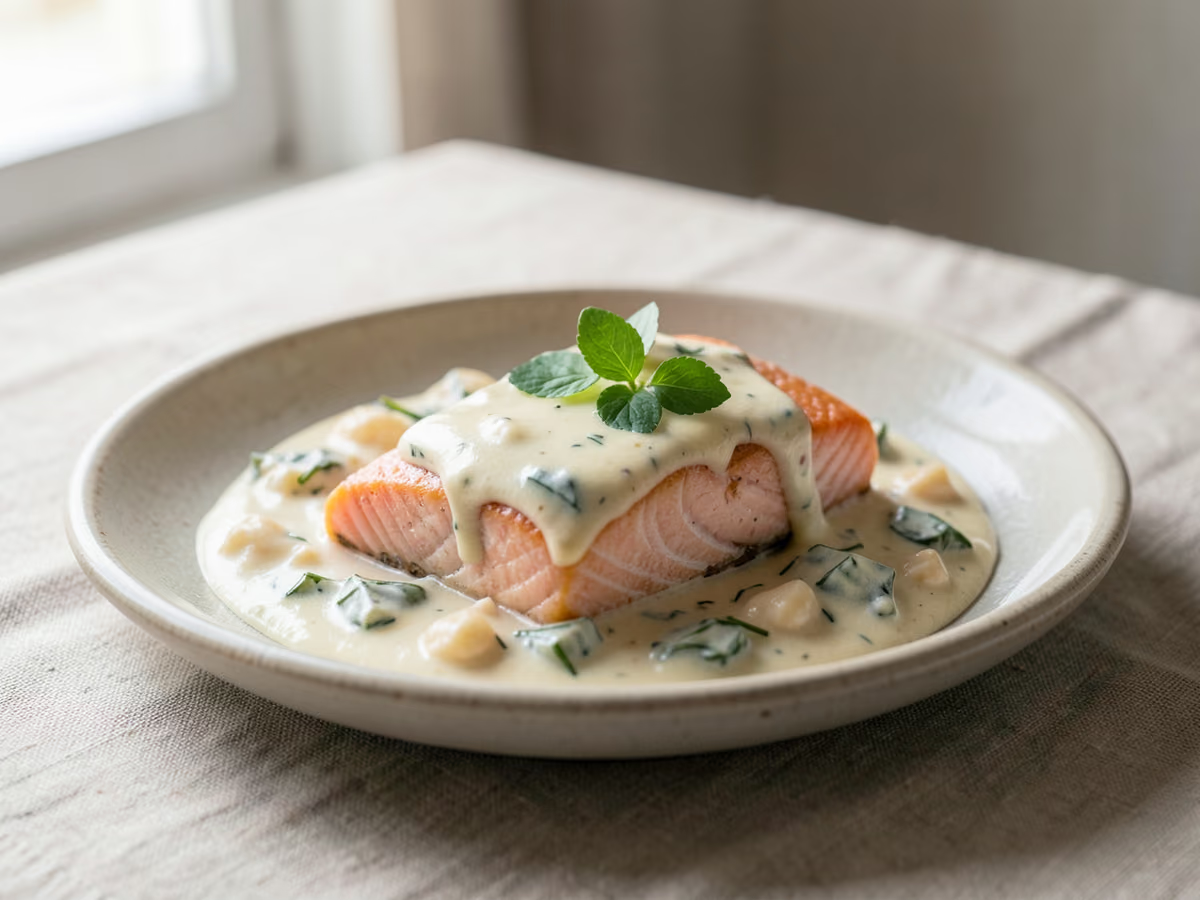
Pour in 240 ml heavy cream and bring to a gentle simmer. Cook for 3 to 4 minutes, stirring occasionally, until the sauce thickens enough to coat the back of a spoon. Stir in 40 g grated parmesan and the remaining 1 tbsp butter until melted and glossy.
Add 100 g baby spinach in handfuls, stirring until wilted, about 1 minute. Taste the sauce and adjust salt if needed. Squeeze in the juice of half a lemon if using.
Nestle the salmon back into the skillet, skin-side up, and spoon some sauce over the top. Simmer gently for 1 to 2 minutes, just until the salmon is warmed through and flakes easily with a fork. Serve immediately.
Kitchen notes
Kitchen notes
- The biggest mistake is moving the salmon while it sears. Leave it untouched for the full 4 to 5 minutes; it will release from the pan on its own when the skin is crisp.
- Dry the salmon skin thoroughly and use a hot pan. Any moisture steams the skin instead of crisping it.
- Add the cream at room temperature to prevent curdling. If it looks grainy, lower the heat and whisk in a splash more cream.
- The sauce should coat the back of a spoon before you return the salmon. If it is still thin, simmer 1 to 2 minutes longer.
- Serve with crusty bread, steamed rice, or pasta to soak up the sauce. A crisp green salad balances the richness.
Substitutions
- heavy cream→full-fat coconut milk for a dairy-free version (note: sauce will be slightly thinner and coconutty)
- parmesan cheese→pecorino romano or grana padano
- baby spinach→kale, stems removed and sliced thin, cooked 2 minutes longer
- sun-dried tomatoes→roasted red peppers, drained and sliced
- salmon fillets→arctic char or trout fillets, skin-on
Storage & reheating
Store leftovers in an airtight container in the refrigerator for up to 2 days. The salmon will soften and the sauce may thicken; reheat gently in a covered skillet over low heat with a splash of water or cream, or in the microwave at 50% power in 30-second bursts until just warm. Do not freeze the cream sauce, as it separates and becomes grainy; if you must freeze, freeze the cooked salmon alone for up to 1 month, wrapped tightly, and make fresh sauce when serving.
Gallery
FAQ
The questions we get asked most
Why did my salmon skin stick to the pan?
The pan was not hot enough or the skin was still damp. Pat the fillets very dry and wait until the oil shimmers before adding them. Also, do not move the fish for the first 4 to 5 minutes; it will release naturally once the skin is crisp.
Can I make this creamy Tuscan salmon ahead of time?
You can sear the salmon and make the sauce up to 1 day ahead. Cool both separately, cover, and refrigerate. Reheat the sauce gently in a skillet, then add the salmon for the last 2 minutes. The skin will lose some crispness but the flavor stays good.
How do I know when the salmon is cooked through?
The salmon is done when the thickest part flakes easily with a fork and is opaque all the way through, or when an instant-read thermometer inserted into the center reads 50 to 55°C for medium, 60°C for well-done. It will continue cooking slightly in the hot sauce.
Can I use milk instead of heavy cream?
Whole milk will work but the sauce will be much thinner and may curdle. For a thicker sauce without cream, make a slurry of 1 tbsp cornstarch with 2 tbsp cold water and whisk it into the simmering milk. Coconut milk is a better dairy-free substitute.
Why is my cream sauce grainy or curdled?
High heat or cold cream added to a hot pan causes curdling. Lower the heat to medium and let the cream come to room temperature before pouring it in. If it still looks grainy, whisk in a tablespoon of warm cream or a small knob of butter to bring it back together.
Can I freeze this dish?
Freezing the finished dish is not recommended because the cream sauce separates and turns grainy when thawed. If you want to freeze, freeze the cooked salmon fillets alone, well wrapped, for up to 1 month, and make a fresh batch of sauce when you reheat them.
What can I serve with creamy Tuscan salmon?
Crusty bread, steamed white rice, or buttered pasta are excellent for soaking up the sauce. For a lighter meal, serve with roasted asparagus, green beans, or a simple arugula salad.
Ask KitchenMind about this recipe
Tell it what’s different tonight — it works within the actual recipe.