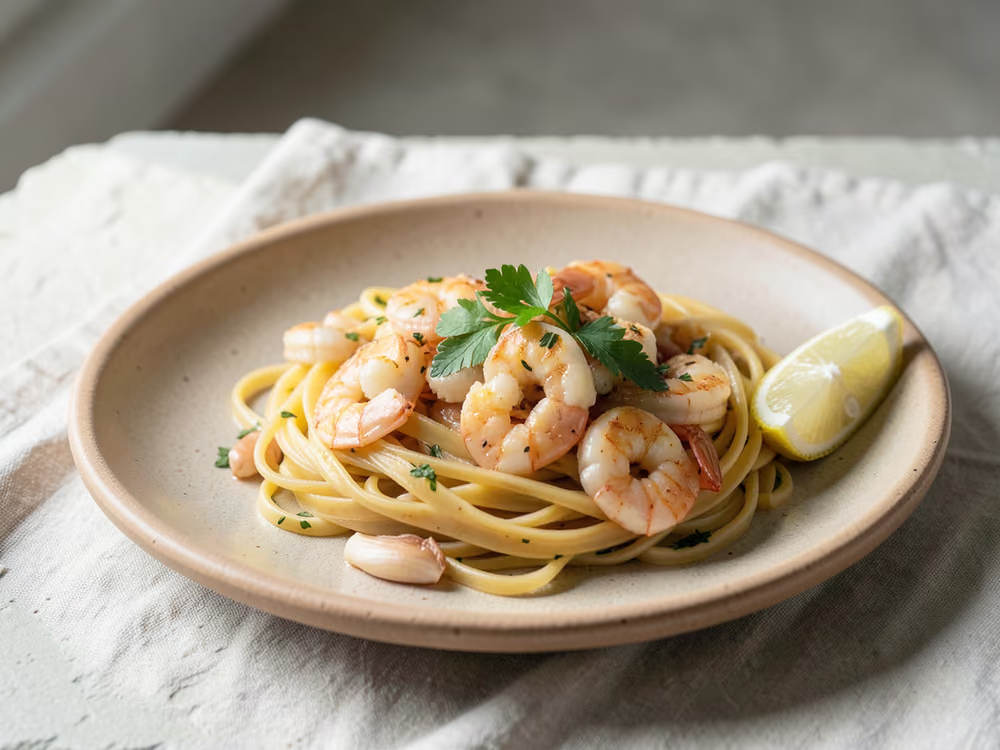
Garlic Shrimp Scampi Pasta
Scampi is the Italian name for langoustines, but Italian-American kitchens borrowed the word for shrimp in a garlic-butter sauce, and this version crowns linguine with exactly that. The method stays weeknight-simple: 450 g of shrimp get a fast single-layer sear, sliced garlic blooms gently in butter and olive oil instead of scorching, and a splash of starchy pasta water turns the pan juices into a glossy sauce that clings. Prep runs about 10 minutes; the stove takes about 20.
- Prep
- 10 min
- Cook
- 20 min
- Total
- 30 min
- Serves
- 4
Ingredients
What you’ll need — tap to tick off as you go
- 340 g
- 450 g
- 4 tbsp
- 2 tbsp
- 6 cloves
- ½ tsp
- 3 tbsp
- 1 tsp
- ½ tsp
- 50 g
Process
Timers built in · swap anything · ask as you cook
Bring a large pot of water to a rolling boil and season it generously — about 1 tbsp of salt. Add the 340 g linguine and cook for 9 to 11 minutes, stirring early so the strands do not stick, until al dente: tender with a fine white pin of starch at the center. Scoop out 1 cup of the pasta water, then drain the rest.
While the water heats, pat the 450 g shrimp completely dry on both sides with paper towels, then toss with 0.5 tsp salt and 0.25 tsp black pepper. Leave them at room temperature for a few minutes so they cook evenly — cold shrimp drop the pan temperature and steam before they sear.
In a 30 cm skillet, combine 2 tbsp olive oil and 2 tbsp of the butter over medium-high heat and swirl until the butter melts, foams, and sizzles without coloring, about 1 minute. The oil keeps the butter from scorching at searing heat; if the foam starts to brown at the edges, slide the pan off the heat for a moment.
Lay the seasoned shrimp in the pan in a single layer — work in two batches if they crowd — and sear undisturbed for 1 to 2 minutes per side, turning once, until the flesh turns pearly white and opaque and the tails curl into a loose C. Move them to a plate; a shrimp that has closed into a tight O is already overcooked.
Lower the heat to medium and add the remaining 2 tbsp butter, the 6 sliced garlic cloves, and the 0.5 tsp red pepper flakes, if using. Cook, stirring constantly, for 1 minute, just until the garlic smells toasty and turns pale gold at the edges. Garlic goes from gold to bitter in seconds, so keep everything moving.
Add the zest and juice of the lemon and 0.5 cup of the reserved pasta water. Simmer for 2 to 3 minutes over medium heat, scraping the browned bits off the pan floor with a wooden spoon as the liquid reduces slightly — those bits are concentrated shrimp and garlic flavor, and this is the moment they rejoin the sauce.
Return the shrimp along with any juices on the plate, add the drained linguine, and toss for about 1 minute, until every strand is coated and the shrimp is heated through. If the sauce looks tight, loosen it with more pasta water a splash at a time; the starch will keep the sauce glossy.
Take the pan off the heat, stir in the 3 tbsp chopped parsley, and taste: adjust the salt and pepper, and add a final squeeze of lemon if the sauce needs lift. Serve right away with the 50 g grated Parmesan on top, while the pasta is still hot.
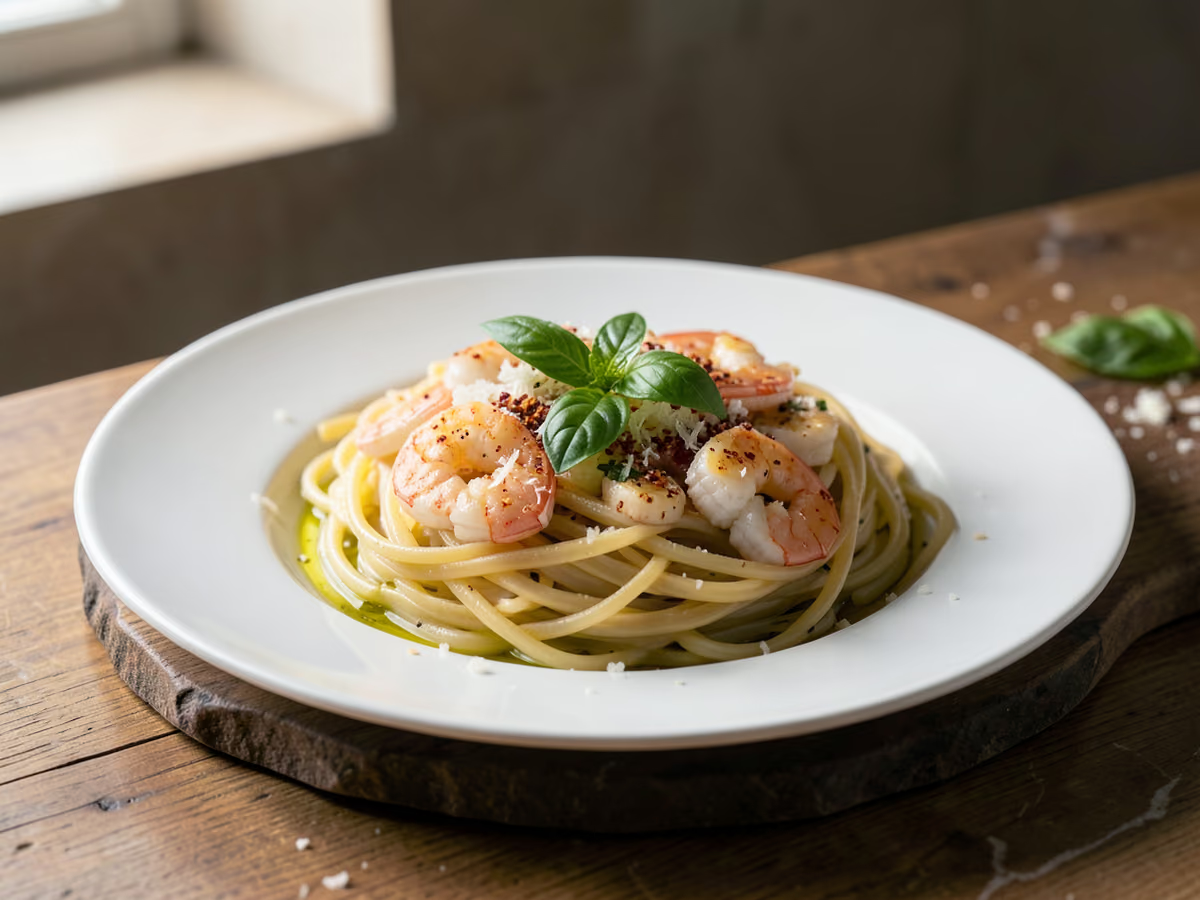
Why this recipe works
Dry shrimp seared in a single layer brown instead of steam: surface moisture must cook off before browning can start, and a crowded pan drops the oil temperature so the shrimp poach in their own liquid and tighten. The garlic goes in sliced, not minced, and only for about a minute at gentle heat — garlic is low in water and high in sugar, so small pieces scorch and turn acrid almost the instant their moisture evaporates. Finally, the sauce is a butter emulsion stabilized by starch: pasta water coats the fat droplets and thickens the liquid just enough that it clings to every strand rather than sliding off.
Equipment
- Large pot (5 to 6 litres) for the pasta
- 30 cm skillet or sauté pan, wide enough to hold the shrimp in a single layer
- Colander
- Long tongs for tossing
- Fine zester or the fine side of a box grater
- Instant-read thermometer (optional, for the 63°C shrimp check)
- Chef's knife and cutting board
- Measuring cups and spoons
Kitchen notes
Kitchen notes
- Warm the bowls or plates before serving. Cold porcelain firms pasta on contact and sets the butter sauce; a minute in a low oven or a rinse under hot water keeps the strands glossy to the last bite.
- Slice the garlic thinly and evenly, all the same thickness, so every piece reaches pale gold at the same moment instead of some scorching while others stay raw.
- Keep the last of the pasta water warm in a cup beside the stove. A spoonful stirred in at the table loosens a sauce that tightens while you plate.
- Zest the lemon first, juice it second, and keep both additions until the end; the citrus oils are volatile and the juice's brightness mutes when it simmers.
- Grate the Parmesan on your finest holes: fluffy fine shreds melt on contact with the hot pasta, while coarse shavings stay stringy on top.
- If the sauce ever looks greasy or broken, slide the pan off the heat and stir in a spoonful of pasta water: the starch pulls the butter and oil back into a smooth emulsion.
Common mistakes
- Rubbery shrimp: they stayed in the pan past the loose-C stage, or they were cooked twice — once at the sear, again when they warmed in the sauce. Pull them as soon as the flesh is pearly white and opaque and the tails bend into a loose C, and treat the final toss as a warm-through only.
- Grey, steamed shrimp: they went into the pan wet, crowded, or before the fat was fully hot, so the oil temperature crashed and the shrimp stewed in their own moisture. Pat them dry, sear in a single layer in batches, and wait for the butter and oil to foam and sizzle before the first shrimp touches the pan.
- Bitter, acrid sauce: the garlic was minced too fine or the heat was too high, so it went from pale gold to burnt before the shrimp came back. Slice the cloves, keep the pan at medium, stir constantly for the single minute they need, and pull the pan off the heat at the first sign of darkening — burnt garlic cannot be rescued once its bitterness spreads through the butter.
- Thin sauce that pools at the bottom: too little pasta water, a toss that ended too soon, or pasta that was rinsed before its starch could help. Reserve the full 1 cup, never rinse the drained pasta, and toss over the heat for the full minute, adding water by the splash until the sauce coats each strand.
- Flat, heavy flavor: the lemon went in too early and cooked off, or the pasta water was under-salted. Add the zest and juice off the heat, and salt the cooking water until it tastes seasoned on its own — that is the salt the pasta then carries into the sauce.
Serving suggestions
- Serve right away in warm bowls: four people get about 110 g of shrimp and 85 g of linguine each, with the Parmesan and lemon wedges passed at the table.
- A piece of crusty bread or a torn baguette at the table is the classic partner — the sauce left on the plate is too good to leave behind.
- A crisp green salad or steamed green beans, lightly salted, keeps the meal from turning heavy; the freshness works against all that butter.
- Keep drinks cold and simple: sparkling water with a slice of lemon or brewed iced tea, both of which clear the garlic before the next forkful.
Variations
- No pasta: keep the method and the same 450 g of shrimp, skip the linguine, and serve the garlic-butter scampi over toasted bread or rice, pulling the lemon and pasta water back a touch so the sauce stays tight.
- Creamier version: after the pasta water goes in, stir in a small splash of cream before the shrimp returns; the sauce turns richer and softer, which makes it a different dish from the bright original.
- Brighter, lighter version: add the lemon in two additions — half while the pan is hot, half off the heat — and finish with a thread of raw olive oil for a sharper, lighter plate.
Refrigerator
- RefrigeratorCool the leftovers within 2 hours of cooking, then refrigerate them in an airtight container for up to 2 days. The pasta keeps absorbing sauce as it sits, so day one is the best version; a spoonful of water loosens it before reheating.
- ReheatingReheat gently in a skillet over low heat with a splash of water or broth, tossing for a minute or two just until hot. Keep it brief and never boil — shrimp heated hard tighten, and an aggressive simmer can break the emulsion. A microwave works in an emergency but heats unevenly and pushes the shrimp past done.
- FreezingNot recommended. Shrimp turn watery and rubbery as they thaw, the pasta goes soft, and the butter sauce separates; two days in the fridge is the realistic life of this dish.
- Make aheadStage the ingredients up to 4 hours ahead — peel and devein the shrimp, slice the garlic, chop the parsley, zest and juice the lemon, grate the Parmesan — and keep each covered in the fridge. Leave the boiling, searing, and tossing for just before serving, so the pasta stays springy and the shrimp are just cooked.
Updated:
How this recipe was developed
- USDA FoodSafety.gov safe minimum internal temperature chart (fish and shellfish 63°C; shrimp, lobster and scallops cooked until the flesh is pearly or white and opaque)
- USDA FSIS, Leftovers and Food Safety (refrigerate cooked food within 2 hours; keep leftovers 3 to 4 days; reheat until hot throughout)
- Serious Eats, Daniel Gritzer, Shrimp Scampi With Pasta (garlic and red pepper flakes stirred in oil until just golden, about 1 minute; shrimp seared in a single layer about 2 minutes until pink and barely cooked through; butter swirled in to build a silky emulsion; pasta finished in the pan with reserved starchy water; lemon juice added off the heat)
- Food Network Kitchen, Classic Shrimp Scampi (scampi as the Italian name for langoustines; shrimp pulled at 1 to 2 minutes, before a tight C curl; an equal amount of broth plus 1 to 2 tsp lemon juice as the stand-in for the usual pan splash; cooked shrimp keeps 3 to 4 days in the fridge)
Editorial references are kept internally for verification. This page makes no claim of external certification or professional testing.
Gallery
FAQ
The questions we get asked most
Why did my shrimp turn out rubbery?
Shrimp turn rubbery when they cook past the point of pearly white and opaque — usually a minute too long per side, or a second cooking when they return to the pan. Sear them 1 to 2 minutes per side, pull them at a loose C, and let the final toss only warm them through. For a number: a large shrimp reads 63°C at the center, the USDA minimum for fish and shellfish.
Can I use frozen shrimp?
Yes, and they are often the best value. Thaw them completely — overnight in the refrigerator, or sealed in a bowl of cold water for 10 to 15 minutes if you are in a hurry. Drain and pat them very dry, because thawed shrimp release more water than fresh, and that water is what makes a sauce taste thin.
How do I make the sauce thicker?
Use the pasta water rather than cream or flour: its starch emulsifies with the butter and oil as you toss, so an extra minute over the heat usually tightens the sauce on its own. If it still looks thin, swirl in a small piece of butter or a sprinkle of grated Parmesan off the heat, and add water a splash at a time only if it tightens too far.
Can I make this dish ahead of time?
You can stage everything up to 4 hours ahead — peel the shrimp, slice the garlic, chop the parsley and zest the lemon — but cook the pasta and sauce just before serving. The dish is at its best within minutes of the final toss; reheated shrimp tighten, and the sauce loses its gloss.
Is this recipe gluten-free?
Not as written: linguine is wheat pasta. Use a gluten-free long pasta of the same 340 g, and check the Parmesan for additives that contain gluten — some grated blends hide them. The shrimp, butter, oil, garlic, lemon, and parsley are all naturally gluten-free.
Can I make shrimp scampi pasta without the traditional pan splash?
Yes — this version is built without one, so there is nothing to substitute. The lemon and the starchy pasta water do that work: the zest and juice bring the acidity that cuts the butter, while the water lifts the browned bits off the pan and carries them into the sauce. If you want a deeper, less bright flavor, add a splash of chicken or vegetable broth with the lemon juice.
How do I keep the garlic from burning?
Slice the cloves instead of mincing them — larger pieces take longer to scorch — cook them over medium heat, and stir constantly for the single minute they need. Pull the pan off the heat the moment the slices turn pale gold, since they keep cooking in the residual warmth; once they brown, their bitterness spreads through the butter and the sauce cannot be saved.
Ask KitchenMind about this recipe
Tell it what’s different tonight — it works within the actual recipe.