- Prep
- 10 min
- Cook
- 5 min
- Total
- 15 min
- kcal
- 115.1
- protein
- 3.4 g
- Serves
- 4
Ingredients
What you’ll need — tap to tick off as you go
- 600 g
- 4 cloves
- 10 g
- 2 tbsp
- 1 tsp
- 2 tbsp
- 1 tsp
- 1 tsp
- 3 tbsp
- 1 pinch
- 1 tsp
Process
Timers built in · swap anything · ask as you cook
Trim the base of the bok choy heads, then separate the leaves and halve or quarter the heads lengthwise so the white stalks and green leaves stay attached. Rinse well in cold water and dry thoroughly, especially between the stalks, so the oil does not spit.
In a small bowl whisk the soy sauce, sugar, cornstarch and cold water until the cornstarch is fully dissolved and no lumps remain.
Heat a wok or large skillet over high heat until a drop of water evaporates instantly. Add the neutral oil, then the garlic and ginger, and stir for 15–20 seconds until fragrant but not browned.
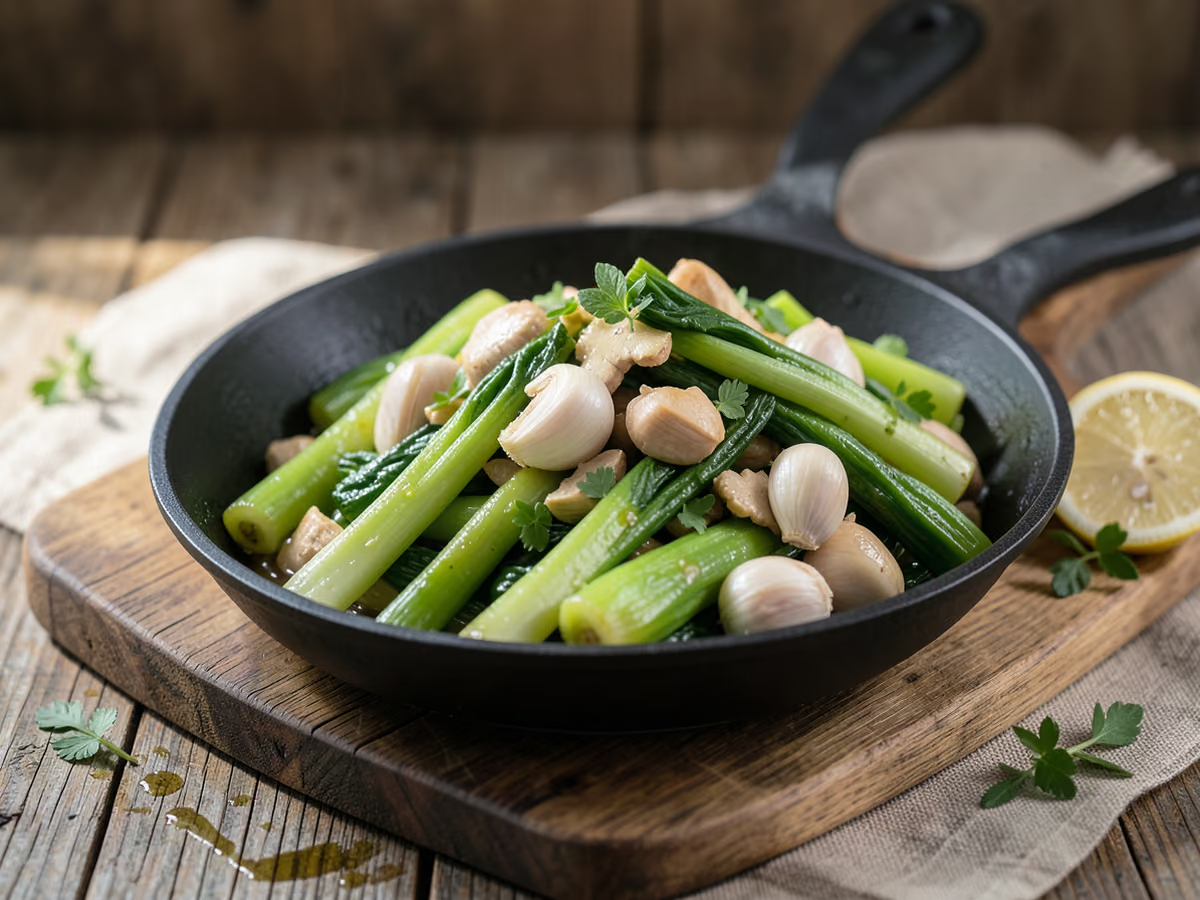
Add the bok choy stalk-side down in a single layer and cook undisturbed for 1 minute, then toss and stir-fry for 1–2 minutes until the stalks are crisp-tender and the leaves just wilt.
Pour in the soy sauce mixture and toss constantly for 30–45 seconds until the sauce thickens into a glossy coating. Taste and add a pinch of salt only if needed.
Turn off the heat, drizzle the sesame oil over the top and toss once. Transfer to a warm plate, scatter with sesame seeds if using, and serve immediately.
Kitchen notes
Kitchen notes
- The most common mistake is a wet wok: bok choy must be bone-dry before it hits the oil, otherwise it steams instead of searing and turns limp.
- Keep the stalks and leaves attached when you cut the heads. The stalks need the full cooking time while the leaves wilt in seconds, so cutting them apart means the leaves overcook.
- Have the sauce whisked and the garlic and ginger sliced before you turn on the heat. The whole stir-fry takes under 3 minutes once the wok is hot, and there is no time to chop mid-cook.
- The dish is done when the thickest part of a stalk bends slightly but still snaps when bitten, and the sauce clings in a thin shiny film rather than pooling at the bottom.
Substitutions
- bok choy→pak choi, choy sum or baby spinach (spinach needs only 30 seconds of cooking)
- soy sauce→tamari for a gluten-free version, or coconut aminos
- sesame oil→a few drops of chili oil or omit entirely
- neutral oil→any high-smoke-point oil such as grapeseed or avocado oil
- sugar→honey or maple syrup
Storage & reheating
Cool leftovers within 1 hour and store in an airtight container in the fridge for up to 3 days. The bok choy will soften and release liquid, so reheat in a hot skillet over medium-high heat for 2-3 minutes, or in the microwave covered for 60-90 seconds, and drain any excess liquid before serving. This dish does not freeze well because the stalks turn mushy on thawing.
| Nutrient | Per serving |
|---|---|
| Calories | 115.1 kcal |
| Protein | 3.4 g |
| Carbohydrates | 7.6 g |
| Fat | 8.8 g |
| Saturated fat | 1.1 g |
| Fiber | 1.8 g |
| Sugar | 3 g |
| Sodium | 565 mg |
| Cholesterol | 0 mg |
FAQ
The questions we get asked most
Why did my bok choy turn soggy and watery?
Either the bok choy was still wet when it hit the pan or the pan was not hot enough. Water on the leaves steams the vegetable instead of searing it, and a cool pan draws out moisture before browning can start. Dry the bok choy thoroughly and heat the wok until a drop of water evaporates on contact before adding oil.
Can I use the green leaves and the white stalks together?
Yes, keep them attached and lay the pieces stalk-side down first. The stalks need 2-3 minutes while the leaves wilt in under a minute, so starting the stalks against the hot surface evens out the cooking. If you separate them, add the stalks first and the leaves in the last 30 seconds.
How do I stop the garlic from burning?
Add the garlic and ginger to the hot oil for only 15-20 seconds, just until fragrant, then push them to the side or add the bok choy immediately. Sliced garlic burns in seconds at high heat and turns bitter. If it starts to brown, pull the wok off the heat, add the bok choy to cool the pan, then continue.
Can I make this garlic bok choy ahead of time?
You can wash, dry and cut the bok choy and whisk the sauce up to 1 day ahead, storing both in the fridge. The stir-fry itself is best eaten straight from the wok because it loses its crunch as it sits. If you must cook ahead, undercook the stalks by 30 seconds and reheat hard in a skillet.
Is this dish gluten-free and vegan?
It is vegan as written because it contains no meat, dairy, egg or honey. It is not gluten-free unless you swap the regular soy sauce for tamari or coconut aminos, since standard soy sauce is brewed with wheat. Check your sesame seeds and oil labels if cross-contamination is a concern.
What can I serve with garlic bok choy stir fry?
Steamed jasmine rice, plain noodles or congee are the classic pairings, and the sauce is good spooned over them. It also works as a side for roasted chicken, grilled fish or tofu. If you want it as a main, add sliced chicken, beef or firm tofu in step 3 before the garlic.
Why is my sauce thin instead of glossy?
The cornstarch needs to be fully dissolved in cold water before it goes in, and the sauce needs a final 30-45 seconds of tossing over high heat to thicken. If it still looks thin, keep tossing for another 20 seconds; if it turns gluey, you added too much cornstarch or let it boil too long, so loosen it with a tablespoon of water.
Ask KitchenMind about this recipe
Tell it what’s different tonight — it works within the actual recipe.