- Prep
- 100 min
- Cook
- 20 min
- Total
- 120 min
- Serves
- 8
Ingredients
What you’ll need — tap to tick off as you go
- 300 g
- 50 g
- 1 tsp
- 1 tbsp
- ½ tsp
- 220 ml
- 1 tbsp
- 100 g
- 1 tsp
- 40 g
Process
Timers built in · swap anything · ask as you cook
In a large bowl whisk 300 g all-purpose flour, 50 g glutinous rice flour, 1 tsp instant dry yeast, 1 tbsp granulated sugar, and 0.5 tsp fine salt until evenly combined.
Pour in 220 ml lukewarm whole milk and 1 tbsp neutral oil. Mix with a spoon, then knead in the bowl for 3–4 minutes until you have a soft, slightly sticky dough.
Cover the bowl and let the dough rise at room temperature for 60–90 minutes, until roughly doubled in size and puffy.
Make the filling: stir together 100 g brown sugar, 1 tsp ground cinnamon, 1 tbsp all-purpose flour, and 40 g finely chopped walnuts if using. The flour keeps the molten sugar from running out.
Punch down the dough and divide it into 8 equal pieces, about 70 g each. Roll each into a smooth ball, then flatten into a 10 cm round with lightly oiled hands.
Place about 1 tbsp of the brown sugar filling in the center of each round. Pull the edges up and pinch them firmly closed, then place the sealed ball seam-side down.
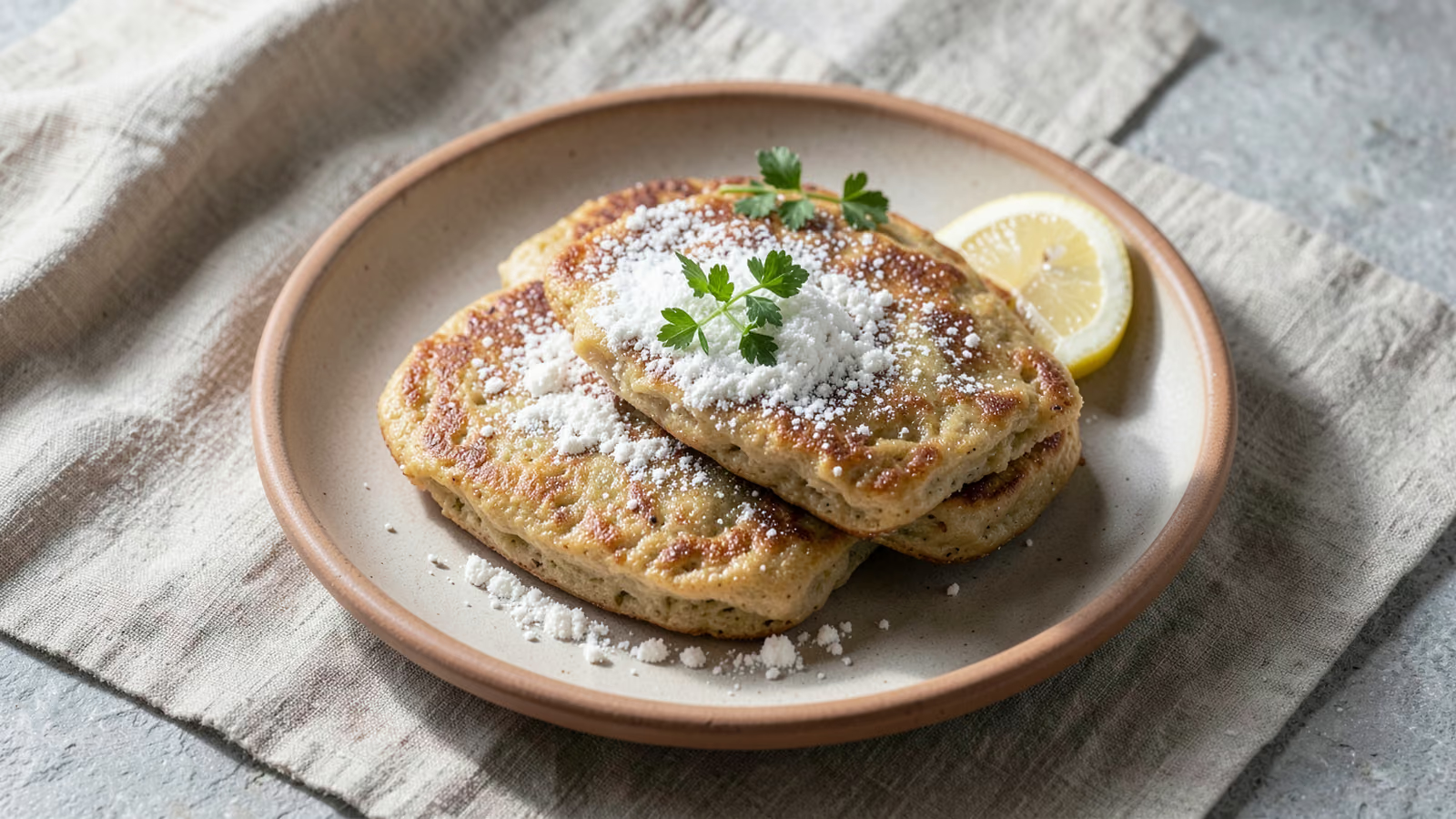
Heat a non-stick pan over medium heat with 1 tbsp neutral oil. Place 2–3 dough balls seam-side down, press each into a 10–12 cm disc with a greased spatula, and fry for 2–3 minutes until the base is golden.
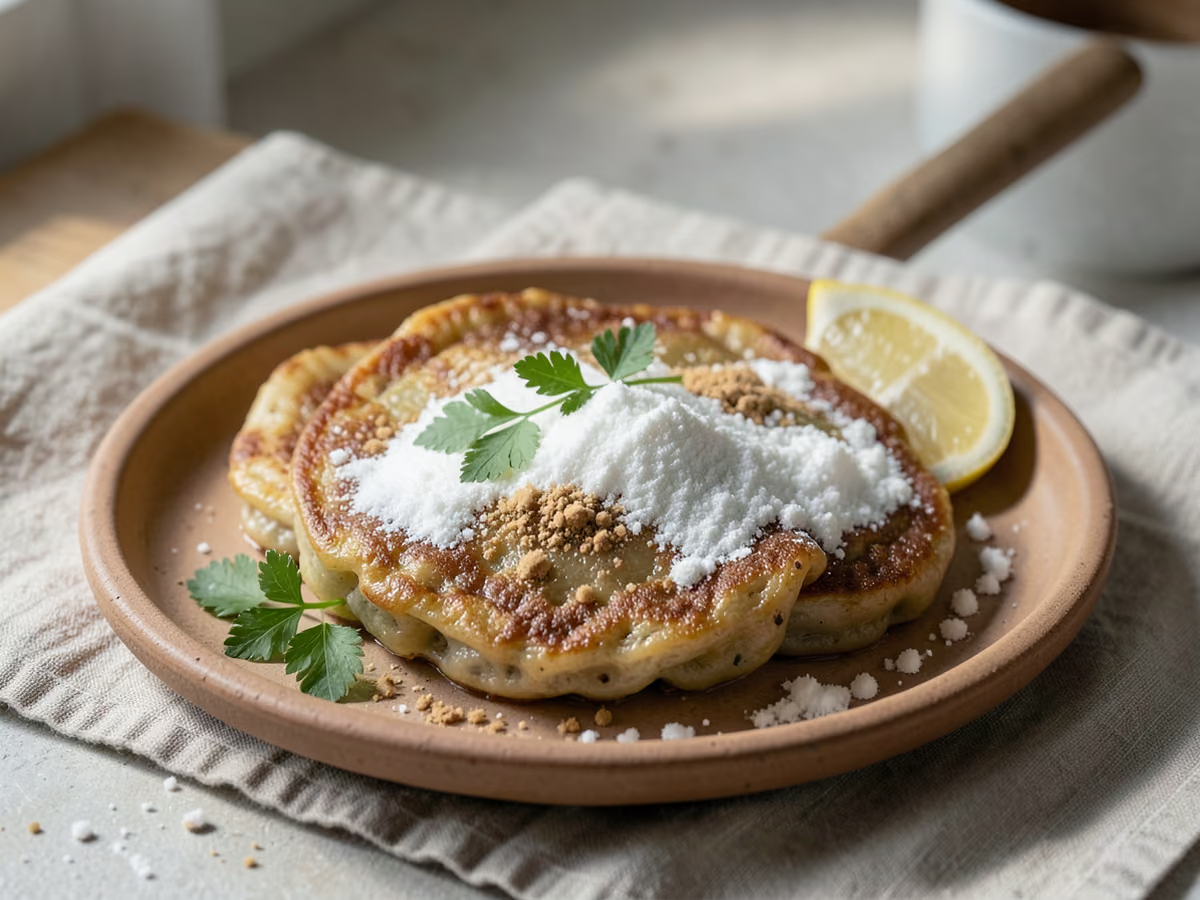
Flip the pancakes, press them flat again, and cook for 2 minutes more until both sides are deep golden and crisp. The sugar inside should be fully melted.
Transfer to a plate lined with paper towels and repeat with the remaining dough and filling, adding a little oil to the pan as needed. Serve hot.
Kitchen notes
Kitchen notes
- The most common mistake is under-sealing the dough: any gap lets the molten brown sugar leak out and burn on the pan. Pinch the seam firmly and place it seam-side down first.
- The 1 tbsp all-purpose flour in the filling is not optional if you want a syrupy center rather than a runny one; it thickens the sugar as it melts.
- Press the pancakes fairly thin (10-12 cm) so the dough cooks through before the outside burns; a thick pancake stays raw and pale in the middle.
- Keep the pan at medium heat. Too hot and the crust darkens before the filling melts; too low and the pancakes absorb oil and turn greasy.
Substitutions
- whole milk→oat milk or soy milk for a dairy-free version
- walnuts→sunflower seeds or omit entirely
- glutinous rice flour→the same weight of all-purpose flour (texture will be less chewy)
- brown sugar→dark muscovado sugar for a deeper molasses flavor
Storage & reheating
Cool leftover hotteok completely, then store in an airtight container in the fridge for up to 3 days or freeze for up to 1 month with parchment between layers. Reheat in a dry non-stick pan over medium heat for 2-3 minutes per side, or in a 160 C oven for 6-8 minutes, until the crust crisps and the filling loosens again. Avoid the microwave, which makes the crust rubbery.
FAQ
The questions we get asked most
Why did my hotteok filling leak out and burn?
The dough was not sealed tightly enough or the seam was placed face-up in the pan. Pinch the gathered edges firmly to close any gap, then always fry seam-side down first so the seal sets before you flip. A small tear from over-stretching the dough causes the same leak.
Why is my hotteok dough too sticky to handle?
The dough is meant to be soft and slightly sticky, but if it is unmanageable, chill it for 20 minutes and oil your hands instead of adding more flour. Adding too much flour makes the pancakes dense and bready rather than chewy. A lightly oiled spatula also helps when pressing the discs in the pan.
Can I make hotteok ahead of time?
Yes. You can mix the dough and let it rise overnight in the fridge, then bring it to room temperature for 30 minutes before shaping. You can also shape and fill the pancakes, refrigerate them on a tray for up to 8 hours, and fry them straight from the fridge, adding 1 minute to the cooking time.
How do I know when hotteok is cooked through?
The outside should be deep golden on both sides and the pancake should feel firm and puffy when pressed with a spatula. If you press the center and it gives way easily, it needs another minute. The sugar inside is fully melted when the pancake looks slightly inflated and glossy at the edges.
Can I use a different filling?
Yes. Replace the brown sugar mixture with mashed sweet red beans, Nutella-style hazelnut spread, or a mix of brown sugar and crushed peanuts. Keep the filling to about 1 tbsp per pancake and always add a little flour to any wet filling so it does not burst through the dough.
Why did my hotteok turn out hard and chewy instead of soft?
Over-kneading or using cold milk develops too much gluten. Use lukewarm milk, knead only until the dough comes together, and do not skip the rise. Glutinous rice flour also keeps the texture tender, so leaving it out makes the result noticeably tougher.
Can I freeze hotteok?
Yes, freeze cooked hotteok in a single layer, then transfer to a freezer bag for up to 1 month. Reheat from frozen in a 160 C oven for 10-12 minutes or in a covered non-stick pan over medium-low heat for 4-5 minutes per side. The crust will not be quite as crisp as fresh, but the filling returns to a syrup.
Ask KitchenMind about this recipe
Tell it what’s different tonight — it works within the actual recipe.