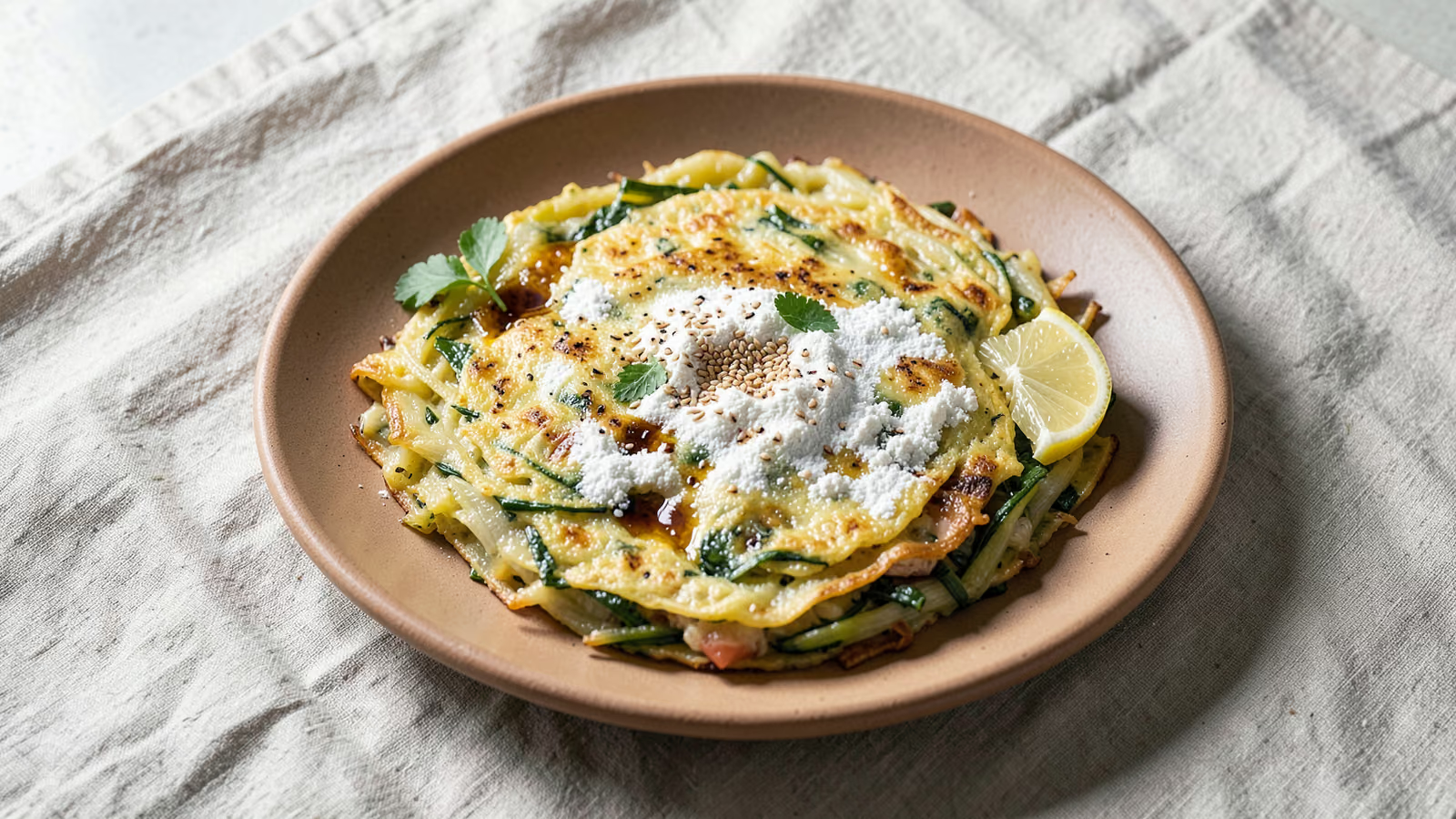
Pajeon Scallion Pancakes
Pajeon are Korean scallion pancakes with a crisp, lacy edge and a tender middle: a thin batter of 1 cup all-purpose flour, 0.25 cup rice flour, ice-cold water and 1 egg, barely holding 6 scallions together. Each pancake fries in a full 1.5 tbsp of oil and is served hot with a soy and rice vinegar dip. It is 15 minutes of prep and 20 minutes at the stove, and it is best the moment it comes out of the pan.
- Prep
- 15 min
- Cook
- 20 min
- Total
- 35 min
- Serves
- 4
Ingredients
What you’ll need — tap to tick off as you go
- 1 cup
- ¼ cups
- 1 cup
- 3 tbsp
- 2 tbsp
- 1 tbsp
- 1 tsp
- ½ tsp
- 1 tsp
Process
Timers built in · swap anything · ask as you cook
Whisk the 1 cup all-purpose flour and 0.25 cup rice flour together in a large bowl, pour in the 1 cup ice-cold water and whisk just until smooth. Add the 1 egg and mix until it disappears; the batter should be thin and pourable. Stop mixing the moment it comes together: lumps will smooth out in the pan, but overworked gluten will not.
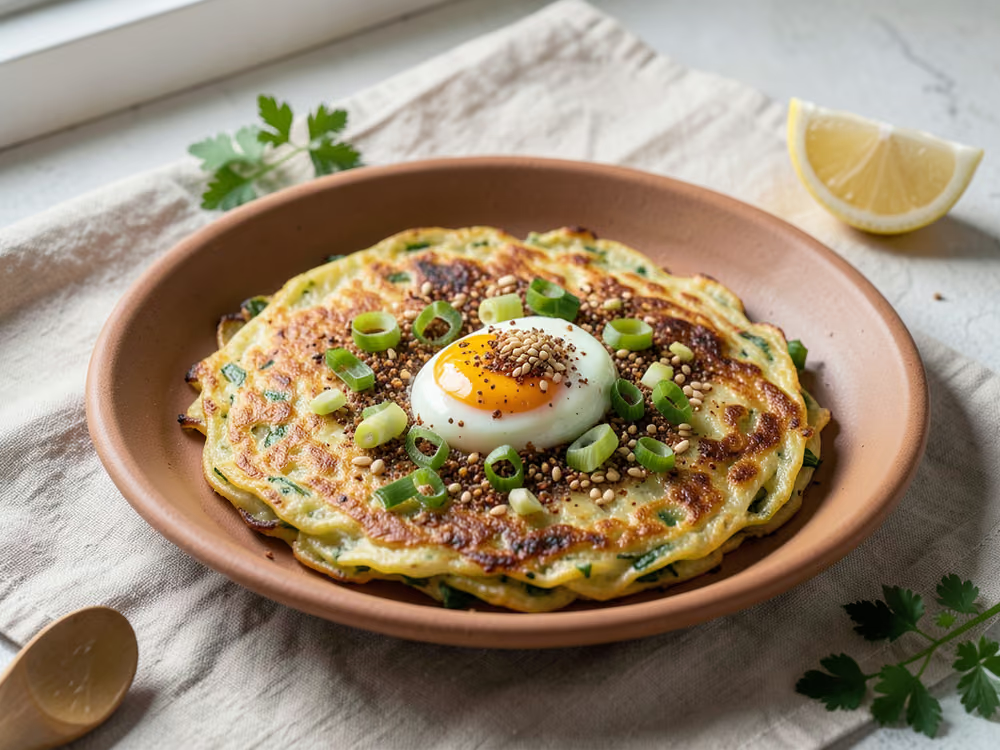
Add the 6 scallions, cut into 5 cm lengths, and fold just until every piece is coated. The batter will barely hold them together, and that is exactly right; folding rather than stirring also keeps it from tightening up.
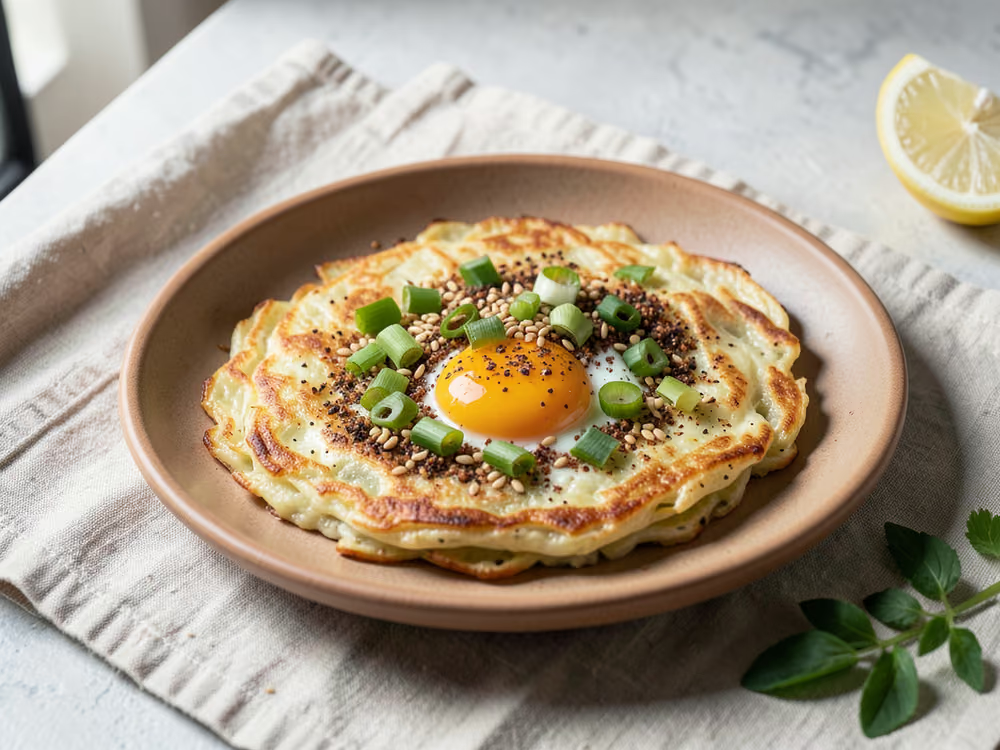
Heat 1.5 tbsp of the vegetable oil in a large nonstick skillet over medium-high until it shimmers and slides easily, then pour in half the batter and spread it with the back of a spoon into an even circle about 20 cm across. Work while the oil is hot, so the batter sets on contact.
Cook undisturbed for 3 to 4 minutes, until the underside is deep golden and the edges look lacy and crisp, then flip it, sliding it onto a plate and inverting or using a wide spatula, and cook for another 3 to 4 minutes, until the second side is golden and the centre feels firm when pressed. Do not move it early: the crust needs its full time to set or it tears.
Slide the finished pancake onto a plate and cook the second one: heat the remaining 1.5 tbsp oil until it shimmers, pour in the rest of the batter, spread it to another 20 cm round and cook exactly as before.
Stir the 2 tbsp soy sauce, 1 tbsp rice vinegar, 1 tsp sesame oil and 0.5 tsp gochugaru, if using, together in a small bowl. The dip should taste salty, sharp and faintly nutty; add a few more drops of vinegar if your soy sauce is on the sweet side.
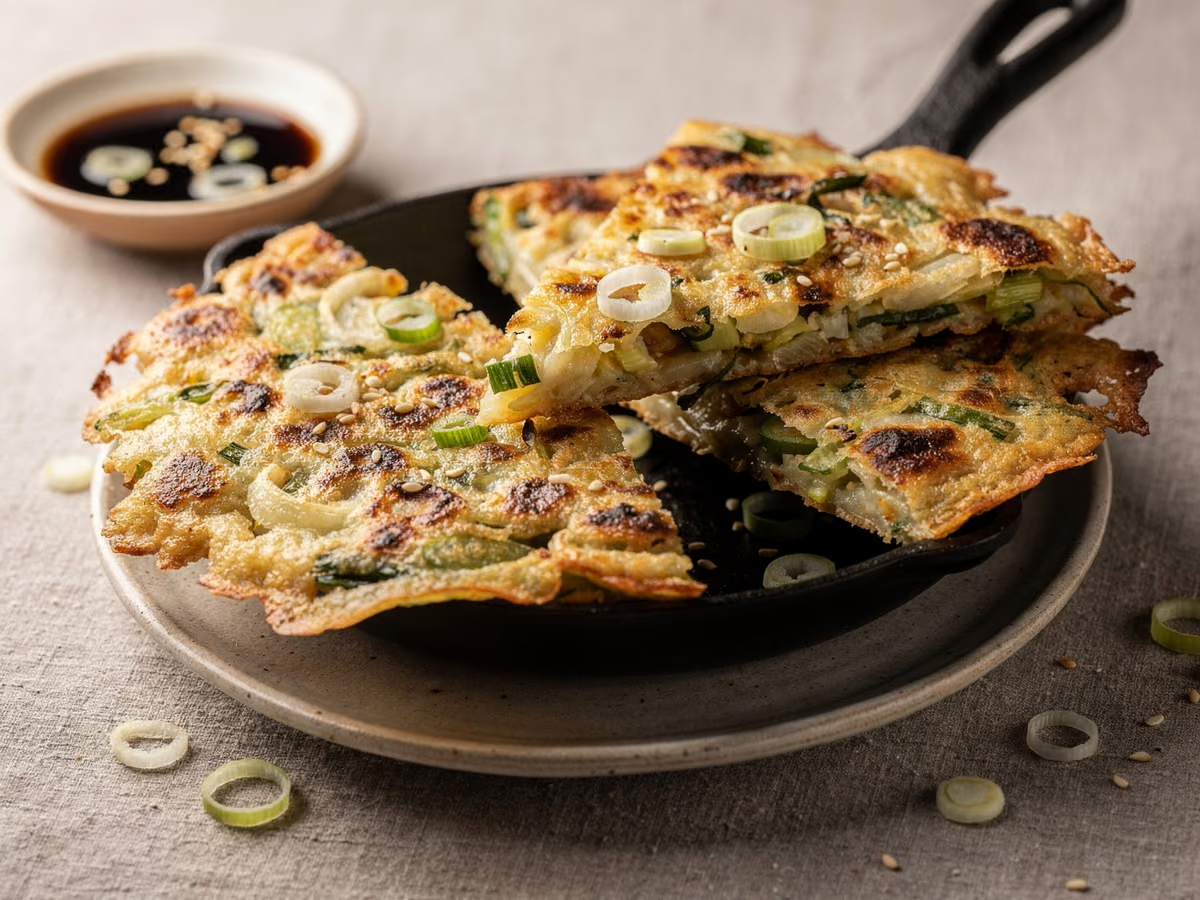
Cut each pancake into wedges, scatter over the 1 tsp toasted sesame seeds if you have them, and serve immediately with the dipping sauce. Pajeon is at its best in the first few minutes, while the crust is still brittle; it softens as it cools, so do not wait for everyone to sit down.
Why this recipe works
Crispness here comes from restraint and temperature. The batter gets only a few strokes: every extra stir develops gluten, and gluten makes the pancake tough and bready rather than crisp. Ice-cold water keeps the batter slack so it spreads thin and sets fast in the pan, and the 0.25 cup of rice flour has no gluten of its own, so it breaks up the wheat flour's network and leaves the edges brittle and lacy. A full 1.5 tbsp of oil per pancake makes this a shallow fry rather than a dry sear, and the pancake is left undisturbed for the first 3 to 4 minutes so the crust sets before it is turned.
Equipment
- Large nonstick skillet, about 26 cm, or a well-seasoned cast-iron pan
- Wide flexible spatula or flat turner for flipping
- Large mixing bowl
- Whisk
- Measuring cups and spoons
- Small bowl for the dipping sauce
- Plate lined with paper towels
Kitchen notes
Kitchen notes
- Keep the batter cold while you fry: park the bowl in the fridge between pancakes and stir it once before pouring. Warm batter thickens and spreads heavily, and it steams instead of crisping.
- After the flip, press the pancake gently with the spatula for a few seconds. It evens the browning and pushes steam out through the top, which keeps the crust crisp instead of softening from inside.
- Make two modest pancakes rather than one large one. A 20 cm pancake in a 26 cm pan leaves room for the oil to circulate; a pan-filling pancake goes limp in the middle.
- Rest the finished pancake on a wire rack rather than a plate if it has to wait a minute. Trapped steam underneath is the fastest way to lose the crisp edge.
- Taste a small piece of the first pancake's edge before you cook the second. It tells you whether the batter wants a pinch more salt or the pan was a touch too cool, while you can still adjust.
Common mistakes
- Soggy, soft pancakes: warm water, a batter that was overmixed, or too little oil in the pan. Use the 1 cup of ice-cold water, stir only until the flour disappears, and keep the full 1.5 tbsp of oil per pancake.
- The pancake tore or broke on the flip: it was turned too early, before the crust had set. Leave it for the full 3 to 4 minutes on the first side and shake the pan first; if the pancake slides freely, it is ready.
- Tough and bready rather than crisp: the batter was stirred like cake mix, which built gluten. Mix it as if you are barely combining anything; lumps are fine and will cook out in the hot oil.
- Burnt outside, raw inside: the pan was too hot or the pancake was poured too thick. Keep the heat at medium-high, spread the batter thin to about 20 cm, and turn the heat down a notch if the edges blacken before the centre firms.
- Pale, flabby pancake with no crisp edge: the oil never got hot enough to shimmer, or the pan was crowded. One pancake at a time in a 26 cm pan, with the full 1.5 tbsp of oil, gives the crust the direct contact it needs.
Serving suggestions
- Serve hot from the pan, cut into wedges, with the dipping sauce in small bowls; as a starter or side, the recipe portions it for 4.
- A bowl of steamed rice and a few small side dishes turn it into a full weeknight dinner; the pancake is the rich part, so keep the rest of the plate light.
- Barley tea, jasmine tea or chilled sparkling water alongside gives something clean to cut the fried crust.
- Eat it while it is hot and crisp: pajeon softens as it sits, so serve the wedges as soon as each pancake comes off the pan rather than holding both back.
Variations
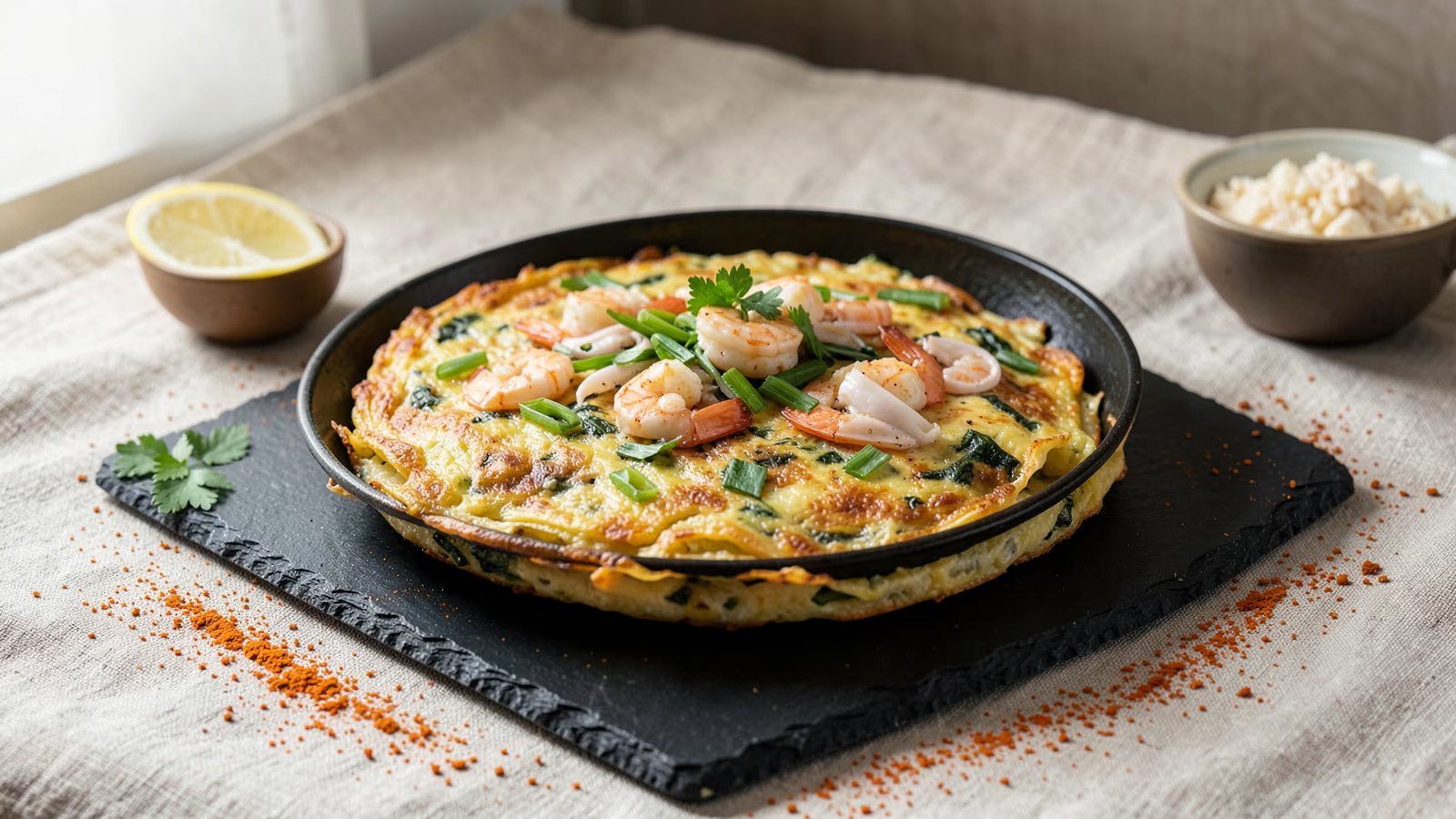
- Haemul pajeon, a different classic: fold in about 1 cup of finely chopped raw shrimp and squid with the scallions, and give the pancake 1 extra minute per side.
- Kimchi pajeon: add 1 cup of chopped, drained kimchi with the scallions. The batter takes on its tang and the edges colour faster, so watch the heat.
- Gluten-free version, a different pancake: use a 1:1 gluten-free blend in place of the all-purpose flour, the same 1 cup. It is more fragile to flip and slightly less crisp, but it covers the same craving.
Refrigerator
- RefrigeratorCool leftovers within 2 hours, then store them in an airtight container in the fridge for up to 3 days. Keep the pancakes in a single layer, or with parchment between them, so they do not fuse together.
- ReheatingReheat on a rack in a 190°C oven for 8 to 10 minutes, which brings the crust back, or in a skillet over medium heat for 2 to 3 minutes per side. Avoid the microwave: it steams the pancake and any crispness is gone.
- FreezingUp to 2 months. Freeze cooled pancakes in a single layer on a tray until solid, then transfer them to a freezer bag with parchment between them; reheat from frozen in the 190°C oven, adding 2 minutes.
- Make aheadThe batter, without the scallions, can be mixed up to 4 hours ahead and kept covered in the fridge. Stir it well before using and add a tablespoon of cold water if it has thickened; fold the scallions in just before cooking so they stay crisp and green.
Updated:
How this recipe was developed
- Epicurious, pajeon by Hooni Kim (keep the batter very cold and the pan very hot with plenty of oil, and do not over-whisk or the gluten toughens the pancake)
- SBS Food, squid and prawn pajeon (blending rice flour with wheat flour is what gives pajeon its crisp texture)
- King Arthur Baking, pajeon (thin, crepe-like batter loaded with scallions, 3 to 4 minutes per side, serve immediately)
- USDA FSIS leftovers guidance (refrigerate within 2 hours; 3 to 4 days in the fridge)
Editorial references are kept internally for verification. This page makes no claim of external certification or professional testing.
Gallery
FAQ
The questions we get asked most
Why did my pajeon turn out soggy instead of crispy?
Almost always the water or the oil: a warm batter, too little oil, or a pan that was not hot enough. Use the 1 cup of ice-cold water and the full 1.5 tbsp of oil per pancake, cook over medium-high heat, and do not crowd the pan. One pancake at a time is not a suggestion.
Can I make the batter ahead of time?
Yes, up to 4 hours ahead without the scallions, covered in the fridge. Stir it well before using and loosen it with a tablespoon of cold water if it has thickened; fold the scallions in at the last minute.
How do I know when the pancake is done?
Both sides should be deep golden with crisp, lacy edges, and the centre should feel firm rather than springy when pressed with the spatula, about 6 to 8 minutes of cooking per pancake in total. If it is browning faster than that, lower the heat.
Can I use frozen scallions?
Yes, in a pinch: thaw them and pat them thoroughly dry before folding them in, because extra water is the enemy of a crisp pancake. Expect a slightly softer texture than fresh scallions give.
Is pajeon gluten-free?
Not as written, since all-purpose flour is wheat. For a gluten-free version, use a 1:1 gluten-free blend in place of the 1 cup of flour; the pancake is a little more fragile and less crisp, and rice flour alone will not work because it lacks the structure.
Can I add other vegetables or proteins?
Yes. Thinly sliced carrots, onion or drained kimchi all work, and cooked shrimp or squid can go in finely chopped; keep the total add-ins to about 1 cup so the pancake stays light rather than heavy and doughy.
Which pan is best for pajeon?
A heavy nonstick skillet or a well-seasoned cast-iron pan holds the steady heat a thin pancake needs. Stainless steel works if it is properly preheated and the oil shimmers before the batter goes in, but expect a little more sticking.
Ask KitchenMind about this recipe
Tell it what’s different tonight — it works within the actual recipe.