- Prep
- 10 min
- Cook
- 10 min
- Total
- 20 min
- Serves
- 2
Ingredients
What you’ll need — tap to tick off as you go
- 200 g
- 120 g
- 30 g
- 150 ml
- 1 tbsp
- 1 tsp
- 1 tsp
- 3 tbsp
- 1 tsp
Process
Timers built in · swap anything · ask as you cook
Chop 200 g well-fermented kimchi into bite-size pieces and reserve 3 tbsp of the kimchi juice.
In a large bowl, whisk 120 g all-purpose flour, 30 g potato starch, 1 tsp sugar, and 1 tsp soy sauce with 150 ml ice-cold water and 1 egg until just smooth; stir in 1 tbsp gochujang if using.
Fold the chopped kimchi and its 3 tbsp juice into the batter; the mixture should be thick but pourable, like heavy cream.
Heat 2 tbsp neutral oil in a 24 cm non-stick or cast-iron pan over medium-high heat until shimmering.
Pour in the batter and spread it into an even 1 cm thick round with the back of a spoon.
Cook undisturbed for 3 to 4 minutes, until the edges are deep golden and the underside releases easily.
Drizzle the remaining 1 tbsp neutral oil around the edge, flip the pancake with a wide spatula, and press it down lightly.
Cook for 3 to 4 minutes more, until both sides are crisp and the center is set, then slide onto a cutting board.
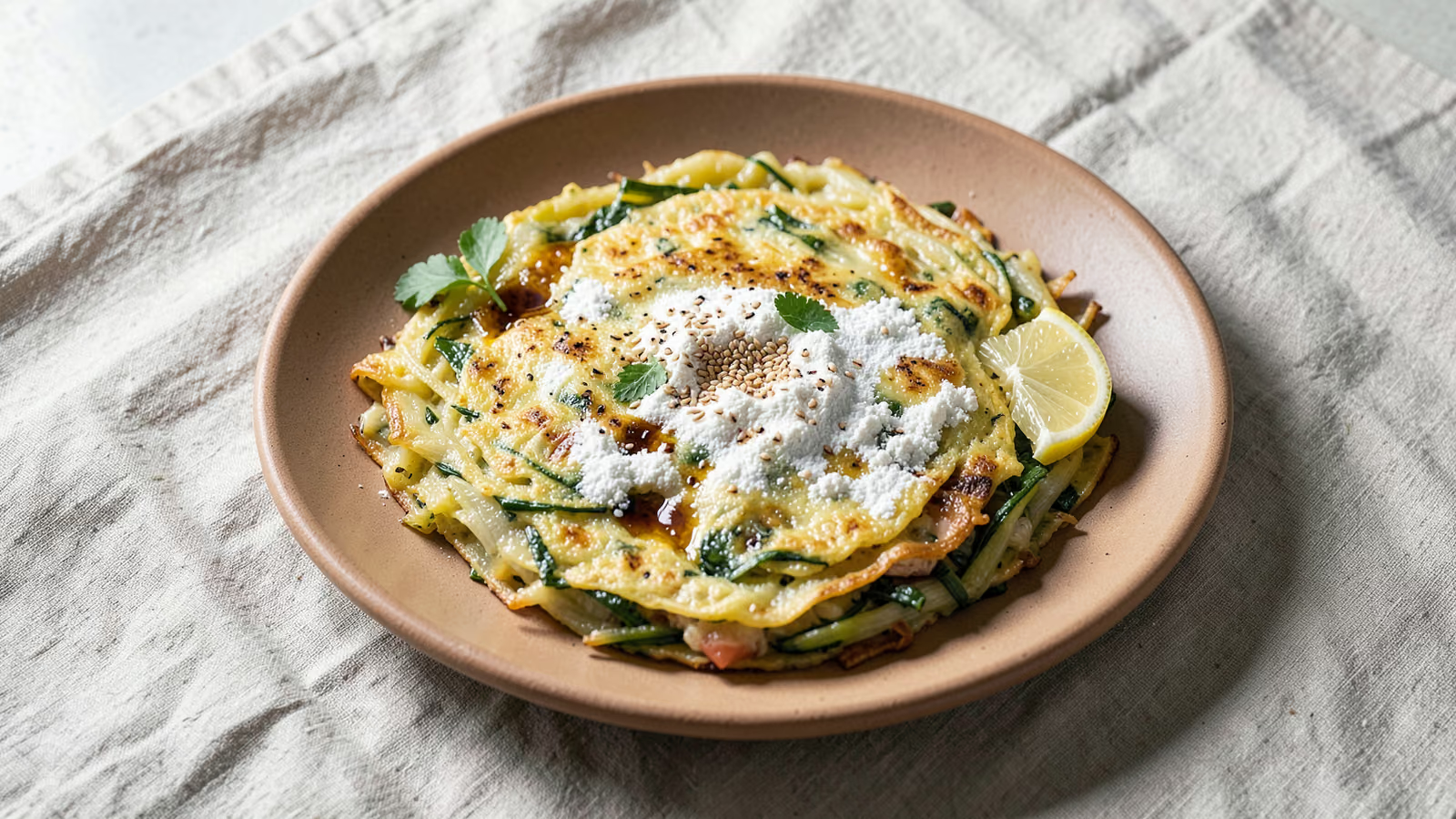
Scatter sliced scallions and 1 tsp toasted sesame seeds on top, cut into wedges, and serve hot.
Kitchen notes
Kitchen notes
- The most common mistake is using fresh, under-fermented kimchi: it tastes flat and releases too little juice. Use kimchi that is at least 2 to 3 weeks old and slightly sour, and add its juice to the batter for color and tang.
- Do not overmix the batter once the flour hits the water; a few small lumps are fine. Overmixing develops gluten and makes the pancake tough instead of lacy and crisp.
- The pan must be properly hot before the batter goes in. If the pancake sizzles loudly on contact and the edges set within 30 seconds, the heat is right; if it sits quietly, wait another minute.
- Flip only once and resist pressing the pancake repeatedly. Each press squeezes out steam and oil, and the crust turns soft rather than crunchy.
- For a thinner, crispier pancake, spread the batter to about 0.5 cm and use a 28 cm pan; for a thicker, chewier version, keep it to 1 cm in a 24 cm pan.
Substitutions
- all-purpose flour→rice flour for a gluten-free pancake (texture will be slightly more brittle)
- potato starch→cornstarch
- gochujang→1 tsp gochugaru (Korean red pepper flakes) mixed into the batter
- neutral oil→any high-smoke-point oil such as grapeseed or avocado oil
- scallions→thinly sliced onion or chives
Storage & reheating
Cool leftovers completely, then store in an airtight container in the fridge for up to 3 days. To reheat, place the pancake in a dry non-stick pan over medium heat for 2 to 3 minutes per side, or in a 200°C oven on a wire rack for 5 to 6 minutes; avoid the microwave, which makes it rubbery. Freeze cooked wedges between sheets of parchment in a zip-top bag for up to 1 month and reheat directly from frozen in a hot pan.
FAQ
The questions we get asked most
Why is my kimchi pancake soggy instead of crispy?
Sogginess almost always comes from too much liquid in the batter or a pan that is not hot enough. Drain the kimchi lightly if it is very wet, but keep the 3 tbsp juice for flavor, and make sure the oil shimmers before pouring the batter. Also spread the batter no thicker than 1 cm so the steam can escape.
Can I use fresh kimchi instead of aged kimchi?
You can, but the pancake will taste milder and less tangy. Fresh kimchi has less juice and less acidity, so add an extra 1 tsp soy sauce and a squeeze of the kimchi juice if available. For the classic flavor, use kimchi that has fermented for at least 2 to 3 weeks.
How do I know when the pancake is done?
The edges should be deep golden brown and pull away from the pan, and the center should feel firm when pressed with a spatula. If the center still looks wet or pale, give it another minute on medium heat. A properly cooked pancake sounds hollow when tapped.
Can I make the batter ahead of time?
Yes, you can mix the batter up to 4 hours ahead and keep it covered in the fridge. Stir it well before cooking because the flour will settle. For best texture, cook it the same day; after 24 hours the batter darkens and the pancake turns slightly denser.
Can I freeze leftover kimchi pancake?
Yes. Cut it into wedges, layer them with parchment paper in a zip-top bag, and freeze for up to 1 month. Reheat straight from frozen in a dry non-stick pan over medium heat for 3 to 4 minutes per side, or in a 200°C oven for 8 to 10 minutes.
What do I serve with kimchijeon?
A simple dipping sauce of 1 tbsp soy sauce, 1 tsp rice vinegar, and a pinch of sugar is traditional. It also pairs well with steamed rice, a bowl of light soup, or as an appetizer before a Korean meal. Serve it hot, as it loses its crispness as it cools.
Can I add other vegetables or protein to the batter?
Yes. Thinly sliced onion, carrot, or zucchini can be folded in with the kimchi. For protein, add about 100 g of chopped cooked shrimp or thinly sliced chicken, but cook the pancake 1 to 2 minutes longer per side to ensure it sets.
Ask KitchenMind about this recipe
Tell it what’s different tonight — it works within the actual recipe.