- Prep
- 25 min
- Cook
- 55 min
- Total
- 80 min
- Serves
- 10
Ingredients
What you’ll need — tap to tick off as you go
- 180 g
- 70 g
- 500 g
- 140 g
- 12 g
- 120 g
- 100 ml
- 10 g
- 1 tsp
- 1 pinch
Process
Timers built in · swap anything · ask as you cook
Preheat the oven to 160°C. Line the base of a 20 cm springform tin with baking paper and lightly grease the sides.
Crush the digestive biscuits to fine crumbs, mix with the melted unsalted butter and the pinch of salt, then press firmly into the base of the tin. Bake for 10 minutes, then set aside while you make the filling.
In a large bowl, beat the cream cheese and caster sugar with an electric mixer on low speed until completely smooth, about 2 minutes. Scrape down the bowl.
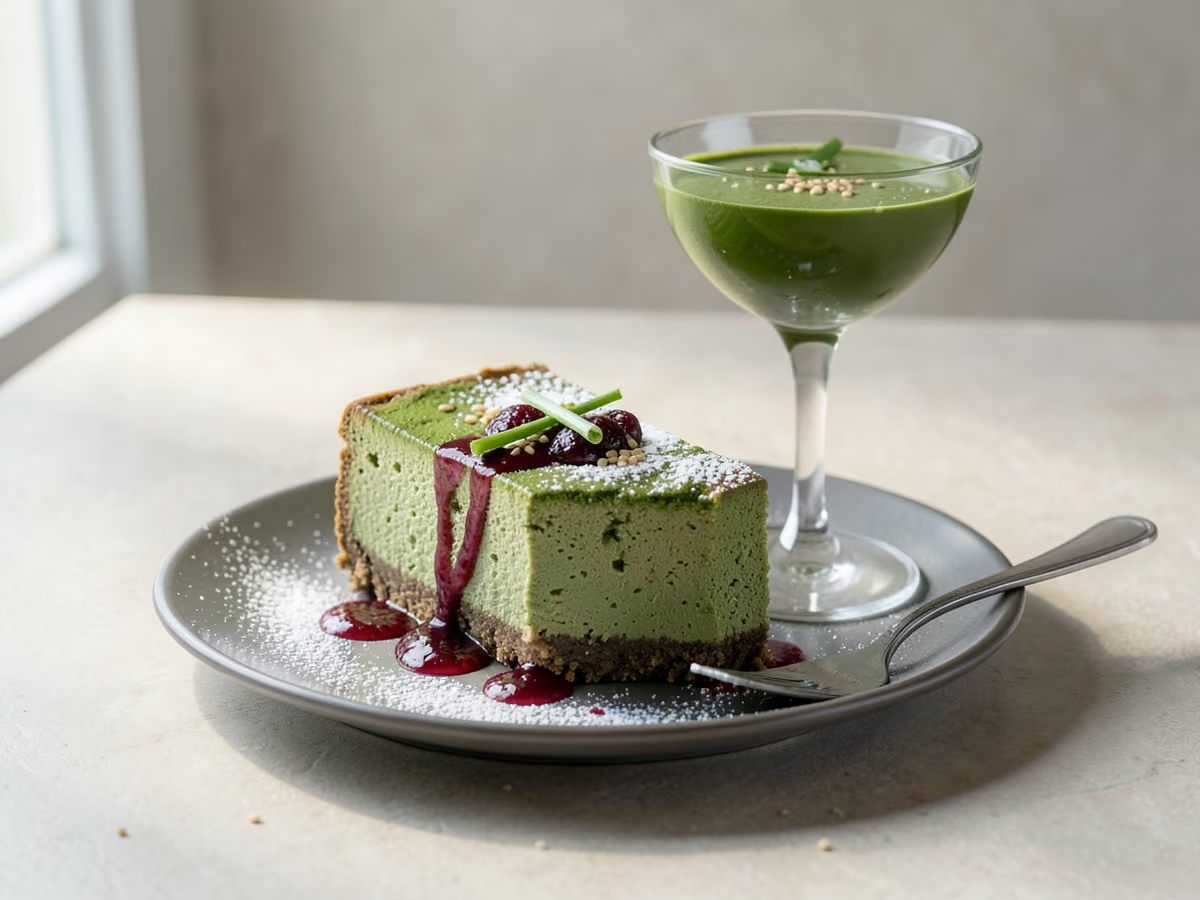
Sift the matcha powder and cornstarch together, then beat them into the cream cheese mixture until evenly green with no streaks.
Add the eggs one at a time, beating on low speed just until each is incorporated. Beat in the plain yogurt, double cream and vanilla extract until the batter is glossy and pourable.
Pour the filling over the biscuit base and smooth the top. Tap the tin gently on the counter a few times to release large air bubbles.
Bake at 160°C for 45 to 55 minutes, until the edges are set but the centre still wobbles slightly when you nudge the tin.
Turn the oven off, crack the door open and leave the cheesecake inside for 1 hour. This gradual cooling prevents the top from cracking.
Remove from the oven, run a thin knife around the edge, and cool to room temperature. Chill in the fridge for at least 6 hours or overnight before slicing.
Kitchen notes
Kitchen notes
- The most common mistake is overbeating after the eggs go in. Beat on low speed only until each egg disappears, or the batter traps air and the cheesecake puffs then cracks.
- Matcha clumps badly. Always sift it with the cornstarch before adding, otherwise you get bitter green specks in the finished cake.
- The centre should still wobble like set jelly when you pull it out. It finishes cooking as it cools in the residual oven heat; a fully firm centre at this stage means an overcooked, dry cheesecake.
- All dairy and eggs must be at room temperature. Cold ingredients seize and create a lumpy batter that never smooths out.
Substitutions
- digestive biscuits→graham crackers or speculoos biscuits
- plain yogurt→sour cream
- double cream→full-fat coconut cream for a dairy-free version
- caster sugar→granulated sugar blitzed briefly in a blender
Storage & reheating
Store the cheesecake in an airtight container or tightly wrapped in the tin in the fridge for up to 5 days. For longer storage, slice and freeze individual portions wrapped in cling film and foil for up to 2 months; thaw overnight in the fridge. Serve cold straight from the fridge, or let slices sit at room temperature for 10 minutes for a softer texture. Do not reheat.
FAQ
The questions we get asked most
Why did my matcha cheesecake turn out bitter?
Too much matcha or low-grade matcha makes it bitter. Use 12 g of culinary-grade matcha for a 20 cm cake and sift it with the cornstarch so it disperses evenly. If your matcha is very strong, reduce to 8 g and taste the batter before baking.
Why did my cheesecake crack on top?
Cracks come from overbeating the batter after the eggs are added or from cooling too fast. Beat on low speed just until each egg is incorporated, and always cool the cake in the switched-off oven with the door ajar for 1 hour before moving it to the fridge.
Can I make matcha cheesecake ahead of time?
Yes, it is ideal made a day ahead. Bake it, cool it completely, then chill it overnight in the fridge; the flavour deepens and the texture firms up. Add any topping just before serving so it stays crisp.
How do I know when the cheesecake is done baking?
The edges should look set and slightly puffed, while the centre still wobbles gently when you nudge the tin. It should not be liquid, but it should not be completely firm either. It finishes setting as it cools in the residual oven heat.
Can I use a water bath for this cheesecake?
A water bath is not necessary here because the low 160°C oven and slow cooling prevent cracking. If you want extra insurance, wrap the tin in foil and set it in a roasting pan with 2 cm of hot water, then bake as directed.
Can I freeze matcha cheesecake?
Yes, it freezes well. Wrap individual slices tightly in cling film and foil, then freeze for up to 2 months. Thaw overnight in the fridge; the texture stays creamy, though the crust softens slightly.
Can I use a different pan size?
A 20 cm springform tin gives the best height and baking time. If you use a 23 cm tin, reduce the baking time by about 10 minutes and check for the wobble at 35 minutes. Avoid a loose-bottom tin that is not springform, as the batter can leak.
Ask KitchenMind about this recipe
Tell it what’s different tonight — it works within the actual recipe.