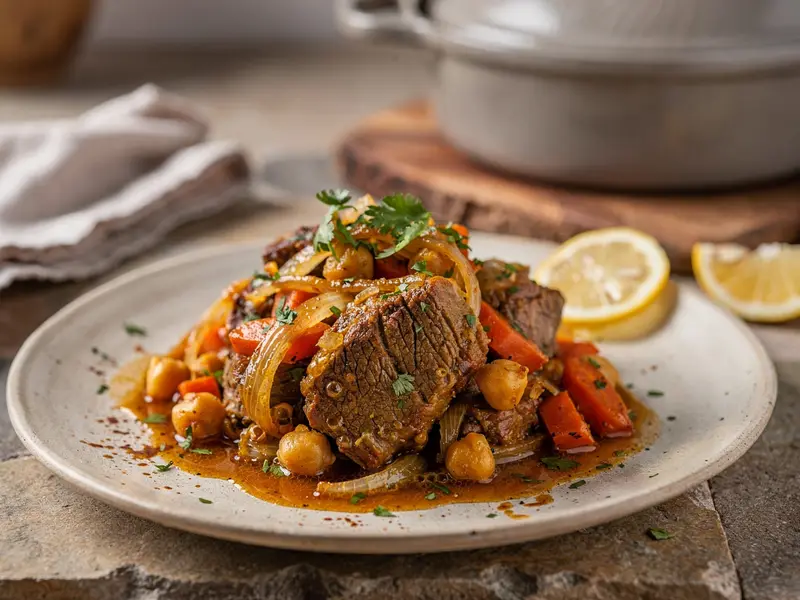
Moroccan Harira Soup
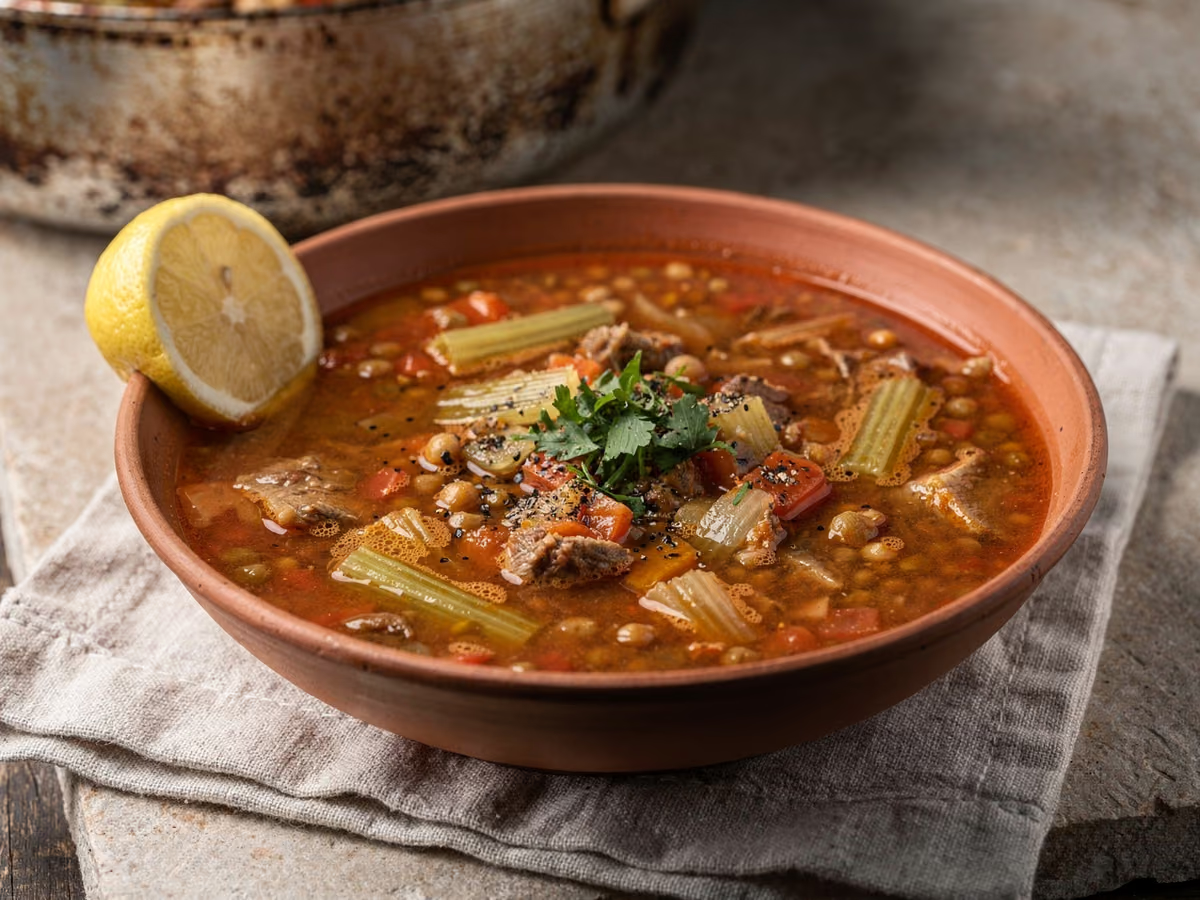
Lamb shoulder, ginger, turmeric and cinnamon simmer with chickpeas and lentils until the kitchen smells like Morocco. 90 minutes of cooking, 20 minutes of prep, feeds 6.
- Prep
- 20 min
- Cook
- 90 min
- Total
- 110 min
- Serves
- 6
Ingredients
What you’ll need — tap to tick off as you go
- 300 g
- 2 tbsp
- 1 tsp
- ½ tsp
- ½ tsp
- ¼ tsp
- 400 g
- 1 ½ l
- 150 g
- 100 g
- 1 ½ tsp
- 30 g
- 20 g
- 2 tbsp
Process
Timers built in · swap anything · ask as you cook
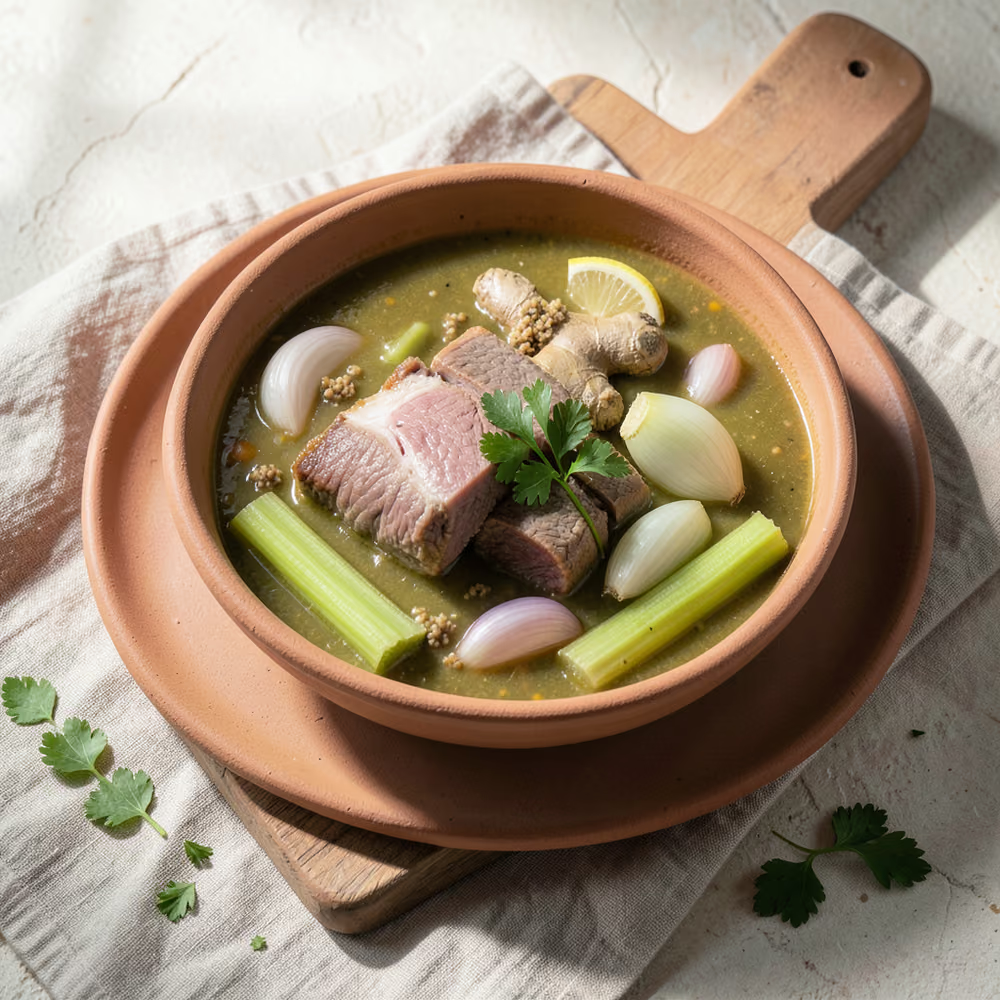
In a large pot, heat the olive oil over medium heat. Add the lamb cubes and brown on all sides for about 5 minutes.
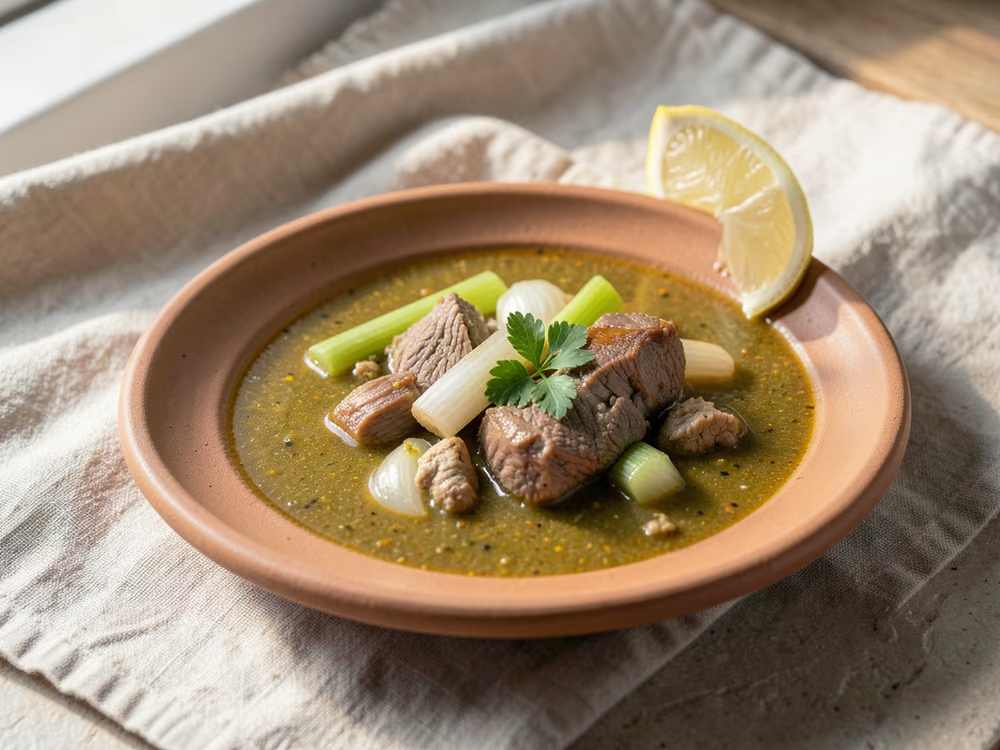
Add the chopped onion and celery stalks. Cook until softened, about 3 minutes.
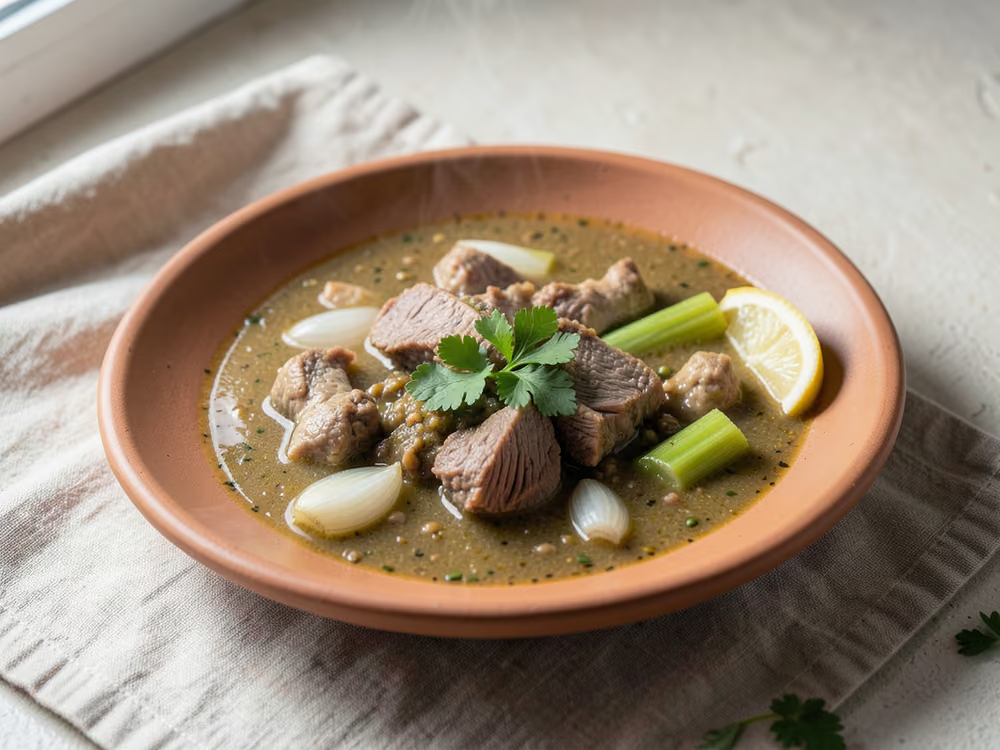
Stir in the ground ginger, ground black pepper, ground turmeric, and ground cinnamon. Cook for 1 minute until fragrant.
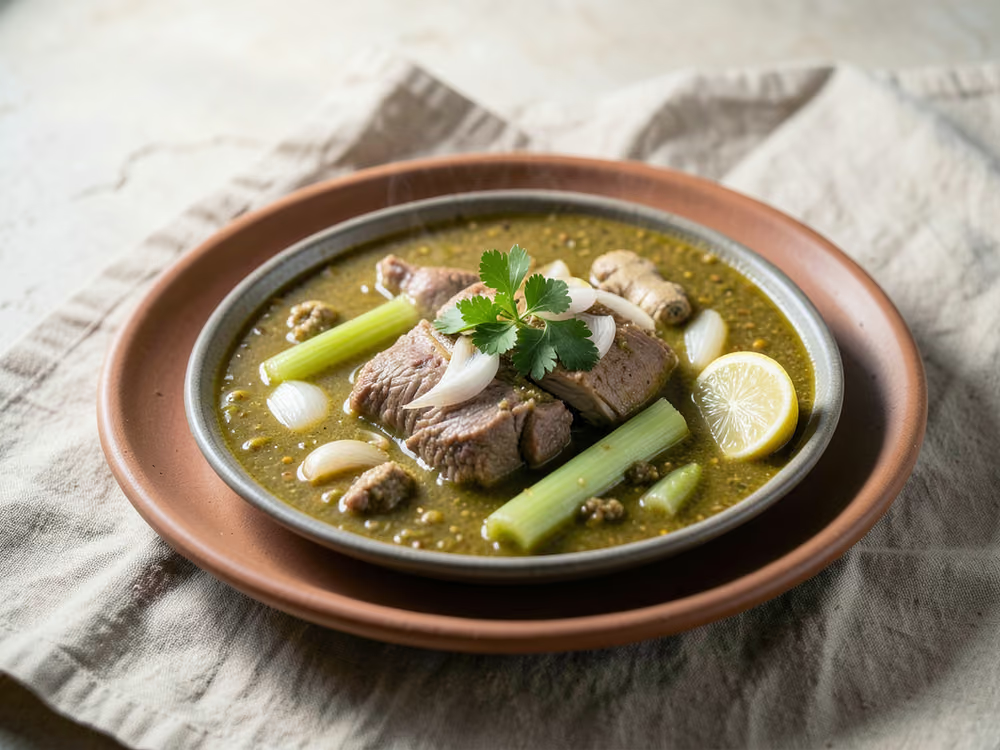
Add the canned crushed tomatoes and water. Bring to a boil, then reduce heat to low, cover, and simmer for 30 minutes.
Add the soaked and drained chickpeas and the rinsed brown lentils. Stir well. Continue to simmer, covered, for another 30 minutes, or until the chickpeas and lentils are tender.
Season with salt to taste. Stir in the chopped cilantro and parsley.
Gradually pour in the flour-water slurry while stirring constantly. Simmer for 5 more minutes until the soup thickens slightly.
Serve hot with lemon wedges on the side for squeezing over each bowl.
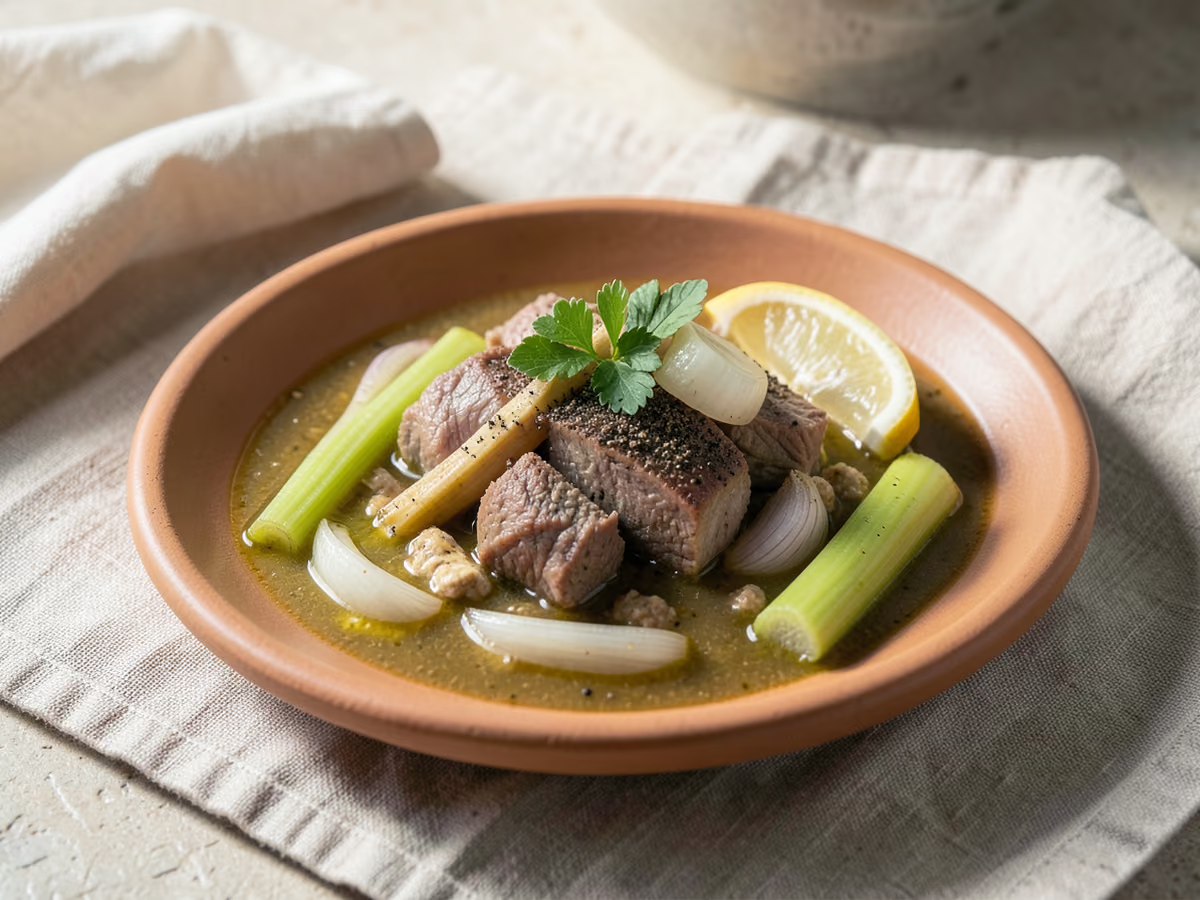
Kitchen notes
Kitchen notes
- Do not skip soaking the dried chickpeas: soak them in plenty of cold water for at least 8 hours or overnight, then drain and rinse. Unsoaked chickpeas will stay hard even after 30 minutes of simmering and can make the soup gritty.
- Brown the lamb in batches if your pot is crowded; if you pile the meat in, it will steam and turn grey instead of developing the deep browned flavor that makes the broth rich.
- Add the flour slurry only after the chickpeas and lentils are fully tender. If you thicken the soup before they are done, the flour can settle and scorch on the bottom of the pot, and the legumes will never soften properly.
- The soup is done when the chickpeas crush easily between your fingers and the lentils have broken down slightly. If they are still firm after 30 minutes, continue simmering in 5-minute increments, adding a splash of hot water if the soup looks too thick.
Substitutions
- lamb-shoulder→beef chuck or stewing beef, cut into 2 cm cubes
- dried-chickpeas→canned chickpeas, drained and rinsed (use about 400 g; add them in the last 10 minutes of simmering so they do not turn mushy)
- brown-lentils→green lentils (they hold their shape similarly; avoid red lentils, which break down completely and make the soup thicker and less distinct)
- all-purpose-flour→cornstarch mixed with cold water (use 1 tbsp cornstarch for the same thickening effect; add it the same way, stirring constantly)
Storage & reheating
Cool the soup to room temperature within 2 hours, then store it in an airtight container in the refrigerator for up to 4 days. For freezing, portion into freezer-safe containers, leaving 2 cm of headspace, and freeze for up to 3 months; thaw overnight in the refrigerator. Reheat gently on the stovetop over medium-low heat, stirring often, until it reaches 75°C (165°F); if the soup has thickened too much, stir in a splash of water or stock. Do not boil hard after reheating, as the lentils can break apart further.
Gallery
FAQ
The questions we get asked most
Why did my harira turn out thick and gluey?
The most common cause is adding the flour slurry too early or using too much flour. The recipe calls for 2 tbsp of flour mixed with water, added only after the chickpeas and lentils are tender. If you add it before, the flour coats the legumes and prevents them from softening, and the soup becomes pasty. Stick to the order in the steps and whisk the slurry in gradually.
Can I use canned chickpeas instead of dried?
Yes. Use about 400 g of canned chickpeas, drained and rinsed. Because they are already cooked, add them in the last 10 minutes of simmering, after the lentils are tender, so they heat through without turning mushy. The soup will still be hearty, though the broth may be slightly less cloudy than with dried chickpeas.
How do I know when the chickpeas and lentils are fully cooked?
Scoop out a chickpea and press it between your fingers; it should crush easily with no hard center. The lentils should be soft but still hold their shape. If they are still firm after the full 30 minutes of simmering, continue cooking in 5-minute increments, adding a little hot water if the soup reduces too much.
Can I make harira ahead of time?
Yes, harira tastes even better the next day as the flavors meld. Cook it completely, cool it quickly, and refrigerate for up to 4 days. Reheat gently on the stovetop, stirring often, and add a squeeze of fresh lemon and a sprinkle of chopped herbs just before serving to brighten the flavor.
Why is my harira dry or lacking flavor?
Dryness usually means the soup simmered uncovered for too long or too much liquid evaporated. Keep the pot covered during simmering and add hot water if needed to maintain a soupy consistency. For flavor, make sure you brown the lamb properly and toast the spices for a full minute before adding liquid; also season with salt only after the legumes are tender, as early salting can toughen them.
Can I freeze harira, and how do I reheat it?
Yes, freeze it in airtight containers for up to 3 months. Thaw overnight in the refrigerator, then reheat on the stovetop over medium-low heat until it reaches 75°C (165°F), stirring occasionally. If the texture seems thick after thawing, add a splash of water or stock. Avoid microwaving on high, which can cause uneven heating and splattering.
Ask KitchenMind about this recipe
Tell it what’s different tonight — it works within the actual recipe.