Avgolemono Chicken Soup
Avgolemono is Greece's egg-and-lemon soup: chicken broth thickened by nothing more than beaten eggs and lemon juice, stirred in at the last minute to turn silky rather than scrambled. This version carries tender chicken thighs and rice over a base of softened onion and carrot, so the bowl is rich but bright. The chicken simmers for 15 minutes and the rice needs 15 more; the only stage that asks for your full attention is the final 3 minutes of tempering the eggs.
- Prep
- 15 min
- Cook
- 45 min
- Total
- 60 min
- Serves
- 6
Ingredients
What you’ll need — tap to tick off as you go
- 500 g
- 1 ½ l
- 100 g
- 1 tbsp
- 1 tsp
- ½ tsp
- 2 tbsp
Process
Timers built in · swap anything · ask as you cook
Heat 1 tbsp olive oil in a large pot over medium heat, add the finely chopped onion and diced carrot, and cook for about 5 minutes, stirring now and then, until both are soft and glossy but not browned. Sweating rather than browning keeps the broth clean-tasting and builds the sweet base the lemon will sit on; colour here gives the finished soup a bitter background note.
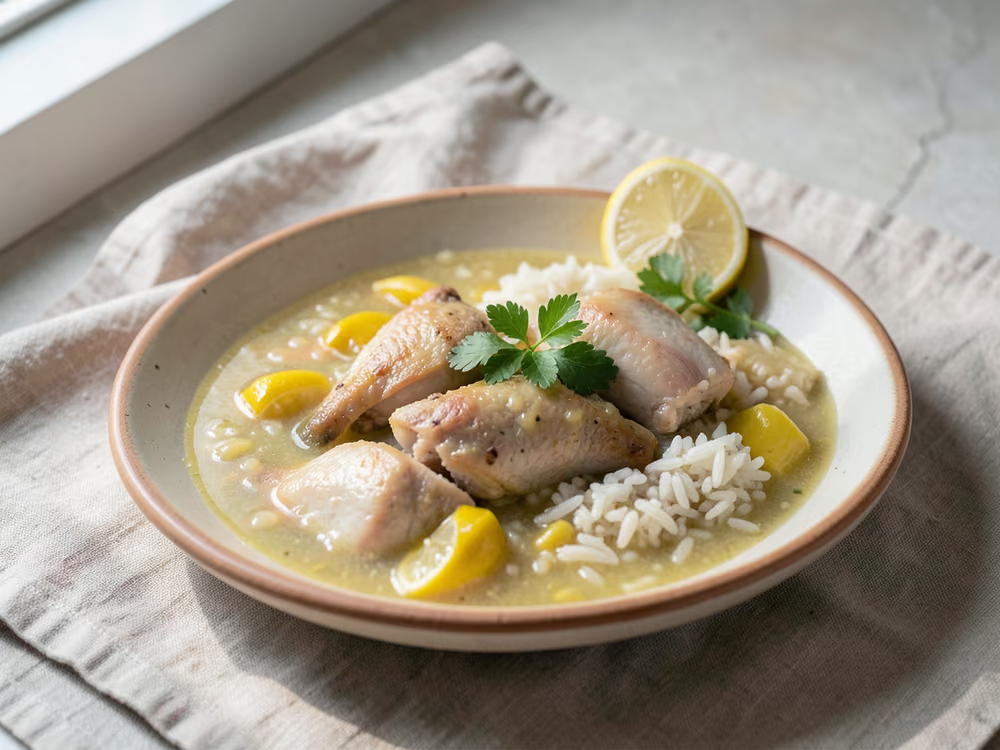
Add the 500 g chicken thighs in one layer and cook for about 5 minutes, turning the pieces, until they lose their raw look and take on light golden patches. This browning is where the soup's savoury depth begins; crowding the pot steams the meat grey instead of colouring it, so work in batches if your pot is small.
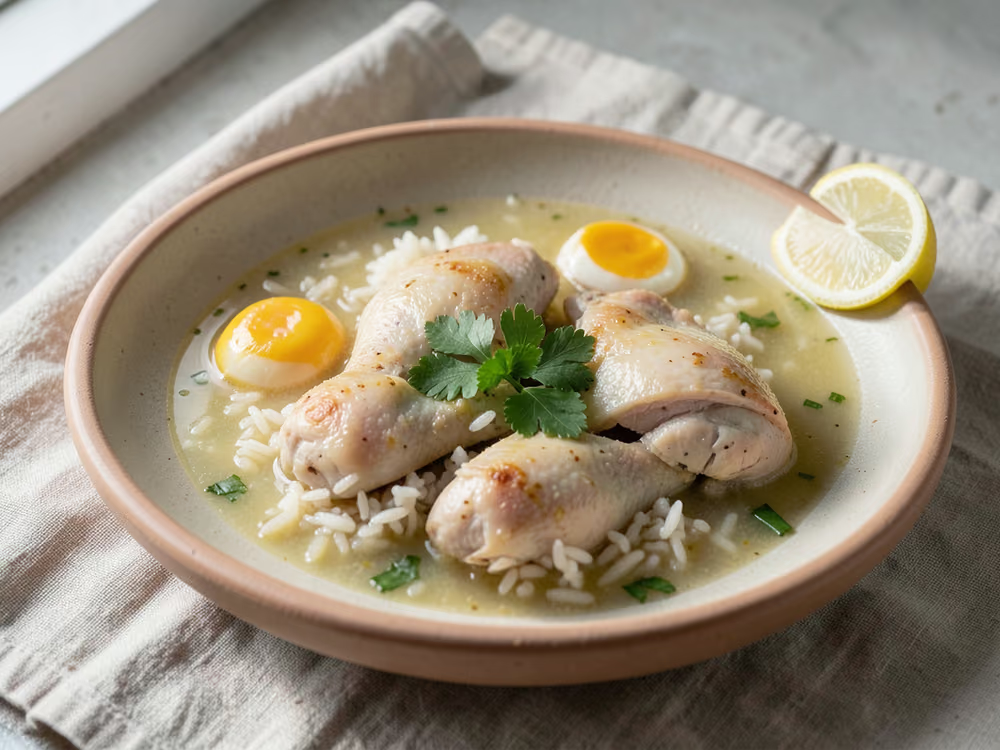
Pour in the 1.5 litres of broth and bring it to a boil, then reduce the heat to low, cover, and simmer for 15 minutes. Check the chicken near the end of the time: the thickest piece should read 74°C, the USDA FSIS minimum for poultry, and show no pink at the centre when you cut into it.

Stir in the 100 g rinsed rice, 1 tsp salt and 0.5 tsp black pepper, and simmer uncovered for about 15 minutes, until the rice is tender but still has a slight bite. The rice releases starch as it cooks, and that starch is the body that will carry the egg-lemon sauce; taste a grain at 12 minutes rather than trusting the clock alone.
In a medium bowl, whisk the 2 eggs until frothy and pale, about 1 minute, then gradually whisk in the lemon juice, about 4 tbsp from the 2 lemons. The mixture should look light and uniform with no streaks of unbeaten white, because the whites set faster than the yolks and show up as pale threads in the finished soup.
Slowly ladle about 1 cup (240 ml) of hot broth into the egg mixture in a thin stream, whisking constantly so the eggs warm gradually. This is the tempering step: rush it and the eggs scramble in the bowl; take it slowly and they come up to temperature ready to thicken the soup smoothly.
With the soup over low heat, pour the tempered egg mixture back in a slow stream, stirring constantly, and cook for 2 to 3 minutes until the broth turns slightly thick and velvety. Keep it below a boil, with small bubbles at the edge only, because boiling after the eggs go in breaks the sauce and leaves it grainy.
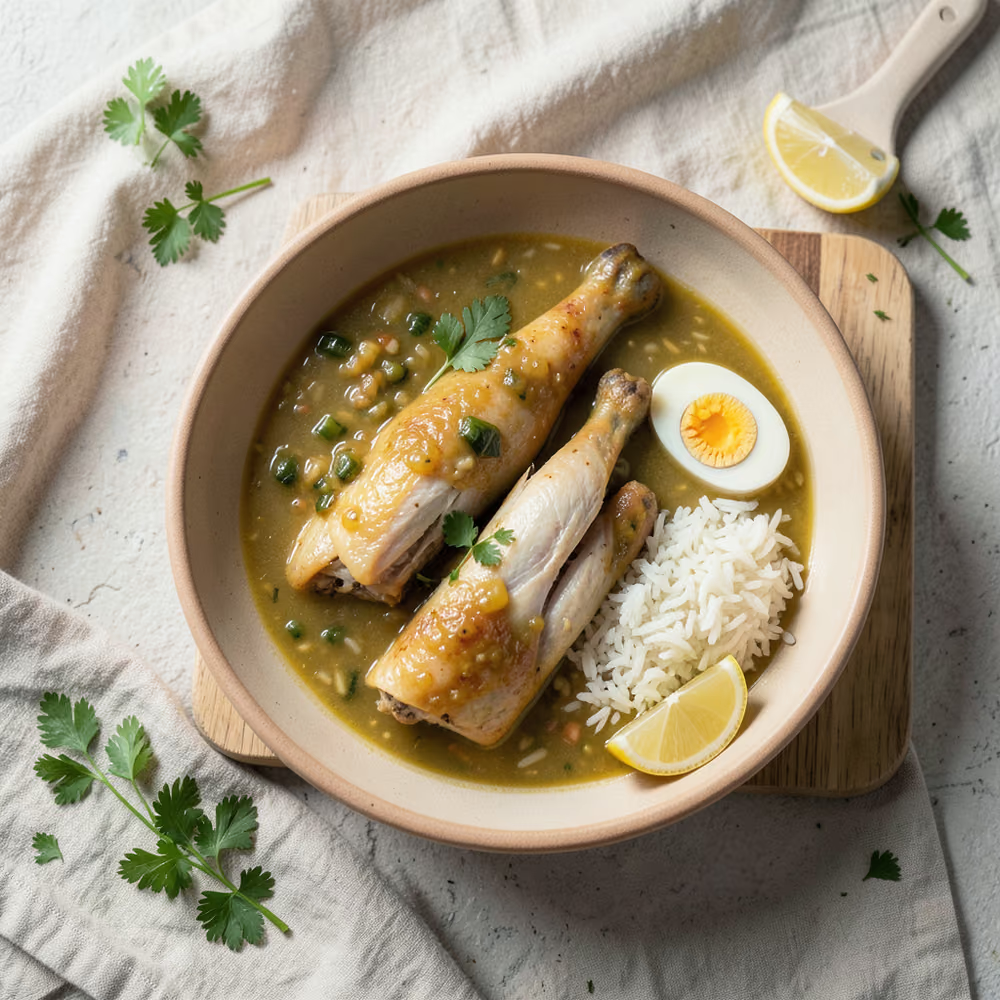
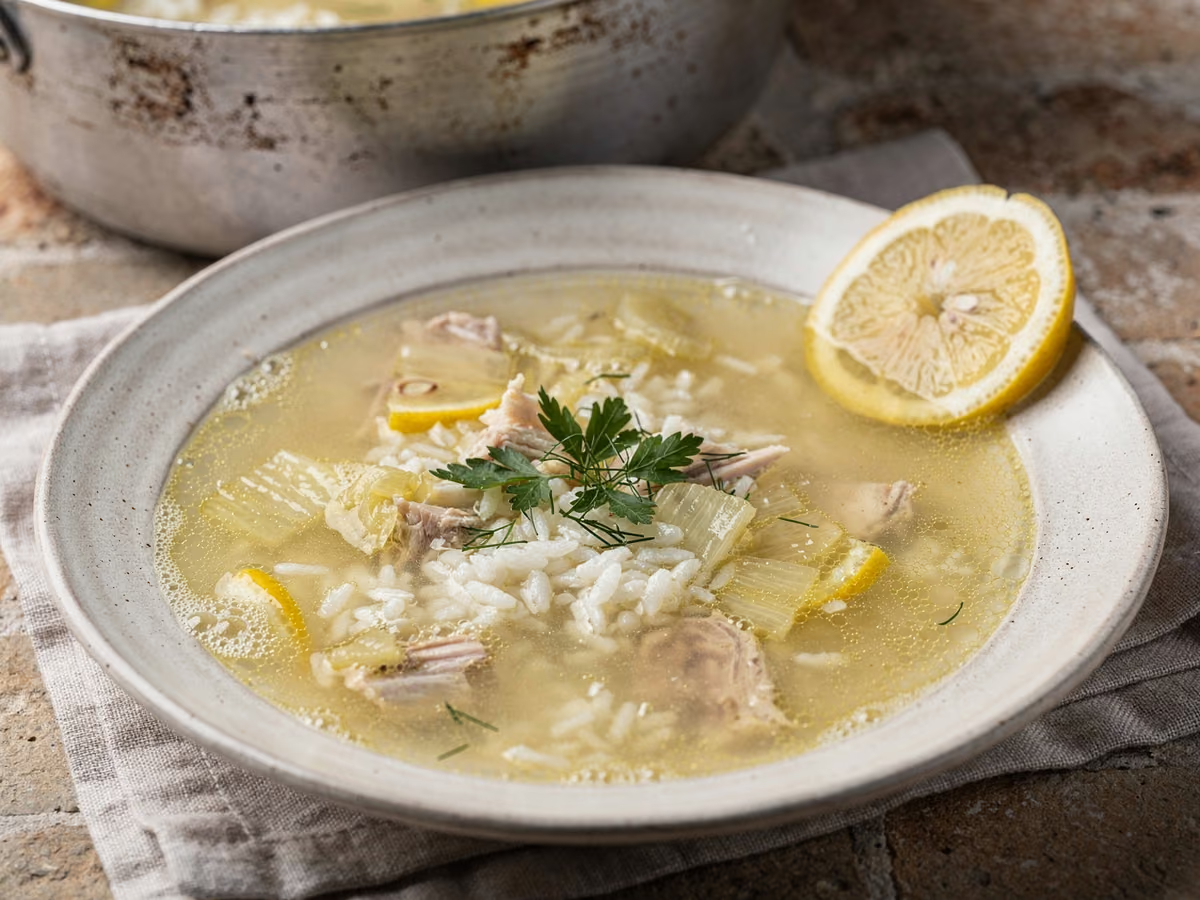
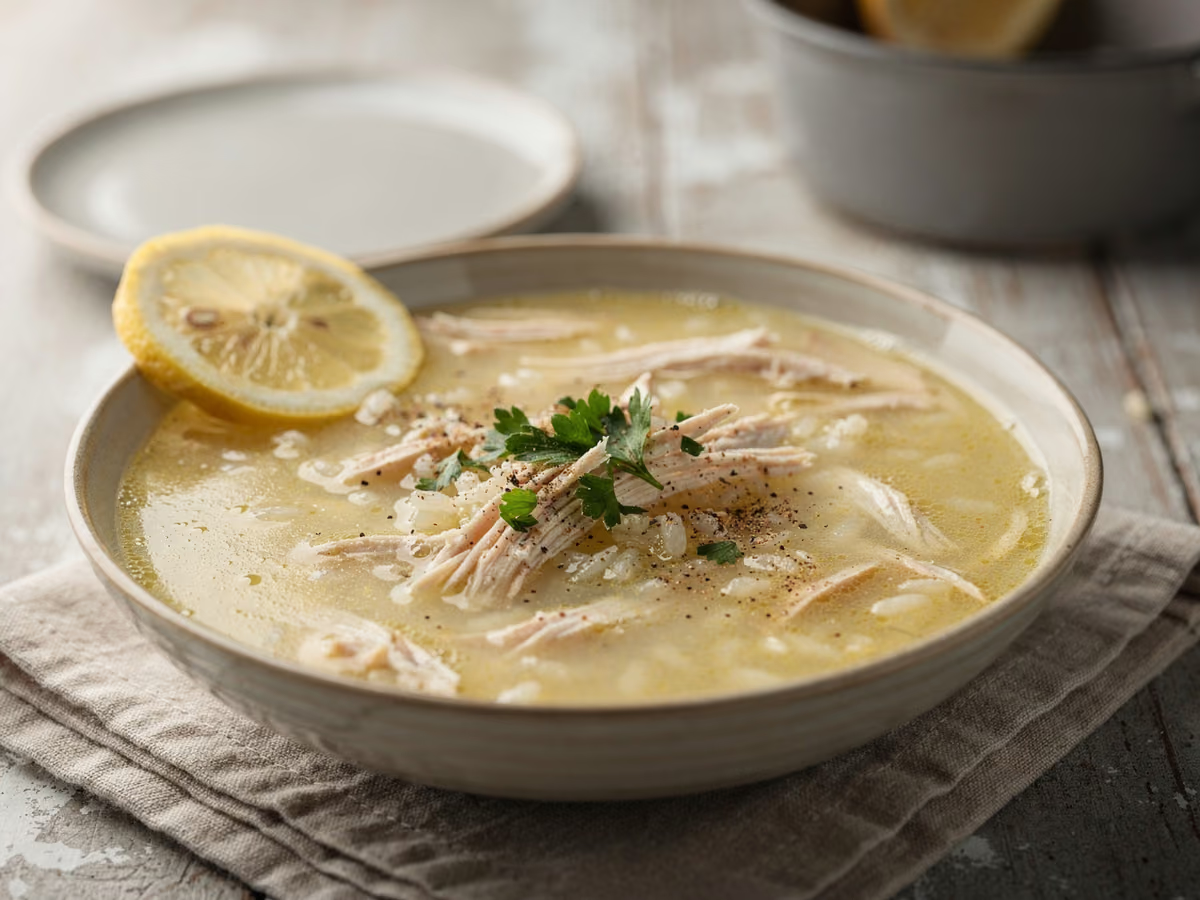
Taste and adjust with more salt or lemon juice, then ladle into warmed bowls and scatter over the dill if using. The lemon fades as the soup sits, so judge the final balance now and offer lemon wedges at the table for anyone who wants it sharper.
Why this recipe works
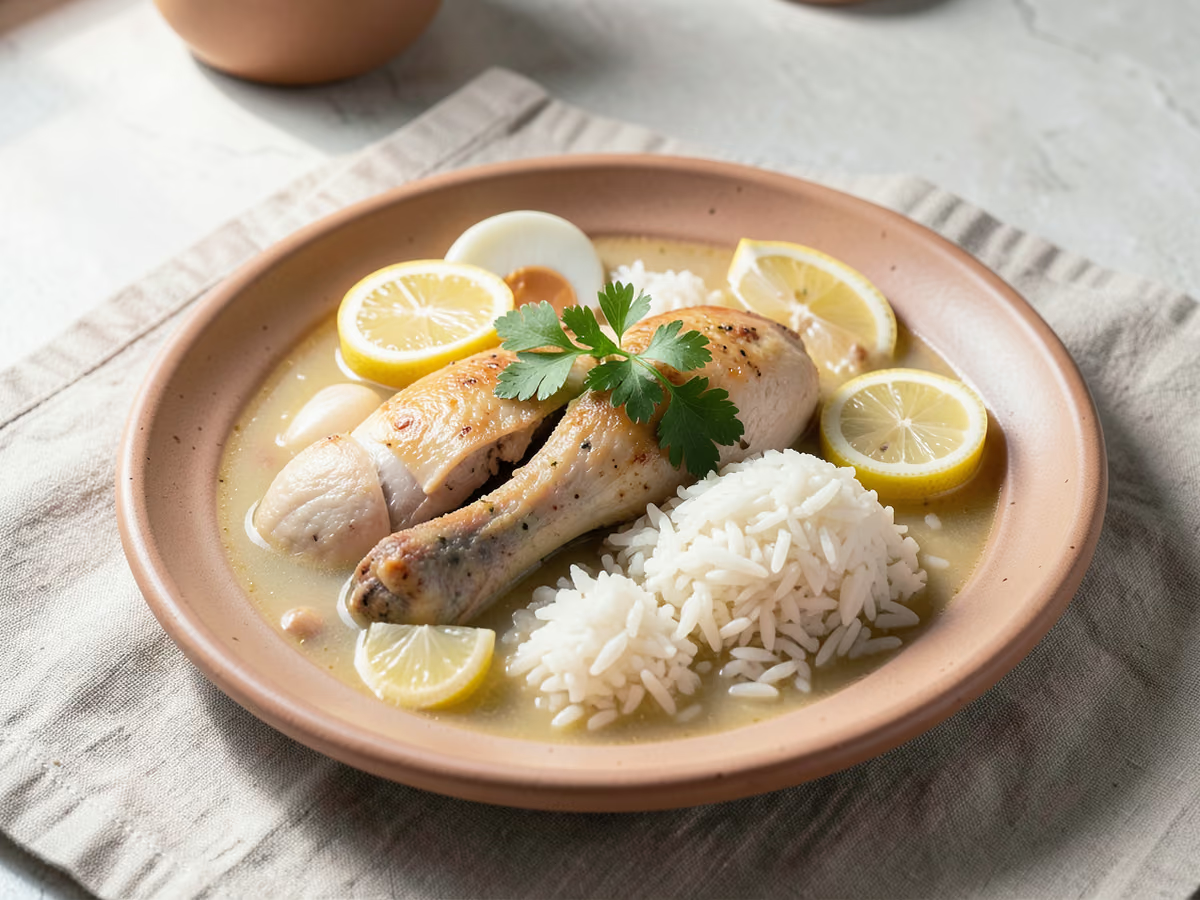
Avgolemono thickens by emulsion, not by flour. Beaten eggs and lemon juice are brought up to temperature in stages: the 1 cup of hot broth whisked in first raises the eggs a few degrees at a time, and constant whisking keeps the proteins from clumping as they set into a fine, smooth network rather than scrambled curds. Rice starch, released during the 15-minute simmer, supplies the light body that carries the sauce, and the lemon's acid cuts the richness while keeping the soup tasting clean. Once the eggs are in, the pot stays below a boil, because a rolling boil breaks the emulsion and the soup turns grainy.
Equipment
- Large pot or Dutch oven, 4 to 5 litres
- Fine balloon whisk
- Ladle
- Medium heatproof bowl for tempering the eggs
- Chef's knife and cutting board
- Instant-read thermometer
- Fine sieve, for straining the lemon juice
Kitchen notes
Kitchen notes
- Temper in a wide bowl with a pouring spout rather than a deep jug: you need one hand whisking while the other pours, and a wide lip gives a stream you can control instead of glugs that curdle the eggs.
- Hold back 1 tbsp of the lemon juice and add it after the eggs are in and tasted; the soup dulls a little as it sits, and a final squeeze restores the edge without any more cooking.
- If the pot looks thin before the eggs go in, mash a spoonful of the cooked rice against the side of the pot and stir it back in; the extra starch adds body so the sauce arrives silkier.
- Keep half a ladleful of hot broth aside: if the finished soup tightens past where you want it, stir that back in a splash at a time rather than cold water, which would slacken the set egg sauce.
- Resist the immersion blender, now or later: the egg sauce is a delicate set, and blending whips air into it until the soup turns foamy and loses its sheen.
Common mistakes
- Scrambled, grainy soup: the egg-lemon mixture hit broth that was boiling, or it went in faster than it could be whisked through. Keep the pot at a bare simmer with small bubbles only, add the mixture in a thin stream, and stir without stopping.
- Eggs curdled during tempering, before they ever reached the pot: too much hot broth was added too quickly. Ladle it in 2 or 3 additions, whisking hard between each, and use a bowl wide enough to keep the whisk moving freely.
- Flat, dull soup despite two lemons: it boiled after the eggs went in, or the juice was added too early and cooked. Add the lemon with the eggs at the end, and never let the finished pot go past a bare simmer.
- Cloudy, gluey broth: the rice went in unrinsed, dumping loose surface starch into the pot. Rinse until the water runs clear and drain it well; the rice still releases plenty of starch where you want it, into the soup itself.
- Rice blown out to mush and chicken dry: the pot boiled instead of simmering, or the rice cooked well past 15 minutes. Cook at a lazy bubble, check the rice at 12 minutes, and pull the pot off the heat while the grains still have a bite.
- Thin soup that never thickens at the end: 2 to 3 minutes of stirring below a simmer is what sets the sauce, so pulling it early, or adding the eggs to a barely warm pot, leaves the soup watery. Give the tempered mixture the full time at a low, steady heat.
Serving suggestions
- Ladle into warmed bowls as 6 servings, with the pot kept just off the boil so people can take seconds without the soup cooling.
- Crusty bread or a hunk of country loaf for dipping, and a sharp feta or a few olives on the side to contrast the soft, lemony broth.
- Finish each bowl with a grind of black pepper and a thread of olive oil, and pass lemon wedges for anyone who wants their portion sharper.
- Keep the drinks simple and cold: sparkling water with a strip of lemon peel, or iced tea if you want something with more flavour.
Variations
- Orzo finish: swap the 100 g rice for 100 g orzo and cook it for 8 to 10 minutes. It releases more starch, so the soup is slightly thicker and glossier, closer to the taverna versions.
- Sharper island style: finish with the juice of 1 extra lemon, added off the heat after the eggs are in, for a soup that leads with the lemon rather than the chicken.
- Meatless, a different soup: skip the chicken, use vegetable broth, and stir a drained tin of chickpeas through in the last 5 minutes for substance; the egg-lemon finish stays exactly the same.
Refrigerator
- RefrigeratorCool the pot within 2 hours, then refrigerate it in an airtight container and eat within 3 days; USDA FSIS guidance allows 3 to 4 days for leftovers, but this egg-thickened soup is at its silkiest in the first 2 or 3. Stir before reheating, since the rice settles.
- ReheatingWarm it over low heat, stirring constantly, until it is hot but not boiling, about 70°C. A microwave heats unevenly and can curdle the set eggs, so if you use one, keep it to short bursts at reduced power and stir between each.
- FreezingNot recommended: the egg-lemon sauce separates and turns grainy once thawed. If you want a freezer stash, freeze the base before the eggs go in, thaw it overnight in the fridge, and temper fresh eggs and lemon through it when you reheat.
- Make aheadThe base, without the egg-lemon mixture, keeps up to 2 days in the fridge; reheat it to a gentle simmer, then temper and finish. The finished soup also holds just off the boil for about 30 minutes if you cover the pot and keep the heat very low.
Updated:
How this recipe was developed
- Serious Eats, Avgolemono Soup (Greek Lemon-Egg Chicken Soup) — tempering the eggs with hot broth in a thin stream, stirring continuously and keeping the finished soup below a boil so it thickens instead of curdling
- The Spruce Eats, Avgolemono (Greek Lemon Chicken Soup) — the everyday Greek construction: chicken simmered in broth with rice, finished with a tempered egg-lemon sauce and fresh dill
- USDA FSIS safe minimum internal temperature chart (poultry 74°C; leftovers reheated to 74°C)
- USDA FSIS leftovers and food safety guidance (refrigerate within 2 hours; 3 to 4 days in the fridge)
Editorial references are kept internally for verification. This page makes no claim of external certification or professional testing.
Gallery
FAQ
The questions we get asked most
Why did my avgolemono curdle?
Usually because the soup was boiling when the egg mixture went in, or the mixture was added faster than it could be whisked through. Temper the eggs with hot broth first, keep the pot at a bare simmer with small bubbles at the edge, and stir constantly as you pour. If it has already gone grainy, strain the soup and whisk a fresh egg with lemon into it off the heat, or simply serve it; the flavour is unaffected, only the texture.
Can I use bottled lemon juice instead of fresh lemons?
Yes: 4 to 5 tbsp replaces the juice of the 2 lemons. Add it gradually and taste as you go, because bottled juice can be noticeably more acidic, and its flavour tastes flatter than freshly squeezed.
How do I know when the chicken is cooked through?
The thickest piece should read 74°C, the USDA FSIS minimum for poultry, and show no pink at the centre when you cut it open. At a gentle simmer the thighs are usually there within the 15 minutes; if not, simmer 5 minutes more and check again. The meat should also shred easily with a fork.
Can I make the soup ahead of time?
Make the base whenever it suits you, up to 2 days ahead, and leave the finish for the moment of serving, because it takes only 3 minutes. Keeping the eggs and lemon back is the difference between a soup that reheats beautifully and one that never quite comes back.
Why is my soup too thin?
Either the rice has not released enough starch, or the eggs did not get the full 2 to 3 minutes of gentle heat they need to thicken. Simmer a minute or two more with the rice in, or let the finished soup stand off the heat, where it thickens slightly as it cools. If it is still loose, a mashed spoonful of rice stirred back in will do more than another egg.
Can I use frozen chicken thighs?
Yes, but thaw them completely in the fridge overnight and pat them dry before they go in the pot. Frozen meat drops the pan temperature and steams instead of colouring, and it takes longer to cook through, which throws off the 15-minute simmer.
Is avgolemono gluten-free?
As written, yes: chicken, rice, eggs, lemons, onion and carrot contain no wheat. The one thing worth checking is the broth, because some commercial stocks and stock cubes contain gluten; buy one labelled gluten-free if that matters to you.
Ask KitchenMind about this recipe
Tell it what’s different tonight — it works within the actual recipe.