Mujadara Lentils and Rice
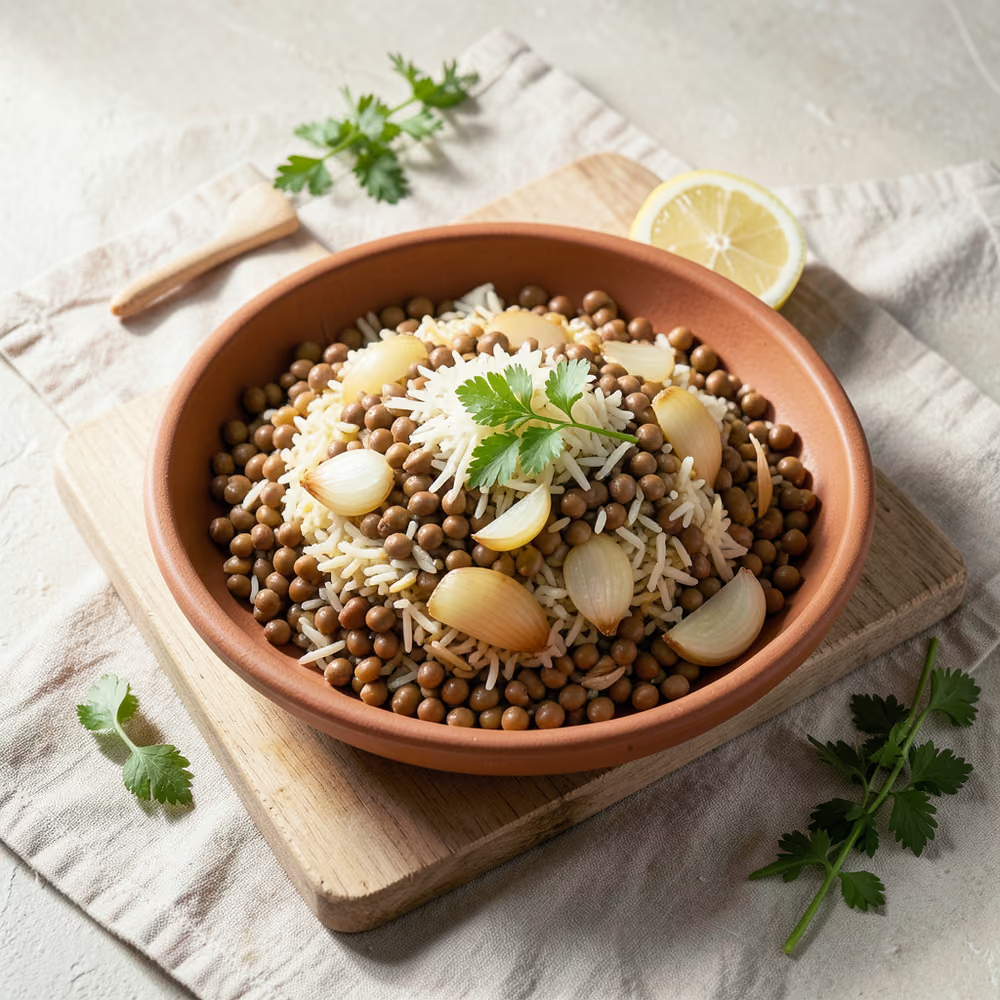
Mujadara is a Levantine one-pot of lentils, rice and deeply browned onions, and it tastes far richer than three humble ingredients should. The method runs on two timelines: the lentils get a 10-minute head start, then the rice joins them with the spices and the pot is left strictly alone so every grain stays separate. Prep is 15 minutes and the cook is 45, almost all of it unattended; the only active stretch is the 20 minutes of browning onions, which is where the dish earns its sweetness.
- Prep
- 15 min
- Cook
- 45 min
- Total
- 60 min
- Serves
- 4
Ingredients
What you’ll need — tap to tick off as you go
- 200 g
- 200 g
- 4 tbsp
- 1 tsp
- 1 tsp
- 1 tsp
- ½ tsp
- 750 ml
- 200 g
Process
Timers built in · swap anything · ask as you cook
Slice the 3 onions thinly. Heat 2 tbsp of the olive oil in a large pot over medium heat, add the onions, and cook for about 20 minutes, stirring occasionally and scraping the base, until they collapse and turn deeply golden. Stirring too often keeps them from browning, so leave them alone between stirs; if they darken in under 10 minutes, lower the heat rather than hurrying them.
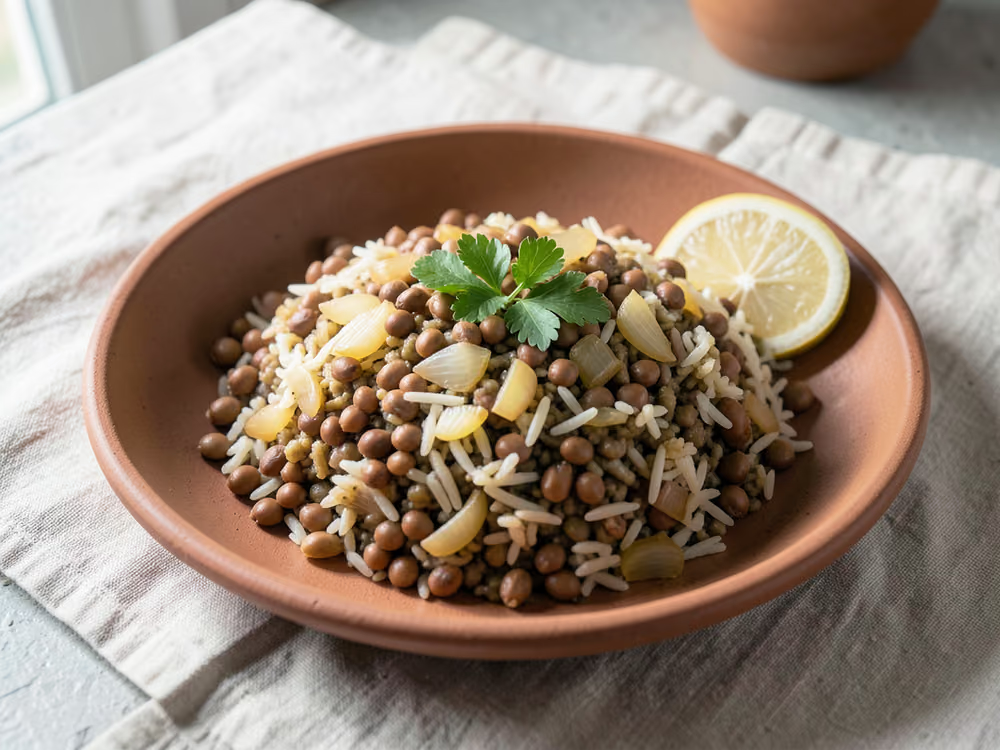
Remove half the onions to a plate and set them aside for the topping; leave the rest in the pot. One step, two textures: the onions left behind melt into the rice as it cooks, while the reserved ones stay intact to spoon over the finished dish.
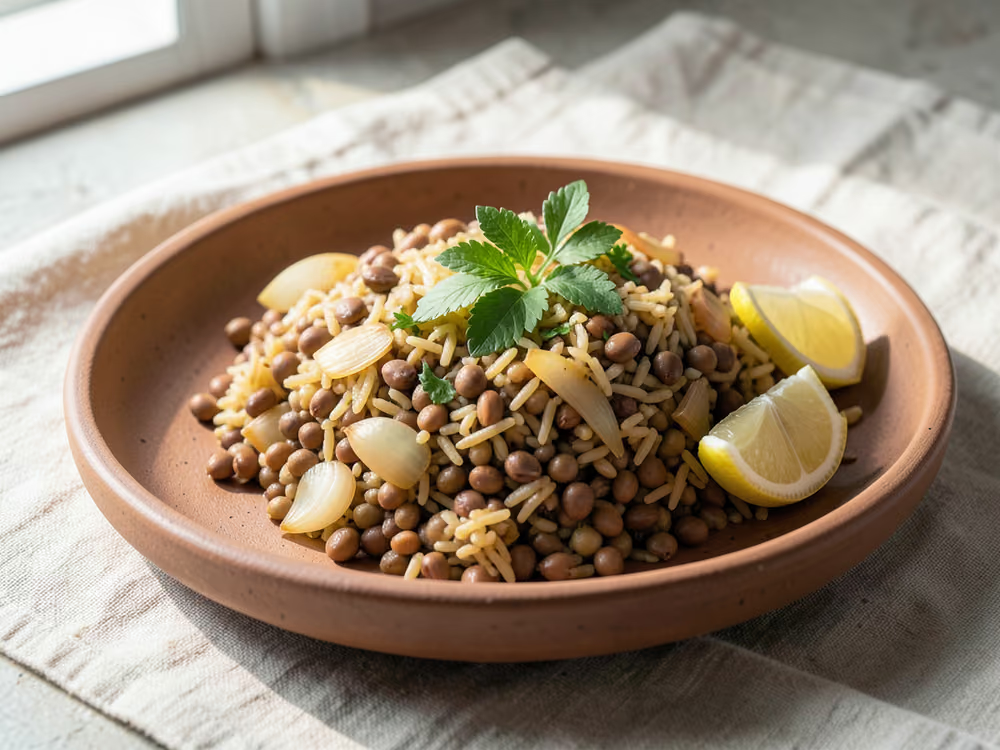
Add the 200 g rinsed brown lentils and 500 ml of the hot water. Bring to a boil over medium-high heat, then reduce the heat to low, cover and simmer for 10 minutes. The head start is why the lentils and rice finish together; without it the rice turns to porridge before the lentils are anywhere near tender.
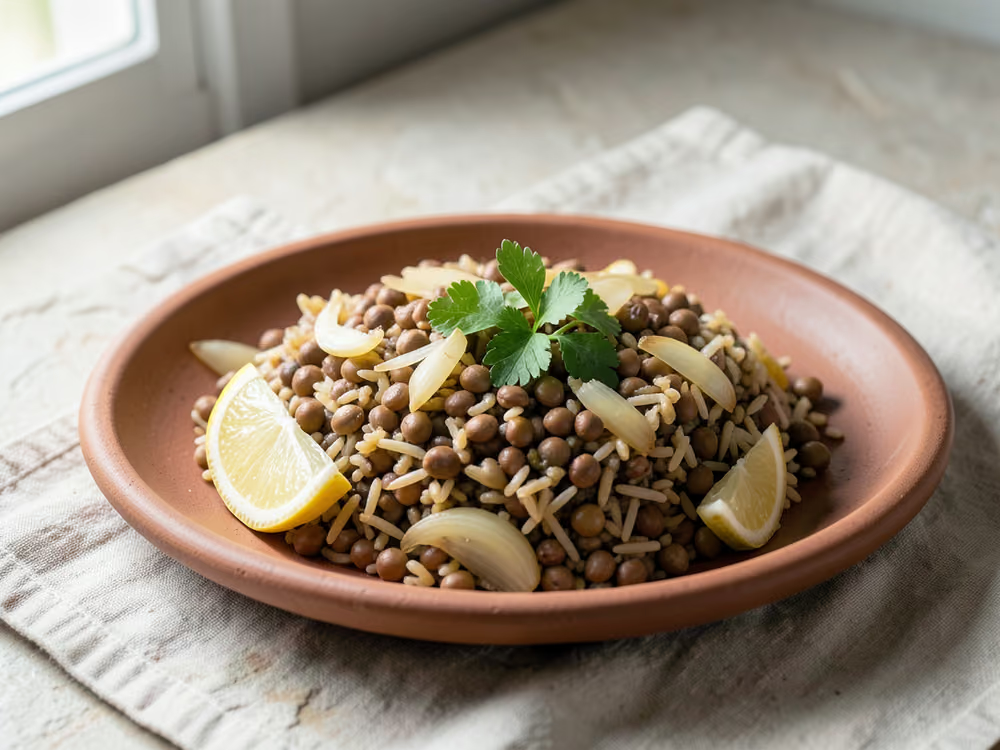
Stir in the 200 g rinsed basmati rice, 1 tsp ground cumin, 1 tsp ground coriander, 1 tsp salt, 0.5 tsp black pepper and the remaining 250 ml hot water. Stir once, scraping the bottom of the pot, then bring it back to a boil over medium-high heat. From here the pot is hands-off: every stir releases starch and pushes the dish towards gluey.
Reduce the heat to low, cover tightly and cook without stirring for 20 minutes, until the rice and lentils are tender and the liquid has been absorbed. If you must check, tilt the pot rather than stirring: small steam holes across the surface and no standing water are what done looks like.
Take the pot off the heat and let it sit, still covered, for 5 minutes, then fluff gently with a fork, lifting the grains instead of digging through them. The rest lets steam finish the centres and the last of the water soak in; the fork keeps the grains separate where a spoon presses them together.
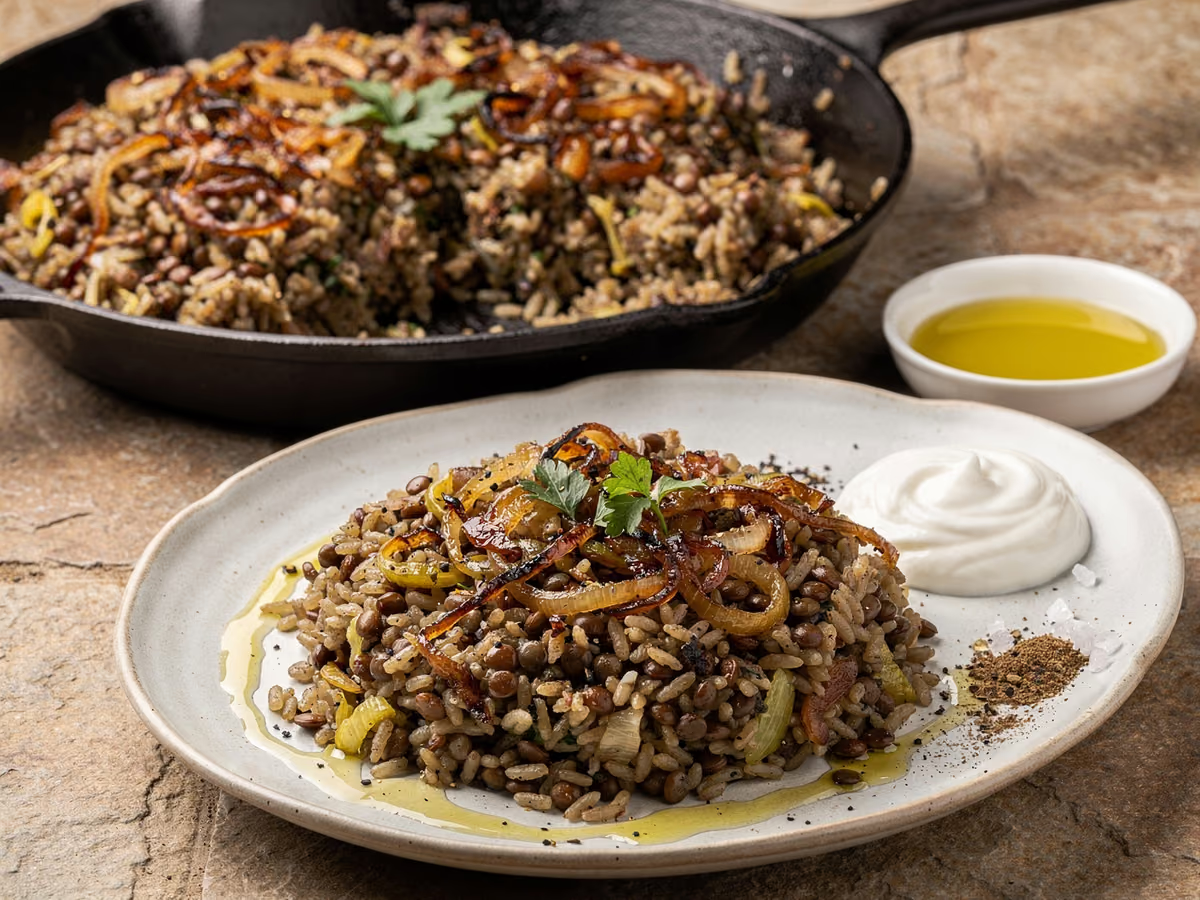
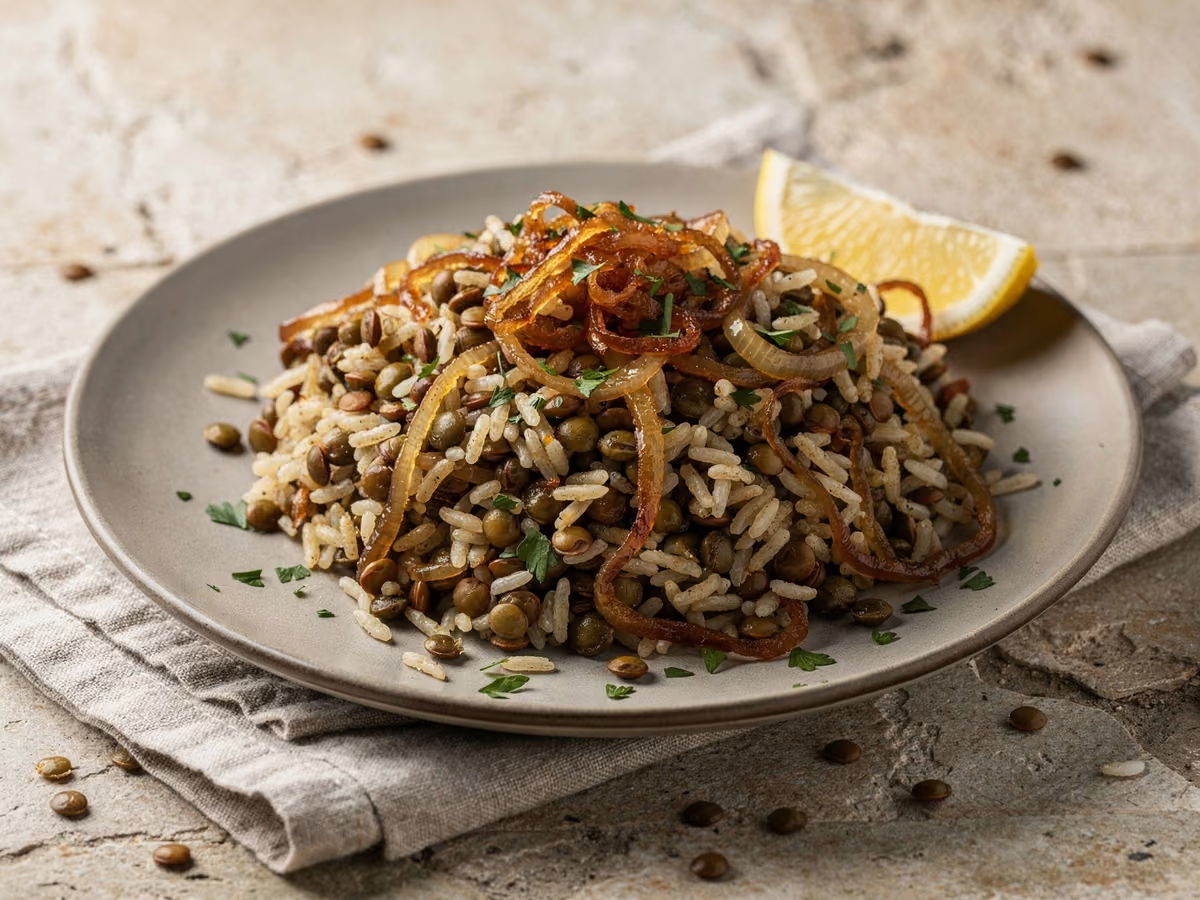
Spoon the mujadara onto a platter or into shallow bowls, top with the reserved onions and add a spoonful of the 200 g plain yogurt if you are serving it. Spread the onions across the whole surface so every portion gets a share, and pass lemon wedges and extra salt at the table.
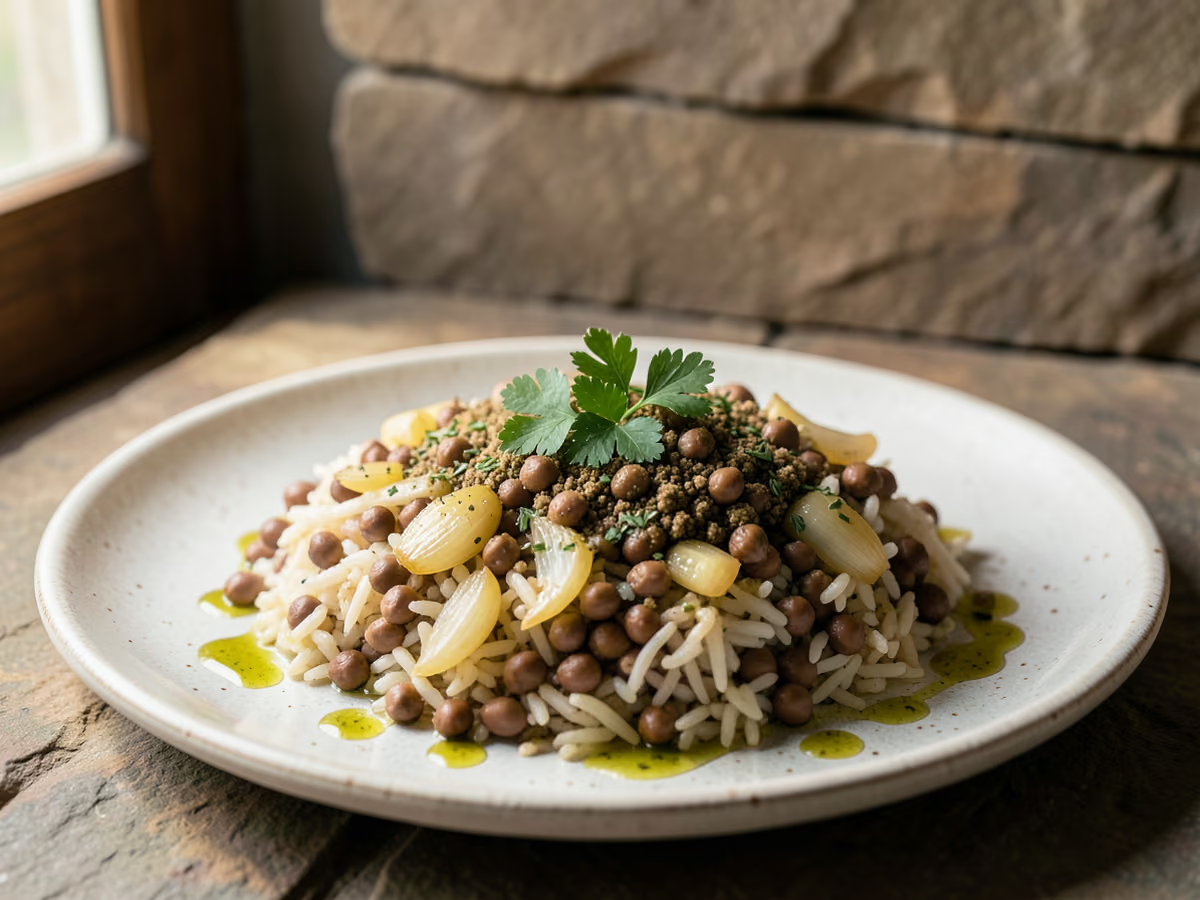
Why this recipe works
Onions hold plenty of sugar, but the browning only begins once their water has cooked off; at a patient medium heat they soften, then caramelise through both sugar browning and the Maillard reaction into something jammy and sweet, while a hotter pan simply chars the edges and turns them bitter. Lentils and basmati cook at different speeds, so the lentils simmer alone for 10 minutes first and the rice cannot dissolve before they are tender. From the moment the rice goes in, the pot is sealed and untouched: stirring releases surface starch and compresses the grains into a gluey mass, and the final 5 minutes off the heat let trapped steam finish the centres.
Equipment
- Large heavy pot or Dutch oven, 4 to 5 litres, with a tight-fitting lid
- Wooden spoon or heatproof spatula
- Chef's knife and cutting board, for slicing 3 onions
- Fine-mesh sieve, for rinsing the rice and lentils
- Kettle of hot water, for the 750 ml the recipe needs
- Fork, for fluffing the rice
- Serving platter or shallow bowls
Kitchen notes
Kitchen notes
- Put a kettle of water on before you start the onions. The recipe needs 750 ml of hot water in two stages, and cold water stalls the simmer and makes the rice cook unevenly.
- Slice the onions as evenly as you can and keep the pile moving between stirs; a mix of thick and thin slices means burnt edges and pale centres in the same spoonful.
- Reserve more onion than feels reasonable. Onions shrink dramatically as they brown, and the reserved pile is what everyone fishes for at the table.
- Do not lift the lid during the 20-minute rice stage. Steam is what cooks the top layer of rice, and every peek lets it escape; the tilt-check at the end of the time is all you need.
- Use the widest heavy pot you own. Width, not depth, is what browns the onions evenly before the lentils go in, and a heavy base is insurance against the scorching that ruins the pot during the rice stage.
Common mistakes
- Gluey, mushy mujadara: the rice was stirred during the covered simmer, or too much water went in. Keep the lid on and do not stir for the full 20 minutes; if your rice was pre-soaked, hold back about 50 ml of the water.
- Bitter onions instead of sweet ones: the heat was too high, so the onions coloured before their water had cooked off. Stay at medium, stir only occasionally, and give them the full 20 minutes; if they darken in under 10 minutes, the heat is too high.
- Dry grains and a scorched base: the simmer ran too hot or the lid let steam escape. Use the full 750 ml of hot water, keep the heat low and check that the lid fits; if the pot is dry and the grains are still firm, add 60 ml hot water, cover and cook for 5 minutes more.
- Lentils turned to paste while the rice stayed chalky: the 10-minute head start was skipped, or cold water went in and the pot never came back to a boil. Add the lentils first, always with hot water, and let each stage return to a proper boil before lowering the heat.
- Bland, dusty-tasting dish: the onions were under-browned or the pot is under-salted. Taste the onions before the lentils go in, add the full 1 tsp salt with the rice, and brighten a flat pot with a squeeze of lemon at the table.
- Sticky top layer and an uneven pot: too much lid lifting and poking, or a spoon used to fluff. Give it the 5-minute rest undisturbed and finish with a fork, lifting rather than stirring.
Serving suggestions
- Serve warm, in 4 generous bowls, with the reserved onions on top and yogurt for anyone who wants it; without the yogurt the dish is vegan.
- A tomato and cucumber salad with lemon, or pickled vegetables, cuts through the sweet onions; flatbread on the side turns it into a full meal.
- It also works as a side under grilled vegetables, or at room temperature as part of a mezze table, which is where mujadara tastes almost as good as it does hot.
- Cooled leftovers make an excellent lunch bowl with a handful of greens and a squeeze of lemon; the flavour deepens by the next day.
Variations
- Crisp-fried onion topping, restaurant style: slice the onions very thin, fry them in more oil until deep brown and crisp, and drain on paper; stir half through the rice and scatter the rest on top. Richer and crunchier than the soft-onion version, and a different dish.
- Bulgur version, not gluten-free: cracked wheat replaces the basmati and cooks faster, giving a nuttier, more rustic pot. The swap takes the dish out of gluten-free territory, so label it as such.
- Warming-spice version: add a pinch of ground cinnamon or allspice with the cumin and coriander for a more aromatic pot. Keep the quantities small so the lentils stay the centre of the dish.
Refrigerator
- RefrigeratorCool the pot within 2 hours, then refrigerate it airtight for up to 4 days. The rice firms up and the onions soften in the fridge, so plan to reheat rather than eating it cold.
- ReheatingCovered in an oven-safe dish at 160°C for 15 to 20 minutes, or in a covered pan on low heat with 1 to 2 tbsp of water, until steaming throughout. Re-crisp the reserved onions in a dry pan for 2 minutes before serving.
- FreezingUp to 2 months in a freezer-safe container with 2 cm of headspace; the caramelised onions lose some character, so freeze them separately if you can. Thaw overnight in the fridge.
- Make aheadCaramelise the onions up to 3 days ahead and keep them covered in the fridge, which knocks the longest step out of the day. The full dish is best the day it is made because the rice firms overnight, but it can be cooked up to 2 days ahead and loosened with a splash of water when reheated.
Updated:
How this recipe was developed
- Serious Eats, Mujaddara (Rice With Lentils and Caramelized Onions): cooking the lentils and rice so they finish together, controlled infrequent stirring for deep browning, and resting and fluffing the rice to keep grains distinct
- NYT Cooking, Mujadara (Lentils and Rice With Fried Onions) by Naz Deravian: deeply browned onions as the foundation of the dish, saving the lentil cooking water, and the bulgur option
- Serious Eats, How to Caramelize Onions: sugar caramelisation and the Maillard reaction in onions, patience at medium to medium-low heat, and deglazing with water rather than adding sugar
- USDA FSIS leftovers guidance: refrigerate within 2 hours of cooking; refrigerated leftovers keep 3 to 4 days
Editorial references are kept internally for verification. This page makes no claim of external certification or professional testing.
Gallery
FAQ
The questions we get asked most
Why did my mujadara turn mushy?
Almost always stirring the rice during the covered simmer, or too much water in the pot. Follow the rice stage exactly, keep the lid on and do not stir for the full 20 minutes, then rest it for 5 minutes before fluffing with a fork. If your rice was pre-soaked, reduce the water by about 50 ml.
Can I use canned lentils instead of dried brown lentils?
Yes, and it is much faster: drain and rinse two 400 g cans of lentils and skip the 10-minute simmer entirely, adding them with the rice and only 250 ml of water, because canned lentils are already cooked. The finished dish is softer and less earthy than the dried version.
Can I make mujadara ahead of time?
The onions can be caramelised up to 3 days ahead and refrigerated in a covered container, which saves the longest step. The full dish can be cooked up to 2 days ahead and reheated, but it is best freshly made because the rice firms up in the fridge; add 1 to 2 tbsp of water when reheating.
How do I know when the lentils and rice are cooked?
The lentils should be tender with no chalky centre and the rice soft but separate, with no liquid pooling at the bottom. Tilt the pot after 20 minutes: if you see water, cook uncovered on low for 2 to 3 minutes more; if the grains are firm and the pot is dry, add 60 ml of hot water, cover and cook for 5 minutes.
Can I freeze mujadara and how do I reheat it?
Freeze cooled portions for up to 2 months, leaving 2 cm of headspace, and thaw overnight in the fridge. Reheat covered at 160°C for 20 minutes, or in a covered pan on low with a splash of water, until steaming; the onions soften in the freezer, so re-crisp them separately if you have extra.
Why is my mujadara dry or bland?
Dry usually means too little water or too high a simmer: use the full 750 ml and keep the heat low with the lid tight. Bland usually means the onions were under-caramelised or the pot is under-salted; taste the onions before the lentils go in and add the full 1 tsp of salt with the rice. A squeeze of lemon at the table brightens it without changing the recipe.
Is mujadara vegan and gluten-free?
The dish itself is vegan: lentils, rice, onions, olive oil and spices, with the yogurt served on the side and optional. It is gluten-free as long as your ground spices are pure; check labels on blends, which sometimes include fillers.
Ask KitchenMind about this recipe
Tell it what’s different tonight — it works within the actual recipe.