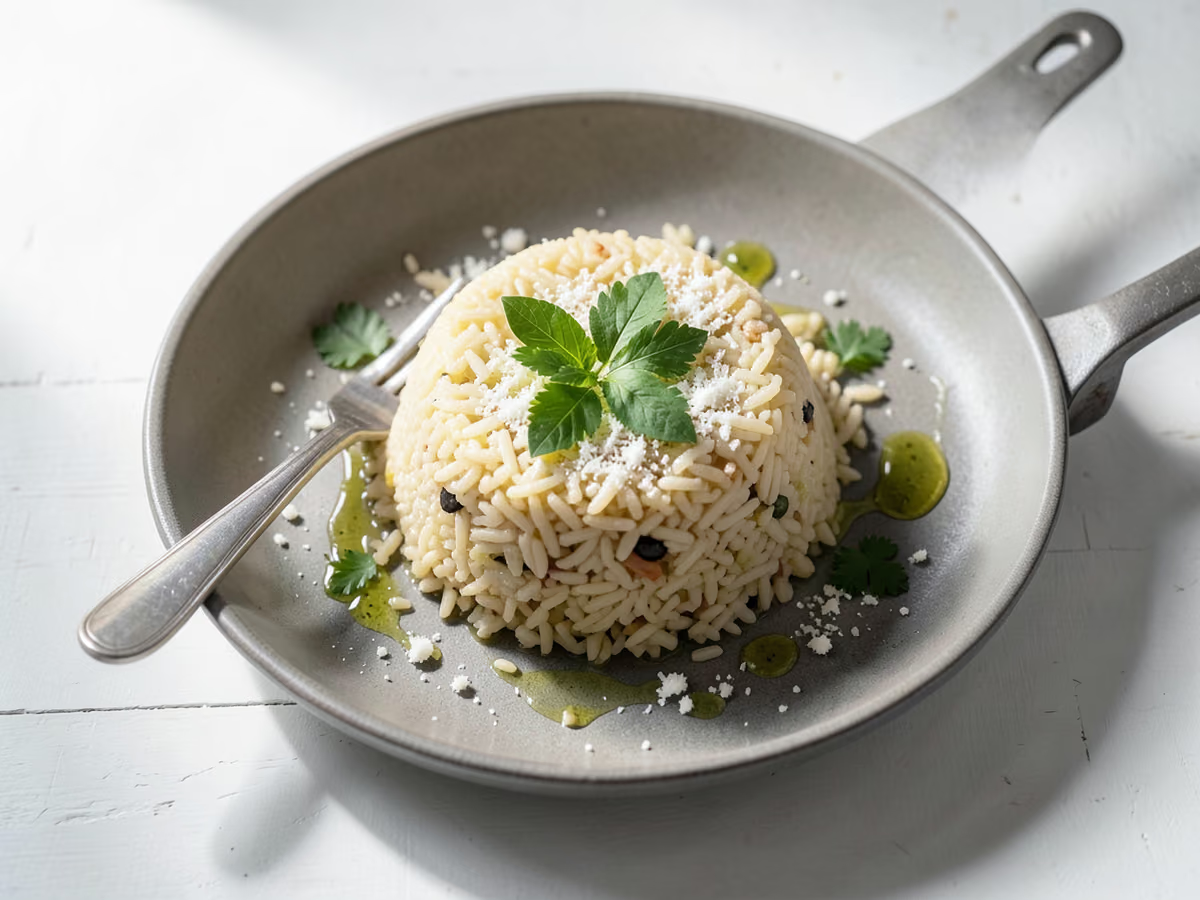
Buttery Rice Pilaf
Basmati, onion and garlic in unsalted butter, then vegetable broth and a bay leaf. Ten minutes to prep, 25 to cook, and it feeds 4 on a weeknight.
- Prep
- 10 min
- Cook
- 25 min
- Total
- 35 min
- kcal
- 375.7
- protein
- 7.2 g
- Serves
- 4
Ingredients
What you’ll need — tap to tick off as you go
- 300 g
- 45 g
- 2 cloves
- 600 ml
- 1 tsp
- ½ tsp
- 10 g
Process
Timers built in · swap anything · ask as you cook
Rinse the basmati rice in a bowl of cold water, swishing with your fingers, then drain. Repeat 3 to 4 times until the water is mostly clear. Drain very well in a sieve and set aside.
Warm the vegetable broth in a small saucepan over low heat and keep it hot; do not let it boil.
Melt 30 g of the unsalted butter in a medium heavy-bottomed saucepan over medium heat. Add the chopped onion and cook for 4 to 5 minutes, stirring, until soft and translucent but not browned.
Add the minced garlic and cook for 30 seconds until fragrant. Add the drained rice and cook, stirring constantly, for 2 to 3 minutes until the grains look glossy and smell toasted.
Pour in the hot vegetable broth, then add the salt, black pepper and bay leaf. Stir once, bring to a gentle simmer, then reduce the heat to low and cover tightly with a lid.
Cook undisturbed for 15 minutes. Do not lift the lid or stir during this time.
Remove the pan from the heat and let it stand, covered, for 10 minutes so the rice finishes steaming.
Uncover, discard the bay leaf, and fluff the rice with a fork. Dot with the remaining 15 g butter and fold gently. Garnish with chopped flat-leaf parsley and serve.
Kitchen notes
Kitchen notes
- The most common mistake is stirring the rice while it simmers, which releases starch and makes it gluey. Once the broth is added, leave it alone until the rest is done.
- Rinsing the rice until the water runs clear removes surface starch; skipping this step is the main reason pilaf turns sticky instead of fluffy.
- Use hot broth, not cold. Cold liquid drops the pan temperature and makes the rice cook unevenly, so the center stays firm while the outside overcooks.
- The rice is done when the liquid is absorbed and small steam holes appear on the surface. If there is still liquid after 15 minutes, cover and cook 2 to 3 minutes more on low.
- A heavy-bottomed saucepan prevents the bottom layer from scorching. If your pan is thin, stack it on a second pan or use a heat diffuser.
Substitutions
- basmati rice→long-grain white rice such as jasmine or American long-grain
- unsalted butter→ghee or olive oil for a dairy-free version
- vegetable broth→chicken broth or water with an extra pinch of salt
- onion→2 shallots, finely chopped
Storage & reheating
Store cooled rice pilaf in an airtight container in the refrigerator for up to 4 days. To reheat, sprinkle with 1 to 2 tablespoons of water, cover, and microwave on high for 1 to 2 minutes, or warm in a covered skillet over low heat with a splash of water until steaming. Freeze in a freezer-safe bag or container for up to 2 months; thaw overnight in the refrigerator and reheat as above.
| Nutrient | Per serving |
|---|---|
| Calories | 375.7 kcal |
| Protein | 7.2 g |
| Carbohydrates | 65.2 g |
| Fat | 9.6 g |
| Saturated fat | 5.8 g |
| Fiber | 1.8 g |
| Sugar | 2.2 g |
| Sodium | 1308 mg |
| Cholesterol | 24 mg |
FAQ
The questions we get asked most
Why did my rice pilaf turn out sticky and gluey?
Sticky pilaf usually comes from not rinsing the rice, stirring it while it simmers, or using too much water. Rinse the basmati until the water runs clear, use the exact 600 ml broth for 300 g rice, and do not stir once the liquid is added. Letting it rest covered for 10 minutes after cooking also helps the grains firm up.
Can I make this buttery rice pilaf ahead of time?
Yes. Cook it fully, cool it quickly by spreading it on a tray, then refrigerate in an airtight container for up to 4 days. Reheat with a splash of water, covered, in the microwave or on the stovetop over low heat. It is best fresh, but it holds well for meal prep.
Can I use cold broth instead of hot?
You can, but hot broth gives a more even cook. Cold liquid lowers the pan temperature, so the rice may need 2 to 3 extra minutes and the grains can cook unevenly. If you only have cold broth, add it and bring it back to a simmer before covering.
How do I know when the rice pilaf is fully cooked?
The liquid should be absorbed and small steam holes should appear on the surface. Taste a grain: it should be tender with a slight bite, not crunchy or mushy. If there is still liquid, cover and cook on low for 2 to 3 more minutes, then rest off the heat for 10 minutes.
Can I make this recipe dairy-free or vegan?
Yes. Replace the unsalted butter with the same amount of olive oil or a vegan butter alternative, and use vegetable broth instead of chicken broth. The rice will still be fluffy, though it will lack the buttery aroma. Taste and add a little extra salt if needed.
Why is my rice pilaf dry or undercooked in the center?
Dry pilaf usually means the heat was too high, the lid did not seal, or the rice was not soaked or rinsed properly. Keep the heat on low, use a tight-fitting lid, and do not peek. If the rice is still firm after resting, add 2 tablespoons of hot broth, cover, and steam on low for 5 minutes.
Can I add vegetables or nuts to this pilaf?
Yes. Stir in cooked peas, diced carrots, or toasted slivered almonds at the end. If adding raw vegetables, saute them with the onion before adding the rice. Keep additions dry and not too wet, or the pilaf will turn soggy.
Ask KitchenMind about this recipe
Tell it what’s different tonight — it works within the actual recipe.