Tahchin Persian Rice Cake
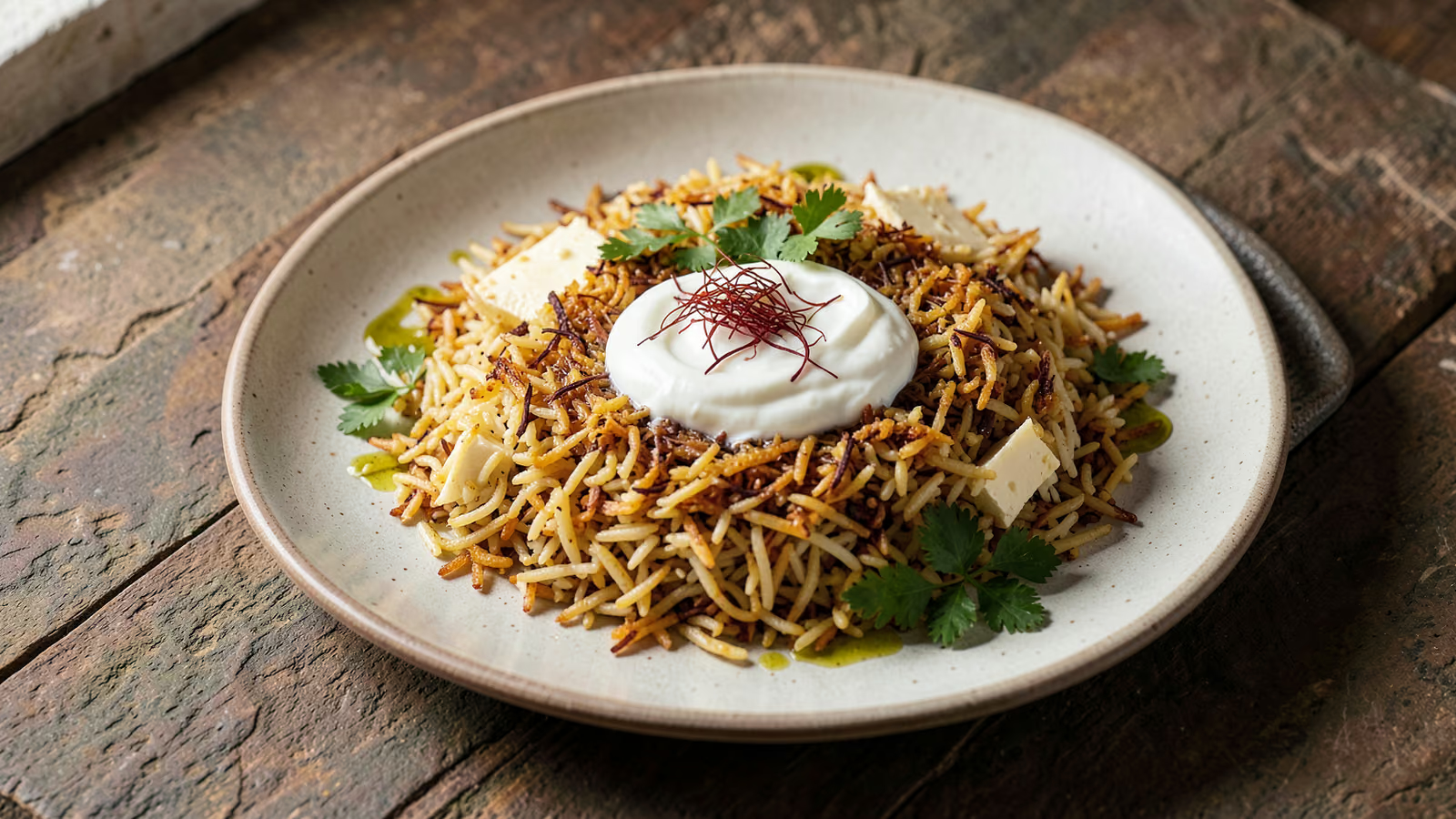
Crisp saffron crust, soft basmati within — a Persian rice cake that bakes for 75 minutes, then feeds 6 with yogurt, yolks, barberries and slivered almonds.
- Prep
- 30 min
- Cook
- 75 min
- Total
- 105 min
- Serves
- 6
Ingredients
What you’ll need — tap to tick off as you go
- 500 g
- 300 g
- ½ g
- 60 g
- 2 tbsp
- 60 g
- 40 g
- 5 g
- 1 tsp
Process
Timers built in · swap anything · ask as you cook
Rinse the basmati rice in a bowl of cold water 4 to 5 times until the water runs clear, then soak it in fresh cold water for 30 minutes. Drain well.
Bring a large pot of water to a rolling boil, add 4 g salt, then add the drained rice and boil for 6 to 7 minutes, until the grains are tender outside but still firm at the center. Drain and rinse briefly with lukewarm water.
Bloom the saffron threads in 2 tbsp hot water and let it steep for 5 minutes. In a bowl, whisk the plain yogurt, egg yolks, 1 g salt, and the saffron water until smooth.
Fold one third of the parboiled rice into the yogurt mixture until every grain is coated. This is the crust layer.
Grease a heavy nonstick pot or Dutch oven with the neutral oil and 20 g of the melted butter. Spread the yogurt-rice mixture evenly over the base and press it down firmly with the back of a spoon.
Melt the remaining 40 g butter in a small pan over medium heat, add the barberries and sugar, and toss for 30 seconds until glossy. Remove from heat immediately so they do not burn.
Gently fold the remaining rice with the buttered barberries and toasted slivered almonds, then spoon it loosely over the crust layer, mounding it slightly in the center. Do not press this top layer down.
Poke 4 to 5 steam holes through the rice with the handle of a wooden spoon. Cover the pot with a clean kitchen towel and then the lid, tying the towel corners up over the lid so they do not catch fire.
Cook over medium heat for 8 minutes to build the crust, then reduce to low and cook for 50 to 55 minutes, until the rice is fluffy and a knife inserted at the edge meets a firm golden crust.
Remove the pot from the heat and rest it uncovered for 10 minutes. Run a thin spatula around the edge, place a large platter over the pot, and flip confidently in one motion. Lift the pot away to reveal the saffron crust.
Kitchen notes
Kitchen notes
- The most common mistake is boiling the rice too long before baking; it must still have a firm bite at the center or the final cake turns to mush.
- Do not press the top layer of rice down. Loosely mounded rice lets steam escape and keeps the grains separate above the dense crust.
- The towel under the lid is essential: it absorbs condensation so the rice does not turn soggy and the crust stays crisp.
- If your pot is thin, set it on a cast-iron skillet or a diffuser over low heat to protect the crust from scorching.
Substitutions
- barberries→dried cranberries chopped small, rinsed and patted dry
- slivered almonds→chopped pistachios
- plain yogurt→full-fat Greek yogurt thinned with 1 tbsp water
Storage & reheating
Keep leftover tahchin covered in the fridge for up to 3 days. Reheat slices crust-side down in a dry nonstick pan over medium-low heat for 4 to 5 minutes, or on a baking tray at 160°C for 10 minutes, to bring the crust back to crisp. Do not microwave it, as the crust will go soft and rubbery.
FAQ
The questions we get asked most
Why did my tahchin crust stick to the pot?
The pot was not greased generously enough or the heat was too high during the first 8 minutes. Use a heavy nonstick pot, coat the base with both oil and melted butter, and keep the initial sear at medium, not high. Letting the pot rest 10 minutes off the heat before flipping also helps the crust release.
Can I make tahchin ahead of time?
Yes. Assemble it in the pot up to 4 hours ahead, cover, and keep it at room temperature, then cook as directed. You can also fully cook it, cool it, refrigerate it overnight, and re-crisp it in a 160°C oven for 15 minutes before serving.
How do I know when the tahchin is fully cooked?
The rice on top should look fluffy and dry, and a thin knife slipped down the side should meet a firm, golden, slightly resistant crust. If you hear a faint sizzle and smell toasted rice, the crust is set. If the top still looks wet, cook 5 more minutes on low.
Can I use a different rice instead of basmati?
Basmati is strongly preferred because its long, firm grains stay separate. If you must substitute, use aged long-grain rice and shorten the parboiling time by 1 to 2 minutes. Short-grain or sushi rice will turn gluey and will not hold the cake shape.
Why did my barberries turn dark and bitter?
Barberries burn in seconds because they are tiny and sugary. Melt the butter first, add the barberries and sugar, and toss for no more than 30 seconds over medium heat. If they darken, discard them and start again with a fresh batch.
Can I freeze tahchin?
Freezing softens the crust, so it is best fresh, but you can freeze slices wrapped tightly for up to 1 month. Thaw overnight in the fridge, then reheat uncovered at 170°C for 15 to 18 minutes. The crust will be less crisp than freshly flipped tahchin but the flavor holds well.
Can I make tahchin without eggs?
The egg yolks help bind the crust, but you can replace them with 3 tbsp plain yogurt plus 1 tbsp cornstarch. The crust will be slightly softer and more fragile, so grease the pot extra well and rest it a full 15 minutes before flipping.
Ask KitchenMind about this recipe
Tell it what’s different tonight — it works within the actual recipe.