- Prep
- 20 min
- Cook
- 40 min
- Total
- 60 min
- Serves
- 4
Ingredients
What you’ll need — tap to tick off as you go
- 400 g
- 400 ml
- 200 ml
- 1 tsp
- 100 g
- 100 g
- 3 cloves
- 1 tsp
- 1 tbsp
- 1 tbsp
- 3 tbsp
Process
Timers built in · swap anything · ask as you cook
Rinse the jasmine rice under cold water until the water runs clear. Drain well.
In a rice cooker or pot, combine the rinsed rice, coconut milk, water, salt, and pandan leaves. Cook according to your rice cooker instructions or bring to a boil, then reduce heat to low, cover, and simmer for 15–20 minutes until liquid is absorbed. Let rest for 10 minutes, then fluff with a fork.
While rice cooks, prepare the sambal. Soak dried red chilies in hot water for 10 minutes, then drain. Blend chilies, shallots, garlic, and belacan into a smooth paste.
Heat cooking oil in a pan over medium heat. Fry the sambal paste until fragrant and oil separates, about 5–7 minutes. Stir in tamarind water and sugar. Cook until thickened, then set aside.
In a separate pan, heat a little oil and fry dried anchovies until golden and crispy. Remove and drain on paper towels. In the same pan, toast roasted peanuts until lightly browned, then set aside.
Boil eggs for 8 minutes, then cool in ice water, peel, and halve.
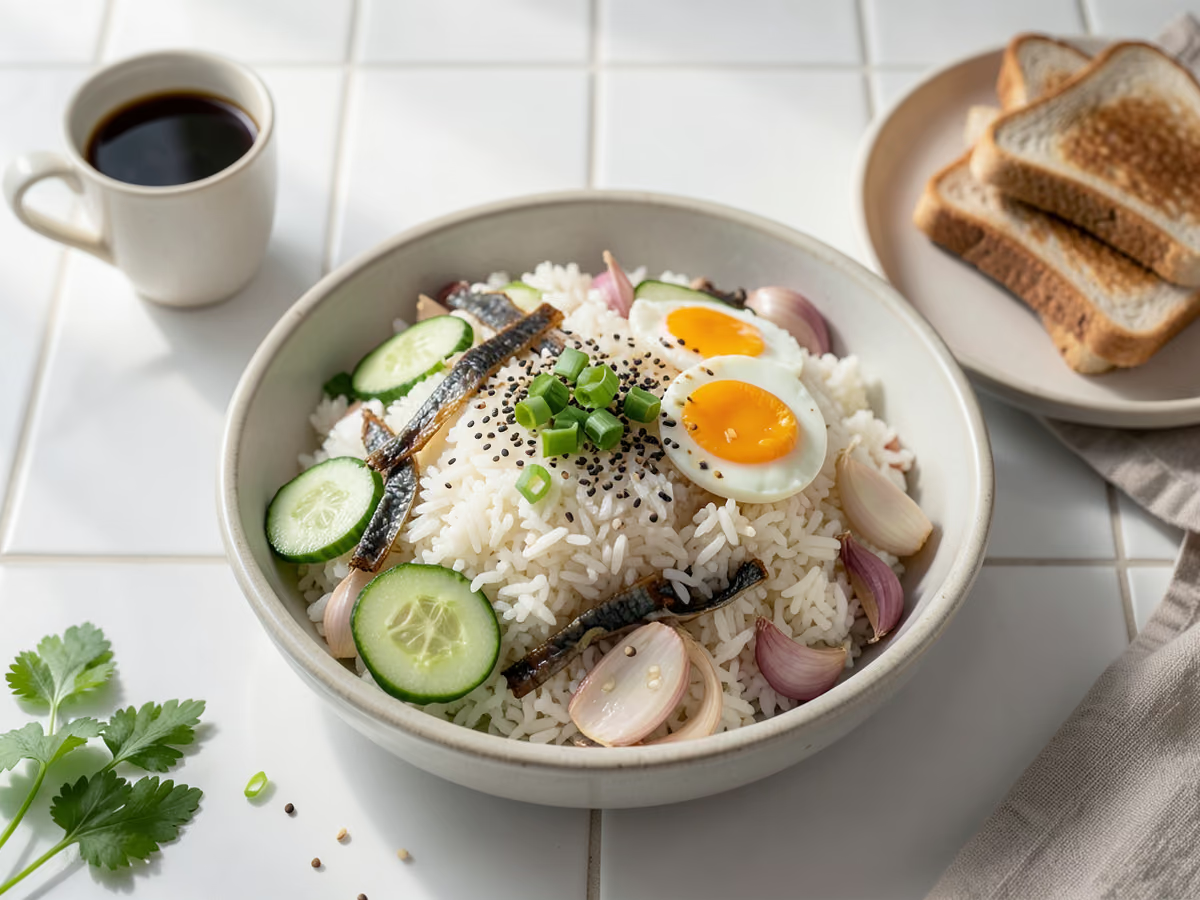
To serve, place coconut rice on plates. Top with sambal, crispy anchovies, peanuts, cucumber slices, and egg halves.
Kitchen notes
Kitchen notes
- Rinse the rice thoroughly to remove excess starch; this prevents the rice from becoming gluey.
- Use full-fat coconut milk for the creamiest rice. Shake the can well before opening.
- Fry the sambal until the oil separates and the paste darkens; this is the key to a deep, rich flavor.
- Adjust the amount of chilies to your spice preference. Remove seeds for less heat.
Substitutions
- dried red chilies→fresh red chilies (adjust quantity)
- belacan→fermented soybean paste (for a vegetarian version)
- tamarind paste→lime juice
- pandan leaves→omit or add a drop of pandan extract
Storage & reheating
Store leftover coconut rice in an airtight container in the refrigerator for up to 3 days. Keep the sambal, anchovies, peanuts, cucumber, and eggs separately. Reheat rice in the microwave with a splash of water, covered, until steaming hot. Sambal can be stored in a jar in the fridge for up to 2 weeks. Crispy anchovies and peanuts are best fresh but can be kept in an airtight container at room temperature for 2 days.
FAQ
The questions we get asked most
Can I use regular rice instead of jasmine?
Yes, you can use any long-grain rice, but jasmine rice is traditional for its fragrance. Adjust the water amount slightly if using a different type; basmati will also work but will have a different aroma.
How do I make the sambal less spicy?
Remove the seeds from the dried chilies before soaking, or reduce the number of chilies. You can also add a bit more sugar or tamarind to balance the heat. Start with fewer chilies and adjust after tasting.
Can I make nasi lemak ahead of time?
Yes, you can prepare the components ahead. Cook the rice and store it in the fridge for up to 3 days. Make the sambal and store it separately. Fry the anchovies and peanuts just before serving for best texture. Boil eggs and keep them refrigerated.
What can I use instead of belacan?
If you don't have belacan, you can substitute with fermented soybean paste (tauchu) or a small amount of fish sauce for a similar umami flavor. For a vegetarian version, use fermented soybean paste or omit it and add extra salt.
How do I prevent the rice from becoming mushy?
Rinse the rice well until the water is clear to remove excess starch. Use the correct ratio of liquid to rice: 1 part rice to 1.5 parts liquid (coconut milk + water). Avoid stirring the rice while it cooks, and let it rest covered for 10 minutes after cooking.
Can I freeze nasi lemak?
The coconut rice freezes well; cool it completely, then store in a freezer-safe container for up to 2 months. Thaw overnight in the fridge and reheat. The sambal also freezes well. Fried anchovies and peanuts do not freeze well; they become soggy.
What is the best way to reheat coconut rice?
Reheat in the microwave with a splash of water, covered, until steaming hot. Alternatively, steam it in a steamer for 5-10 minutes. Avoid reheating in a dry pan as it can dry out.
Ask KitchenMind about this recipe
Tell it what’s different tonight — it works within the actual recipe.