- Prep
- 20 min
- Cook
- 60 min
- Total
- 80 min
- Serves
- 4
Ingredients
What you’ll need — tap to tick off as you go
- 1 ½ kg
- 1 tbsp
- 50 g
- 400 g
- 2 tbsp
- 4 cloves
- 2 tbsp
- 1 tbsp
- 1 tsp
- 1 tbsp
Process
Timers built in · swap anything · ask as you cook
Rub the whole chicken inside and out with 1 tbsp salt, then rinse thoroughly under cold water and pat dry.
Fill a large pot with enough water to submerge the chicken. Add sliced ginger and spring onion segments. Bring to a gentle simmer over medium heat.
Lower the chicken into the pot. Once the water returns to a bare simmer, cover and cook for 35–40 minutes, or until the internal temperature reaches 75°C in the thickest part of the thigh.
Carefully lift the chicken out and plunge it into a bowl of ice water for 5 minutes to stop cooking and firm the skin. Drain and brush the skin with sesame oil. Keep the poaching broth.
While the chicken rests, rinse the jasmine rice until the water runs clear. Drain well.
Heat chicken fat or vegetable oil in a large pan over medium heat. Add minced garlic and cook for 1 minute until fragrant. Add the drained rice and 2 tbsp light soy sauce, stirring to coat.
Transfer the rice to a rice cooker or pot. Add 600 ml of the reserved poaching broth (discard the ginger and spring onions) and the knotted pandan leaves. Cook according to your rice cooker or until the rice is tender and the liquid is absorbed, about 20 minutes.
For the chili sauce, blend red chilies, lime juice, sugar, rice vinegar, and a pinch of salt until smooth. Adjust seasoning to taste.
For the ginger-garlic sauce, pound or blend 50 g ginger and 2 garlic cloves with a pinch of salt and 1 tbsp hot poaching broth into a paste.
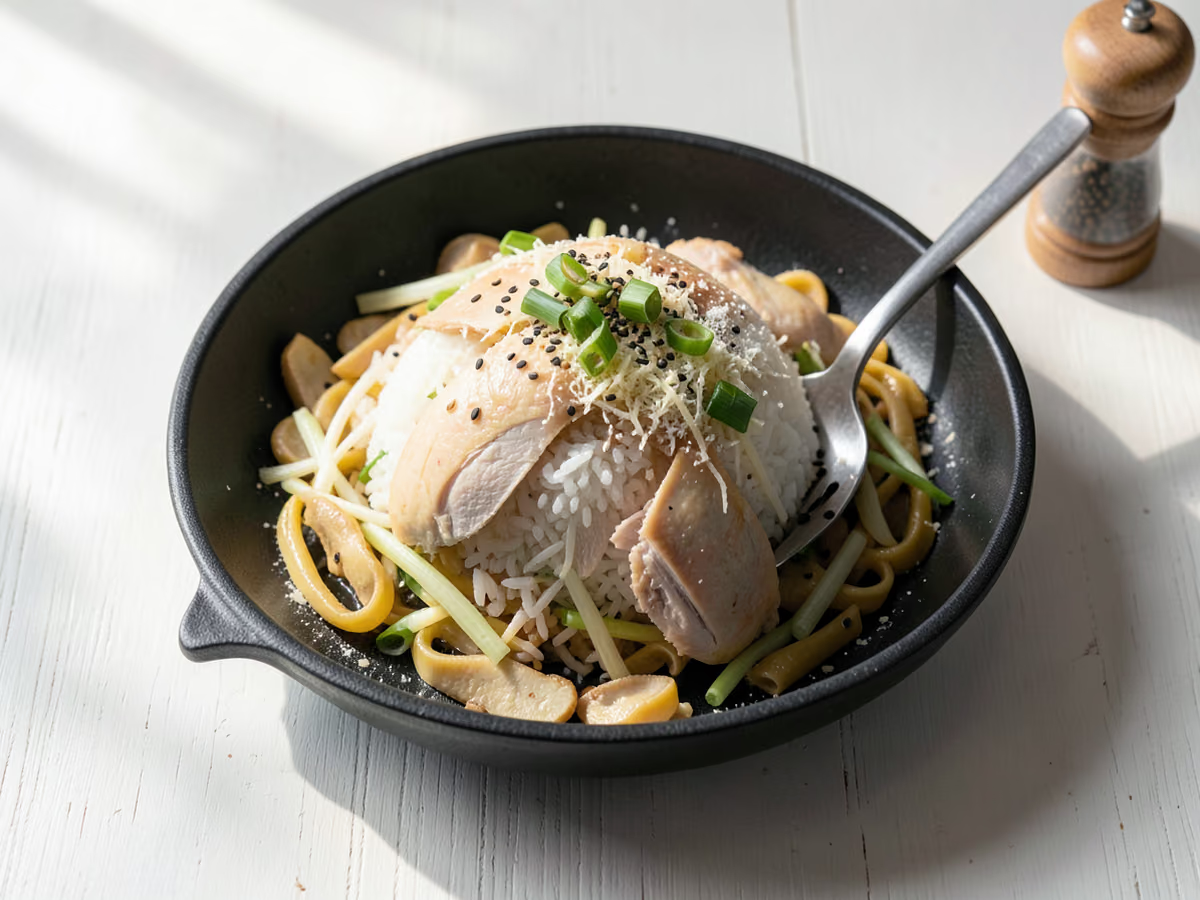
Chop the rested chicken into serving pieces. Serve with the fragrant rice, cucumber slices, chili sauce, ginger-garlic sauce, and a small bowl of the remaining hot poaching broth.
Kitchen notes
Kitchen notes
- Do not let the poaching water boil vigorously; a gentle simmer keeps the chicken tender and prevents the skin from tearing.
- The chicken is done when the juices run clear and a thermometer inserted into the thickest part of the thigh reads 75°C.
- Rinsing the rice until the water is clear removes excess starch and ensures fluffy, separate grains.
- Save the poaching broth; it is the base for the rice and makes a light soup to serve alongside.
Substitutions
- chicken fat→vegetable oil
- pandan leaves→omit or add a bay leaf
- jasmine rice→long-grain white rice
Storage & reheating
Store leftover chicken and rice separately in airtight containers in the refrigerator for up to 3 days. The broth can be refrigerated for up to 4 days or frozen for 2 months. Reheat chicken gently in a steamer or covered in a 150°C oven until warm; reheat rice in a microwave with a splash of water, covered, or in a steamer.
FAQ
The questions we get asked most
Why is my poached chicken dry?
Overcooking is the main cause. Poach at a bare simmer and check the internal temperature; it should reach 75°C but no higher. Also, plunging the chicken into ice water immediately after cooking stops the cooking process and keeps the meat juicy.
Can I use chicken breasts instead of a whole chicken?
Yes, but cooking times will be shorter. Use 4 boneless, skinless chicken breasts and simmer for 15-20 minutes, or until they reach 75°C. The broth will be less rich, so you may want to add a little chicken bouillon or extra ginger for flavor.
How do I make the rice more fragrant?
Toast the rice in chicken fat with garlic before adding the broth. Adding pandan leaves also infuses a sweet aroma. Using the poaching broth instead of water is essential for authentic flavor.
Can I make Hainanese chicken rice ahead of time?
Yes. Poach the chicken and cook the rice up to a day in advance. Store them separately in the refrigerator. Reheat the chicken gently by steaming and the rice in a microwave or steamer. The sauces are best made fresh but can be refrigerated for up to 2 days.
What if I don't have pandan leaves?
Pandan leaves add a distinct floral aroma, but you can omit them. Alternatively, add a bay leaf or a few drops of pandan extract to the rice while cooking.
How do I know when the chicken is fully cooked?
The most reliable way is to insert a meat thermometer into the thickest part of the thigh without touching bone; it should read 75°C. Alternatively, pierce the thigh and check that the juices run clear, not pink.
Can I freeze the poaching broth?
Yes, the broth freezes well. Cool it completely, then pour into freezer-safe containers, leaving some headspace. It keeps for up to 2 months. Thaw in the refrigerator overnight and reheat on the stovetop before using.
Ask KitchenMind about this recipe
Tell it what’s different tonight — it works within the actual recipe.