- Prep
- 20 min
- Cook
- 15 min
- Total
- 35 min
- Serves
- 2
Ingredients
What you’ll need — tap to tick off as you go
- 100 g
- 1 tsp
- ½ tsp
- ¼ tsp
- 120 ml
- 200 g
- 1 tbsp
- 2 tbsp
- 1 tbsp
- 5 g
- ½ tsp
Process
Timers built in · swap anything · ask as you cook
In a large bowl, whisk together 100 g all-purpose flour, 1 tsp dashi powder, 0.5 tsp baking powder, and 0.25 tsp salt until well combined.
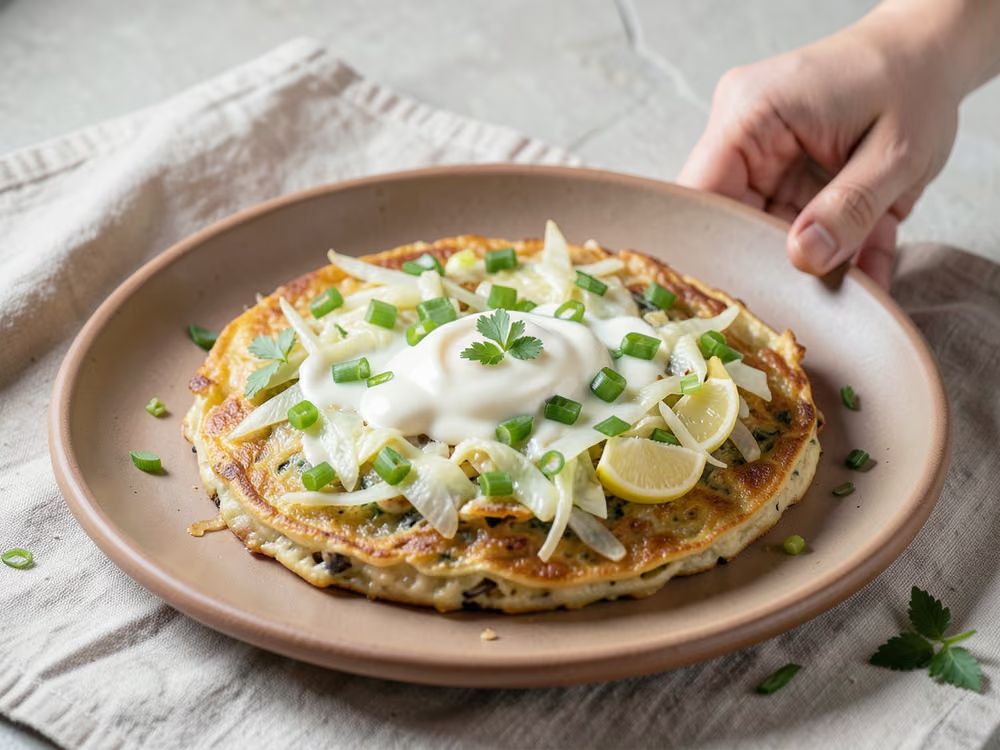
In a separate bowl, beat 1 large egg with 120 ml cold water. Pour the wet mixture into the dry ingredients and stir gently with a spatula until just combined; do not overmix. The batter should be thick but pourable.
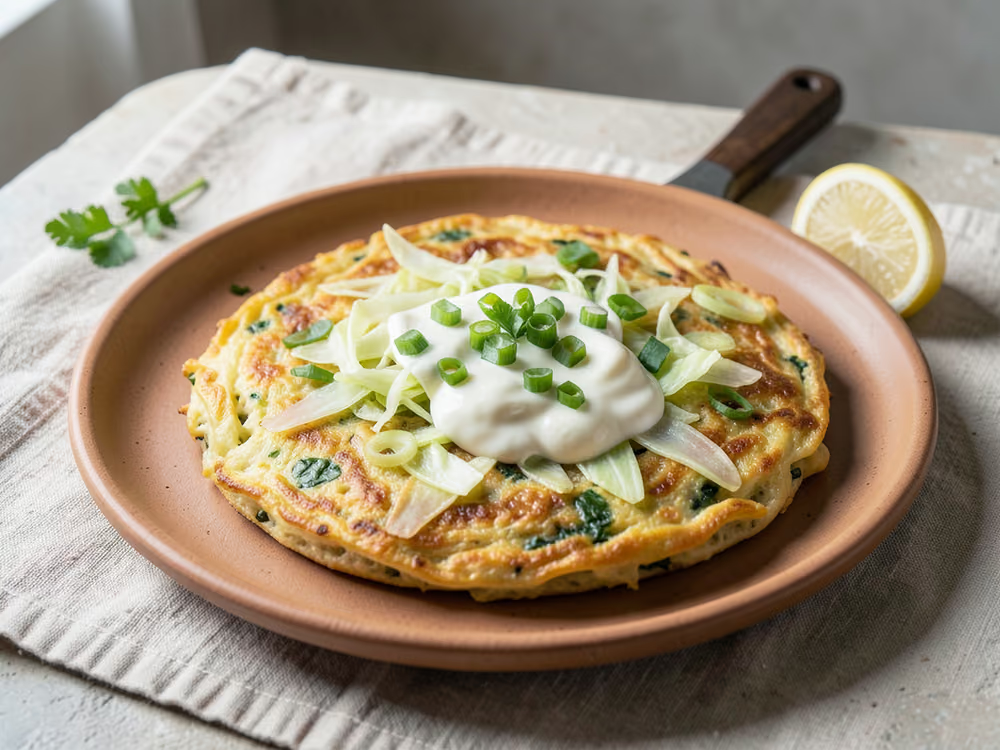
Add 200 g finely shredded cabbage and 2 thinly sliced scallions to the batter. Fold gently until the vegetables are evenly coated.
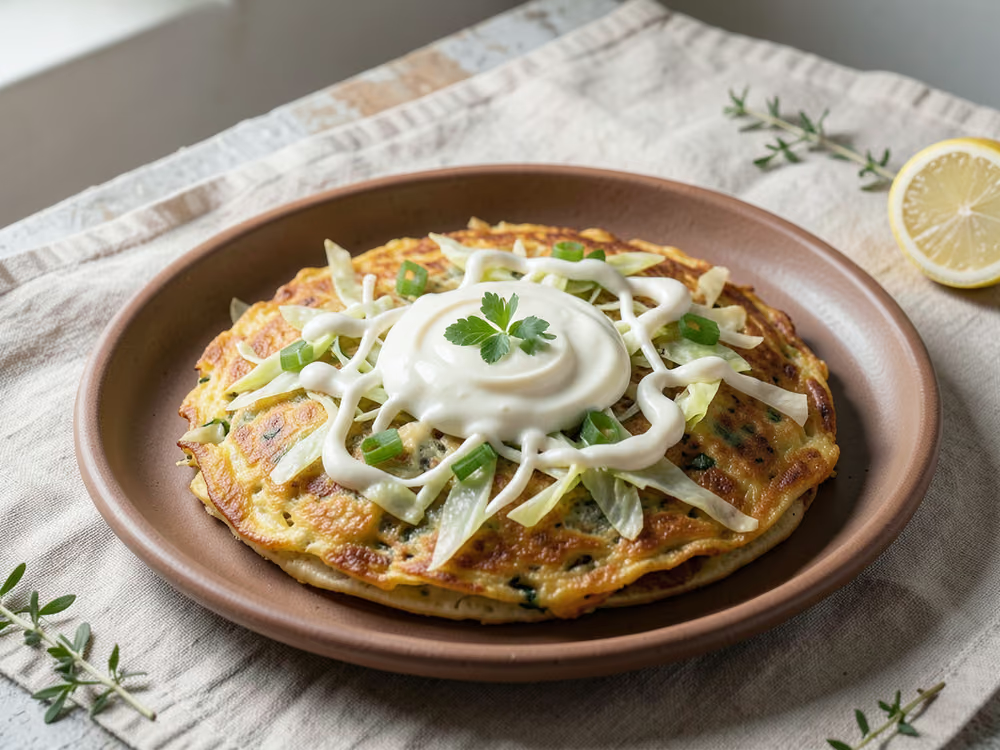
Heat 1 tbsp vegetable oil in a large non-stick skillet over medium heat. Pour the batter into the skillet and shape it into a round pancake about 2 cm thick. Cook for 5–6 minutes, or until the bottom is golden brown and crisp.
Carefully flip the pancake using a wide spatula. Cook for another 5–6 minutes on the other side, pressing lightly with the spatula to ensure even cooking, until golden brown and cooked through.
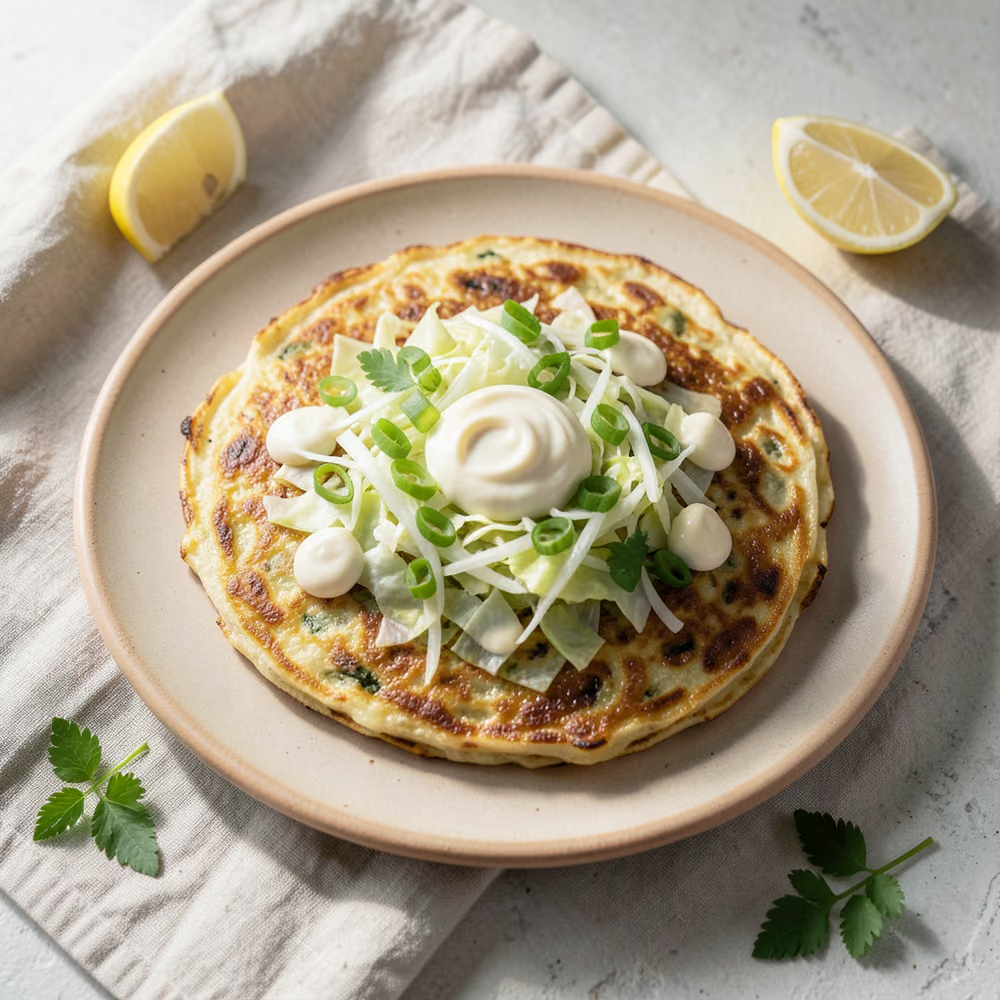
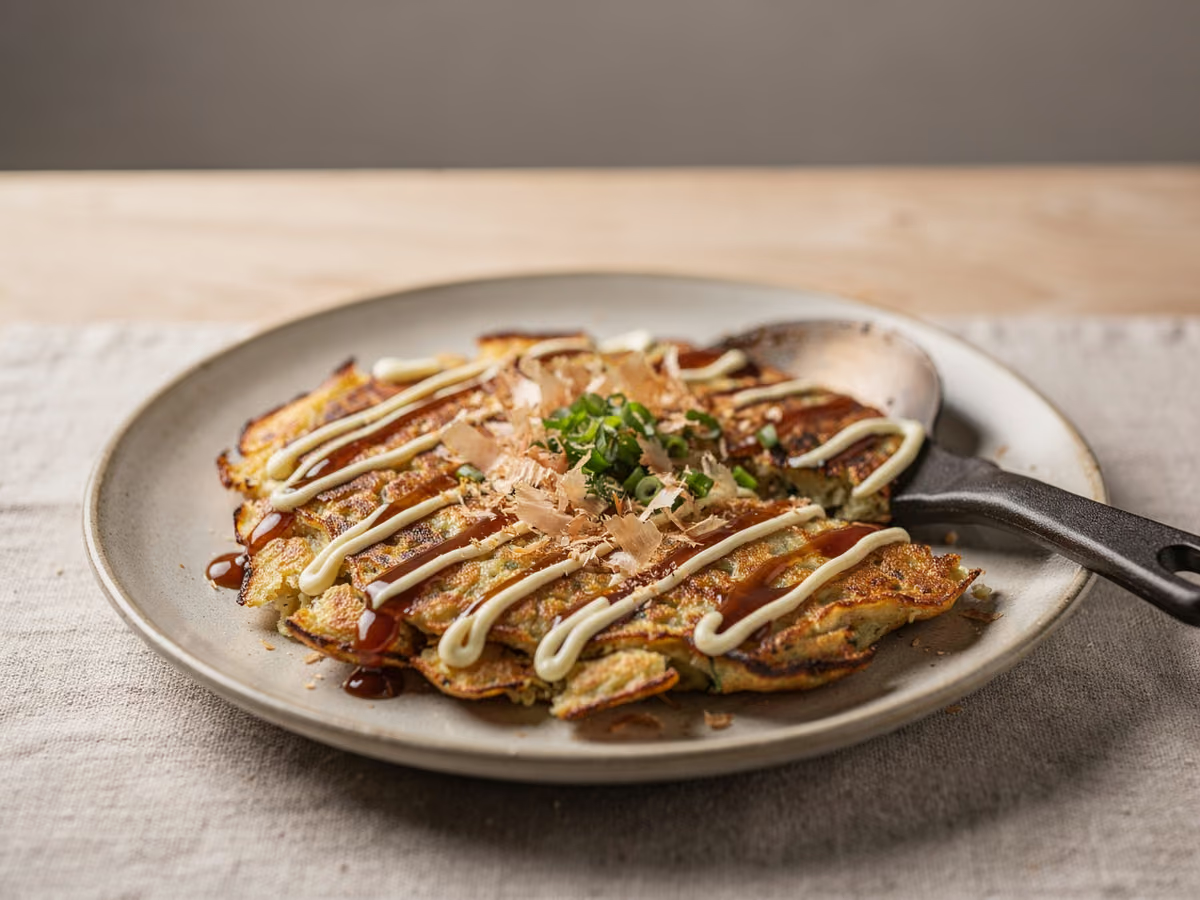
Transfer the pancake to a serving plate. Drizzle 2 tbsp okonomiyaki sauce and 1 tbsp mayonnaise over the top in a zigzag pattern. Sprinkle with 5 g bonito flakes and 0.5 tsp aonori if using. Serve immediately.
Kitchen notes
Kitchen notes
- Do not overmix the batter; a few lumps are fine. Overmixing develops gluten and makes the pancake tough.
- Shred the cabbage as finely as possible; this ensures it cooks through and integrates into the batter. A mandoline or sharp knife works well.
- Press the pancake gently with a spatula while cooking to compact it and ensure even browning. Avoid pressing too hard, which can squeeze out moisture.
- If the pancake is browning too quickly, reduce the heat to medium-low and cover the skillet with a lid to cook the center without burning the outside.
Substitutions
- dashi powder→1 tsp instant dashi granules or 1/2 tsp fish bouillon powder
- okonomiyaki sauce→tonkatsu sauce or a mix of 1 tbsp ketchup, 1 tbsp Worcestershire sauce, and 1 tsp soy sauce
- bonito flakes→toasted nori strips or omit for a vegetarian version
- vegetable oil→any neutral oil like canola or sunflower
Storage & reheating
Store leftover okonomiyaki in an airtight container in the refrigerator for up to 2 days. To reheat, place in a skillet over medium heat for 3-4 minutes per side, or microwave covered for 1-2 minutes until hot. For best texture, reheat in a toaster oven at 180°C for 5-7 minutes. Do not freeze, as the cabbage becomes watery upon thawing.
FAQ
The questions we get asked most
Why did my okonomiyaki fall apart when flipping?
The pancake likely was not cooked long enough on the first side or the batter was too thin. Ensure the bottom is deeply golden and set before flipping, and use a wide spatula. If the batter seems too loose, add a tablespoon more flour.
Can I make okonomiyaki without dashi?
Yes, you can substitute the dashi powder with an equal amount of instant dashi granules or fish bouillon. For a vegetarian version, use kombu powder or omit and add a pinch of salt.
How do I know when the okonomiyaki is fully cooked?
The pancake should be golden brown on both sides and firm to the touch. Insert a toothpick into the center; it should come out clean. The cabbage should be tender but not mushy.
Can I add other ingredients like shrimp or cheese?
Absolutely. Add up to 100 g of cooked shrimp, thinly sliced squid, or shredded cheese to the batter before cooking. Adjust cooking time slightly if adding wet ingredients.
What is the best cabbage for okonomiyaki?
Green cabbage is traditional and works best. Savoy cabbage can be used but has a stronger flavor. Avoid red cabbage as it bleeds color and has a different texture.
Can I prepare the batter ahead of time?
It is best to mix the batter just before cooking, as the cabbage releases water and the baking powder loses potency. You can shred the cabbage and mix the dry ingredients up to a day ahead, then combine with wet ingredients when ready to cook.
Why is my okonomiyaki soggy in the middle?
Sogginess usually means the heat was too high, causing the outside to brown before the inside cooks. Cook over medium heat and cover with a lid for the last few minutes to steam the center. Also, ensure the cabbage is well drained after washing.
Ask KitchenMind about this recipe
Tell it what’s different tonight — it works within the actual recipe.