Chicken Yakisoba
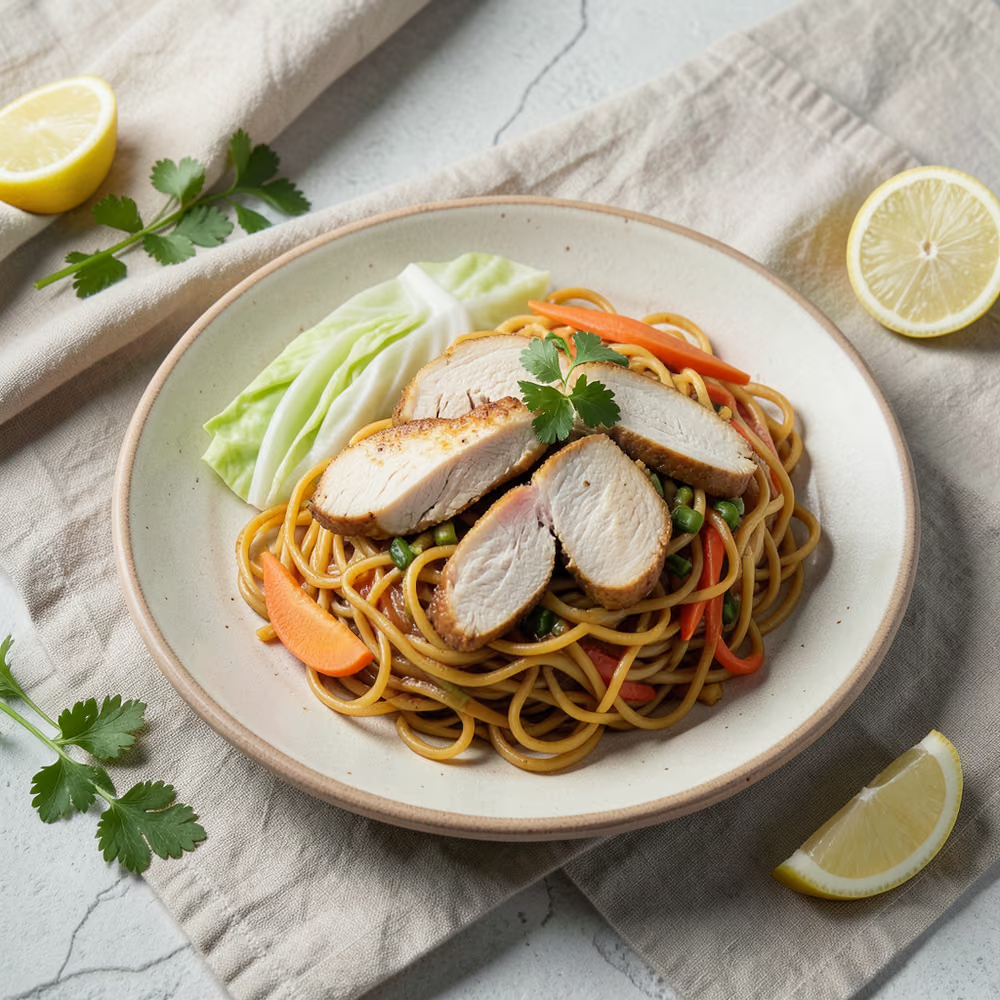
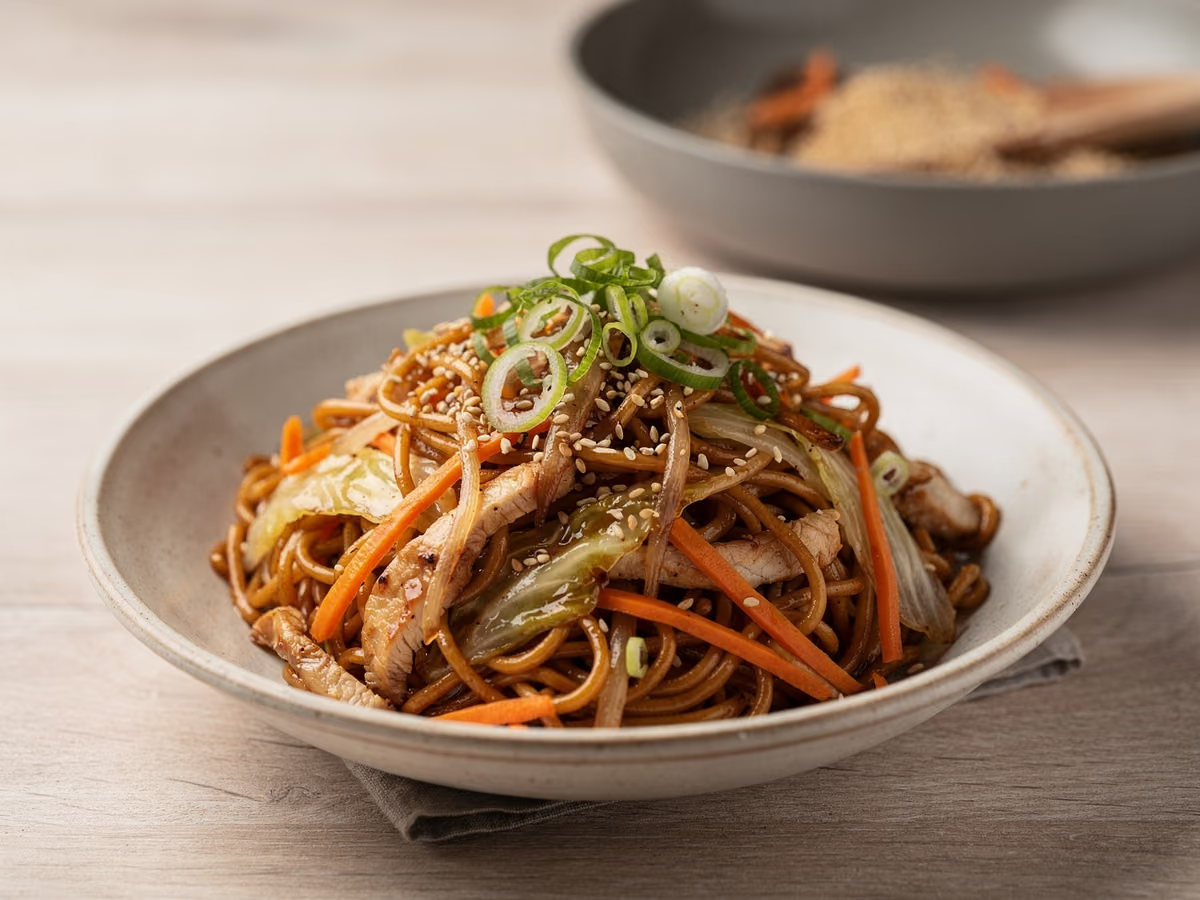
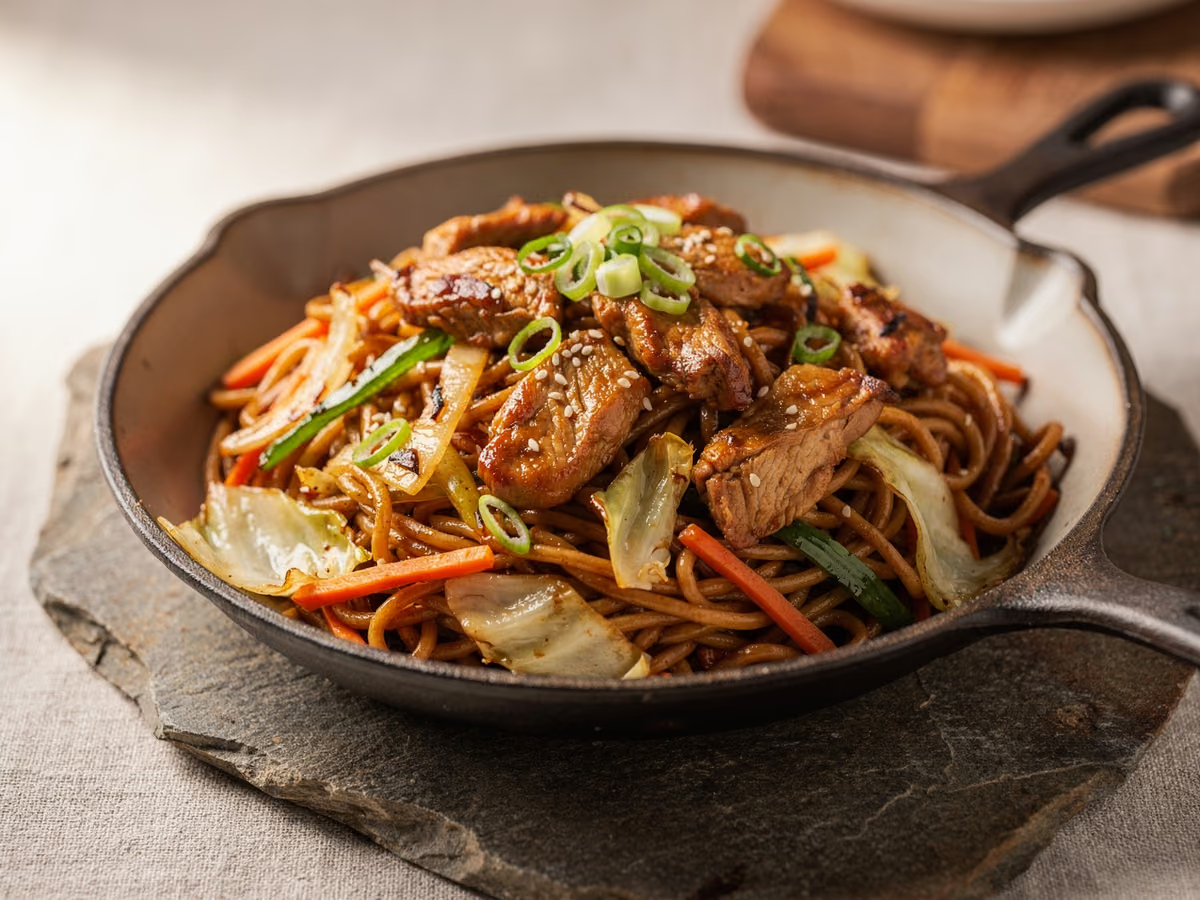
Yakisoba is Japan's griddle-fried noodle dish: 400 g of wheat noodles tossed with 300 g of chicken, cabbage, onion and carrot in a savoury-sweet sauce of soy, oyster sauce, ketchup and sugar. Once the 15 minutes of prep is done the cooking takes about 10 minutes, and the dish lives or dies on one thing: high heat and a pan that is not crowded, so the noodles fry and catch a little char instead of steaming. Cook in two batches if your pan is smaller than 30 cm.
- Prep
- 15 min
- Cook
- 10 min
- Total
- 25 min
- Serves
- 4
Ingredients
What you’ll need — tap to tick off as you go
- 400 g
- 300 g
- 200 g
- 3 tbsp
- 2 tbsp
- 1 tbsp
- 1 tsp
- 2 tbsp
- 1 pinch
- 1 pinch
Process
Timers built in · swap anything · ask as you cook
Whisk 3 tbsp soy sauce, 2 tbsp oyster sauce, 1 tbsp ketchup and 1 tsp sugar in a small bowl until the sugar dissolves. Taste it now, because this is your one easy chance to adjust: soy and oyster sauces vary a lot between brands, and a mix that is perfect with one is too salty with another. Set the bowl beside the stove.
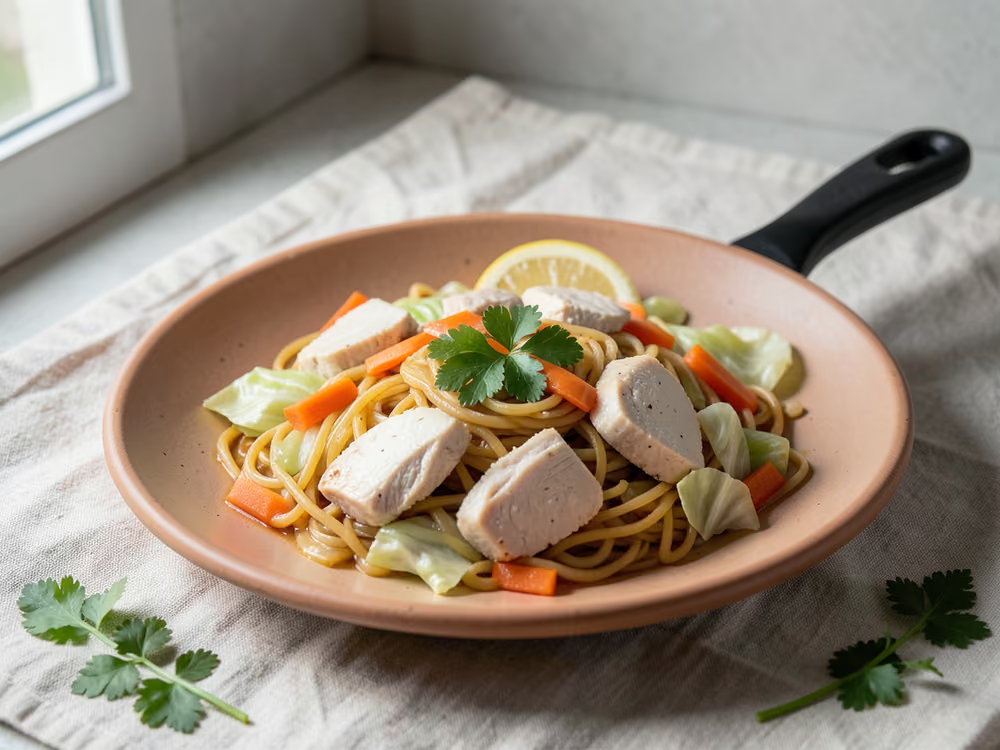
Loosen fresh noodles with your hands, or rinse parboiled ones under hot water, then drain them hard and shake the colander. Wet noodles are the surest route to a soggy pan, and forcing a cold, stuck block apart on the wok breaks the strands into short pieces instead of separating them.
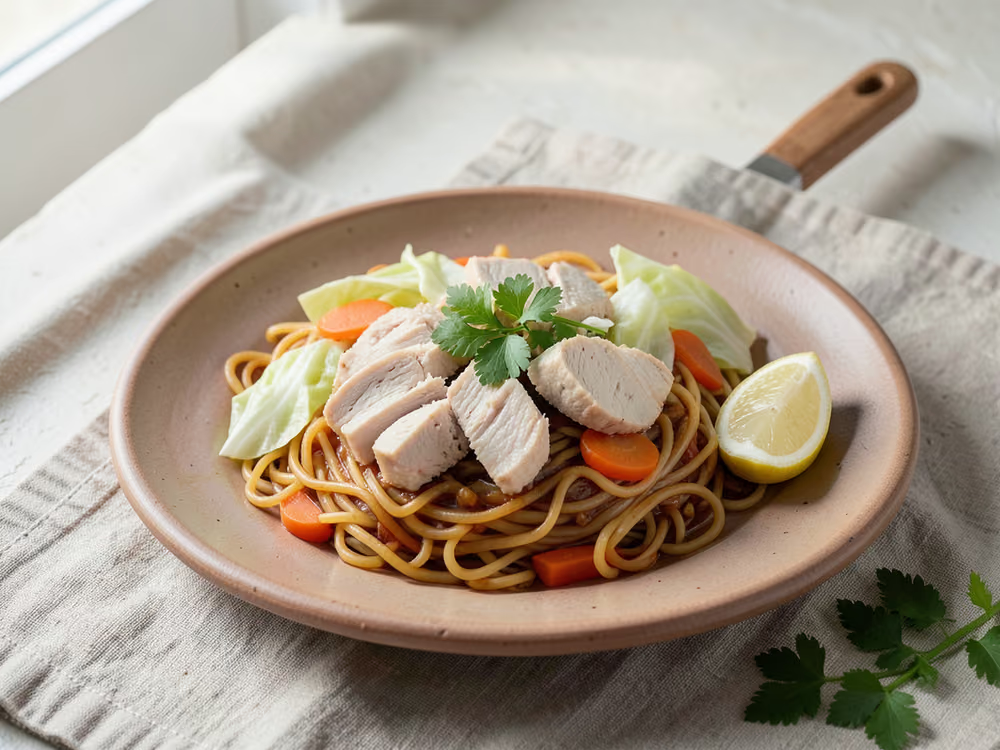
Heat 1 tbsp vegetable oil in the wok over high heat until it shimmers, then add the 300 g of sliced chicken in a single layer and stir-fry for 3 minutes, until no pink remains and the thickest slice is opaque white and reads 74°C. Do not let it brown deeply; it gets a second turn in the pan, and chicken cooked twice dries out. Remove it to a plate.
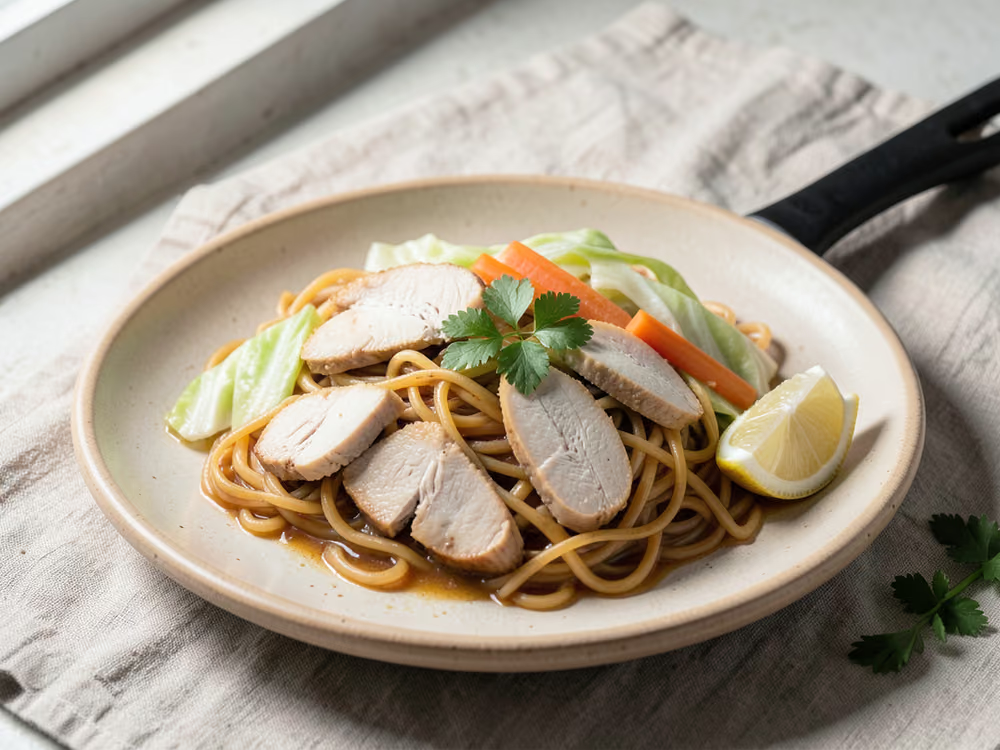
Add the remaining 1 tbsp vegetable oil, then the sliced onion, the 200 g of shredded cabbage and the julienned carrot. Stir-fry for 2 minutes, keeping everything moving, until the vegetables soften at the edges but still crunch and the cabbage turns glossy instead of watery; if it releases liquid, the pan is too crowded or not hot enough.
Return the chicken, add the 400 g of noodles and pour the sauce over everything. Toss with the tongs, lifting from the bottom, for about 2 minutes, until every strand is coated, steaming hot and glossy rather than soupy. If the noodles clump, add 1 tbsp of water, never more oil, and loosen them as they take the sauce.
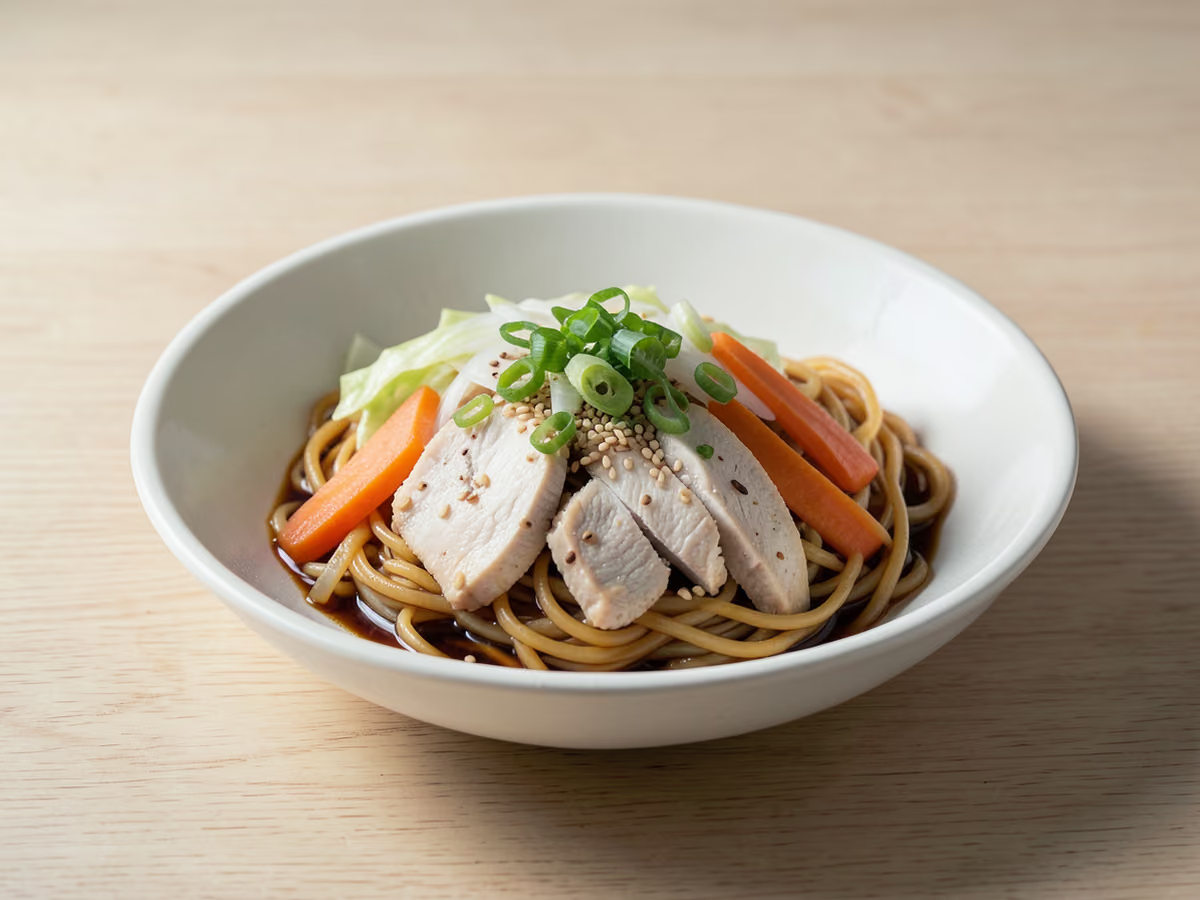
Taste and season with the pinch of salt and black pepper if you like, though the sauces are salty enough that many cooks skip the salt entirely. Serve hot, straight from the wok, while the noodles are springy; they firm up and lose their gloss as they cool.
Why this recipe works
Yakisoba noodles are already steamed, so they need only heating, and that changes how the dish behaves. The chicken goes in first, while the pan is at its hottest, then comes out so it cannot overcook while the vegetables have their turn. Heat matters because the cabbage and onion carry water: in a hot, uncrowded pan that water flashes off as steam and the noodles fry, but in a crowded pan it pools and the noodles stew. The sauce waits for the final 2 minutes for two reasons: its sugar and ketchup scorch in seconds on a hot surface, and coating noodles that are already hot and dry is what makes the sauce cling and caramelise rather than pool.
Equipment
- Wok or the widest heavy skillet you own, at least 30 cm across
- Tongs for tossing the noodles
- Chef's knife and cutting board
- Small bowl for mixing the sauce
- Measuring spoons
- Colander for draining the noodles
- Instant-read thermometer
Kitchen notes
Kitchen notes
- A wide pan beats a deep one: yakisoba wants surface contact, so use the largest skillet you own and let the noodles sit in a loose layer rather than a pile; depth steams, width fries.
- Let the dressed noodles rest against the hot metal for a few seconds before the final toss; that contact is where the toasty, street-stall flavour comes from, exactly like the char a teppan griddle gives.
- Slice everything before the pan is lit. Stir-frying is minutes of cooking and nothing waits: have the sauce mixed, the noodles drained and every vegetable cut before the first drop of oil.
- Keep a cup of water at the stove rather than more oil. As the noodles drink the sauce they start to stick, and 1 tbsp of water loosens them without greasing the plate.
- Taste again at the end: the noodles absorb salt as they cook, so the finished dish is milder than the sauce tasted in the bowl, and the pinch of salt at the end exists for exactly that gap.
Common mistakes
- Soggy, steamed noodles: wet noodles or a crowded pan. Rinse and drain parboiled noodles hard, shake the colander dry, and preheat the pan until a drop of water evaporates in 1 second; if the pan is smaller than 30 cm, cook the chicken and vegetables in two batches.
- A scorched, bitter sauce: it went in too early, or the pan was hotter than the sugar could take. Add the sauce only in the final 2 minutes, and if you smell scorching, pull the wok off the heat immediately, lower the flame and continue.
- Dry, stringy chicken: it was browned deeply in the first pass instead of simply cooked. About 3 minutes to opaque white is all it needs before it leaves the pan; it gets a second cooking with the noodles.
- Noodles broken into stubs: a cold, solid block went into the pan. Loosen them first, with your hands if fresh or a warm rinse if parboiled, and if they still stick together add 1 tbsp of water, never oil, and tease them apart.
- A sauce that is too salty or too sweet: the mix was never tasted. Adjust before the wok: 1 tsp of sugar with 1 tbsp of water tames salt, while 1 tsp of soy with a squeeze of lemon or rice vinegar pulls back sweetness.
- Wilted, watery vegetables: they cooked past 2 minutes or went in as one big pile. Keep the stir-fry short, hold the total vegetables to about 400 g, and thaw and pat dry any frozen ones before they hit the pan.
Serving suggestions
- Serve in warm bowls with the classic street-stall toppings: beni shoga (pickled ginger), a dusting of aonori seaweed and a squiggle of Japanese mayonnaise.
- A fried egg on top turns it into a fuller meal; the runny yolk becomes a second sauce for the noodles.
- Pair with a clear soup or quick-pickled cucumber, and count on one bowl per person: it serves 4 as a main, or more as part of a spread.
- Cold barley tea, iced tea or sparkling water alongside; the sweet-savoury sauce leaves the palate asking for something clean rather than sweet.
Variations
- Shrimp yakisoba, a different protein: replace the chicken with 300 g of peeled shrimp, searing them until just pink and opaque and setting them aside exactly like the chicken, then returning them only for the final toss so they stay tender.
- Vegetarian version, a different dish: use hoisin in place of the oyster sauce and swap the chicken for firm tofu browned well in the first pass; keep the sauce, vegetables and noodles exactly as they are.
- Extra vegetables: sliced mushrooms, snap peas or bell pepper go in with the cabbage and carrot, keeping the total vegetable weight near 400 g so the pan stays hot and the noodles keep frying.
Refrigerator
- RefrigeratorCool it within 2 hours, then refrigerate in an airtight container for up to 3 days, within the 3 to 4 days USDA FSIS allows for refrigerated leftovers.
- ReheatingReheat in a skillet or wok over medium-high heat with 1 tbsp of water, tossing for 3 to 4 minutes until steaming hot and the chicken is back to 74°C, the USDA FSIS reheat target for leftovers. A covered microwave works too, at 700 W for 2 to 3 minutes, stirring halfway. Reheat only once.
- FreezingUp to 1 month, portioned into freezer bags with the air pressed out; the cabbage softens on thawing, so expect a softer texture. Thaw overnight in the fridge and reheat as above.
- Make aheadThe sauce keeps 3 days in the fridge and the chicken and vegetables can be sliced the night before. For the best texture cook it fresh; if you must cook ahead, leave the vegetables underdone by 1 minute and reheat gently with a splash of water.
Updated:
How this recipe was developed
- Just One Cookbook, yakisoba (loosen the noodles before they hit the pan; add vegetables hard ones first; do not overcrowd or the noodles steam instead of fry; the sauce is tossed in at the end; a large hot griddle gives the charred street-food character)
- Bon Appetit, chicken yakisoba (yakisoba sauce is a sweet-savoury blend often built from a Worcestershire-family brown sauce, ketchup and oyster sauce)
- USDA FSIS safe minimum internal temperature chart (poultry 74°C; leftovers reheated to 74°C)
- USDA FSIS leftovers and food safety guidance (refrigerate within 2 hours; 3 to 4 days in the fridge)
Editorial references are kept internally for verification. This page makes no claim of external certification or professional testing.
Gallery
FAQ
The questions we get asked most
Why did my chicken yakisoba turn out soggy?
The pan was not hot enough or it was overcrowded, so the cabbage and noodles steamed instead of frying. Use the largest wok or skillet you have, preheat it until a drop of water evaporates in 1 second, and cook in two batches if the pan is smaller than 30 cm; draining the noodles thoroughly after rinsing matters just as much.
Can I make chicken yakisoba ahead of time?
Mix the sauce up to 3 days ahead and refrigerate it, and slice the chicken and vegetables the night before, storing them separately. For the best texture, stir-fry fresh; if you pre-cook, leave the vegetables underdone by 1 minute and reheat gently in a skillet with a splash of water.
How do I know when the chicken is fully cooked?
Every piece should be opaque white with no pink, and the thickest slice should read 74°C on an instant-read thermometer. In the recipe that takes about 3 minutes over high heat before the chicken leaves the pan; it finishes heating with the noodles. Cutting the breast into even 1 cm slices helps every piece cook at the same rate.
Can I use dried noodles instead of yakisoba noodles?
Yes: about 300 g of dried ramen or spaghetti, boiled 1 minute less than the package directs, drained and tossed with a few drops of oil so they do not stick. Dried noodles absorb more sauce, so keep 2 tbsp of extra soy mixed with 2 tbsp of water to add if the dish looks dry.
Can I use bottled yakisoba sauce?
Yes, bottled yakisoba sauce can replace the soy, oyster, ketchup and sugar mix. Start with a little less than the homemade blend and taste before adding more, because bottled versions are sweeter and thicker and season more aggressively than this one.
Why is my sauce too salty or too sweet?
Soy and oyster sauces vary a lot between brands, so taste the mix before it goes anywhere near the wok. If it is too salty, add 1 tsp of sugar and 1 tbsp of water; if it is too sweet, add 1 tsp of soy sauce and a squeeze of lemon or rice vinegar. The final pinch of salt is optional for exactly this reason.
Can I add other vegetables or use frozen ones?
Yes: firm vegetables such as sliced bell pepper, mushrooms or snap peas work well, added with the onion and cabbage, keeping the total near 400 g so the pan stays hot. Thaw and pat dry frozen vegetables first, or their water will make the noodles soggy, and avoid watery choices like cucumber or tomato.
Ask KitchenMind about this recipe
Tell it what’s different tonight — it works within the actual recipe.