- Prep
- 20 min
- Cook
- 10 min
- Total
- 30 min
- Serves
- 4
Ingredients
What you’ll need — tap to tick off as you go
- 200 g
- 300 g
- 200 g
- 3 cloves
- 2 tbsp
- 2 tbsp
- 1 ½ tbsp
- 1 tsp
- 1 tsp
- ½ tsp
Process
Timers built in · swap anything · ask as you cook
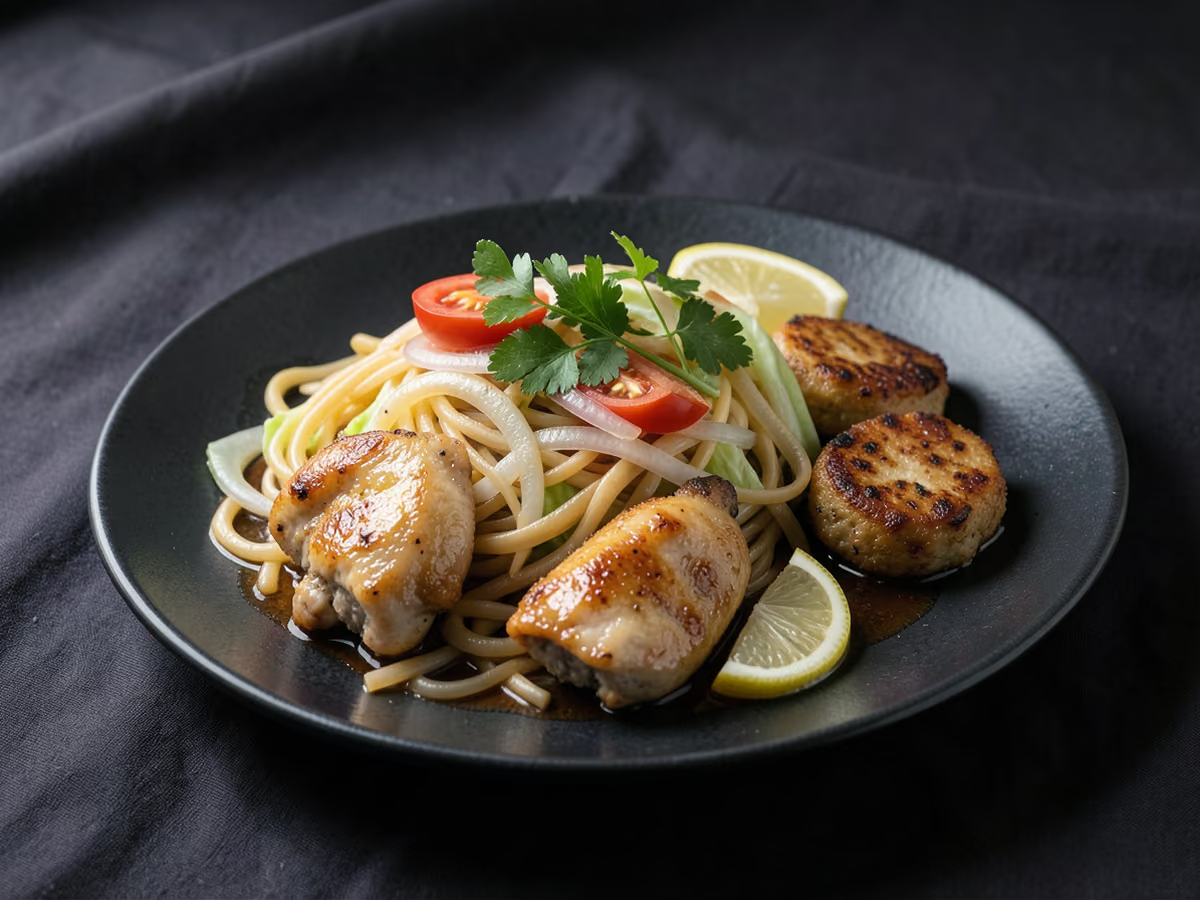
Put the 200 g glass noodles in a large bowl, cover with warm (not hot) water and soak for 15 minutes, until they bend without snapping but still feel firm. Drain well and cut the bundle in 2–3 places with kitchen scissors so the strands are easier to toss.
While the noodles soak, stir together 2 tbsp soy sauce, 1.5 tbsp oyster sauce, 1 tsp sugar, 1 tsp fish sauce and 0.5 tsp ground white pepper in a small bowl until the sugar dissolves.
Heat 1 tbsp vegetable oil in a wok or large frying pan over high heat. Add the 300 g sliced chicken thighs and stir-fry for 3–4 minutes until the pieces are opaque and lightly browned. Push them to one side of the pan.
Pour the 2 beaten eggs into the empty side of the pan and scramble for 30 seconds until just set, then mix the egg through the chicken and transfer everything to a plate.
Add the remaining 1 tbsp vegetable oil to the pan, then the 3 cloves chopped garlic and 1 sliced onion. Stir-fry for 1 minute until fragrant and the onion starts to soften.
Add the 200 g napa cabbage and 1 tomato cut into wedges. Stir-fry for 1–2 minutes, just until the cabbage wilts slightly but keeps some crunch.
Return the chicken and egg to the pan, add the drained glass noodles and pour over the soy-oyster sauce mixture. Toss continuously with tongs for 2 minutes, lifting the noodles so they coat evenly and turn glossy and translucent.
Taste and adjust with a little more fish sauce if needed, then fold through the 2 spring onions if using. Serve immediately with extra ground white pepper on top.
Kitchen notes
Kitchen notes
- The most common mistake is soaking the glass noodles too long or in boiling water: they turn to mush in the wok. Soak in warm water only until pliable, about 15 minutes, and drain thoroughly so the sauce does not become watery.
- Cook on the highest heat your hob allows and keep everything moving. Glass noodles scorch and stick within seconds on a low heat because they release starch.
- Have all ingredients chopped and the sauce mixed before the wok goes on: this dish cooks in under 10 minutes and there is no time to prep once the garlic hits the oil.
- If the noodles clump in the pan, add 1-2 tbsp water rather than more oil; the steam loosens them without making the dish greasy.
Substitutions
- chicken thighs→firm tofu or peeled shrimp
- napa cabbage→green cabbage or bok choy
- oyster sauce→vegetarian mushroom stir-fry sauce
- fish sauce→extra soy sauce
Storage & reheating
Cool leftovers within 1 hour and store in an airtight container in the fridge for up to 2 days; glass noodles absorb liquid as they sit, so reheat in a hot wok or frying pan over medium-high heat with a splash of water for 2-3 minutes rather than in the microwave, which makes them rubbery. This dish does not freeze well because the noodles break down on thawing.
FAQ
The questions we get asked most
Why did my glass noodles turn into a sticky lump?
They were soaked too long or in water that was too hot, so the surface starch gelatinised before they hit the wok. Soak in warm water for no more than 15 minutes and drain very well. Tossing them with the sauce over high heat for only 2 minutes also keeps them separate.
Can I use rice vermicelli instead of glass noodles?
Yes, but the texture will be softer and less springy. Soak rice vermicelli for only 5-8 minutes in warm water and reduce the final toss to about 1 minute, because they break apart much faster than mung bean glass noodles.
How do I know when the chicken is cooked through?
The pieces should be opaque all the way through with no pink at the centre, and they will feel firm rather than springy when pressed with a spoon. At 5 mm thick they need 3-4 minutes over high heat, plus another 2 minutes once returned to the pan with the noodles.
Can I make pad woon sen ahead of time?
You can soak the noodles, slice the chicken and vegetables, and mix the sauce up to 1 day ahead, storing each separately in the fridge. Do the actual stir-frying just before serving, because the dish loses its bounce and gloss once it sits.
My stir-fry tastes flat - what went wrong?
The pan was probably not hot enough, so the sauces steamed instead of caramelising, or the noodles were still wet and diluted everything. Drain the noodles thoroughly, get the wok smoking hot, and taste at the end, adding a few extra drops of fish sauce for salt or a pinch of sugar for balance.
Is this dish gluten-free?
Glass noodles are made from mung bean starch and contain no wheat, but regular soy sauce and oyster sauce usually contain wheat and barley. Use tamari and a gluten-free oyster sauce to make the whole dish gluten-free.
Can I add more vegetables to pad woon sen?
Yes, but keep the total to about 300 g so the wok stays hot. Carrot matchsticks, mushrooms, baby corn and bean sprouts all work; add quick-cooking sprouts in the last 30 seconds so they stay crisp.
Ask KitchenMind about this recipe
Tell it what’s different tonight — it works within the actual recipe.