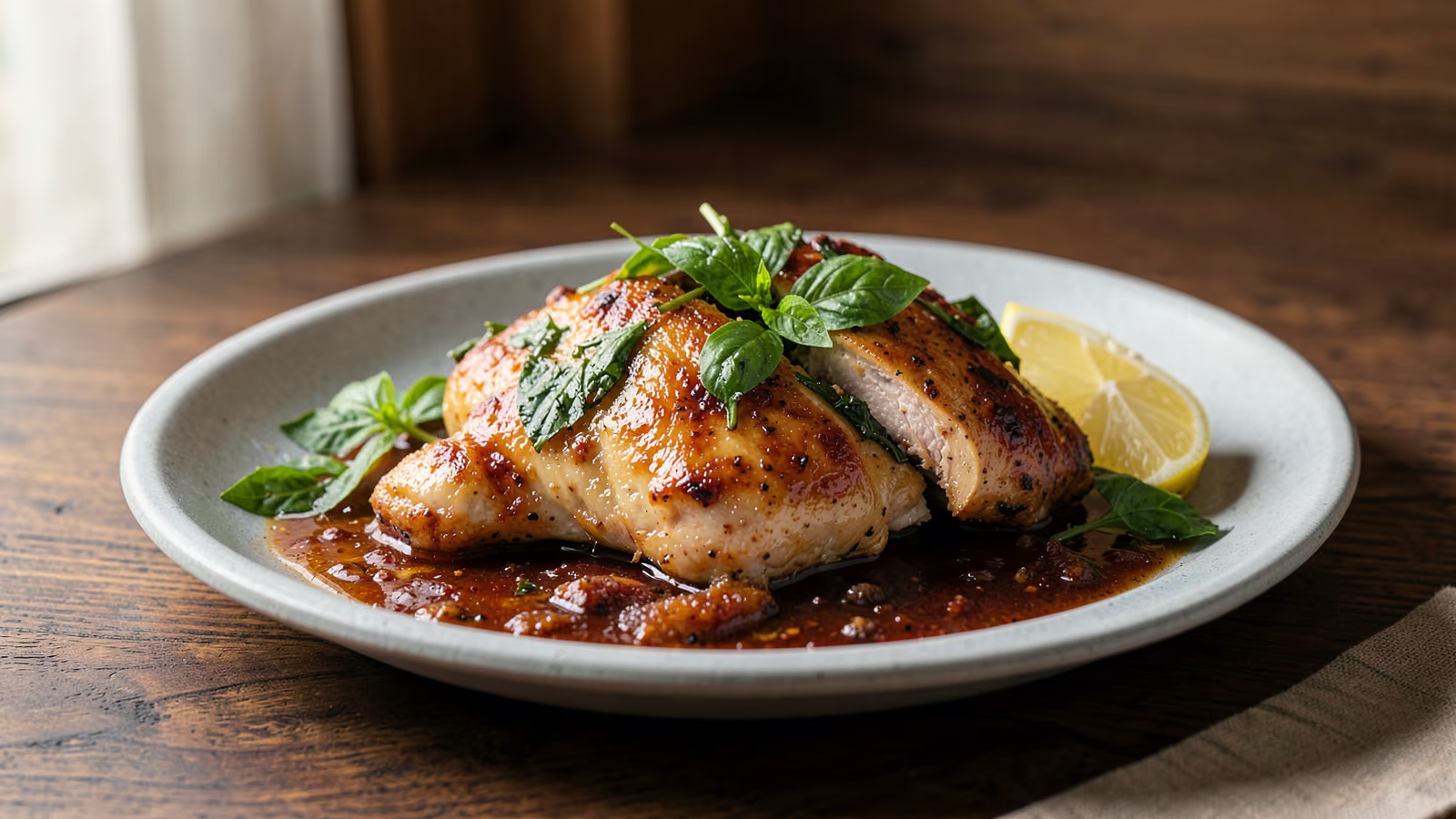
Pad Krapow Basil Chicken
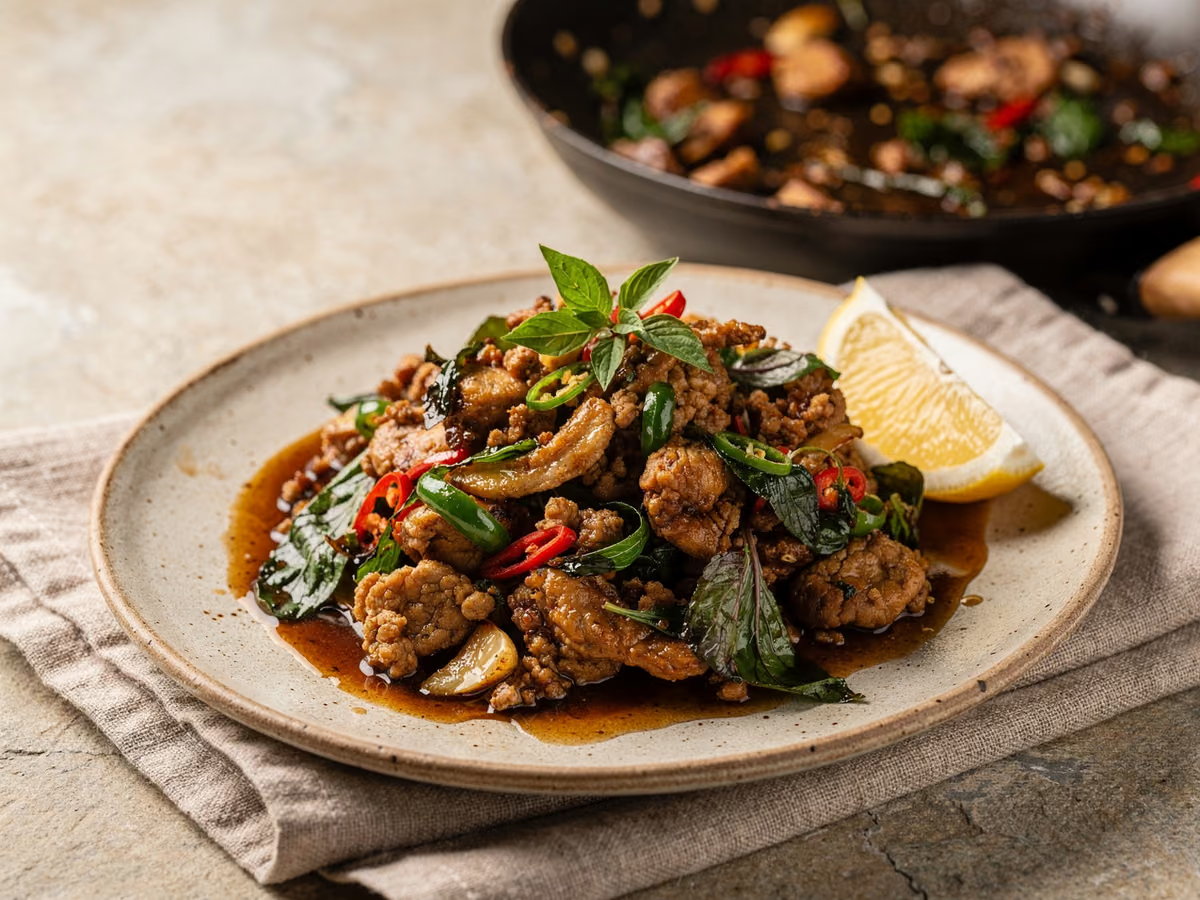
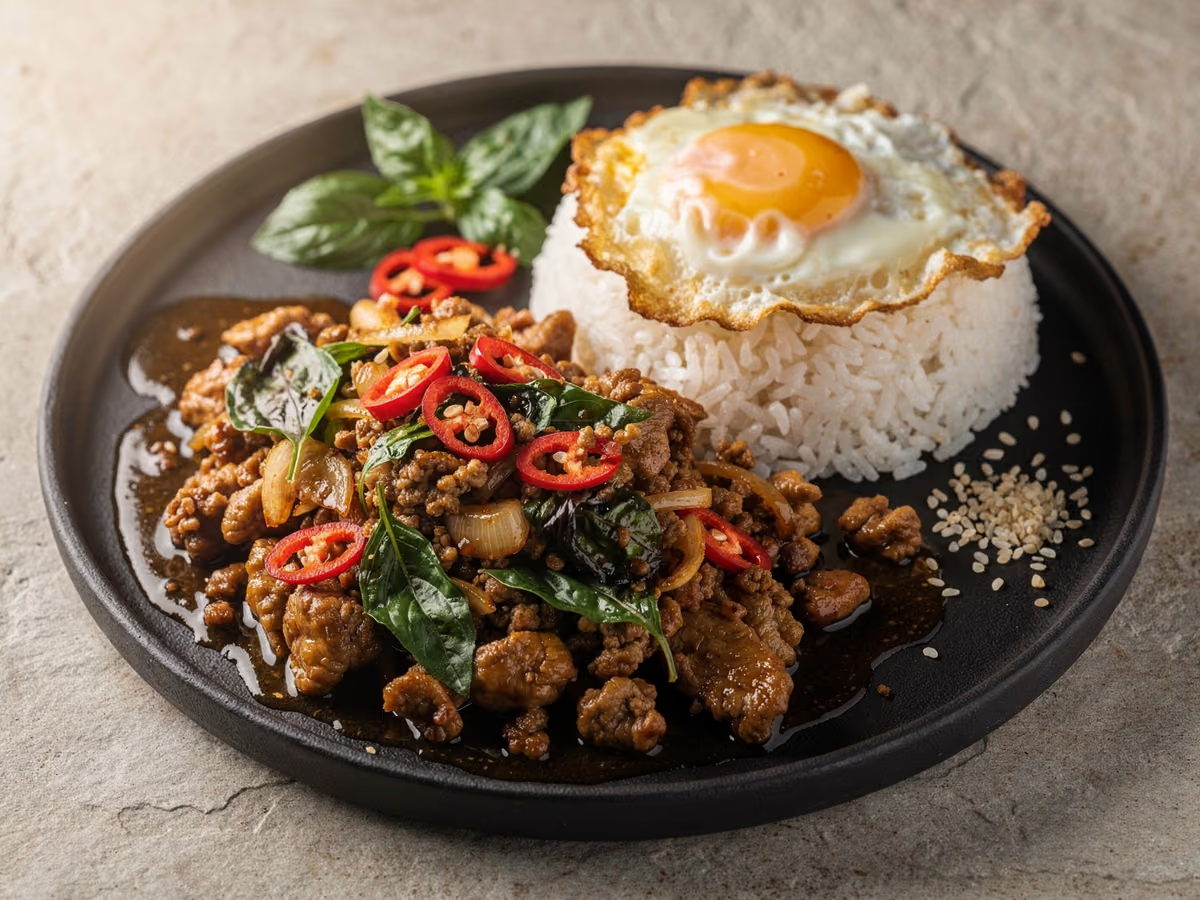
Pad krapow is Thailand's answer to a fast dinner: minced chicken seared hard in a hot wok with garlic and Thai chilies, then glazed with a soy, oyster and fish sauce mix that turns glossy as it hits the pan. The holy basil goes in after the heat is off, so it wilts without turning black, and a crisp fried egg over jasmine rice turns the whole thing into a proper meal. Prep takes 10 minutes and the stir-fry itself 10.
- Prep
- 10 min
- Cook
- 10 min
- Total
- 20 min
- Serves
- 2
Ingredients
What you’ll need — tap to tick off as you go
- 300 g
- 1 cup
- 4 cloves
- 2 tbsp
- 1 tbsp
- 1 tbsp
- 1 tsp
- 2 tbsp
- 2 tbsp
- 200 g
Process
Timers built in · swap anything · ask as you cook
Stir 2 tbsp soy sauce, 1 tbsp oyster sauce, 1 tbsp fish sauce, 1 tsp sugar and 2 tbsp water in a small bowl until the sugar dissolves, then set it beside the stove. The wok will not wait while you measure, and a sauce that goes in as one pour glazes evenly instead of scorching in patches.
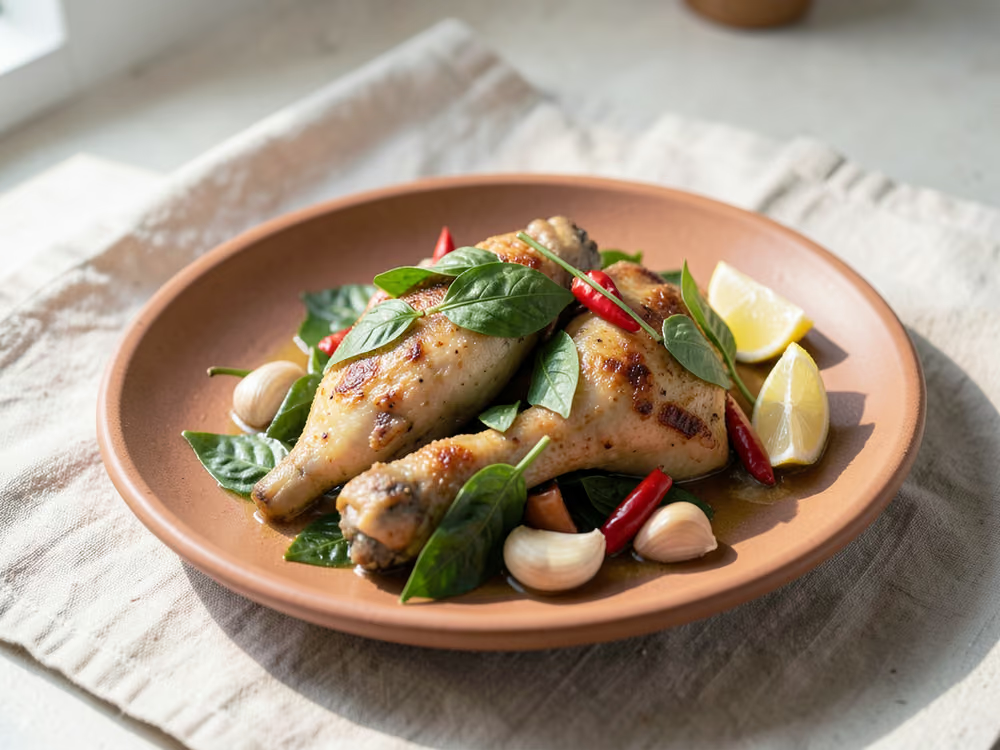
Heat 2 tbsp vegetable oil in a wok over high heat until it shimmers and moves like water, then add 4 cloves minced garlic and 4 sliced Thai chilies and stir for about 30 seconds, just until the smell turns sharp and sweet. The oil carries their flavour through the whole dish, and the window is short: garlic goes from golden to bitter in seconds.
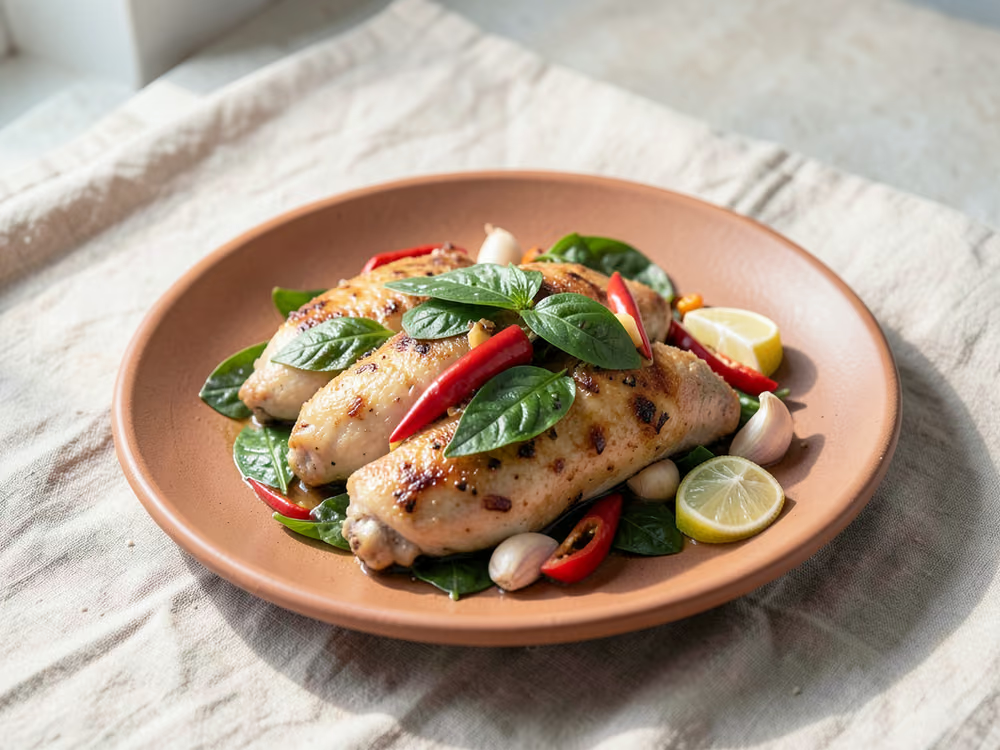
Add the 300 g minced chicken, spread it into one layer and leave it undisturbed for 1 minute so it can sear, then break it up and stir-fry for 3 to 4 minutes, until no pink remains and a few edges are browned and crisp. Check that a thick piece reads 74°C; the colour of ground chicken is not a reliable doneness signal.
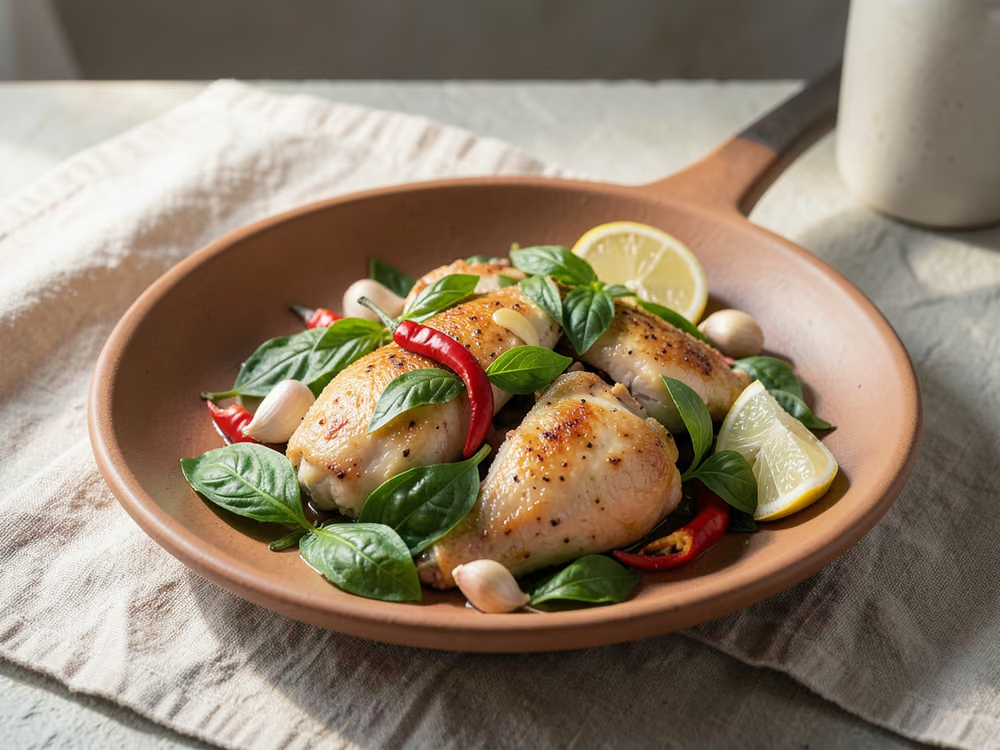
Pour the sauce over the chicken and stir-fry for 1 minute, until every piece is coated and the liquid has reduced to a shiny glaze that clings rather than pools. The sugar caramelises onto the meat during that minute; cooking it much longer starts to dry the chicken out.
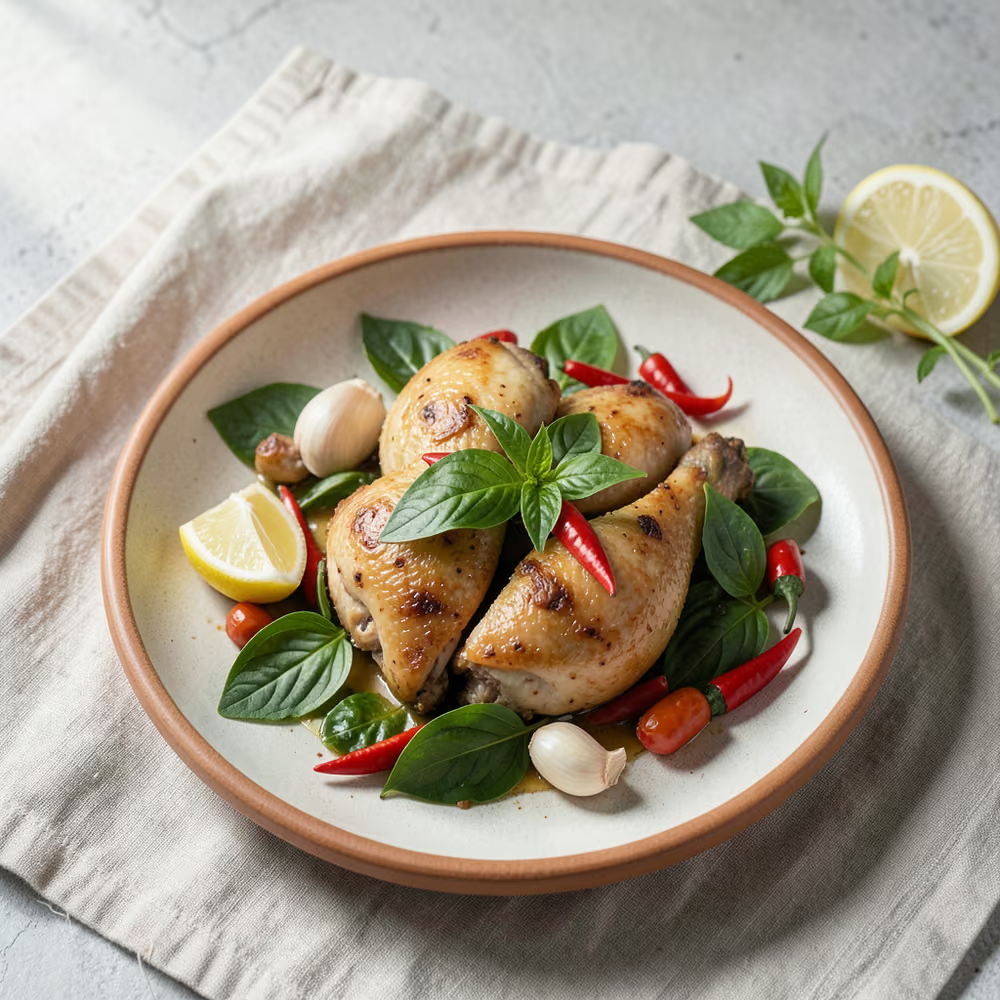
Turn the heat off, add the 1 cup holy basil and toss for about 30 seconds, until the leaves wilt and soften but stay green. The residual heat is enough to finish them: basil left over a live flame loses its peppery aroma and turns black and bitter within seconds.
Fry the 2 eggs in a lightly oiled small pan over medium-high heat until the whites are set with browned, bubbly edges and the yolks still run soft. This crisp-edged style is called khai dao; the browned rim is the point, and the runny yolk becomes a second sauce over the rice.
Divide the 200 g cooked jasmine rice between 2 bowls, spoon the chicken over it and slide a fried egg onto each bowl. Serve immediately, while the rice is hot and the basil still smells sweet.
Why this recipe works
Everything about this dish is heat and speed. A wok hot enough to make the oil shimmer sears the minced chicken; the browned crust it forms in the first undisturbed minute is where the deep savoury flavour comes from, and crowding the pan or stirring straight away releases water that boils the meat grey. Pounding the garlic and chilies together bruises the cells and releases more of their aromatic oils than slicing does. The sauce balances salt, sugar and water: the sugar caramelises into a glaze, and the 2 tbsp of water keeps that glaze loose enough to coat the chicken instead of scorching. Holy basil's peppery aroma is volatile, so it goes in only after the heat is off.
Equipment
- Heavy wok or wide skillet, 28 cm or larger
- Small bowl for the sauce
- Chef's knife and cutting board, or a mortar and pestle
- Wok spatula or wooden spoon
- Instant-read thermometer
- Small nonstick pan for the fried eggs
- 2 serving bowls for the rice
Kitchen notes
Kitchen notes
- Have everything ready before the wok goes on, garlic, chilies, basil, sauce and warm rice, because from first ingredient to plate the stir-fry takes about 4 minutes and there is no time to chop mid-cook.
- Pound the garlic and chilies in a mortar rather than mincing them: bruised cell walls release more aromatic oil, and the paste sizzles into the fat more evenly than a scatter of dry pieces.
- Hand-chop the thighs with a knife for a coarse, uneven mince. The pebbly texture browns better and stays juicier than finely machine-ground meat, which can turn pasty in the pan.
- Taste the glaze just before the basil goes in. If it tastes harsh, a pinch of sugar rounds it off; if it tastes flat, a few more drops of fish sauce. The sauce should be salty-sweet, never either alone.
- Do not skip the 2 tbsp water in the sauce. It steams through the pan and keeps the chicken moist, and it stops the sugar from burning before it has a chance to coat the meat.
Common mistakes
- Grey, steamed chicken with no crust: the wok was not hot enough, the pan was crowded, or the meat was stirred the moment it went in. Let the oil shimmer, spread the 300 g into a single layer, and leave it for 1 minute before breaking it up.
- Dry, chewy chicken: it cooked past the point of no pink. The sear and the sauce stage together take under 5 minutes over high heat; pull the pan as soon as the glaze coats the meat.
- Bitter, acrid taste: burnt garlic or blackened basil. Garlic needs 30 seconds at most in the oil, and the basil goes in only after the heat is off.
- Soggy stir-fry with liquid pooling in the bowl: a start-and-stop cook, or sauce that went in before the chicken had browned. Toss continuously once the sauce is in, so it glazes rather than steams.
- Flat, one-dimensional flavour: the fish sauce or the sugar was left out. They balance the soy and oyster sauces; without them the dish tastes like plain salty chicken.
Serving suggestions
- Serve each portion over the hot jasmine rice with a fried egg on top, and put extra chilies in fish sauce on the table for anyone who wants more heat.
- Cucumber slices or a crisp lettuce leaf alongside cool the heat between bites, and a squeeze of lime over the bowl sharpens the glaze.
- This is a one-bowl meal in Thailand: the runny yolk breaks into the rice and sauce as you eat, so keep the egg on top rather than stirring it in early.
- Jasmine tea or chilled sparkling water alongside keeps the focus on the food; a sweet iced tea works too if you like the heat softened.
Variations
- Extra-hot: keep all 4 Thai chilies and leave the seeds in, or add a pinch of cayenne with the garlic. For a milder dish, scrape the seeds and pith out of the chilies before slicing.
- Long-bean pad krapow: add a handful of trimmed long beans or green beans, cut into short lengths, with the garlic, so they blister slightly and stay snappy.
- Ground turkey or plant-based mince, a different dish but the same method: use the same 300 g, break it up the same way, and expect a slightly softer, less rich result. Lean mixes need a drizzle of extra oil.
Refrigerator
- RefrigeratorCool the stir-fry within 2 hours of cooking, then refrigerate it in an airtight container for up to 3 days. Keep the rice separate and leave the fried eggs out of the container; they are best fried fresh when you reheat.
- ReheatingReheat in a skillet over medium heat for 3 to 4 minutes, or cover and microwave at 70% power for 1 to 2 minutes, until steaming hot throughout; USDA FSIS guidance for leftovers is 74°C. A splash of water keeps the glaze from tightening too much.
- FreezingUp to 2 months in a freezer-safe container. Thaw overnight in the fridge, reheat as above, and do not refreeze once thawed. Add fresh basil after reheating, because frozen basil darkens.
- Make aheadMix the sauce and chop the garlic, chilies and basil up to a day ahead and refrigerate. Beyond that the stir-fry is best made and eaten on the spot, since reheated basil loses most of its aroma.
Updated:
How this recipe was developed
- Hot Thai Kitchen (Pailin Chongchitnant), pad gaprao technique (sear the protein before the sauce, stir the garlic-chili paste briefly, add the holy basil off the heat, serve with rice and a fried egg)
- Serious Eats, The Food Lab (J. Kenji Lopez-Alt), on high heat for stir-fries (get the pan ripping hot and keep it there, or the meat boils and steams instead of searing)
- USDA FSIS safe minimum internal temperatures (ground poultry 74°C) and leftovers guidance (refrigerate within 2 hours; reheat leftovers to 74°C)
Editorial references are kept internally for verification. This page makes no claim of external certification or professional testing.
Gallery
FAQ
The questions we get asked most
Why did my pad krapow turn out dry?
Usually overcooking, or a pan that was not hot enough, so the chicken sat in its own juices instead of searing. Cook the mince just until no pink is left, about 3 to 4 minutes, and do not skip the 2 tbsp water in the sauce: it steams through the pan and keeps the dish moist.
Can I use dried holy basil instead of fresh?
No, dried leaves will not work: they taste of hay where fresh holy basil tastes peppery and clove-like, and they will not wilt into the dish. Thai basil or sweet basil are the substitutes worth making, though both are milder.
Can I make pad krapow ahead of time?
You can mix the sauce and chop the aromatics up to a day ahead, but the stir-fry itself is best made fresh, because the basil loses its aroma and the chicken firms up on reheating. If you must, cool it quickly, refrigerate it, and reheat gently.
How do I know when the chicken is fully cooked?
It is done when it is opaque and firm with no pink, which takes about 3 to 4 minutes over high heat after the initial sear. A thick piece should read 74°C, the USDA FSIS minimum for ground poultry; colour alone is not a reliable test.
Can I use ground chicken instead of minced thighs?
Yes, the same 300 g. Pre-ground chicken is often leaner and cooks faster, about 2 to 3 minutes; add a little extra oil if the meat is very lean, so it does not stick to the pan.
Why is my stir-fry soggy?
The pan was not hot enough or it was crowded, so the chicken steamed instead of seared and released its water. Cook the 300 g in a single layer, in two batches if your pan is small, and add the basil only after the heat is off.
How spicy is this pad krapow?
With all 4 Thai chilies, it is a genuinely hot street-style dish; the egg and rice soften the blow. For a medium version, use 1 or 2 chilies and scrape out the seeds, and taste the glaze before the basil goes in.
Ask KitchenMind about this recipe
Tell it what’s different tonight — it works within the actual recipe.