- Prep
- 20 min
- Cook
- 45 min
- Total
- 65 min
- Serves
- 4
Ingredients
What you’ll need — tap to tick off as you go
- 200 g
- 2 tbsp
- 1 tsp
- 20 g
- 4 cloves
- 2 tsp
- 1 tsp
- ½ tsp
- 1 tsp
- 1 ½ tsp
- 1 tsp
- 800 ml
- 15 g
- 1 tbsp
Process
Timers built in · swap anything · ask as you cook
Drain the soaked kidney beans and rinse well. Place them in a large pot with 800 ml water and 0.5 tsp of the salt. Bring to a boil, then reduce heat to low, cover, and simmer for 40–50 minutes until the beans are completely tender and easily mashed between your fingers. If using a pressure cooker, cook for 15–20 minutes after the first whistle. Reserve the cooking liquid.
While the beans cook, heat the vegetable oil in a wide pan over medium heat. Add the cumin seeds and let them sizzle for 20–30 seconds until fragrant and slightly darkened.
Add the chopped onions and cook over medium heat for 8–10 minutes, stirring often, until deep golden brown. This slow browning builds the base flavor, so do not rush it.
Stir in the grated ginger, minced garlic, and slit green chili. Cook for 1 minute until the raw smell disappears.
Pour in the pureed tomatoes and cook for 6–8 minutes, stirring, until the mixture thickens and the oil starts to separate at the edges of the pan.
Add the ground coriander, ground cumin, turmeric powder, red chili powder, and the remaining 0.5 tsp salt. Stir and cook for 1 minute to toast the spices.
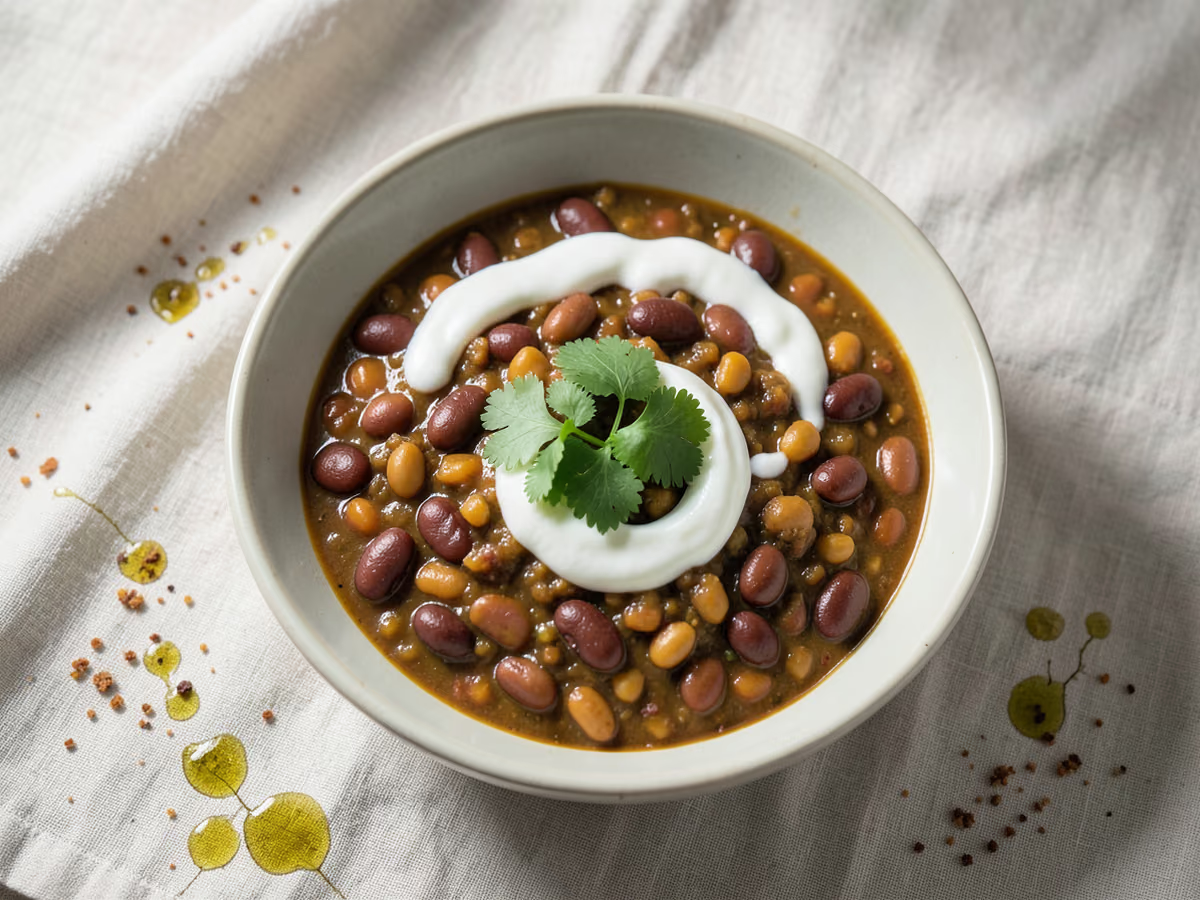
Add the cooked kidney beans along with 250–300 ml of the reserved cooking liquid. Mash a few beans against the side of the pan with the back of your spoon to thicken the gravy. Simmer uncovered over low heat for 15–20 minutes, stirring occasionally, until the curry is thick and the beans are coated in the masala. Add a splash more liquid if it looks too dry.
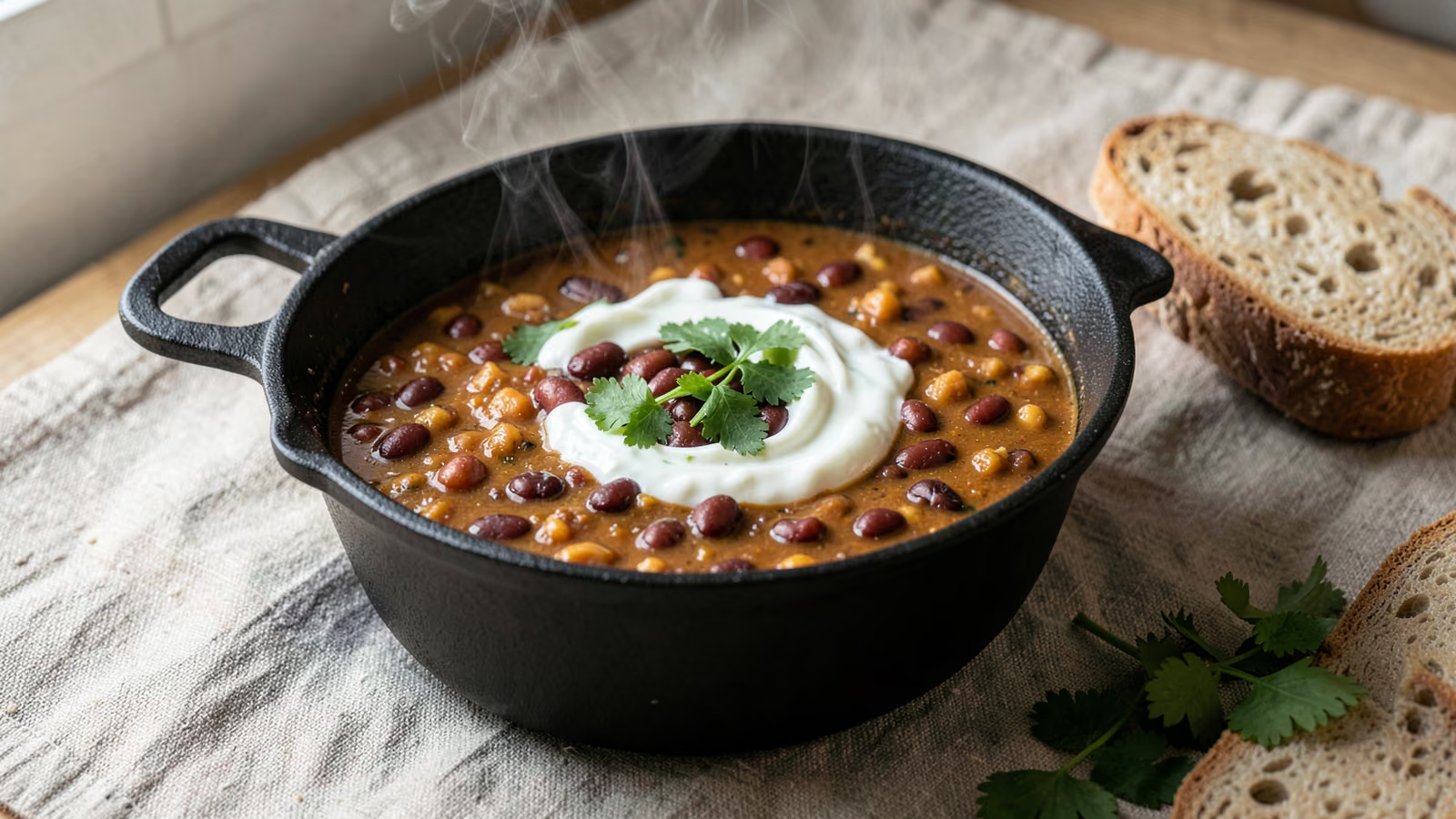
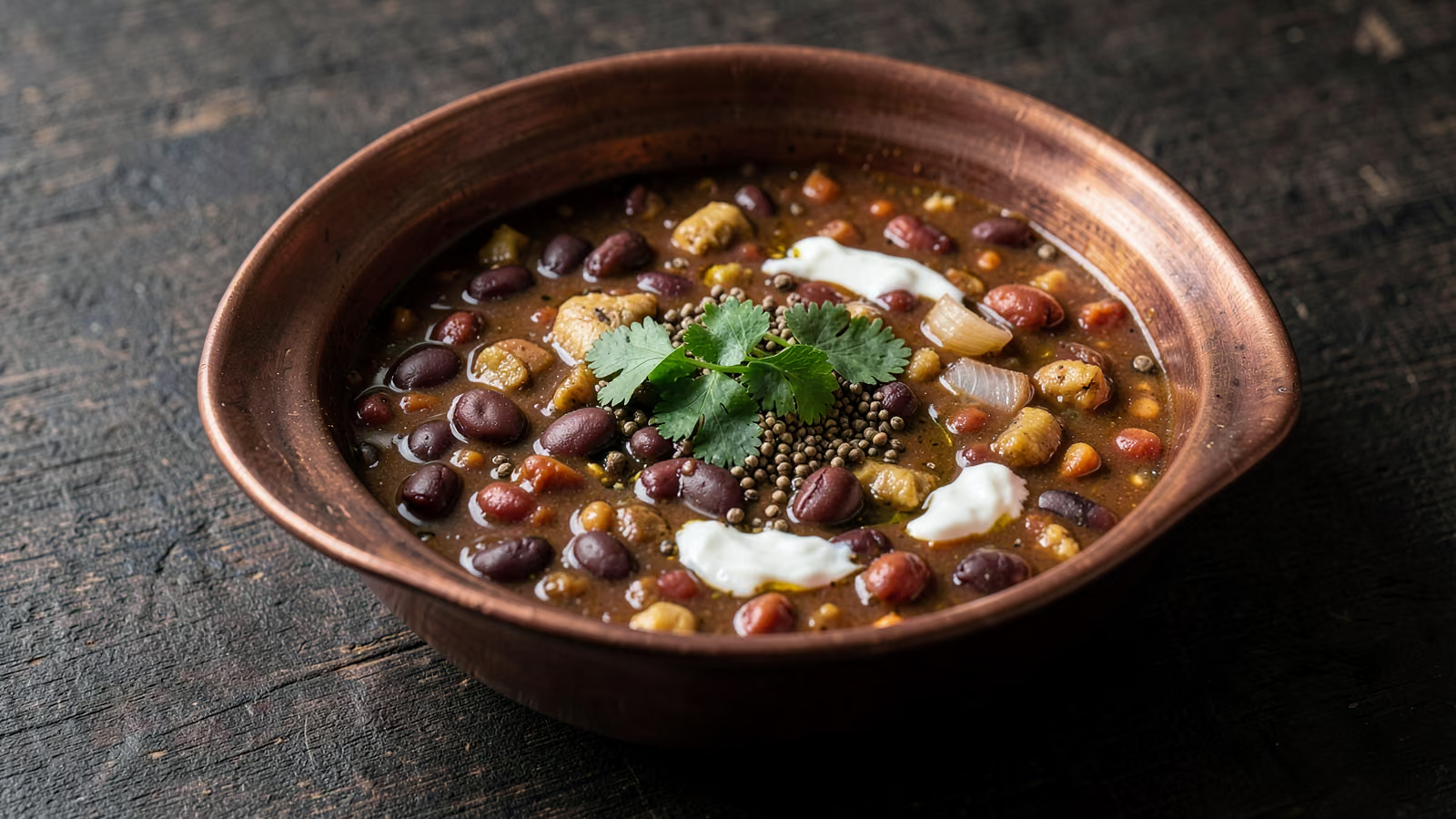
Turn off the heat. Stir in the garam masala and lemon juice if using. Taste and adjust salt. Garnish with chopped fresh cilantro and serve hot with steamed rice or flatbread.
Kitchen notes
Kitchen notes
- The most common mistake is undercooking the beans: they must be soft enough to mash easily, otherwise the final curry will taste chalky. If they are still firm after simmering, continue cooking in 10-minute increments.
- Do not skip browning the onions to a deep golden color; this is what gives rajma its characteristic sweet, rich base. Pale onions will leave the curry tasting flat.
- Mashing some of the cooked beans into the gravy is the traditional way to thicken it without flour or cream. For an even silkier texture, blend about a cup of the finished curry and stir it back in.
- Rajma masala tastes even better the next day as the spices meld. Cool it completely, then refrigerate overnight and reheat gently, adding a little water if needed.
Substitutions
- dried kidney beans→canned kidney beans (drained and rinsed, about 480 g)
- vegetable oil→ghee or sunflower oil
- fresh tomatoes→canned crushed tomatoes (400 g)
- green chili→a pinch of cayenne pepper or omit for mild heat
Storage & reheating
Store leftover rajma masala in an airtight container in the refrigerator for up to 4 days. It also freezes well for up to 3 months; thaw overnight in the fridge. Reheat gently on the stovetop over low heat or in the microwave, adding a splash of water to loosen the gravy. Do not boil vigorously, as this can break apart the beans.
FAQ
The questions we get asked most
Why are my kidney beans still hard after cooking?
Old dried beans or an acidic ingredient added too early can prevent softening. Soak them overnight with a pinch of baking soda, and always cook the beans fully before adding tomatoes or lemon juice. If they are still firm, keep simmering; they will eventually soften.
Can I use canned kidney beans instead of dried?
Yes. Use about 480 g of drained and rinsed canned beans. Skip the bean-cooking step, and simmer the beans in the masala for only 10-15 minutes so they do not turn mushy. You will need less water, so add it gradually.
How do I make rajma masala less spicy?
Omit the green chili and reduce or skip the red chili powder. You can also add a tablespoon of plain yogurt or a splash of cream at the end to mellow the heat. Taste after adding the garam masala and adjust.
Can I make rajma masala in a pressure cooker or Instant Pot?
Yes. For a stovetop pressure cooker, cook soaked beans with water for 15-20 minutes after the first whistle. For an Instant Pot, cook soaked beans with 800 ml water on high pressure for 20 minutes, then release naturally. Prepare the masala separately and combine.
Why did my rajma masala turn out watery?
The beans were likely not mashed enough or too much cooking liquid was added. After adding the beans, simmer uncovered and mash a few beans against the pan to release starch. If still thin, simmer longer until the gravy coats the back of a spoon.
Can I freeze rajma masala?
Yes, it freezes very well. Cool completely, portion into freezer-safe containers, and freeze for up to 3 months. Thaw overnight in the refrigerator and reheat gently on the stovetop, adding a little water if the gravy has thickened too much.
What do I serve with rajma masala?
It is traditionally served with steamed basmati rice, but also goes well with roti, naan, or jeera rice. A side of sliced onions, lemon wedges, and cucumber raita balances the meal.
Ask KitchenMind about this recipe
Tell it what’s different tonight — it works within the actual recipe.