Salt and Pepper Shrimp
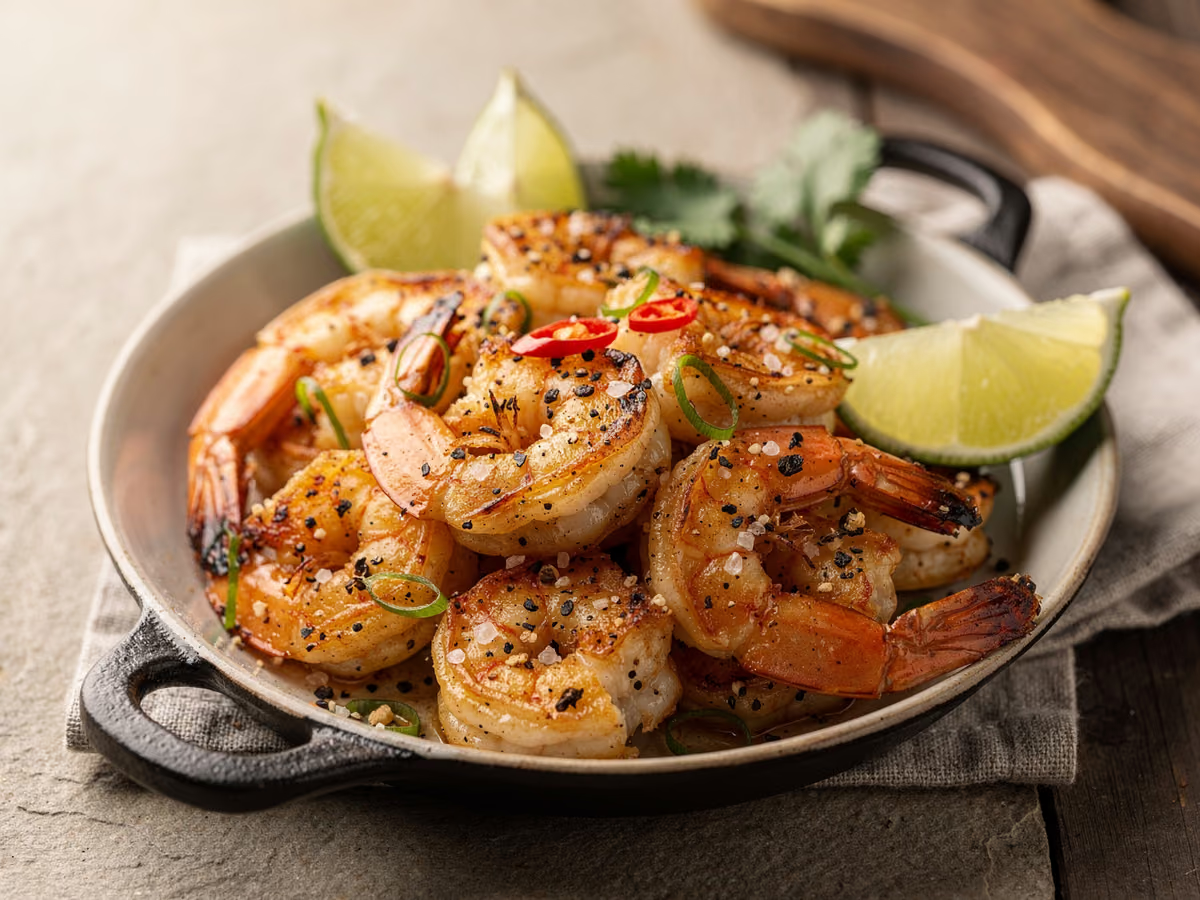
Salt and pepper shrimp is the Cantonese restaurant classic: whole shell-on shrimp, deveined, dusted with cornstarch and flashed in a hot wok until the shells turn crisp enough to eat, then tossed with sea salt, black and white pepper, garlic, ginger and green onion. This version keeps the shells bone-dry, fries in a thin film of oil in batches, and adds the seasoning only at the end, so the coating stays crackly instead of steaming soft. Expect 15 minutes of prep and about 10 minutes at the stove for four servings.
- Prep
- 15 min
- Cook
- 10 min
- Total
- 25 min
- Serves
- 4
Ingredients
What you’ll need — tap to tick off as you go
- 600 g
- 3 tbsp
- 3 tbsp
- 4 cloves
- 1 tbsp
- 1 tsp
- 1 tsp
- ½ tsp
- ½ tsp
- 1 tbsp
Process
Timers built in · swap anything · ask as you cook
Pat the 600 g shrimp completely dry with paper towels, working around the shells and along the split back of each one, then toss them in a large bowl with the 3 tbsp cornstarch until every shell wears a thin, chalky dusting. Shake off the excess before frying: any surface water turns the starch into a paste that slides off in the oil and steams the shrimp instead of crisping them.
Stir the 1 tsp sea salt, 1 tsp black pepper, 0.5 tsp white pepper and 0.5 tsp sugar together in a small bowl, crushing any clumps of pepper with the back of the spoon, and set the mix beside the stove. Blending it now means the finishing toss takes seconds; the sugar softens the edge of the salt and helps the seasoning cling to the shells.
Heat the 3 tbsp vegetable oil in a wok or large skillet over high heat until it shimmers and a pinch of cornstarch dropped in sizzles on contact, about 190°C. Lay the shrimp in a single layer, in batches if needed, and fry for 1–2 minutes per side, until the shells are pink and lightly golden and the flesh turns opaque white. Drain on a rack or paper towels.
Reduce the heat to medium and add the 4 minced garlic cloves, the 1 tbsp minced ginger and the sliced red chili, if using, to the same pan. Stir-fry for 30 seconds, scraping up the browned bits, until the garlic smells toasty and turns pale gold. Garlic goes from gold to bitter in seconds, so keep everything moving.
Return the shrimp to the pan, sprinkle the whole salt and pepper mix over them and toss for about 1 minute, until every shell is coated and the shrimp are heated through. This short toss is where the seasoning blooms against the hot shells and the last of the surface moisture cooks away, keeping the coating dry.
Add the 3 green onions, cut into 2 cm pieces, and toss for 30 seconds, just until they soften at the edges but stay bright green. Drizzle over the 1 tbsp soy sauce, if using, then take the pan off the heat and serve straight away: the shells lose their crackle within minutes of leaving the wok.
Why this recipe works
Crispness comes down to removing water. A dry shell lets the cornstarch adhere and dehydrate into a glassy crust in hot oil, while any surface moisture turns that starch into a slurry that slides off and steams the shrimp grey. Frying in a single layer at about 190°C keeps the oil hot enough that each shrimp sears fast, a minute or two per side, just until the flesh turns opaque and the shells pink, so the inside stays juicy instead of rubbery. The salt and pepper mix goes in at the end: the aromatic oils in white pepper are volatile and a long spell in hot oil mutes them, and the dry finish keeps the coating crunchy.
Equipment
- Wok or 30 cm skillet with a heavy base
- Large mixing bowl
- Small bowl for the seasoning mix
- Slotted spoon, spider or tongs
- Instant-read thermometer
- Wire rack set over a tray, or a plate lined with paper towels
- Chef's knife and cutting board
- Measuring spoons
Kitchen notes
Kitchen notes
- Give the mixed seasoning 20-30 seconds in a dry pan before the oil goes in: the salt darkens slightly and the pepper oils open up, so the final toss tastes smokier and more layered.
- Drain the fried shrimp on a wire rack rather than paper towels when you have one: towels trap steam under each piece and soften the coating that touches them, while a rack lets the oil drip away and keeps the crust dry on all sides.
- Slip the shrimp into the oil tail first, holding each one for a second before letting go: the coating sets on contact and stays put, and your fingers stay clear of the spatter.
- Scatter the seasoning from a height rather than tipping it in one spot: the mix lands evenly across every shell, so no single shrimp comes out oversalted, and the little that falls to the pan stirs into the oil and flavors the final toss.
- Keep the dish deliberately dry: skip any urge to add a sauce to the wok, and add the optional soy sauce as a drizzle at the end. The shrimp should look matte and sandy with pepper, never glossy.
Common mistakes
- Soggy shrimp in a gummy coat: the shells were still wet, the pan was crowded, or the oil never reached frying heat. Pat the shrimp dry, dust them with cornstarch only right before they go in, keep them in a single layer in batches, and wait for the oil to shimmer at about 190°C before the first shrimp is laid down.
- Rubbery, tight O-shaped shrimp: they stayed in the pan past doneness. Pull them when the flesh is opaque white and a large shrimp holds a loose C; 1-2 minutes per side is enough at this heat, and the finishing toss only warms them back through.
- Bitter, dark garlic: the aromatics went into oil that was still at frying temperature. Drop the heat to medium first, stir for 30 seconds only, and scrape up the browned bits so they flavor the oil rather than burn into it.
- Flat, patchy seasoning: the mix was scattered across the pan instead of over the shrimp, or it went in too early and cooked into the oil. Keep it in its bowl, tip the whole batch over the shrimp in the final 1-minute toss, and fold until every shell catches some.
- Soft shells by the time it reaches the table: the shrimp waited, stacked or covered, while the rest of dinner finished. Treat the dish as a last-minute one, rice and sides first and shrimp last, and leave the optional soy sauce until the moment of serving so it cannot soften the crust.
Serving suggestions
- Serve straight from the pan on warm plates as finger food: four people get roughly 150 g each, and a bowl at the table for the discarded shells keeps everything easy.
- Steamed jasmine rice is the classic partner; it soaks up the salt and pepper and balances the richness. Garlic fried rice or a bowl of plain noodles does the same job.
- A crisp cucumber salad, quick-pickled vegetables or a squeeze of lime over the shells cuts through the fried coating and echoes the garlic.
- Keep the drinks cold and simple: sparkling water with lime, iced tea or chilled barley tea clears the palate between shells without competing with the pepper.
Variations
- Peeled shrimp version: use the same 600 g of peeled and deveined shrimp and cut the cornstarch to 2 tbsp; fry for about 1 minute per side, just until opaque and curled. Juicier and easier to eat, with far less crackle, so treat it as its own dish rather than a match for the shell-on original.
- Sichuan-pepper edge: stir a good pinch of freshly toasted, ground Sichuan peppercorn into the seasoning mix for the numbing tingle that many salt-and-pepper menus carry; toast the peppercorns for about 30 seconds first or the flavor stays flat.
- No wok needed: a heavy 30 cm skillet or a cast-iron pan holds plenty of heat if you fry in two batches and keep the oil shallow; give the pan a moment to come back up to temperature between batches before the next shrimp go in.
Refrigerator
- RefrigeratorCool the leftovers within 2 hours of cooking, then keep them covered in the fridge for up to 2 days. The shells give up their crackle as they sit, so plan to use the second day's portion over rice or noodles rather than chasing the original crunch.
- ReheatingFry gently in a skillet over medium heat for 3-4 minutes, or warm through in a 180°C oven for 5 minutes, and expect a slightly softer shell; the oven does more for the coating than the pan. Do not microwave: trapped steam turns the flesh rubbery and the shells flabby.
- FreezingNot recommended. The cornstarch crust and the shells turn soft and watery on thawing, and the liquid the shrimp release leaves them limp; this is a dish for the day it is cooked.
- Make aheadStage it up to 4 hours ahead: dry the shrimp and chill them, mince the garlic, ginger and chili, slice the onions and mix the seasoning, all covered in the fridge. Keep the cornstarch dusting and the frying for the last moment, so the shells are still crackling at the table.
Updated:
How this recipe was developed
- USDA FoodSafety.gov safe minimum internal temperature chart (fish 63°C; shrimp cooked until the flesh is pearly white and opaque)
- USDA FSIS leftovers guidance (refrigerate cooked food within 2 hours; reheat leftovers until hot throughout)
- J. Kenji López-Alt, The Wok - dry-roasting the salt-and-pepper blend and flash-frying cornstarch-dusted shell-on shrimp
- Jet Tila, 101 Asian Dishes You Need to Cook Before You Die - Cantonese salt, white pepper and sugar seasoning mix with a cornstarch dredge, fried at 190°C
Editorial references are kept internally for verification. This page makes no claim of external certification or professional testing.
FAQ
The questions we get asked most
Can I use peeled shrimp instead of shell-on?
Yes, and the timing is easy to adjust, but the shell is what crisps into the signature crackle and shields the flesh, so expect a juicier, softer result. Use the same 600 g of peeled and deveined shrimp, drop the cornstarch to 2 tbsp, and fry for about 1 minute per side, just until the flesh is opaque and curled.
Why did my salt and pepper shrimp turn out soggy?
Almost always moisture or heat. Wet shells turn the cornstarch into a paste that slides off in the pan, and a crowded pan drops the oil temperature so the shrimp steam instead of fry. Pat them bone-dry, coat them just before frying, keep them in a single layer in batches, and wait for the oil to shimmer at about 190°C. Serve immediately, because the crust softens once the shrimp sit.
How do I know when the shrimp are cooked through?
Watch the shell and the curl: the shells turn bright pink, the flesh goes opaque pearly white with no grey left, and a large shrimp bends into a loose C. One that has closed into a tight O is overcooked. USDA guidance describes shrimp as done when the flesh is pearly white and opaque, so pull them at that point, about 1-2 minutes per side here, rather than cooking to a clock.
Can I make this dish ahead of time?
Yes, everything can be staged 4 hours ahead and refrigerated: dry the shrimp, mince the garlic, ginger and chili, slice the onions and mix the seasoning. Keep the cornstarch dusting and the cooking itself for the last moment, since the dish is at its best within minutes of leaving the pan and wants to be fried when guests are ready to eat.
Is salt and pepper shrimp spicy?
It is warmly spiced rather than fiery: the black and white pepper build a lingering, gentle heat, and the fresh chili is where real kick comes from. For a mild version, leave the chili out and drop the white pepper to 0.25 tsp; for more heat, leave the chili seeds in. The 0.5 tsp of sugar in the mix keeps the pepper from tasting harsh.
Can I use frozen shrimp?
Yes. Thaw them completely in the refrigerator overnight, drain, and pat them very dry: frozen shrimp release more water than fresh ones. If the coating looks patchy after tossing, add an extra 1 tbsp cornstarch, then fry them exactly as you would fresh shrimp.
What goes into the salt and pepper seasoning mix?
This version keeps the blend to four ingredients: 1 tsp sea salt, 1 tsp freshly ground black pepper, 0.5 tsp white pepper and 0.5 tsp sugar, stirred together and sprinkled over the shrimp in the final toss. Sea salt tastes cleaner than table salt, and white pepper is the Cantonese signature, earthy and warm. Some kitchens toast the blend or add Sichuan peppercorn; those are variations, not requirements.
Ask KitchenMind about this recipe
Tell it what’s different tonight — it works within the actual recipe.