- Prep
- 20 min
- Cook
- 10 min
- Total
- 30 min
- kcal
- 597.2
- protein
- 38.4 g
- Serves
- 4
Ingredients
What you’ll need — tap to tick off as you go
- 250 g
- 400 g
- 3 tbsp
- 1 tbsp
- 2 tsp
- 2 tbsp
- 3 cloves
- 1 tbsp
- 200 g
- 1 tsp
- 1 tbsp
- ½ tsp
- ¼ tsp
Process
Timers built in · swap anything · ask as you cook
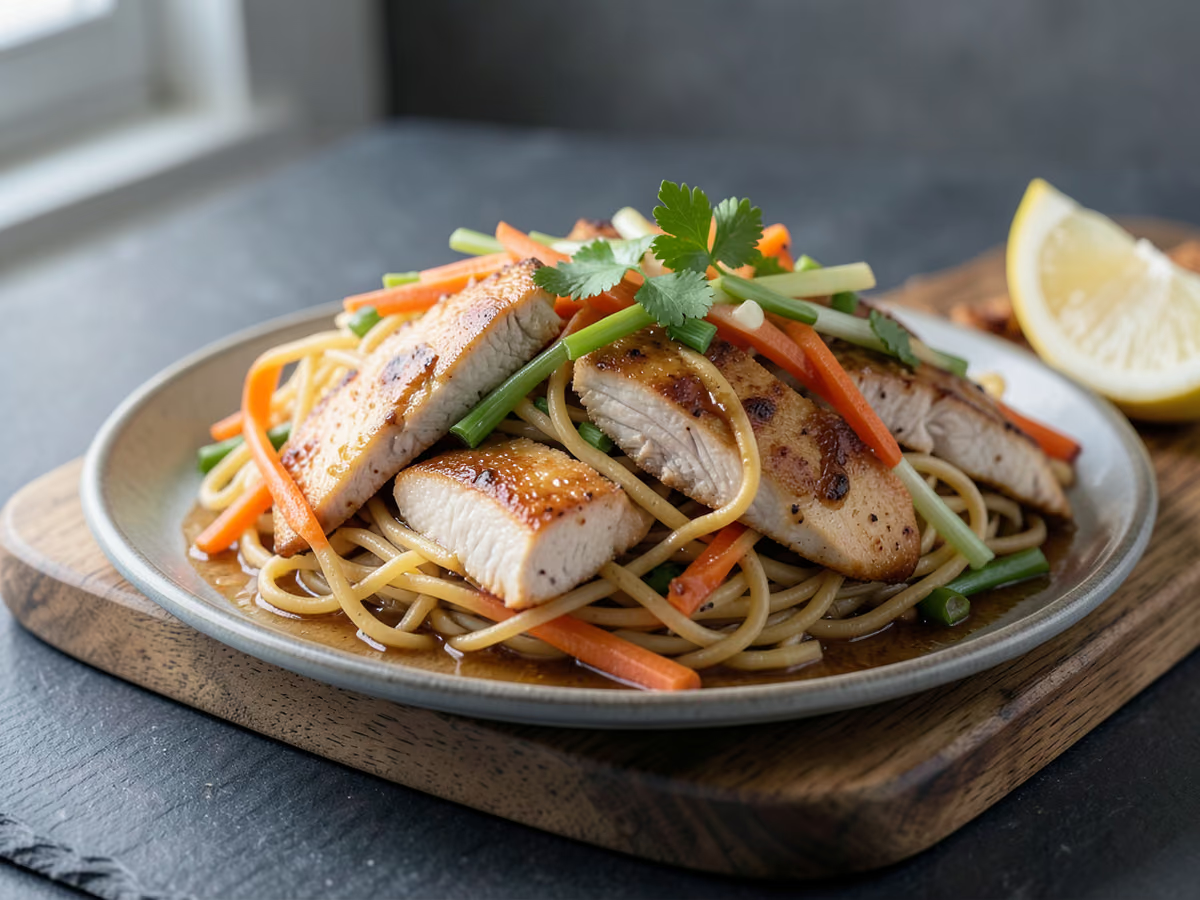
In a bowl, toss the sliced chicken breast with 1 tbsp soy sauce and 1 tbsp cornstarch. Let it sit for 10 minutes while you prepare the vegetables.
Cook the chow mein noodles according to the package instructions until just tender, then drain and rinse under cold water. Toss with 1 tsp sesame oil to prevent sticking.
In a small bowl, whisk the remaining 2 tbsp soy sauce, oyster sauce (if using), sugar, salt and white pepper. Set the sauce aside.
Heat 1 tbsp vegetable oil in a wok or large skillet over high heat. Add the chicken in a single layer and stir-fry for 2–3 minutes until golden and cooked through. Transfer to a plate.
Add the remaining 1 tbsp vegetable oil to the wok. Stir-fry the garlic, ginger and spring onion whites for 20 seconds until fragrant.
Add the shredded cabbage and julienned carrot. Stir-fry for 2 minutes until slightly softened but still crisp.
Return the chicken to the wok, add the noodles and pour over the sauce. Toss everything together for 1–2 minutes until the noodles are hot and evenly coated.
Turn off the heat, drizzle with the remaining 1 tsp sesame oil and scatter over the spring onion greens. Serve immediately.
Kitchen notes
Kitchen notes
- The biggest mistake is overcrowding the wok. Cook the chicken in a single layer and stir-fry the vegetables in batches if needed, otherwise they steam instead of sear.
- Rinse cooked noodles in cold water and toss with a little sesame oil. This stops them from clumping and keeps them springy when they hit the hot wok.
- Have all ingredients chopped and the sauce mixed before you turn on the heat. Stir-frying moves fast and there is no time to prep once the wok is hot.
- For extra smoky flavor, let the noodles sit undisturbed in the wok for 30 seconds before tossing so they pick up a little char.
Substitutions
- chicken breast→chicken thighs or firm tofu
- green cabbage→napa cabbage or bok choy
- oyster sauce→hoisin sauce or extra soy sauce with a pinch of sugar
- chow mein noodles→spaghetti or ramen noodles
Storage & reheating
Store leftovers in an airtight container in the fridge for up to 3 days. Reheat in a hot skillet over medium-high heat with a splash of water or soy sauce for 3-4 minutes, or microwave covered for 1-2 minutes until steaming. Freezing is not recommended as the noodles become mushy.
| Nutrient | Per serving |
|---|---|
| Calories | 597.2 kcal |
| Protein | 38.4 g |
| Carbohydrates | 53.7 g |
| Fat | 25.6 g |
| Saturated fat | 4 g |
| Fiber | 4.8 g |
| Sugar | 5.8 g |
| Sodium | 1550 mg |
| Cholesterol | 85 mg |
FAQ
The questions we get asked most
Why did my chow mein turn out soggy?
Sogginess usually comes from wet noodles or overcrowding the wok. Drain the noodles thoroughly and pat the vegetables dry before stir-frying. Cook in batches over high heat so the moisture evaporates instead of steaming the noodles.
Can I use dried chow mein noodles instead of fresh?
Yes. Boil dried noodles according to the package until just al dente, then drain and rinse with cold water. They absorb sauce quickly, so add them to the wok at the very end and toss for only 1 minute.
How do I keep the chicken tender?
Toss the sliced chicken with cornstarch and soy sauce and let it sit for 10 minutes before cooking. This velveting step protects the meat from the high heat. Also avoid overcooking; remove it from the wok as soon as it turns opaque and add it back at the end.
Can I make chicken chow mein ahead of time?
You can prep all the ingredients and mix the sauce up to 1 day ahead and store them separately in the fridge. For best texture, stir-fry just before serving. Reheated chow mein is decent but the noodles soften, so reheat in a hot skillet rather than a microwave.
What vegetables work best in chow mein?
Cabbage, carrots and spring onions are classic because they stay crisp. You can also add bean sprouts, sliced bell peppers, snow peas or broccoli. Add quick-cooking vegetables like bean sprouts in the last 30 seconds so they do not go limp.
Is chow mein sauce supposed to be thick?
Traditional chow mein sauce is thin and glossy, not thick like a gravy. The cornstarch on the chicken lightly thickens the juices in the wok. If you prefer a thicker sauce, whisk 1 tsp cornstarch into the sauce before adding it.
How do I know when the chicken is cooked through?
The chicken is done when the pieces are opaque white all the way through and firm to the touch, about 2-3 minutes over high heat. Cut the thickest piece open to check; there should be no pink. Do not stir constantly, let it sear for color.
Ask KitchenMind about this recipe
Tell it what’s different tonight — it works within the actual recipe.