Har Gow (Crystal Shrimp Dumplings)
Har gow are the glowing heart of a dim sum order: shrimp dumplings in a pleated, translucent skin that steams to a glassy sheen, with a filling that stays springy instead of turning to paste. The wrappers are made from scratch from wheat starch and tapioca starch, the combination behind the crystal look and the soft chew, and the dough comes together in minutes; the real work is shaping 20 pleated dumplings. Budget 45 minutes of preparation and about 15 minutes at the steamer.
- Prep
- 45 min
- Cook
- 15 min
- Total
- 75 min
- Additional time
- 15 min
- Serves
- 4
Ingredients
What you’ll need — tap to tick off as you go
- 300 g
- 50 g
- 1 tsp
- 1 tbsp
- 1 tsp
- 1 tsp
- ½ tsp
- ¼ tsp
- 1 tbsp
- 150 g
- 50 g
- 220 ml
- 1 tbsp
Process
Timers built in · swap anything · ask as you cook
Combine the 300 g chopped shrimp, 50 g bamboo shoots, 2 sliced spring onions, 1 tsp grated ginger, 1 tbsp soy sauce, 1 tsp sesame oil, 1 tsp sugar, 0.5 tsp salt, 0.25 tsp white pepper and 1 tbsp cornstarch. Stir in one direction for about 1 minute, until the mixture turns sticky and holds together; that stickiness is the protein bind that keeps the filling springy. Cover and chill while you make the dough.
Whisk the 150 g wheat starch and 50 g tapioca starch together in a heatproof bowl, then pour in all 220 ml of water at a full rolling boil in one movement and stir hard with a wooden spoon until a rough, shaggy mass forms with no dry starch left. The water must be boiling, not merely hot: only near-100°C water gelatinises the starch fully, and cooler water leaves wrappers white and brittle.
Add the 1 tbsp vegetable oil and, as soon as the dough is cool enough to handle, knead it on a clean surface for 3 to 4 minutes until smooth, soft and slightly elastic. It should feel like warm modelling clay and stretch without breaking. If it feels dry, wet your hands with warm water; if sticky, dust with wheat starch, then cover it with a damp cloth.
Divide the dough into 20 equal pieces and keep the ones you are not using under the damp cloth. Flatten each piece into a 7 to 8 cm round about 2 mm thick, using a lightly oiled rolling pin or the flat side of a cleaver, and leave the rim slightly thinner than the centre. A thin rim pleats into the classic skirt; a thick one steams chalky.
Place about 1 heaped teaspoon of the chilled filling in the centre of a wrapper, fold the wrapper in half over the filling and pinch the middle shut. Starting from one end, pleat the front edge into 5 to 7 small folds, pressing each pleat firmly onto the back edge as you go. Aim for a small crescent with a flat, sealed top.
Line a steamer basket with parchment paper or oiled cabbage leaves and arrange the dumplings in a single layer with 2 cm between them, so they never touch. If you are not steaming straight away, cover and refrigerate for up to 2 hours; past that the wrappers start to soften and sag.
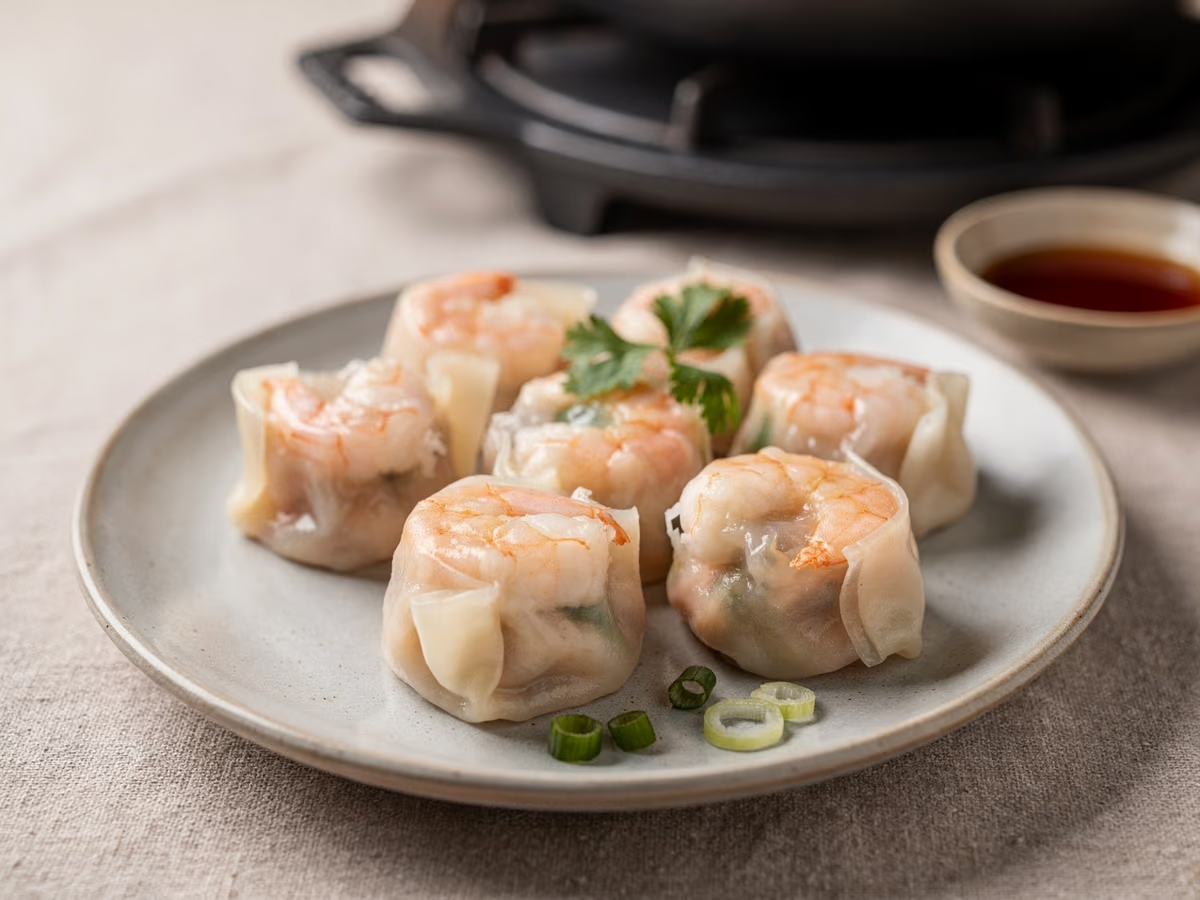
Bring the water in a steamer pot or wok to a rolling boil over high heat, sit the covered basket over it and steam for 6 to 8 minutes. Check at 6 minutes: the wrappers should be fully translucent with the pink shrimp visible through the skin and the filling firm to a light press. Steam longer only if they are still chalky, because overcooked skins turn gluey.
Take the basket off the heat and let it stand, still covered, for about 1 minute so the skins firm slightly and lift cleanly. Serve immediately, while they are glossy and slightly chewy, lifting each dumpling with a lightly oiled thin spatula and supporting the pleated top with your fingers.
Why this recipe works
The wrapper only turns clear because the starch is gelatinised: all 220 ml of water is poured over the starches at a full rolling boil, and near-100°C water swells and melts the starch granules into a translucent sheet that stretches without tearing. Tapioca starch, high in amylopectin, adds the silky resilience; leave it out and the dough cracks at every pleat. In the filling, stirring in one direction with the salt draws out sticky shrimp proteins, and the cornstarch holds the juices those proteins release, so the filling sets firm and juicy rather than crumbling. Keeping the filling cold keeps the wrappers clean while you pleat.
Equipment
- Large heatproof mixing bowl
- Wooden spoon or sturdy spatula
- Small rolling pin, lightly oiled, or the flat side of a Chinese cleaver
- Clean damp cloth for covering the dough
- Bamboo steamer basket plus a wok or pot it fits
- Parchment paper rounds or a few oiled cabbage leaves
- Thin, lightly oiled spatula for lifting
Kitchen notes
Kitchen notes
- Weigh the two starches if you can. They hydrate at different speeds, and whisking the 150 g wheat starch and 50 g tapioca starch together before the water goes in is what prevents dry pockets in the dough.
- Work warm and a few pieces at a time: har gow dough stiffens as it cools, and a cold piece will crack at the first pleat. Cut off only what you can roll and pleat in a couple of minutes and keep the rest wrapped.
- Steam one dumpling on its own before you commit the batch. It tells you your pleat holds, your filling is seasoned and how your steamer behaves, and it costs only a few of the 6 to 8 minutes the full basket needs.
- Roll from the centre outwards with light pressure and turn the piece a quarter turn between strokes. Even rounds pleat evenly, and keeping the centre a touch thicker than the rim stops a filled dumpling tearing as you lift it.
- Aim for even, small pleats rather than a big number: 5 to 7 tidy folds already read like the dim sum classic, and an evenly spaced row seals better than a rushed ten.
Common mistakes
- Opaque, brittle wrappers that crack as you pleat: the water had stopped boiling when it hit the starch, so the dough only partly gelatinised and no amount of extra kneading fixes it. Reboil, pour all 220 ml in one go, stir fast, and cover the dough the moment it is mixed.
- Dough that fights back, either sticky or cracking as you roll: sticky means too much water, so dust with wheat starch rather than adding more; cracking means the dough has cooled and the starch network has gone stiff. Warm a stiff piece between your palms or knead in a few drops of warm water, then work faster under the cloth.
- Dumplings that burst open in the steamer: more than 1 heaped teaspoon of filling, or air sealed under loosely pressed pleats, expands as the steam builds and pushes the skin apart. Keep the filling to a low mound, press every pleat onto the back edge twice, and leave the 2 cm gaps free.
- Gluey, torn skins and rubbery shrimp: steamed well past 8 minutes, or started from pre-cooked shrimp. Pull the dumplings the moment the wrappers go translucent, usually at 6 to 7 minutes, and start from raw shrimp so the filling stays juicy.
- A watery filling that soaks the wrappers: shrimp not patted dry, or the mix left standing warm while you roll the dough. Dry the shrimp thoroughly on paper towels, keep the bowl cold between steps, and rely on the 1 tbsp cornstarch to hold the juices.
Serving suggestions
- Serve straight from the steamer basket at the table; the skins are glossiest and most tender while hot, and they tighten as they cool.
- A dip of black vinegar with a few drops of chilli oil is the Cantonese standard and lets the shrimp taste through; a light soy dip works if you prefer less sharpness.
- Plan on five dumplings per person as the recipe portions it, or three as an opener in a wider dim sum spread with jasmine tea or chilled sparkling water alongside.
- Steamed greens or a clear soup round out the meal, and the dumplings should be the first thing eaten while they are hot.
Variations
- Shrimp and scallop: replace 150 g of the shrimp with the same weight of chopped raw scallops for a sweeter, more delicate filling; keep the seasonings and cornstarch exactly as they are.
- Purse shape: instead of a crescent, gather the pleats around the top edge so the dumpling closes into a round purse, the other classic har gow shape; it sits taller and may want 1 extra minute of steaming.
Refrigerator
- RefrigeratorCooked har gow in a single layer in an airtight container for up to 2 days; keep them apart so the pleats do not crush. Never leave them at room temperature for more than 2 hours.
- ReheatingSteam again over boiling water for 3 to 4 minutes, until glossy and hot through. A covered microwave-safe dish with a splash of water works at medium power for 1 to 2 minutes, though the skins come back softer.
- FreezingNot recommended for cooked dumplings; the wrappers turn mushy. Freeze them uncooked instead: single layer on a tray until solid, then bag for up to 1 month, and steam straight from frozen with 2 to 3 minutes added.
- Make aheadThe filling can be made and refrigerated several hours ahead, and folded dumplings hold in the fridge for up to 2 hours. The dough itself is best used the hour it is made: as it cools it stiffens and starts to crack, so roll and pleat rather than pause.
Updated:
How this recipe was developed
- Serious Eats har gow technique (boiling water poured over the starches for a mouldable dough, wrappers kept covered, steam until translucent, 1-minute rest off the heat)
- America's Test Kitchen on har gow starches (wheat starch builds tender structure, tapioca starch's amylopectin adds stretch and chew, vigorous mixing releases myosin for juiciness)
- What To Cook Today har gow guidance (full rolling boil or the dough breaks, work the dough warm, rim thinner than the centre, cracking troubleshooting)
- FDA seafood safety guidance (cook shrimp to 63°C; done when firm, pearly and opaque)
Editorial references are kept internally for verification. This page makes no claim of external certification or professional testing.
FAQ
The questions we get asked most
Why is my har gow dough cracking while I flatten and pleat it?
Almost always because the dough has cooled or dried: cold wheat-starch dough loses its stretch and tears at the first pleat. Keep the pieces under a damp cloth, work with one at a time, and if a piece stiffens, knead a few drops of warm water into it before carrying on. If the dough is merely dry at the surface, wet your hands rather than adding water to the bowl.
Why did my dumplings split open in the steamer?
Filling packed too high, or air sealed under the pleats, expands under steam and pushes the wrapper apart, and heavy condensation dripping from a hard boil softens the seams too. Keep to 1 heaped teaspoon in a low mound, press the pleats flat onto the back edge, and keep a steady rolling boil rather than a furious one.
Can I steam har gow straight from frozen?
Yes. Freeze the uncooked dumplings first in a single layer until solid, then bag them; steam from frozen without thawing and add 2 to 3 minutes to the 6 to 8 minutes, checking for full translucency before serving. Thawing first makes the wrappers wet and weak.
How thin should the wrappers be?
About 2 mm across, for 7 to 8 cm rounds, with the rim worked slightly thinner than the centre. Thin enough that the pleats fold without force, sturdy enough that the centre supports a heaped teaspoon of filling without tearing; if a round tears as you lift it, the centre is too thin.
My filling leaks liquid into the wrapper, what went wrong?
Two usual causes: the shrimp were not dried properly after peeling, or the filling stood warm while you rolled the dough. Pat the shrimp thoroughly dry, keep the bowl cold between steps, and make sure the 1 tbsp cornstarch goes in, because it is what thickens and traps the juices the shrimp release.
Is har gow gluten-free?
No. Wheat starch is refined from wheat and still carries gluten; ordinary wheat starch is not processed to the gluten-free standard, so this dish is not suitable for anyone avoiding gluten.
Can I steam har gow in a regular metal steamer or a bamboo one?
Both work. A bamboo steamer absorbs condensation, so the dumplings stay drier and do not get soggy. A metal steamer works too — line it with parchment paper and wrap the lid with a clean towel so water does not drip onto the dumplings. Always bring the water to a rolling boil before placing the basket on top.
Ask KitchenMind about this recipe
Tell it what’s different tonight — it works within the actual recipe.