- Prep
- 10 min
- Cook
- 10 min
- Total
- 20 min
- Serves
- 2
Ingredients
What you’ll need — tap to tick off as you go
- 200 g
- 100 g
- 20 g
- 1 tbsp
- 1 clove
- 30 ml
- ½ tsp
- ¼ tsp
- 50 g
Process
Timers built in · swap anything · ask as you cook
Heat olive oil in a non-stick skillet over medium-high heat. Add sliced button mushrooms and a pinch of salt. Cook, stirring occasionally, until mushrooms release their moisture and turn golden brown, about 5–6 minutes.
Add minced garlic and cook for 30 seconds until fragrant. Add baby spinach and cook for 1–2 minutes until fully wilted. Transfer the mushroom-spinach mixture to a bowl and set aside. Wipe the skillet clean.
In a bowl, whisk eggs, whole milk, salt, and black pepper until the yolks and whites are completely combined and slightly frothy.
Return the skillet to medium heat and melt half the unsalted butter, swirling to coat the bottom evenly. Pour in half the egg mixture and let it set undisturbed for 30–45 seconds.
Using a silicone spatula, gently push the set edges toward the center, tilting the pan to let raw egg fill the gaps. Cook until the top is just barely wet, about 1–2 minutes.
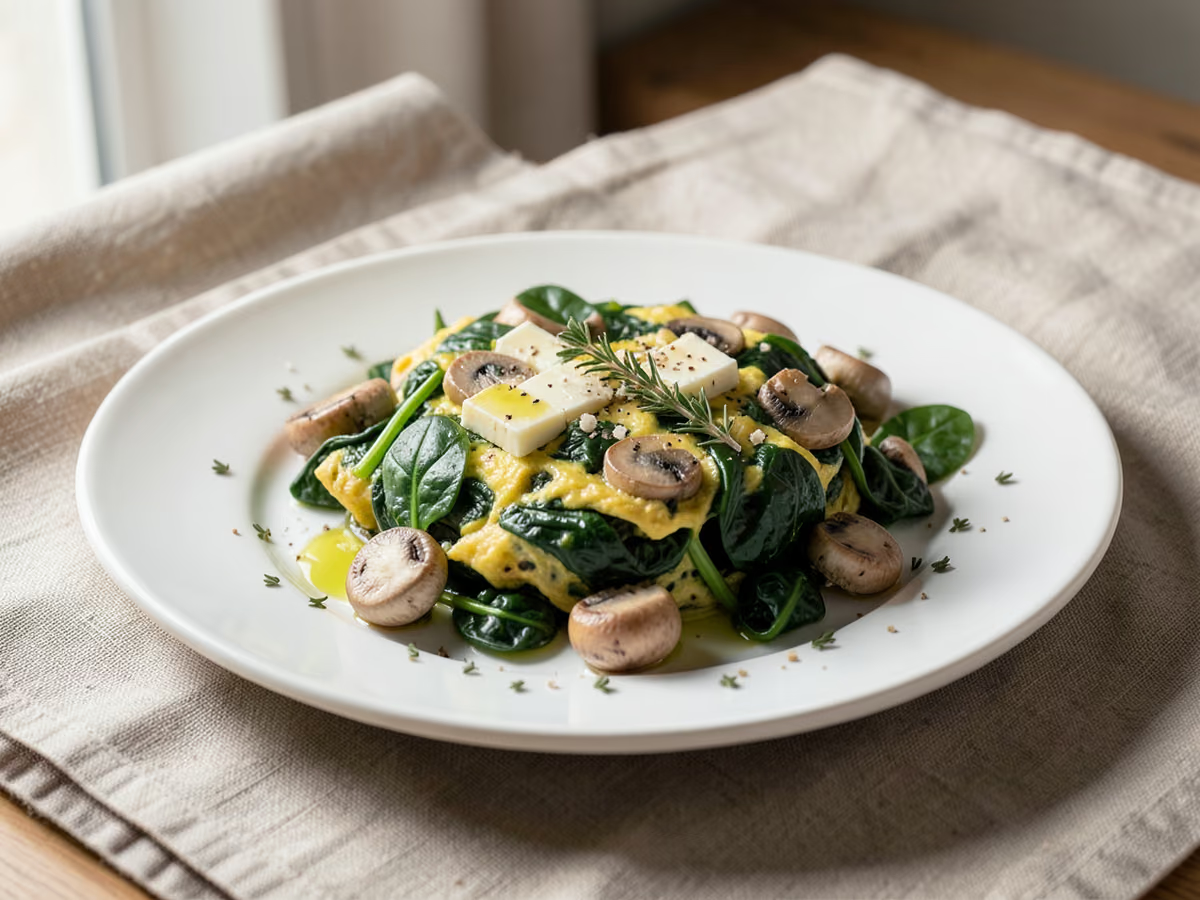
Sprinkle half the grated cheddar cheese over one half of the omelette, then spoon half the mushroom-spinach mixture over the cheese. Fold the empty half over the filling and slide onto a plate. Repeat with remaining butter, eggs, cheese, and filling. Serve immediately.
Kitchen notes
Kitchen notes
- The most common mistake is overloading the omelette with wet vegetables. Saute mushrooms until they are dry and golden, and squeeze excess moisture from spinach if needed, otherwise the omelette will tear and become soggy.
- For a tender, creamy omelette, cook over medium heat and remove it from the pan while the center is still slightly glossy. Residual heat will finish cooking it.
- Use a non-stick skillet and a silicone spatula to avoid scratching the pan and to easily lift the edges without breaking the omelette.
- If you want a dairy-free version, omit the cheese and use olive oil instead of butter, and replace milk with water or unsweetened plant milk.
Substitutions
- button mushrooms→cremini or shiitake mushrooms (slice shiitake caps thinly)
- baby spinach→frozen chopped spinach, thawed and squeezed very dry
- cheddar cheese→gruyere, Swiss, or feta (reduce salt if using feta)
- whole milk→unsweetened oat milk or water
- unsalted butter→olive oil or ghee
Storage & reheating
The omelette is best eaten fresh, but you can store leftovers in an airtight container in the refrigerator for up to 2 days. To reheat, place on a microwave-safe plate, cover with a damp paper towel, and microwave on medium power for 30-45 seconds until hot. Alternatively, reheat in a lightly oiled skillet over medium-low heat for 1-2 minutes per side. Do not freeze; the texture becomes rubbery upon thawing.
FAQ
The questions we get asked most
Why did my spinach mushroom omelette turn out watery?
The mushrooms and spinach release a lot of water when cooked. You must saute them until the mushrooms are golden and the spinach is fully wilted, then drain any excess liquid before adding them to the omelette. Also, avoid overloading the omelette with too much filling.
Can I make this omelette ahead of time?
Yes, you can prepare the mushroom-spinach filling up to 2 days in advance and store it in the refrigerator. When ready to serve, reheat the filling gently in a pan and proceed with making the omelette. The omelette itself is best made fresh.
How do I keep the omelette from sticking to the pan?
Use a good non-stick skillet and enough butter or oil to coat the bottom. Cook over medium heat, not high, and make sure the pan is properly preheated before adding the eggs. A silicone spatula helps release the edges without tearing.
Can I use frozen spinach instead of fresh?
Yes, but thaw it completely and squeeze out as much water as possible using a clean kitchen towel or paper towels. Frozen spinach releases more water, so squeezing is crucial to prevent a soggy omelette. Use about 150g frozen spinach to replace 100g fresh.
What cheese works best in this omelette?
Cheddar, gruyere, or Swiss melt well and complement the mushrooms and spinach. Feta also works but is crumbly and salty, so reduce added salt. For dairy-free, omit cheese or use a dairy-free melting cheese alternative.
How do I know when the omelette is done?
The omelette is ready to fold when the edges are set and the center is no longer runny but still slightly moist and glossy. It should not be dry or browned on top. Tilt the pan; if the eggs slide easily as a whole, it is done.
Can I add other vegetables to this omelette?
Yes, but cook them first to remove excess moisture. Bell peppers, onions, or zucchini should be sauteed until soft and any liquid evaporated. Add them along with the mushroom-spinach mixture. Avoid watery vegetables like tomatoes unless you seed and drain them well.
Ask KitchenMind about this recipe
Tell it what’s different tonight — it works within the actual recipe.