- Prep
- 5 min
- Cook
- 5 min
- Total
- 10 min
- Serves
- 1
Ingredients
What you’ll need — tap to tick off as you go
- 1 pinch
- 1 pinch
- 15 g
- 5 g
Process
Timers built in · swap anything · ask as you cook
Crack the 3 eggs into a bowl, add the pinch of salt and the pinch of black pepper if using, and beat with a fork for about 30 seconds until the yolks and whites are completely combined but the mixture is not frothy.
Melt 10 g of the unsalted butter in a non-stick pan about 20 cm wide over medium-low heat, swirling so the base and lower sides are coated. The butter should soften and foam gently without colouring.
Pour in the eggs and let them sit for 10 seconds, then stir constantly with a silicone spatula or fork, scraping the set egg from the base and sides while shaking the pan, for 45 to 60 seconds until a soft, creamy curd forms with a thin layer of liquid egg still on top.
Stop stirring and smooth the surface. Tilt the pan and use the spatula to fold the omelette over itself from the far edge toward you into a loose roll, then tap the pan handle so the omelette settles into an oval at the near edge.
Add the remaining 5 g of unsalted butter to the pan, tilt to let it slide under the omelette, and invert the omelette onto a warm plate so the smooth side faces up.
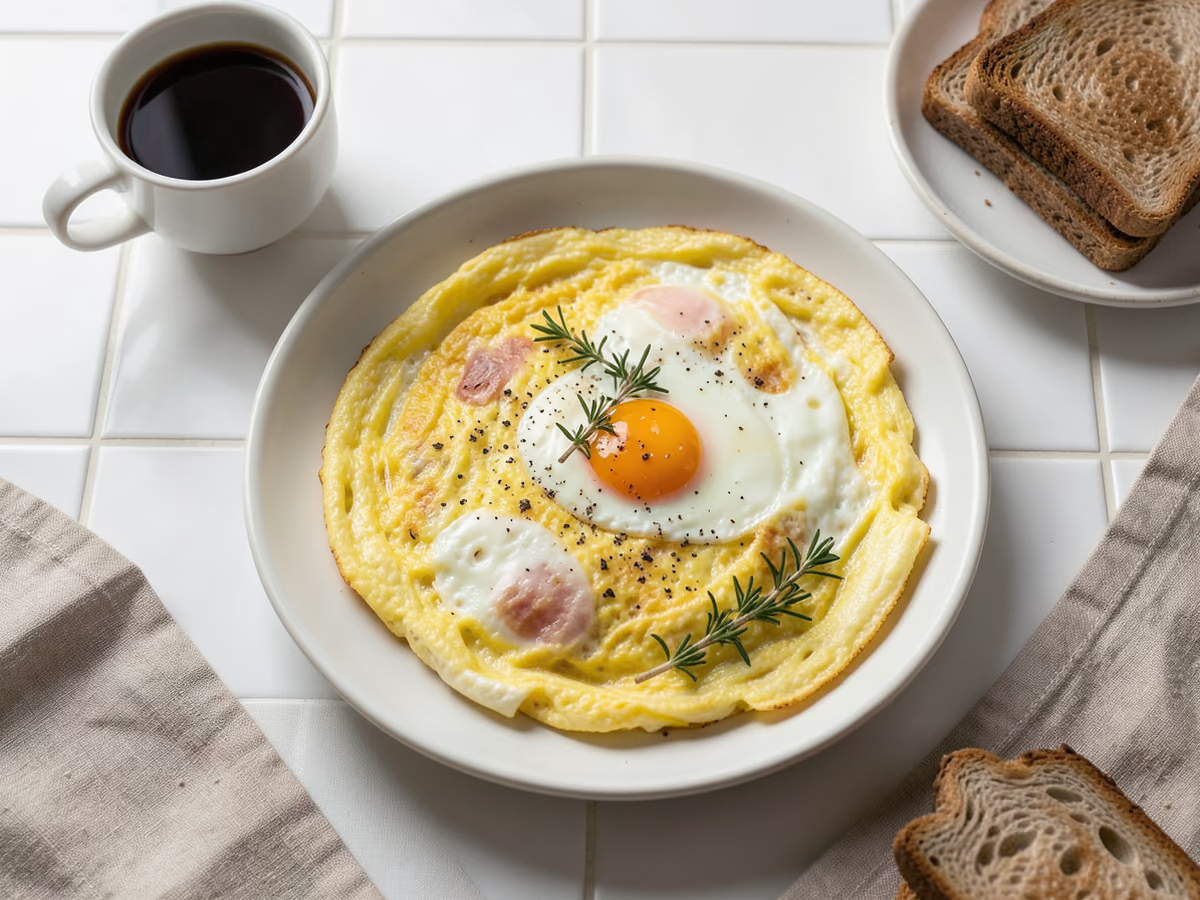
Rub the top lightly with the melted butter from the plate and scatter over the chopped chives. Serve immediately.
Kitchen notes
Kitchen notes
- The single biggest mistake is heat that is too high: if the eggs brown or squeak in the pan, the omelette will be rubbery and taste fried. Medium-low is correct, and the pan should never smoke.
- Stop stirring while a thin film of uncooked egg still coats the surface. Residual heat finishes it during folding, which is what gives the custardy center.
- Use a genuinely non-stick pan around 20 cm wide. A larger pan spreads the eggs too thin and they set before you can stir them into curds.
- Have the plate warm and the chives chopped before you start cooking; the omelette waits for no one and overcooks in under a minute.
Substitutions
- unsalted butter→clarified butter or ghee for a slightly nuttier flavour and higher smoke point
- chives→finely chopped parsley, tarragon or dill
- black pepper→a few grains of cayenne or a scrape of nutmeg
Storage & reheating
A French omelette is at its best eaten straight from the pan and does not keep well. If you must hold it, slide it onto a plate, cover tightly with cling film and refrigerate for up to 1 day. Reheat gently in a non-stick pan over low heat for 1 to 2 minutes, or cover and microwave at 50 percent power for 30 to 40 seconds; it will be firmer than freshly made. Do not freeze it, as the texture becomes watery and spongy.
FAQ
The questions we get asked most
Why did my French omelette turn brown?
The pan was too hot or the butter was already browning before the eggs went in. Use medium-low heat and pull the pan off the heat for a few seconds if the butter starts to colour. A proper French omelette should be pale yellow with no brown spots at all.
Why is my omelette rubbery instead of creamy?
You cooked it too long or let the eggs set completely before folding. Stir constantly and stop while a thin layer of liquid egg still covers the surface, then fold and let carryover heat finish the center. The whole cooking process should take under 90 seconds.
Can I make a French omelette without a non-stick pan?
It is possible in a well-seasoned carbon steel or cast iron pan, but you need more butter and very careful heat control. A non-stick pan around 20 cm wide gives the cleanest roll and the most reliable custardy texture, so it is worth using one.
How many eggs should I use for one omelette?
Three large eggs in a 20 cm pan gives the classic thickness and a filling portion for one person. Two eggs work in an 18 cm pan but cook faster, so reduce the stirring time by about 15 seconds. More than three eggs in a small pan steams rather than sets.
Can I add cheese, herbs or fillings to a French omelette?
Yes, but keep it light. Add up to 20 g of grated cheese or finely chopped soft herbs to the eggs before cooking, or scatter a tablespoon of filling across the center just before folding. Heavy or wet fillings such as tomatoes or mushrooms should be cooked and drained first so they do not weep and split the omelette.
What is the difference between a French omelette and an American omelette?
A French omelette is pale, smooth and rolled, with softly set curds and no browning, while an American omelette is cooked flat until golden, often folded over fillings. The French version relies on constant stirring over gentle heat and is served slightly runny in the center.
Can I prepare the eggs ahead of time?
You can beat the eggs with the salt and pepper up to 2 hours ahead and keep them covered in the fridge, but let them come to room temperature for 15 minutes before cooking. Cold eggs set more slowly and unevenly, which makes the omelette more likely to brown before it is fully cooked.
Ask KitchenMind about this recipe
Tell it what’s different tonight — it works within the actual recipe.