- Prep
- 10 min
- Cook
- 20 min
- Total
- 30 min
- Serves
- 6
Ingredients
What you’ll need — tap to tick off as you go
- 60 ml
- 2 tbsp
- 100 g
- 150 g
- 60 g
- ½ tsp
- ¼ tsp
- 10 g
Process
Timers built in · swap anything · ask as you cook
Preheat the oven to 190°C and position a rack in the middle. In a large bowl, whisk the 8 eggs, 60 ml whole milk, 0.5 tsp salt, and 0.25 tsp black pepper until completely smooth and slightly frothy, about 30 seconds.
Heat 1 tbsp olive oil in a 25 cm oven-safe nonstick or cast-iron skillet over medium heat. Add the sliced yellow onion and diced red bell pepper and cook, stirring occasionally, until softened and lightly golden, 5 to 6 minutes.
Add the 100 g baby spinach and cook just until wilted, about 1 minute. Stir in the halved cherry tomatoes and cook for 30 seconds more, then spread the vegetables into an even layer.
Reduce the heat to low. Pour the egg mixture over the vegetables and sprinkle the 60 g grated parmesan cheese evenly on top. Do not stir; let it set undisturbed for 2 minutes so the bottom firms up.
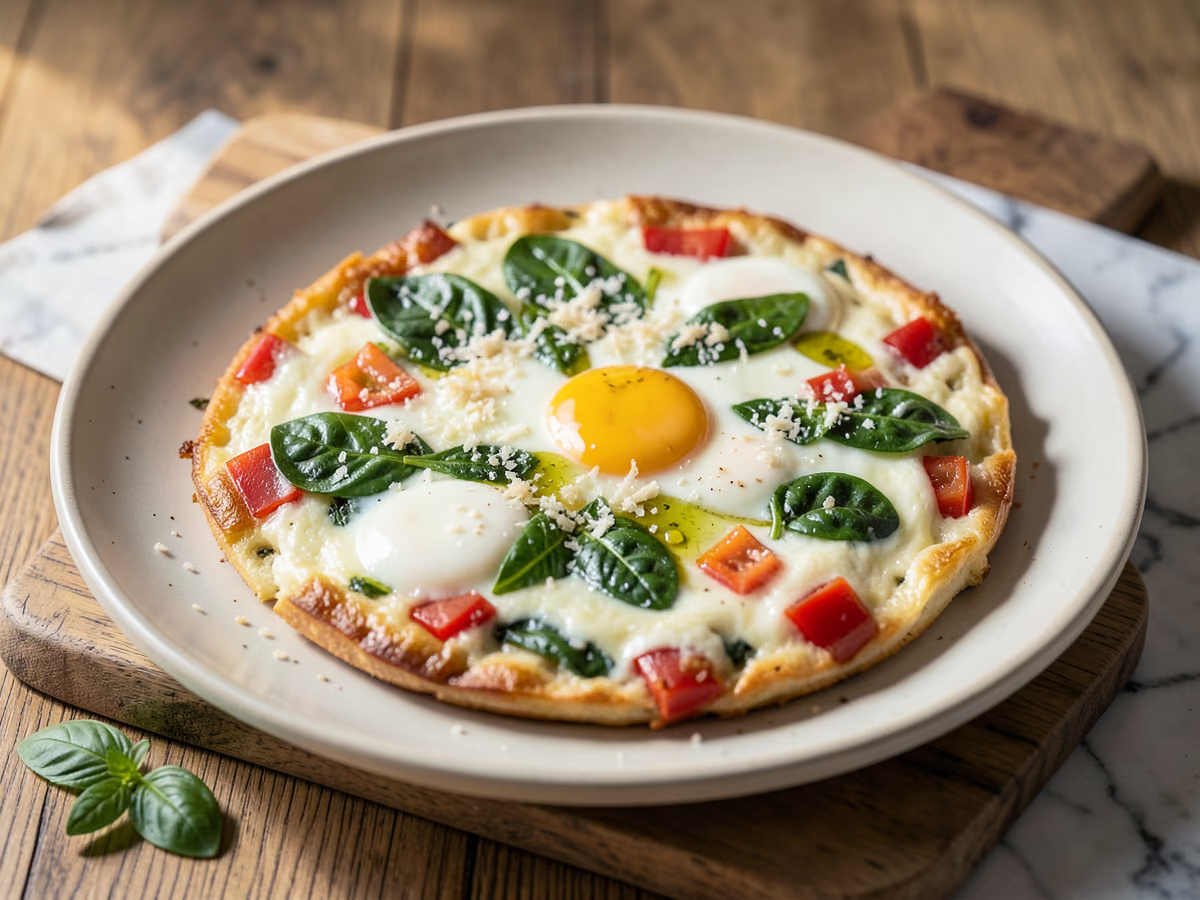
Transfer the skillet to the preheated oven and bake until the center is just set and no longer jiggles when you gently shake the pan, 12 to 15 minutes. The top should be pale golden and puffed at the edges.
Remove from the oven and let the frittata rest in the skillet for 5 minutes. Run a silicone spatula around the edge, slide it onto a cutting board or serve straight from the pan, scatter with torn fresh basil if using, and cut into 6 wedges.
Kitchen notes
Kitchen notes
- The most common mistake is overcooking: pull the frittata from the oven when the center still has a faint wobble. Residual heat finishes the custard during the 5-minute rest, keeping it creamy instead of rubbery.
- Use a genuinely oven-safe skillet with a metal handle. If your skillet has a plastic handle, wrap it tightly in two layers of foil before it goes in the oven.
- Squeeze or pat the spinach and tomatoes dry before cooking. Excess water is the main reason a frittata turns out weeping and spongy rather than tender.
- Keep the stovetop heat low when you pour in the eggs. High heat before baking makes the bottom brown and tough while the top stays liquid.
- For a taller, more custardy frittata, use a 20 cm pan instead of 25 cm and add 2 to 3 extra minutes of baking time.
Substitutions
- whole milk→unsweetened oat milk or plain yogurt thinned with water
- parmesan cheese→pecorino romano or aged cheddar
- baby spinach→kale, Swiss chard, or frozen spinach (thawed and squeezed dry)
- red bell pepper→zucchini or mushrooms
- fresh basil→fresh parsley or chives
Storage & reheating
Cool the frittata completely, then refrigerate in an airtight container for up to 4 days. To reheat, place wedges on a microwave-safe plate, cover loosely, and microwave on medium power in 30-second bursts until warm, about 1 to 1.5 minutes total; or reheat in a 160°C oven for 8 to 10 minutes. For longer storage, wrap individual wedges tightly in foil and freeze for up to 2 months, then thaw overnight in the fridge before reheating. Frittata is also excellent served at room temperature, so it can sit out for up to 2 hours before serving.
FAQ
The questions we get asked most
Why did my frittata turn out rubbery and dry?
Rubbery frittata almost always means it was overcooked, either on the stovetop or in the oven. The eggs should be pulled when the center still jiggles slightly, because they continue cooking in the hot pan during the 5-minute rest. Using a lower oven temperature of 190°C rather than 220°C also gives you a wider window before the custard overcooks.
Can I make a frittata without an oven-safe skillet?
Yes. Cook the vegetables in any skillet, then transfer everything to a greased 23 cm pie dish or baking dish, pour over the egg mixture, and bake at 190°C for 18 to 22 minutes. Alternatively, finish it on the stovetop: cook covered over low heat for 8 to 10 minutes, then slide it onto a plate and flip it back into the pan for 1 minute to set the top.
How do I know when the frittata is fully cooked?
The center should be set but still slightly soft, and a knife inserted 2 cm from the edge should come out clean while the very middle may look faintly moist. The surface will be pale golden and puffed at the edges. If the center still sloshes when you shake the pan, give it 2 more minutes and check again.
Can I use egg whites only or a milk alternative?
You can replace up to half the eggs with egg whites, but the texture will be firmer and less custardy. For a dairy-free version, swap the whole milk for unsweetened oat milk or a splash of water, and replace the parmesan with a dairy-free hard cheese or nutritional yeast. Note that omitting cheese reduces the seasoning, so taste the egg mixture before baking.
Why is my frittata watery?
Watery frittatas come from vegetables that release liquid during baking, especially spinach, tomatoes, and mushrooms. Cook the vegetables until their moisture evaporates, pat the spinach dry, and halve and lightly salt the tomatoes so they shed some juice before they go in. Also avoid adding more than 60 ml of milk, since too much liquid prevents the custard from setting.
Can I prepare the frittata ahead of time for a brunch?
Yes. Bake it up to 2 days in advance, cool completely, and refrigerate covered. Serve it cold, at room temperature, or reheat wedges in a 160°C oven for 8 to 10 minutes. You can also chop the vegetables and whisk the egg mixture the night before, storing them separately in the fridge, so the morning assembly takes only about 20 minutes.
What can I add to a frittata to make it a full meal?
Serve wedges with a simple green salad, roasted potatoes, or crusty bread for a complete breakfast or lunch. You can also fold in 100 g of cooked diced chicken, cooked crumbled beef sausage, or 80 g of feta before baking. If you add meat, brown it first and drain the fat so the frittata does not become greasy.
Ask KitchenMind about this recipe
Tell it what’s different tonight — it works within the actual recipe.