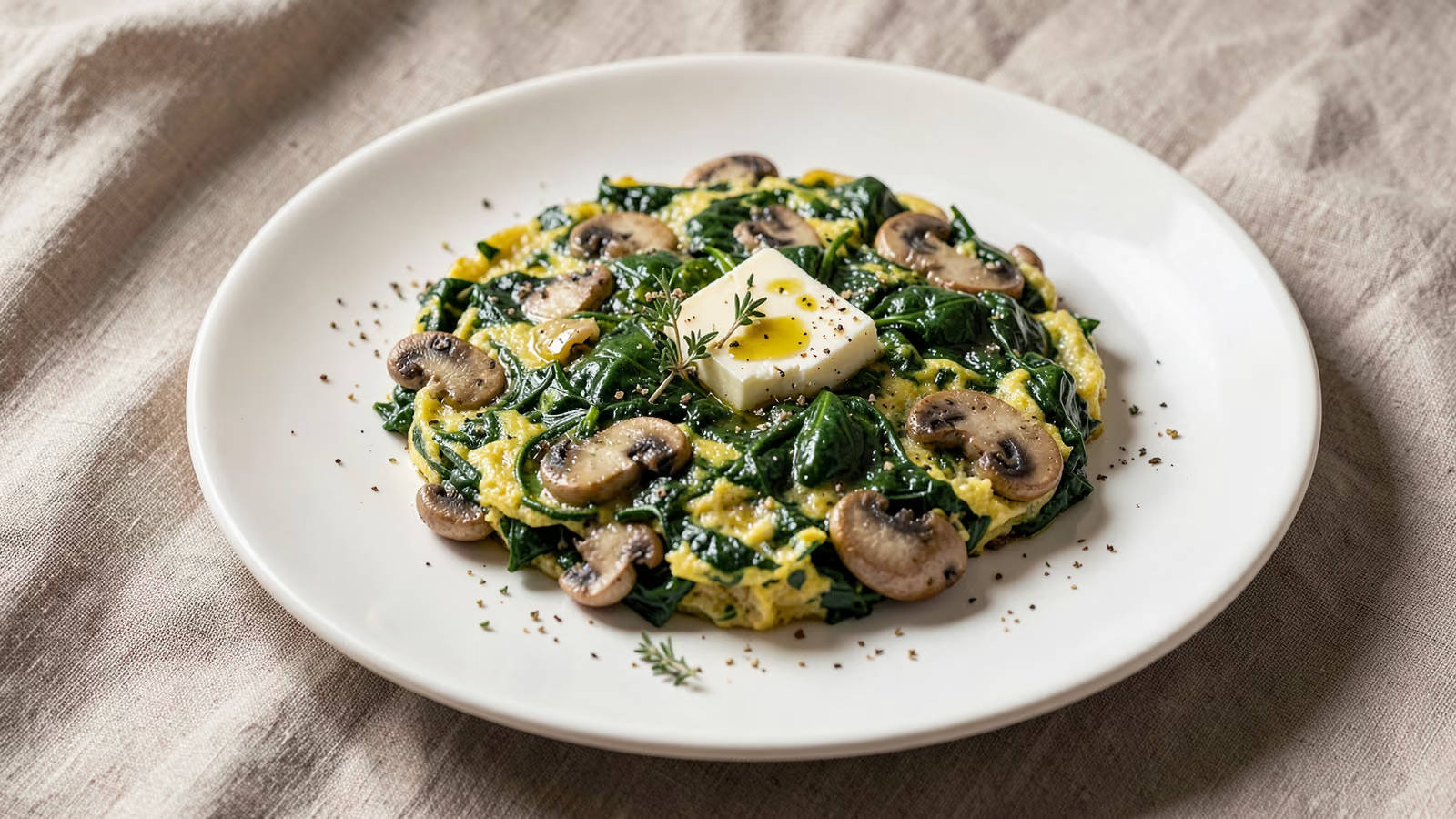
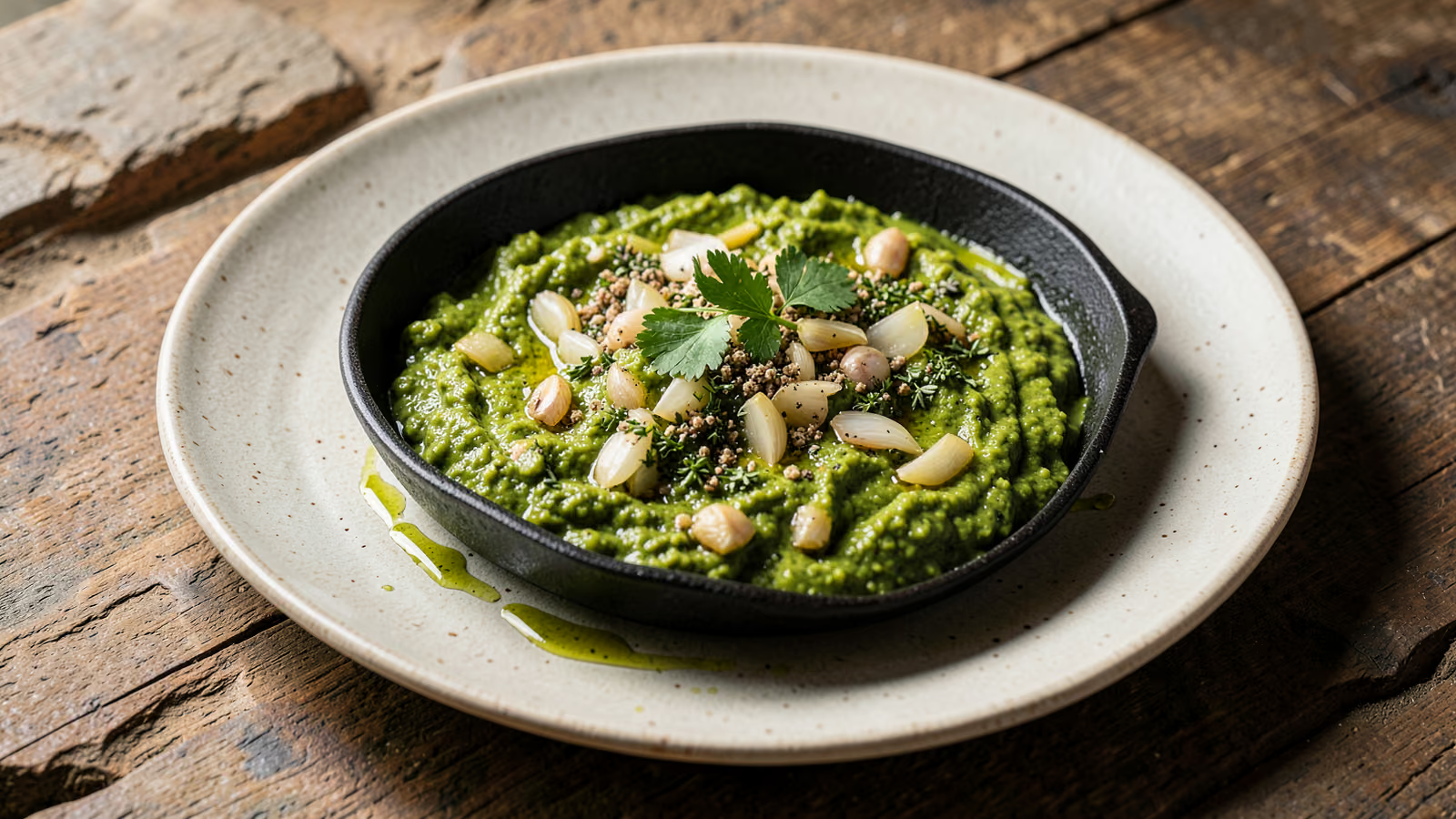
- Prep
- 10 min
- Cook
- 14 min
- Total
- 24 min
- Serves
- 4
Ingredients
What you’ll need — tap to tick off as you go
- 120 ml
- 80 g
- 1 clove
- 10 g
- 1 pinch
- ½ tsp
- ¼ tsp
- 1 tbsp
- 30 g
Process
Timers built in · swap anything · ask as you cook
Heat the oven to 180°C and place a rack in the middle. Boil a kettle of water, because the ramekins bake in a water bath.
Butter the inside of 4 ramekins (about 200 ml each) all the way up the sides with the 10 g unsalted butter so the eggs release cleanly.
Wilt the 80 g baby spinach in a dry frying pan over medium heat for 1 to 2 minutes, just until collapsed. Press it against the pan with a spatula to squeeze out excess water, then chop roughly.
Stir the 1 grated garlic clove, a pinch of the fine sea salt and a little of the black pepper into the spinach, then divide the spinach between the ramekins, pressing it into an even layer.
Pour 30 ml of the heavy cream over the spinach in each ramekin and grate a little nutmeg over the cream.
Crack 1 egg into each ramekin on top of the cream, taking care not to break the yolk. Season the eggs with the remaining fine sea salt and black pepper, then scatter the 30 g grated gruyere over the tops if using.
Set the ramekins in a roasting tin and pour boiling water into the tin until it comes halfway up the sides of the ramekins. This water bath is what keeps the eggs tender instead of rubbery.
Bake for 12 to 14 minutes, until the whites are just set around the yolk but the centre still wobbles when you nudge the ramekin. The yolk should read about 70°C if you check with a thermometer.
Lift the ramekins out of the water bath with a cloth, rest for 1 minute, scatter with the snipped chives and serve immediately with toasted bread soldiers.

Kitchen notes
Kitchen notes
- The single biggest mistake is overbaking: the eggs keep cooking in the hot ramekin after they leave the oven, so pull them when the white is set but the yolk still jiggles. If the yolk is firm in the oven, it will be chalky on the plate.
- Squeeze the wilted spinach properly before it goes in. Watery spinach steams the eggs from below and leaves a puddle that stops the cream from thickening.
- The water bath is not optional. Baking the ramekins dry gives you tough, bubbly whites; the bath keeps the temperature gentle and the custard silky.
- Ramekins vary in size, so check at 11 minutes the first time you make this and note your own timing. A 150 ml ramekin may need only 10 to 11 minutes.
Substitutions
- heavy cream→full-fat coconut milk for a dairy-free version (skip the gruyere too)
- baby spinach→thawed and squeezed frozen spinach, or sauteed sliced mushrooms
- gruyere cheese→parmesan or a mild cheddar
- chives→thinly sliced spring onion greens or flat-leaf parsley
Storage & reheating
Oeufs cocotte are best eaten straight from the oven, but you can assemble the spinach-and-cream base in the ramekins up to 24 hours ahead, cover and refrigerate; add the raw eggs just before baking. Leftover baked eggs keep in a sealed container in the fridge for up to 2 days. Reheat covered in a 150°C oven for 8 to 10 minutes, or in the microwave in 20-second bursts, though the yolk will set further. Do not freeze baked eggs; the whites turn spongy.
FAQ
The questions we get asked most
Why did my oeufs cocotte turn out watery?
Almost always because the spinach was not drained well or the cream was replaced with milk. Wilted spinach holds a lot of water; press it firmly in the pan or in a sieve before layering. Also keep the water bath level below the rim of the ramekins so no water splashes in.
Can I make oeufs cocotte ahead of time for brunch?
Yes, partially. Cook and season the spinach, spoon it into buttered ramekins with the cream, cover and refrigerate for up to 24 hours. Crack in the eggs and bake just before serving, adding 1 to 2 minutes to the baking time since the base is cold.
How do I know when the eggs are done?
The white should be opaque and set at the edges, and the centre should still wobble gently when you shake the ramekin. If you use a thermometer, the yolk should be around 70°C for a runny centre. Remember they continue to set while resting.
Can I bake oeufs cocotte without a water bath?
You can, but the result is less delicate. Without the bath, bake at 170°C for 10 to 12 minutes and watch closely, because the whites toughen and puff quickly. The water bath is what gives the classic soft, custardy texture.
What can I use instead of heavy cream?
Full-fat coconut milk works for a dairy-free version and sets similarly. Creme fraiche or sour cream also work but are tangier; thin them with a splash of milk so they pour. Avoid low-fat milk, which separates and leaves the eggs sitting in liquid.
Can I add other ingredients to the ramekins?
Yes, keep the total additions small so the egg still fits. Sauteed mushrooms, diced cooked ham-style turkey, smoked salmon or a spoon of ratatouille all work. Add them under the egg, not on top, so the yolk stays visible and the egg sets evenly.
Why did the egg yolks break in the oven?
Usually the oven was too hot or the ramekin was too full, so the white boiled and pushed the yolk apart. Keep the oven at 180°C, use ramekins that leave at least 1 cm of headroom, and do not overfill with cream. A cracked yolk is still safe to eat, just less pretty.
Ask KitchenMind about this recipe
Tell it what’s different tonight — it works within the actual recipe.