Vegetarian Split Pea Soup
Vegetarian split pea soup is the hearty American cold-weather classic in meat-free form: 400 g of dried green split peas, a sweet onion-carrot-celery base, garlic, smoked paprika, thyme and bay, simmered in vegetable broth until the peas collapse into a thick, creamy pot, with smoked paprika supplying the deep, savory smoke. Fifteen minutes of chopping and an hour on the stove is the whole job, most of it hands-off simmering, and the soup blends to whatever texture you like: silky, half-chunky, or left rustic. It is naturally vegan, gluten-free and dairy-free, and tastes even better the next day.
- Prep
- 15 min
- Cook
- 60 min
- Total
- 75 min
- Serves
- 6
Ingredients
What you’ll need — tap to tick off as you go
- 400 g
- 2 tbsp
- 3 cloves
- 1 tsp
- ½ tsp
- 1 ½ l
- 1 tsp
- ½ tsp
- 1 tbsp
Process
Timers built in · swap anything · ask as you cook
Rinse the 400 g of dried green split peas under cold running water and pick them over for stones or shriveled pieces, then leave them to drain in the colander. Split peas come peeled and split, which is why they need no soaking: they soften straight from dry as the soup simmers. Shake them dry and set them aside while you prep the vegetables.
Heat the 2 tbsp olive oil in a large heavy-bottomed pot over medium heat. Add the diced onion, carrots and celery and cook for 6 to 8 minutes, stirring occasionally, until the onion is translucent and the vegetables are soft at the edges with no browning. Sweating, not browning, keeps the base sweet and lets the smoked paprika lead.
Stir in the 3 minced garlic cloves, the 1 tsp smoked paprika and the 0.5 tsp dried thyme, and cook for 1 minute, stirring constantly, until the spices smell toasted and the garlic is fragrant but not colored. The hot oil dissolves the smoke and spice aromatics so they spread through the pot; if anything darkens, pull the pot off the heat at once.
Add the 400 g rinsed split peas, the bay leaf and the 1.5 l vegetable broth, scraping the base of the pot clean as you stir. Bring to a boil, then reduce the heat to low, cover, and simmer gently for 45 to 50 minutes, stirring every 15 minutes or so, until the peas are completely tender and breaking apart. Keep the heat low: this starchy pot scorches quickly when unstirred.
Remove the bay leaf. Take the pot off the heat and let it settle for 10 minutes, then blend: an immersion blender with its head kept under the surface, or half the soup at a time in a countertop blender filled no more than halfway and vented. Blend fully for a silky soup, pulse briefly for a rustic one, or leave the pot chunky.
Stir in the 1 tsp salt and the 0.5 tsp freshly ground black pepper, then taste and adjust: more salt, more pepper, or a final pinch of smoked paprika. If the soup is thicker than you like, loosen it with a splash more broth or water until it coats a spoon but still flows; it will set thicker as it cools.
Ladle the soup into warm bowls and finish each portion with a squeeze of the 1 tbsp lemon juice and a crack of black pepper. Serve hot, with crusty bread for dipping. Keep the lemon at the table rather than in the pot: its acid slows the peas' softening, so it belongs after they are fully tender, not before.
Why this recipe works
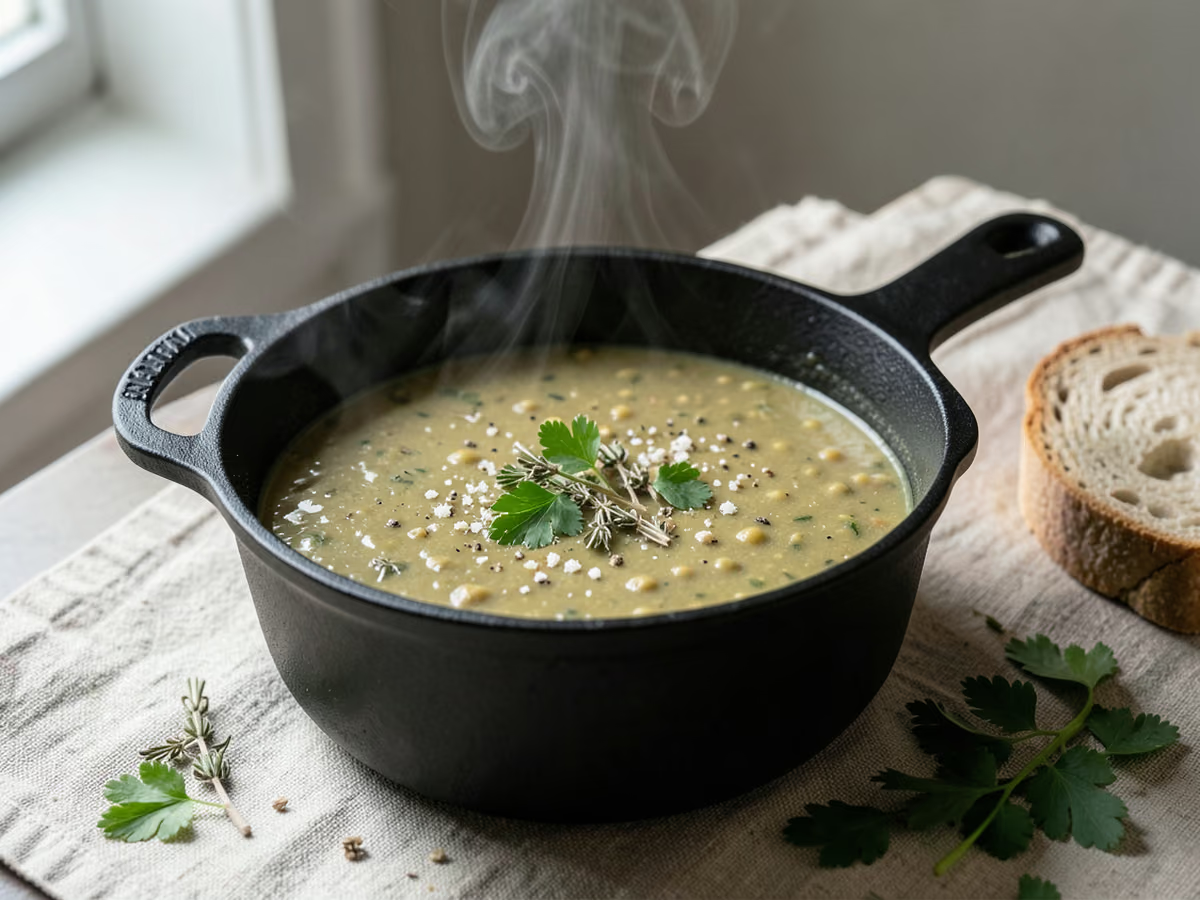
Split peas are dried, peeled and split at the mill, so they soften straight from dry with no soaking. During the simmer, heat breaks down the pectin that cements the cotyledon cells, and the starch released as the peas collapse thickens the broth on its own; that is where the soup's body comes from, not from cream or a roux. Sweating the vegetables instead of browning them keeps the base sweet and light, and blooming the smoked paprika and garlic in the oil for a minute dissolves the smoke aromatics into fat so they reach every spoonful. The lemon waits for the table because acid slows the very softening the pot depends on.
Equipment
- Large heavy-bottomed pot or Dutch oven, 4 to 5 litres, deep enough that the soup never fills it more than two-thirds
- Immersion blender, or a countertop blender for working through the soup in batches
- Chef's knife and cutting board, for dicing the onion, carrots and celery
- Kitchen scale or measuring jug, for the 400 g of split peas and the 1.5 l of broth
- Wooden spoon or heatproof spatula with a long handle, for scraping the base of the pot
- Measuring spoons, for the smoked paprika, thyme, salt and pepper
- Ladle and deep, warm bowls for serving
Kitchen notes
Kitchen notes
- Stir with a long spoon that reaches the bottom corner of the pot and feel for resistance as you go. Starch settles there first, and freeing it before it browns is the difference between a deep, sweet pot and one that tastes burnt.
- For a texture between smooth and chunky, pull out a ladleful of the tender peas before you blend, then stir them back in at the end; you get a creamy base with visible whole peas in the same pot.
- Salt is best judged after blending, because blending spreads the seasoning evenly through the pot; taste again once the lemon goes in, since the acid changes how salty and smoky the soup reads.
- Cool leftovers fast: decant the soup into shallow containers so it drops through the danger zone quickly, because a deep pot can stay warm in the center for hours even in the fridge.
- Resist thickening with flour or cornstarch: split peas carry plenty of their own starch, and the soup keeps a cleaner flavor if you simply simmer it down, blend a little more of it, or give it another ten minutes.
Common mistakes
- Thin, brothy soup: the peas have not fully collapsed, or there is more liquid than the 1.5 l the recipe calls for. Simmer uncovered for another 10 to 15 minutes, mashing the peas against the side of the pot, and blend a ladleful or two and stir it back in; the soup also thickens as it cools, so judge it while hot.
- A scorched bottom: a thick, starchy purée on high heat catches within minutes, and stirring only now and then is enough to let it stick. Use a heavy-bottomed pot, hold the barest simmer, stir down to the base every 15 minutes or so, and if it does burn, pour the soup into a clean pot without scraping the burnt layer up.
- Peas still hard after 50 minutes: usually peas that are a year or two old, very hard water, or acid arriving too early, since lemon or tomatoes slow the softening until the peas are already tender. Buy fresh peas from a fast-moving shop, save the lemon for the table, and give a stubborn pot 20 to 30 minutes more before giving up on it.
- Bland, flat flavor: the spices were not bloomed, or the soup was under-salted because the broth is low-sodium. Fry the paprika, thyme and garlic for the full minute until fragrant, season after blending, since salt spreads farther through a blended soup, and finish with the lemon; its acid makes the smoke and the sweet vegetables read louder.
- Grainy, gritty texture: the soup was blended before the peas had fully softened, leaving hard fragments in the purée. Test a pea first, crushing it against the side of the pot, and simmer on if it does not give easily; once the peas are fully tender, the same blender turns them silky instead of gritty.
Serving suggestions
- Serve hot in warmed bowls with a thick slice of crusty bread or sourdough toast for dipping; the soup is thick enough to sit on the bread without running.
- A squeeze of lemon and a crack of black pepper over each bowl at the table, or a swirl of olive oil, is the finish the pot is built for.
- A crisp side salad, shaved cabbage or fennel with a sharp vinaigrette, cuts through the rich, starchy base.
- For drinks, iced tea or sparkling water keeps the table light; the soup itself is a full meal.
Variations
- Root-vegetable version: add two medium waxy potatoes, diced, with the broth, since they soften through the same simmer and thicken the soup further, so loosen it with an extra splash of broth or water. A few handfuls of baby spinach or chopped kale stirred in for the last five minutes add greens without thinning the pot.
- Pressure-cooker version: sauté the base in the cooker, add the peas and broth, then cook at high pressure for 15 minutes and let the pressure release naturally for 15 minutes, never with a quick release, because starchy soup erupts through the valve. Blend and season as usual.
- Umami version: off the heat, stir in a spoonful of white miso or a splash of soy sauce. It adds the savory depth that long-simmered stock would, keeps the pot vegan, and the aromas stay bright as long as the soup does not boil after it goes in.
Refrigerator
- RefrigeratorCool the soup within 2 hours of cooking, splitting it into shallow containers so it drops in temperature quickly, then refrigerate it covered for up to 3 to 4 days. It sets thick and nearly solid when cold, so stir in a splash of broth or water when you lift the lid; the flavor is deeper on the second day.
- ReheatingWarm it gently over medium-low heat, stirring so nothing catches, and loosen with broth or water until it pours like thick cream; reheat to at least 74°C throughout, with a brief simmer before serving. In the microwave, cover the bowl, stir midway, let it stand a minute, and check it is hot all the way through.
- FreezingYes: freeze cooled portions in airtight containers for up to 3 months, leaving a little headroom for expansion. Thaw overnight in the fridge and reheat as above; the texture is slightly softer after freezing, and a splash of water brings back the original body.
- Make aheadThe soup is at its best the next day, once the smoke and thyme have settled into the peas. Cook it fully, cool it quickly, and refrigerate for up to 3 days, or freeze it; reheat gently and add the lemon at the table, never to the stored pot.
Updated:
How this recipe was developed
- USDA FSIS, Leftovers and Food Safety (refrigerate within 2 hours; refrigerated leftovers keep 3 to 4 days; reheat leftovers to 74°C and bring soups to a rolling boil)
- University of Maine Cooperative Extension, Split Pea Soup (simmer 60 to 90 minutes until peas are soft; slow cooker 6 to 8 hours on low or 4 to 5 hours on high; refrigerate within 2 hours, reheat to 74°C, freeze 3 to 4 months for best quality)
- J. Kenji López-Alt, Serious Eats, Should I Salt My Bean-Cooking Water? (salt does not toughen legumes; sodium ions displace the calcium and magnesium that keep the skins firm, so seasoning early is safe)
- The Culinary Institute of America, Basic Method for Puréed Soups (starchy purées need frequent stirring in a heavy-gauge pot to prevent scorching; cool at least 10 minutes before blending and vent blender steam)
Editorial references are kept internally for verification. This page makes no claim of external certification or professional testing.
FAQ
The questions we get asked most
Why is my split pea soup not thickening?
Thickness comes from the peas: split peas only thicken a pot once their cell walls have fully collapsed and released their starch, so a soup that stays brothy is nearly always undercooked or too liquid. Simmer it uncovered for 10 to 15 minutes more, mashing the peas against the side of the pot, and blend a ladleful or two and stir it back in. Check the ratio as well, since this recipe runs 400 g of peas to 1.5 l of broth, and every extra cup of liquid shows. The soup also firms up as it cools, so it will look thicker an hour later and much thicker tomorrow.
Why are my split peas still hard after simmering?
The most common cause is the peas themselves: a bag that sat for a year or two, or spent a summer in a warm cupboard, can develop a hard-to-cook condition and will never soften fully, no matter how long it simmers. Acid is the second culprit, because lemon juice or tomatoes added before the peas are tender slow the softening, and very hard tap water slows it too. Start with fresh peas, hold the lemon for the table, and if your water is hard, try filtered water, or a scant quarter-teaspoon of baking soda in the pot and no more, since too much turns the soup soapy. Salt is not the problem: it actually helps the skins soften.
Can I use yellow split peas instead of green?
Yes, with the same 400 g and the same method. Yellow split peas taste earthier and run a little more starchy, so they hold their shape longer and the soup turns deep golden; green peas are slightly sweeter and collapse a few minutes sooner. Cook until the peas crush easily, and expect the yellow pot to need a slightly longer simmer or a touch more blending for a silky finish. The smoked paprika reads just as well against either color.
How do I make vegetarian split pea soup in a slow cooker?
Put the rinsed peas, onion, carrot, celery, garlic, smoked paprika, thyme, bay leaf and the same 1.5 l vegetable broth into the slow cooker, cover, and cook on low for 6 to 8 hours or on high for 4 to 5 hours, until the peas collapse under spoon pressure. Sautéing the vegetables first in the 2 tbsp olive oil, in a pan or on a slow cooker's sauté setting, deepens the flavor but is optional. Remove the bay leaf, blend if you like, then stir in the 1 tsp salt, the 0.5 tsp pepper and the lemon juice at the end.
Why did my split pea soup burn on the bottom?
A thick, starchy purée insulates the base of the pot, so the thin layer touching the metal can scorch while the rest of the soup looks perfectly fine; high heat and long gaps between stirs are the usual triggers. Keep the pot at the barest simmer, stir down to the bottom every 15 minutes or so, and use a heavy-bottomed pot that spreads the heat. If it does catch, do not scrape the burnt layer into the soup: pour everything into a clean pot, leaving the scorched film behind, and taste before serving.
Is vegetarian split pea soup vegan and gluten-free?
As written it is both: no meat, dairy or eggs, and no flour or fried elements, so it is vegan and dairy-free. Gluten only enters through the broth, since most vegetable broths are gluten-free but some include yeast extract or grain-based flavorings, so check the label if it matters to you. The peas, vegetables, olive oil, smoked paprika, thyme, bay leaf and lemon are all naturally gluten-free.
Can I freeze vegetarian split pea soup?
Yes, and it freezes better than most soups, because the starch that thickens it also protects the texture. Cool it within 2 hours of cooking, freeze it in airtight portions for up to 3 months, and thaw overnight in the fridge. It sets firm when cold and thickens further after freezing, so reheat it gently with a splash of broth or water, stirring, and let it reach at least 74°C throughout before serving.
Ask KitchenMind about this recipe
Tell it what’s different tonight — it works within the actual recipe.