- Prep
- 40 min
- Cook
- 10 min
- Total
- 50 min
- Serves
- 4
Ingredients
What you’ll need — tap to tick off as you go
- 300 g
- 100 g
- 8 slices
- 3 tbsp
- 2 tbsp
- 3 tbsp
- 1 tbsp
- 1 clove
- 1 tsp
- 2 tbsp
- ½ tsp
Process
Timers built in · swap anything · ask as you cook
Bring a small pot of water to a boil, add 0.5 tsp salt and the shrimp, and cook for 2 to 3 minutes until the shrimp turn opaque pink and curl into a loose C shape. Drain, rinse under cold water, and cut each shrimp in half lengthwise. Set aside.
Boil the rice vermicelli noodles in fresh water for 3 to 4 minutes until tender but still slightly firm. Drain, rinse with cold water, and spread on a plate to dry for a few minutes so they do not soak the wrappers.
Prepare the vegetables: separate the butter lettuce leaves, pick the mint and cilantro sprigs, and cut the carrot and cucumber into thin matchsticks about 6 cm long.
Make the dipping sauce by whisking the hoisin sauce, peanut butter, water, lime juice, garlic and sriracha in a small bowl until smooth. Transfer to a serving dish and top with crushed peanuts.
Set up a rolling station: a wide shallow dish of warm water, a clean damp kitchen towel, and all the fillings within reach. Dip one rice paper wrapper in the water for 2 to 3 seconds, just until it softens slightly, and lay it flat on the damp towel.
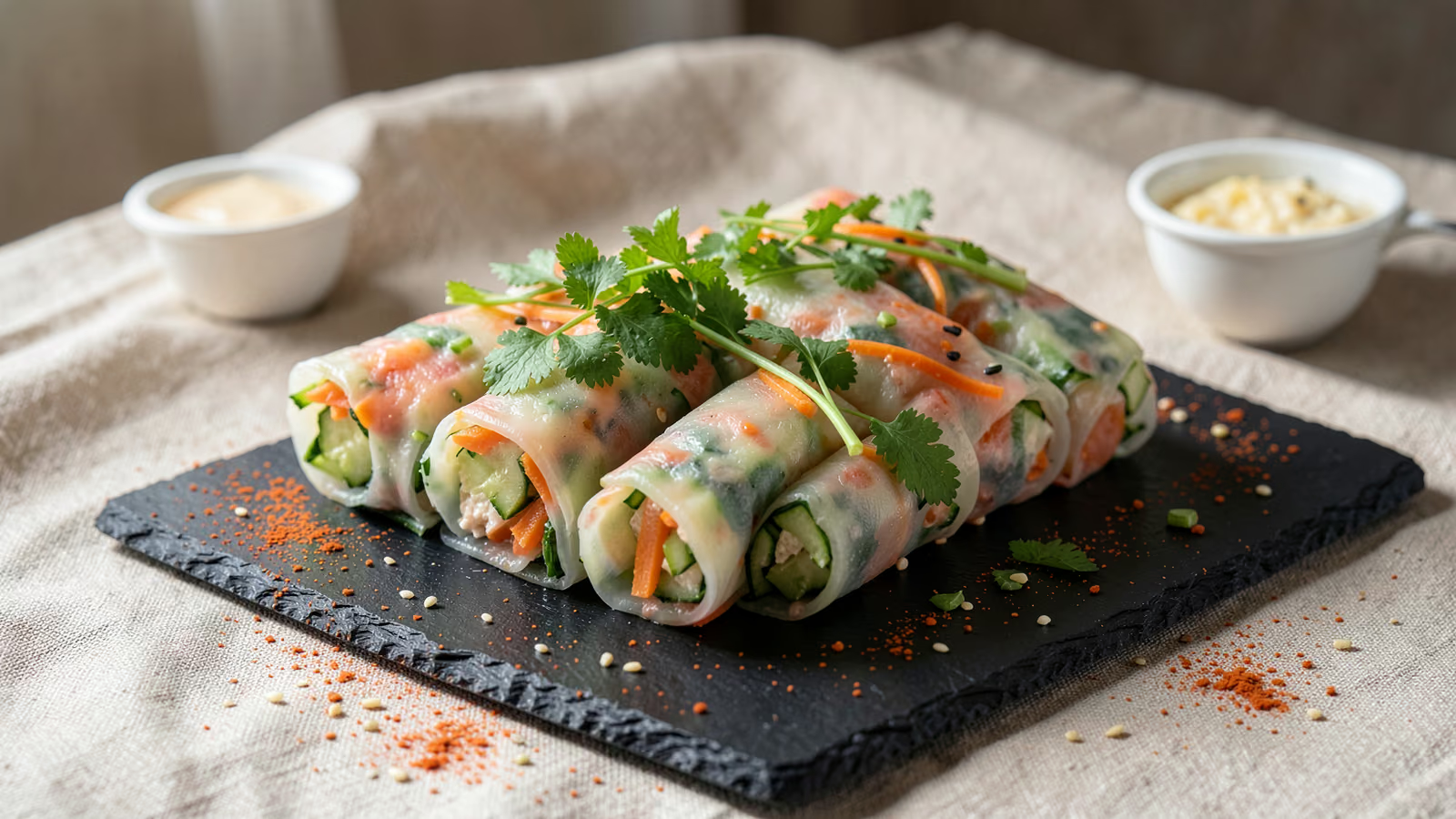
On the lower third of the wrapper, layer a small piece of butter lettuce, a pinch of vermicelli, a few carrot and cucumber sticks, 2 mint leaves and 2 cilantro sprigs. Fold the bottom edge over the filling, tuck in the sides, then roll tightly once.
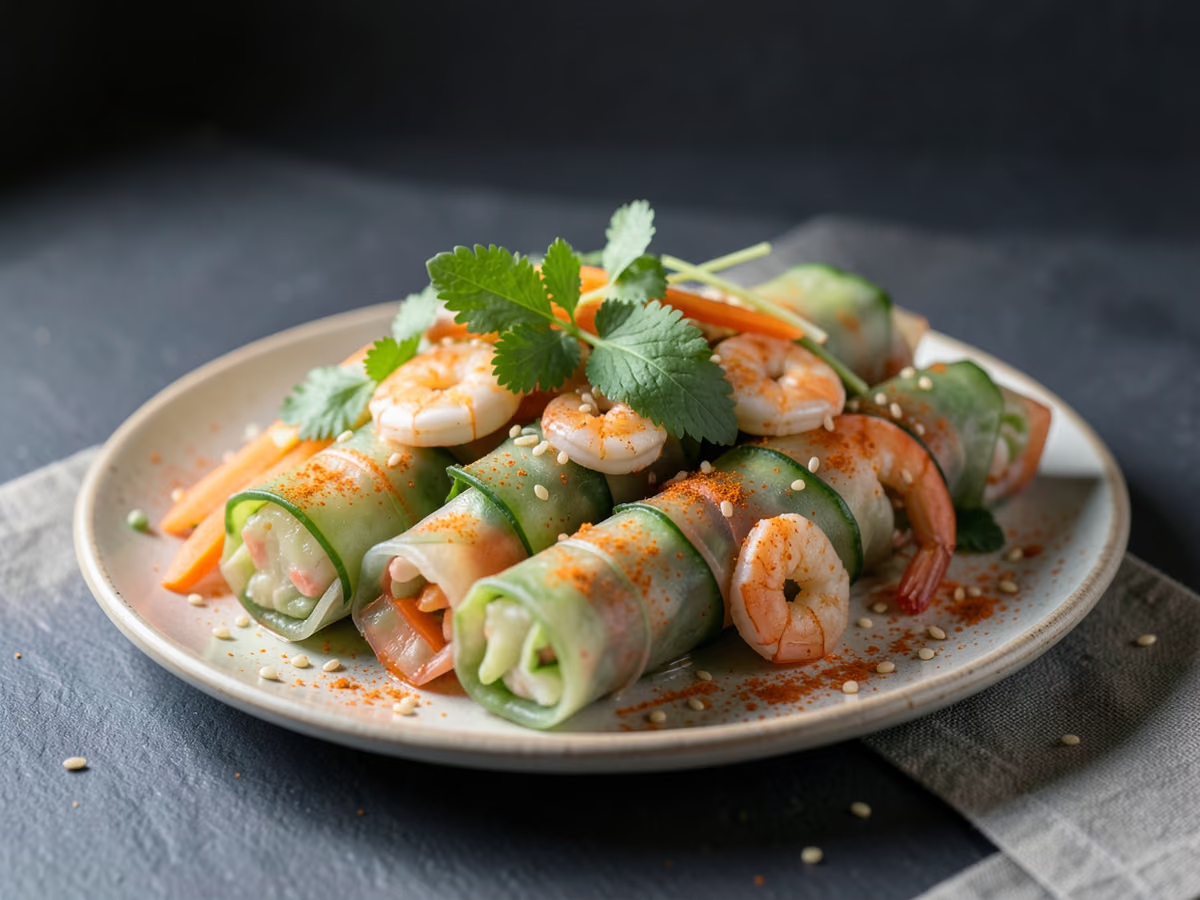
Place 3 to 4 shrimp halves pink side down in a row on the remaining wrapper surface, fold the sides in again and finish rolling firmly. The shrimp should show through the top layer of rice paper.
Place the finished roll seam side down on a plate and cover with a damp towel. Repeat with the remaining wrappers and fillings. Serve within 30 minutes with the peanut-hoisin dipping sauce.
Kitchen notes
Kitchen notes
- The most common mistake is over-soaking the rice paper: dip it for only 2 to 3 seconds. It will still feel stiff when you lay it down but continues to soften on the damp towel as you add the filling.
- Do not overfill. A small handful of noodles and vegetables keeps the roll tight and prevents the wrapper from tearing. If a wrapper tears, wrap it in a second briefly dipped sheet.
- Cook the shrimp just until they curl into a C shape; a tight O shape means they are overcooked and rubbery. Rinsing them in cold water stops the cooking immediately.
- Work on a damp towel, not a wet counter, so the rice paper does not stick and tear when you lift the roll.
Substitutions
- shrimp→cooked chicken breast or firm tofu strips for a non-seafood version
- peanut butter→tahini or sunflower seed butter for a nut-free sauce
- hoisin sauce→a mix of soy sauce and a little brown sugar
- butter lettuce→any soft leafy lettuce or baby spinach
Storage & reheating
Fresh spring rolls are best eaten within 30 minutes of rolling. If you must store them, wrap each roll tightly in plastic wrap or place in an airtight container lined with a damp paper towel and refrigerate for up to 24 hours; the rice paper will firm up and become chewy. Do not freeze them, as the wrappers turn mushy and the vegetables release water. The peanut-hoisin dipping sauce keeps in a sealed jar in the fridge for up to 5 days; stir in a teaspoon of warm water before serving if it thickens.
FAQ
The questions we get asked most
Why did my rice paper wrappers tear while rolling?
The wrappers were probably soaked too long or the filling was too bulky. Dip each sheet for only 2 to 3 seconds in warm water and lay it on a damp towel; it will soften as you fill it. Keep the filling to a small handful and roll gently but firmly, tucking the sides in before the final roll.
Can I make goi cuon ahead of time for a party?
You can prep all the fillings up to a day ahead and keep them covered in the fridge, but roll the spring rolls no more than 30 minutes before serving. Once rolled, the rice paper dries and turns chewy within a couple of hours. If you must hold them, place seam side down on a plate, cover with a damp towel and refrigerate for up to 1 hour.
How do I keep the rice paper from sticking to the plate?
Place the finished rolls seam side down on a plate lightly brushed with oil or lined with a damp paper towel, and keep them covered with another damp towel. Do not stack them directly on top of each other without a barrier, as the wrappers will fuse together. Serve them as soon as possible for the best texture.
Can I use cooked shrimp from the store instead of boiling my own?
Yes, cooked shrimp works fine and saves time. Pat it very dry with paper towels before halving it lengthwise, otherwise the excess moisture will make the rice paper soggy. Taste one first, since store-bought cooked shrimp can be saltier than home-boiled.
Is there a gluten-free option for the dipping sauce?
Hoisin sauce often contains wheat, so check the label or use a gluten-free hoisin. You can also replace it with 2 tbsp gluten-free soy sauce mixed with 1 tbsp brown sugar and 1 tsp rice vinegar. The rice paper, noodles, vegetables and shrimp are naturally gluten-free.
Why do my rolls taste bland?
The herbs and dipping sauce carry the flavor, so be generous with the mint and cilantro and do not skip the sauce. Also make sure the shrimp are seasoned in the cooking water and that the vegetables are fresh and crisp. A squeeze of lime in the sauce brightens everything.
Can I prepare the noodles and vegetables the night before?
Yes. Cook the vermicelli, rinse it in cold water, drain well and refrigerate in a covered container for up to 2 days. Cut the carrot and cucumber and store them in a little cold water in the fridge for up to 2 days, then drain and pat dry before rolling so the wrappers stay crisp.
Ask KitchenMind about this recipe
Tell it what’s different tonight — it works within the actual recipe.