- Prep
- 20 min
- Cook
- 150 min
- Total
- 170 min
- Serves
- 6
Ingredients
What you’ll need — tap to tick off as you go
- 1 ¼ kg
- 200 g
- 40 g
- 4 cloves
- 2 tbsp
- 200 g
- 300 g
- 3 tbsp
- 2 tbsp
- 1 tsp
- ½ tsp
- 2 l
Process
Timers built in · swap anything · ask as you cook
Rinse the oxtail under cold water, place in a large pot with 2 liters of water, 1 chopped onion and 1 teaspoon salt. Bring to a boil, then lower heat to a gentle simmer and cook uncovered for 2 to 2.5 hours, skimming foam every 20 minutes, until the meat is fork-tender and almost falling off the bone. Reserve 1.5 liters of the cooking broth and set the oxtail aside.
While the oxtail simmers, toast the glutinous rice in a dry skillet over medium heat for 3 to 4 minutes until golden and fragrant. Grind to a fine powder using a spice grinder or mortar and pestle. Set aside.
Steep the annatto seeds in 60 ml hot water for 10 minutes, then strain and discard the seeds, keeping the deep orange liquid.
In a wide pot, heat 2 tablespoons of oil over medium heat. Add the minced garlic and cook for 1 minute until fragrant, then add the ground peanuts and cook for 2 minutes, stirring constantly, until the mixture darkens slightly and smells nutty.
Pour in the reserved 1.5 liters of oxtail broth and the annatto liquid. Stir in the toasted rice powder and 2 tablespoons fish sauce. Bring to a simmer and cook for 10 minutes, stirring often, until the sauce thickens enough to coat the back of a spoon.
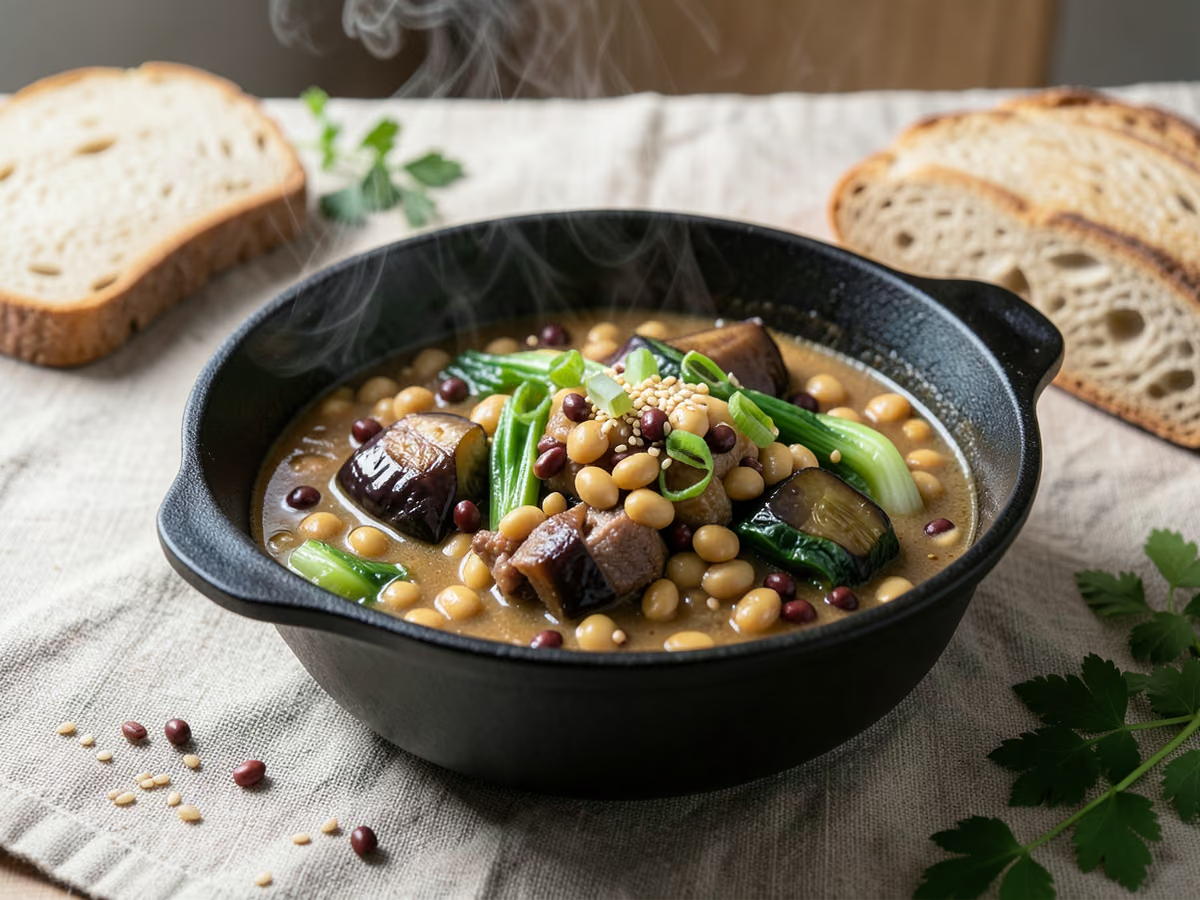
Return the oxtail to the pot. Add the eggplant batons and string beans. Simmer for 10 minutes until the vegetables are just tender but still hold their shape.
Add the bok choy and cook for 2 minutes until wilted. Season with black pepper and additional salt if needed. Serve hot with bagoong on the side.
Kitchen notes
Kitchen notes
- The most common mistake is not simmering the oxtail long enough — it must be truly fork-tender before it goes back into the peanut sauce, otherwise the final stew will be tough. Start checking at 2 hours.
- Toasting the glutinous rice is what gives kare-kare its signature velvety body. If you skip it, the sauce stays thin and the peanut paste separates.
- Stir the peanut sauce frequently once the rice powder goes in; it settles and scorches on the bottom of the pot easily. A heavy-bottomed pot or Dutch oven helps.
- Bagoong is salty and pungent — serve it on the side so each diner can season their own bowl. Do not stir it into the pot unless everyone at the table wants it.
Substitutions
- oxtail→beef short ribs or beef shank
- bagoong→fermented soybean paste or extra fish sauce mixed with a pinch of sugar
- glutinous rice→regular white rice, toasted and ground the same way
- annatto seeds→1 teaspoon paprika plus a pinch of turmeric for color
Storage & reheating
Cool the stew completely, then store in an airtight container in the refrigerator for up to 4 days. The sauce thickens considerably when cold; reheat gently on the stovetop over low heat with a splash of water or broth, stirring until loosened, or microwave covered in 1-minute bursts. Freeze without the bok choy for up to 2 months in a freezer-safe container; thaw overnight in the fridge before reheating. Add freshly blanched bok choy when serving leftovers.
FAQ
The questions we get asked most
Why is my kare-kare sauce thin and watery?
You likely skipped the toasted glutinous rice powder or added too much broth. The rice powder is the thickening agent — without it the peanut paste stays loose. Stir 1 tablespoon of toasted rice powder into the simmering sauce and cook for 5 minutes; it will thicken as it stands.
Can I use peanut butter instead of ground peanuts?
Yes, use 180 g of unsweetened natural peanut butter. Avoid sweetened or hydrogenated brands because they make the stew taste like dessert and give a grainy texture. Stir it in after the broth and adjust the rice powder slightly, since peanut butter is already smooth and thick.
How do I know when the oxtail is tender enough?
Pierce the thickest piece with a fork — it should slide in with almost no resistance and the meat should pull away from the bone easily. This usually takes 2 to 2.5 hours of gentle simmering. If it still resists, keep simmering in 20-minute increments.
Can I make kare-kare ahead of time?
Yes, it tastes even better the next day. Cook the stew through step 6, cool and refrigerate overnight, then reheat gently and add the bok choy just before serving. The flavors meld and the sauce thickens naturally in the fridge.
What can I use if I cannot find annatto seeds?
Use 1 teaspoon of sweet paprika plus a small pinch of turmeric for a similar orange-red color. The flavor will be slightly different but the appearance will be close. You can also use 1 tablespoon of annatto powder dissolved directly in the broth.
Is kare-kare supposed to be spicy?
No, traditional kare-kare is mild and nutty, not spicy. The bagoong on the side adds saltiness and umami, not heat. If you want heat, add sliced chilies or a spoonful of chili garlic oil at the table.
Can I freeze kare-kare with the vegetables?
Freeze only the meat and sauce; eggplant and string beans turn mushy after thawing. Blanch fresh vegetables when you reheat the stew. The sauce itself freezes well for up to 2 months in an airtight container.
Ask KitchenMind about this recipe
Tell it what’s different tonight — it works within the actual recipe.