- Prep
- 15 min
- Cook
- 20 min
- Total
- 35 min
- Serves
- 4
Ingredients
What you’ll need — tap to tick off as you go
- 800 ml
- 600 g
- 60 g
- 30 ml
- 15 g
- 15 g
- 150 g
- 15 ml
- 300 g
- 1 g
Process
Timers built in · swap anything · ask as you cook
Rinse the jasmine rice under cold water until it runs clear, then cook it with 500 ml water and 1 g salt in a covered pot over low heat for 12 minutes. Turn off the heat and let it steam, covered, for 10 minutes.
Scoop the 200 ml thick coconut cream from the top of the cans into a wide pan or wok. Heat over medium heat and cook for 3 to 4 minutes, stirring, until it splits and shiny oil appears at the edges.
Add the 60 g red curry paste to the split coconut cream and fry for 1 to 2 minutes until it darkens slightly and smells fragrant. Do not let it burn.
Add the 600 g chicken thigh pieces and stir to coat in the paste. Cook for 3 minutes until the outside turns opaque.
Pour in the remaining 600 ml coconut milk, add the 4 torn kaffir lime leaves, 15 g palm sugar and 30 ml fish sauce, and bring to a gentle simmer. Cook for 8 to 10 minutes, stirring occasionally, until the chicken is cooked through and the sauce has thickened slightly.
Stir in the sliced red bell pepper and the 150 g bamboo shoots if using, and simmer for 3 minutes so they stay crisp-tender.
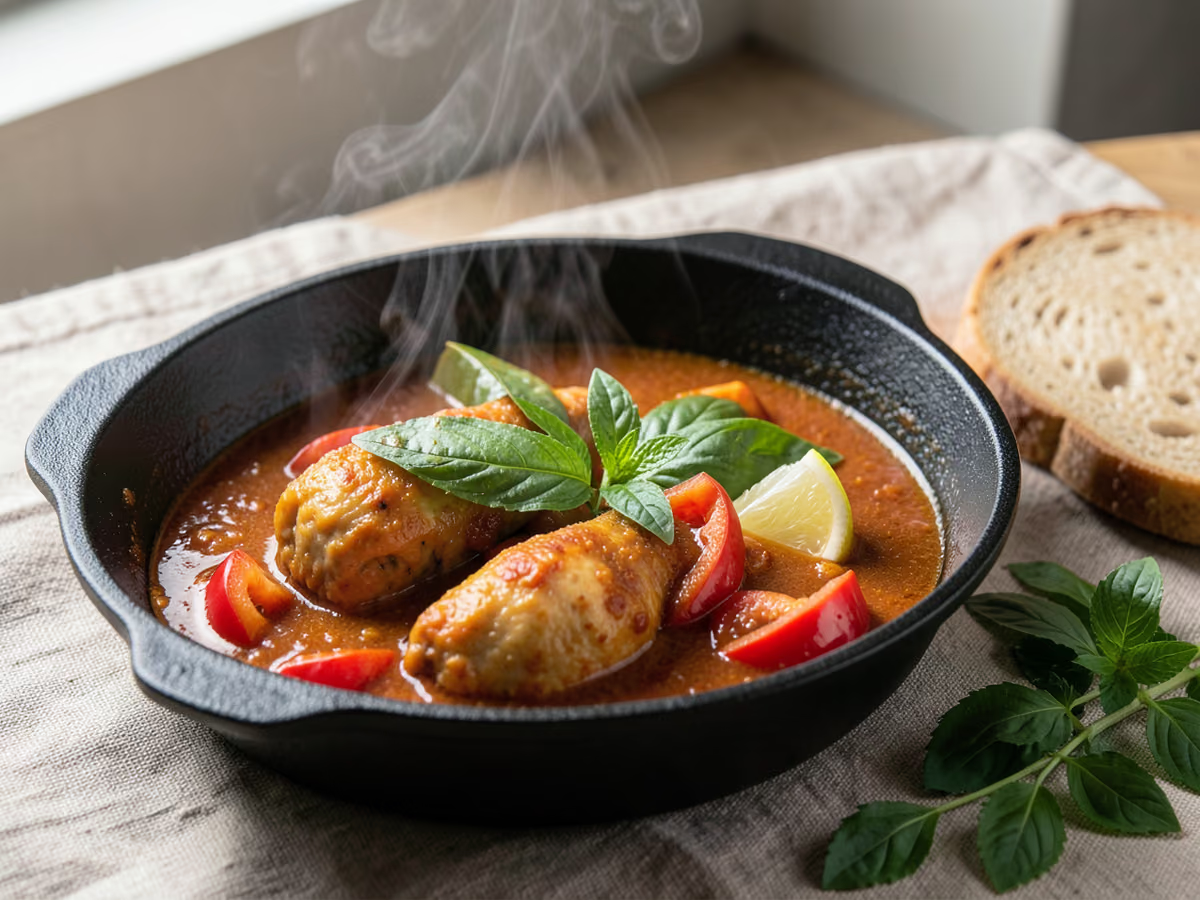
Turn off the heat, then stir in the juice of 1 lime and the 15 g Thai basil leaves. Taste and add more fish sauce or palm sugar if needed, then serve hot over the jasmine rice with extra basil.
Kitchen notes
Kitchen notes
- The most common mistake is boiling the curry hard after the coconut milk goes in. Keep it at a gentle simmer or the coconut milk will split and turn oily instead of creamy.
- Frying the curry paste in the split coconut cream for 1 to 2 minutes is what builds the deep flavour. If you add the paste to watery coconut milk, the curry tastes flat and raw.
- The chicken is done when a piece cuts easily with no pink at the centre and the sauce coats the back of a spoon. Thighs stay juicy even if you simmer them a couple of minutes longer.
- Add the lime juice and Thai basil off the heat. Cooking them dulls the fresh aroma and makes the curry taste muddy.
Substitutions
- chicken thighs→firm tofu or large prawns
- fish sauce→light soy sauce for a vegetarian version
- palm sugar→light brown sugar
- Thai basil→regular basil or coriander leaves
- bamboo shoots→sliced green beans or baby corn
Storage & reheating
Cool the curry completely, then store it in an airtight container in the fridge for up to 3 days; keep the rice separately for up to 1 day. To reheat, warm gently in a saucepan over low heat with a splash of water or coconut milk until piping hot, about 5 minutes, without letting it boil. The curry freezes well without the basil and lime for up to 2 months; thaw overnight in the fridge and add fresh basil and lime after reheating.
FAQ
The questions we get asked most
Why did my Thai red curry turn out watery instead of creamy?
You likely skipped frying the curry paste in the thick coconut cream, or you used light coconut milk. Use full-fat coconut milk, cook the thick cream until it splits and releases oil, then fry the paste in that oil for 1 to 2 minutes before adding the chicken and the rest of the coconut milk. Simmering uncovered for the last few minutes also thickens the sauce.
Why did the coconut milk split and look oily?
Coconut milk splits when it is boiled hard or stirred too aggressively after the sauce comes together. Keep the curry at a gentle simmer, never a rolling boil, and stir only occasionally. A slight oil sheen on top is normal and authentic, but if it looks fully separated, whisk in 2 to 3 tbsp of warm coconut milk off the heat to bring it back.
Can I use chicken breast instead of thighs?
Yes, but breast dries out faster. Cut it into slightly larger pieces and add it after the coconut milk, simmering for only 6 to 7 minutes until just cooked. Thighs are more forgiving because their fat keeps them juicy during the simmer.
How do I make this Thai red curry vegetarian?
Replace the chicken with 400 g of firm tofu, pressed and cubed, and swap the fish sauce for light soy sauce. Fry the tofu separately until golden, then add it back with the bell pepper so it does not break apart. Check that your curry paste is vegetarian, as many brands contain shrimp paste.
Can I make Thai red curry ahead of time?
Yes. Cook it fully, cool it quickly, and refrigerate for up to 3 days; the flavour actually improves overnight. Reheat gently on low heat with a splash of coconut milk, and add the lime juice and Thai basil only after reheating so they stay fresh. It also freezes well for up to 2 months without the herbs.
How do I know when the chicken is cooked through?
Cut the thickest piece in half: it should be opaque white all the way through with no pink, and it should separate easily with a fork. At a gentle simmer, 3 cm thigh pieces take about 8 to 10 minutes. If you are unsure, simmer 2 more minutes, since thighs do not toughen quickly.
What can I use if I do not have fish sauce?
Light soy sauce works as a halal-friendly substitute, using the same 30 ml and adding a pinch more salt if needed. For a deeper savoury note, mix soy sauce with a teaspoon of miso. Avoid dark soy sauce, which will darken the colour of the curry too much.
Ask KitchenMind about this recipe
Tell it what’s different tonight — it works within the actual recipe.