- Prep
- 30 min
- Cook
- 90 min
- Total
- 120 min
- Serves
- 4
Ingredients
What you’ll need — tap to tick off as you go
- 500 g
- 2 l
- 4 cloves
- 20 g
- 3 tbsp
- 1 tbsp
- 2 tbsp
- 1 tsp
- 400 g
- 1 tbsp
- 2 cups
Process
Timers built in · swap anything · ask as you cook
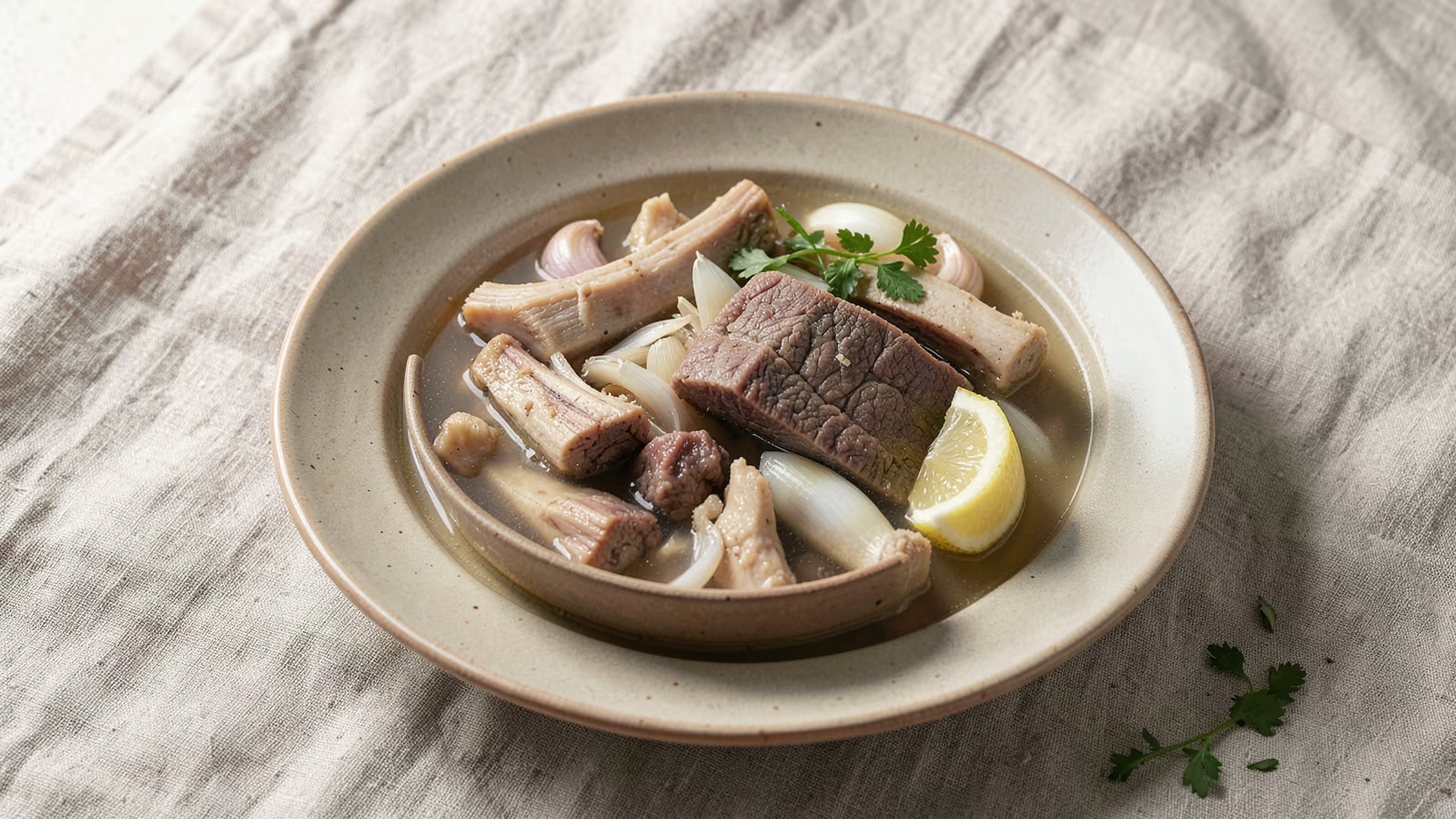
In a large pot, combine beef brisket, water, onion, garlic, and ginger. Bring to a boil over high heat, then reduce to low and simmer for 60 minutes, skimming foam.
Remove beef and strain broth through a fine-mesh sieve. Discard solids. Stir in soy sauce, sugar, rice vinegar, and salt. Chill broth in the refrigerator until very cold, at least 2 hours.
While broth chills, slice the cooked beef brisket thinly and set aside. Julienne cucumber and slice asian pear. Hard-boil eggs for 10 minutes, cool in ice water, peel, and halve.
Bring a large pot of water to a boil. Cook buckwheat noodles according to package directions, usually 3–4 minutes. Drain and rinse under cold running water until completely cool, then drain well.
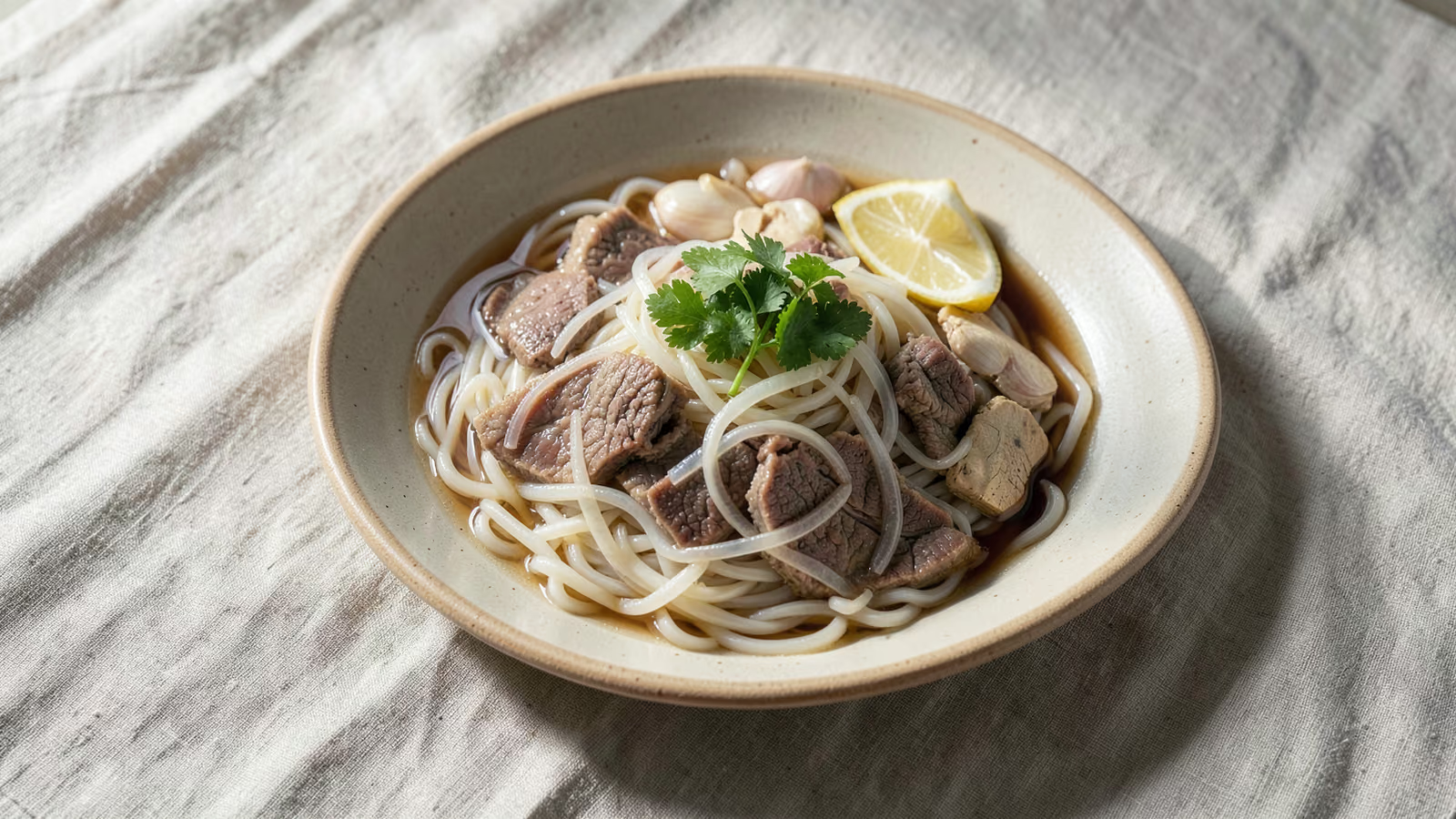
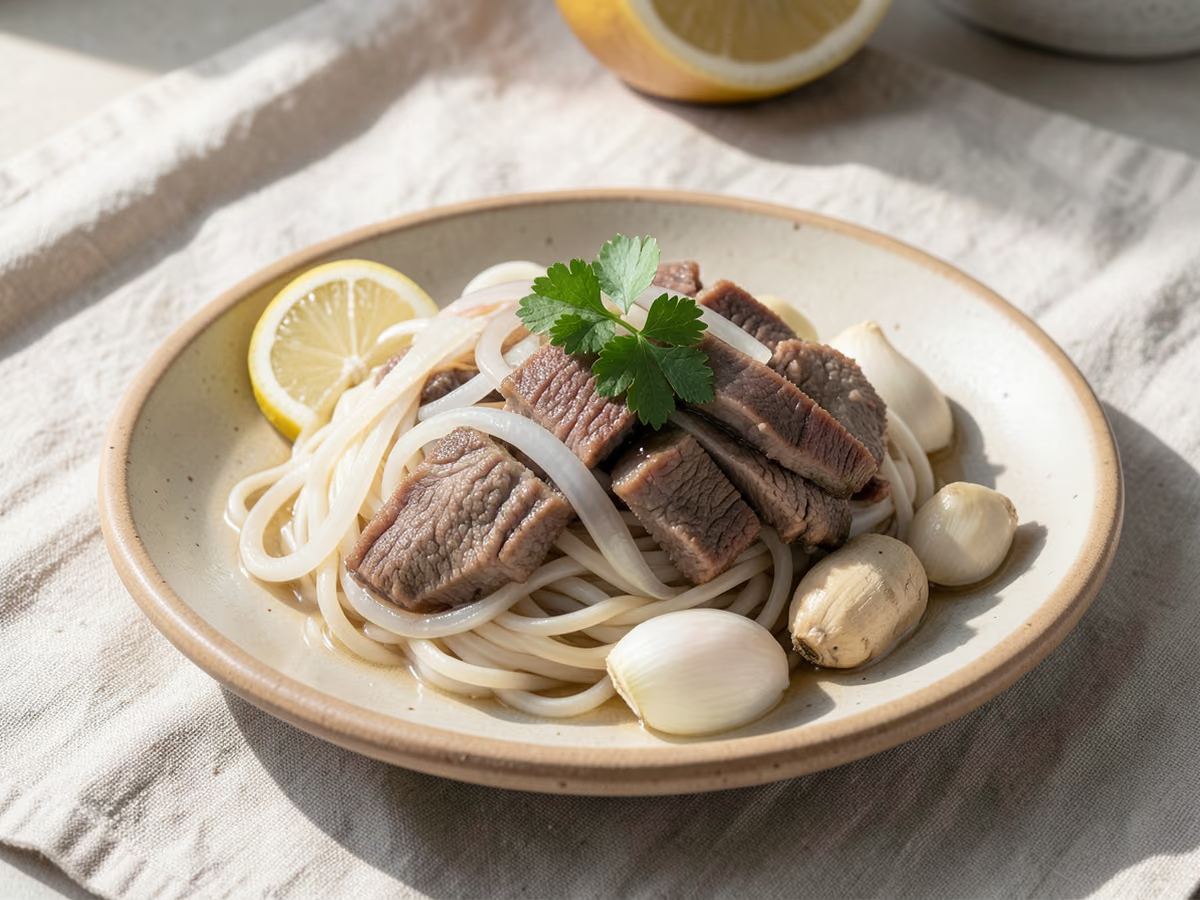
Divide noodles into 4 bowls. Pour chilled broth over noodles. Top with sliced beef, cucumber, asian pear, and egg halves. Add ice cubes to each bowl to keep cold.
Sprinkle with toasted sesame seeds if desired. Serve immediately with extra rice vinegar and soy sauce on the side.
Kitchen notes
Kitchen notes
- The most common mistake is not chilling the broth enough; it must be ice-cold before serving, so start early or use an ice bath to speed chilling.
- Rinse the cooked noodles thoroughly under cold water to remove excess starch; this prevents them from clumping and keeps the broth clear.
- Adjust the tanginess by adding more rice vinegar just before serving; the broth should be slightly more sour and salty than you think, as the noodles will dilute it.
- Use firm asian pear or a crisp apple if asian pear is unavailable; avoid soft varieties that will disintegrate.
Substitutions
- beef brisket→chicken breast or shiitake mushrooms for a vegetarian version
- buckwheat noodles→soba noodles or thin wheat noodles
- rice vinegar→apple cider vinegar or white vinegar
- asian pear→bosc pear or fuji apple
Storage & reheating
Store leftover broth and noodles separately in airtight containers in the refrigerator. Broth keeps for up to 3 days; noodles up to 2 days. To reheat broth, warm gently on the stove and then chill again before serving. Do not freeze the noodles as they become mushy. Assemble fresh before serving.
FAQ
The questions we get asked most
Why is my naengmyeon broth not cold enough?
The broth needs to be chilled for at least 2 hours in the refrigerator, or you can place it in an ice bath to speed up the process. If it is still not cold, add more ice cubes directly to the bowls when serving. Never serve the broth at room temperature.
Can I use a different type of noodles for naengmyeon?
Yes, you can substitute with soba noodles or thin wheat noodles if buckwheat noodles are unavailable. However, the texture and flavor will differ slightly. Cook them according to package directions and rinse well under cold water.
How do I make the broth more flavorful?
Simmer the beef brisket with onion, garlic, and ginger for at least 60 minutes to extract maximum flavor. You can also add a piece of kombu (dried kelp) during the last 10 minutes of simmering for extra umami. Adjust the soy sauce, sugar, and vinegar to balance the taste.
Can I prepare naengmyeon ahead of time?
Yes, you can make the broth and cook the noodles up to 2 days in advance. Store them separately in the refrigerator. Assemble the dish just before serving to keep the noodles from soaking up too much broth and becoming soggy.
What can I use instead of asian pear?
Bosc pear or a crisp apple like Fuji works well as a substitute. They provide a similar sweet crunch. Avoid soft pears that will turn mushy in the broth.
How do I prevent the noodles from sticking together?
After cooking, rinse the noodles under cold running water for at least 1 minute to remove excess starch. Drain them well and toss with a tiny amount of sesame oil if not serving immediately. This keeps them separate.
Is naengmyeon gluten-free?
Traditional naengmyeon noodles are made with buckwheat and wheat flour, so they are not gluten-free. To make it gluten-free, use 100% buckwheat noodles and ensure the soy sauce is gluten-free. Always check labels.
Ask KitchenMind about this recipe
Tell it what’s different tonight — it works within the actual recipe.