- Prep
- 40 min
- Cook
- 20 min
- Total
- 60 min
- Serves
- 4
Ingredients
What you’ll need — tap to tick off as you go
- 400 g
- 480 ml
- 2 tbsp
- 1 tbsp
- 1 tsp
- 200 g
- 2 tbsp
- 1 tbsp
- 2 cloves
- 150 g
- 100 g
- 1 tbsp
- 6 slices
Process
Timers built in · swap anything · ask as you cook
Rinse the short-grain white rice under cold water until the water runs clear. Drain well, then transfer to a rice cooker or pot with 480 ml water. Cook according to your appliance, then let it steam covered for 10 minutes.
While the rice cooks, prepare the seasoning: in a small bowl, mix rice vinegar, granulated sugar, and 1/2 tsp kosher salt. Stir until dissolved.
In a separate bowl, combine the beef sirloin strips with soy sauce, 1 tsp sesame oil, minced garlic, and the remaining 1/2 tsp kosher salt. Mix well and set aside to marinate for 15 minutes.
Heat a non-stick pan over medium heat. Pour in the beaten eggs and swirl to make a thin omelette. Cook for 2 minutes until set, then flip and cook 1 minute more. Slide onto a cutting board and cut into long strips.
In the same pan, add the julienned carrot and stir-fry for 2 minutes until slightly softened. Remove and set aside.
Add the blanched spinach to the pan and stir-fry for 1 minute with a pinch of salt. Remove and set aside.
Increase heat to medium-high, add the marinated beef strips and cook for 3–4 minutes until browned and cooked through. Remove and set aside.
Once the rice is cooked, transfer it to a large bowl. Add the vinegar mixture and remaining 2 tsp sesame oil. Mix gently with a rice paddle until the rice is glossy and seasoned. Let cool to room temperature.
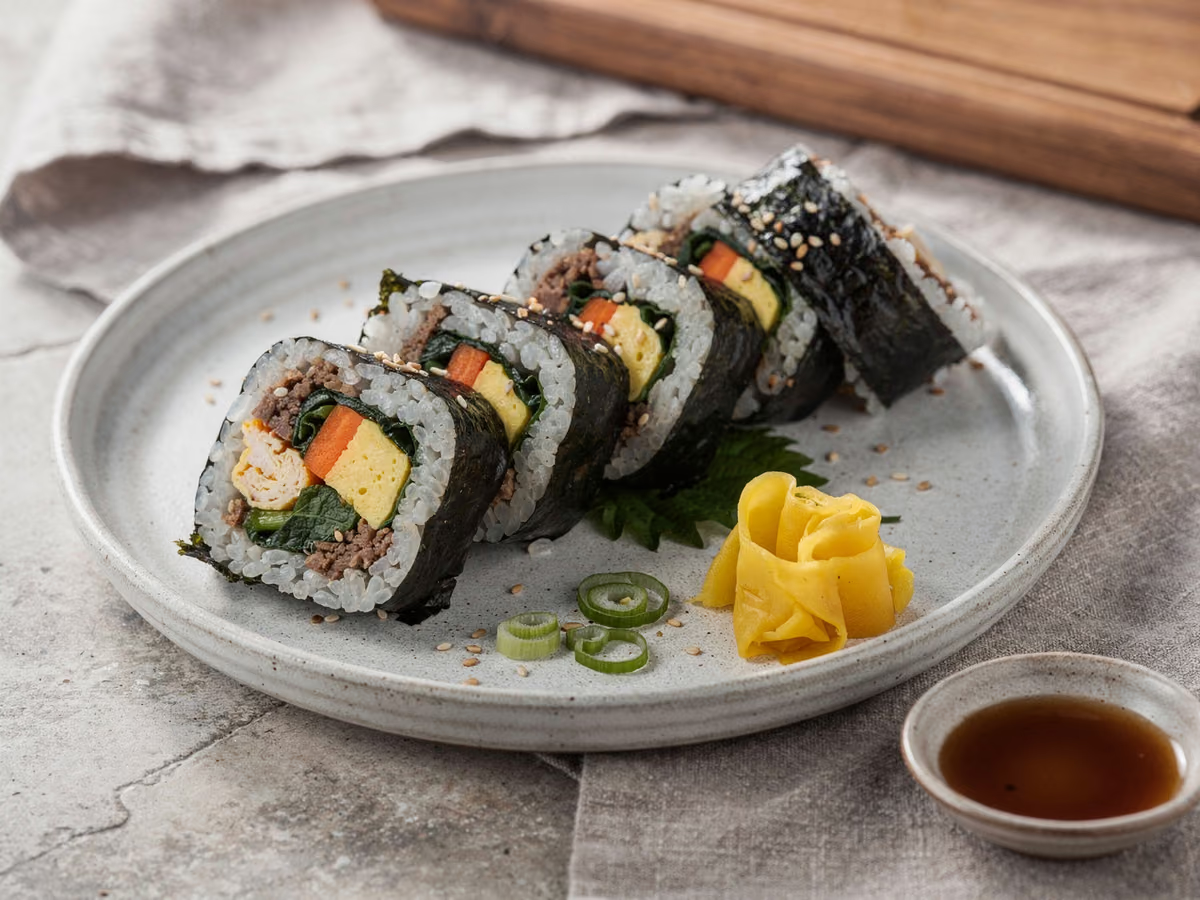
Place a bamboo mat on a clean surface. Lay one gim sheet shiny side down. Spread about 1/2 cup of seasoned rice evenly over the seaweed, leaving a 2 cm border at the top edge.
Arrange a few strips of beef, egg, carrot, spinach, and danmuji in a horizontal line across the lower third of the rice.
Roll the bamboo mat tightly from the bottom, pressing firmly to shape a compact cylinder. Repeat with remaining ingredients to make 6 rolls.
Brush each roll lightly with sesame oil and sprinkle with toasted sesame seeds. Slice each roll into 1.5 cm thick pieces with a sharp wet knife. Serve immediately.
Kitchen notes
Kitchen notes
- The most common mistake is overfilling the rolls, which makes them burst when sliced. Use only a thin line of fillings and leave a 2 cm border of rice-free seaweed at the top for sealing.
- Season the rice while it is still warm so it absorbs the vinegar mixture evenly, but let it cool to room temperature before rolling; hot rice will steam the seaweed and make it soggy.
- Use a very sharp knife and wipe it with a damp cloth between cuts to get clean, neat slices without squashing the roll.
- Squeeze the blanched spinach thoroughly to remove excess water; otherwise it will leak and make the rice wet.
Substitutions
- beef sirloin→skinless chicken breast or firm tofu
- danmuji→pickled cucumber or carrot
- spinach→blanched kale or Swiss chard
Storage & reheating
Store leftover kimbap in an airtight container in the refrigerator for up to 2 days. To prevent drying, wrap each roll tightly in plastic wrap before refrigerating. For best texture, reheat in a microwave for 30-40 seconds on medium power, or enjoy cold. Do not freeze; freezing ruins the texture of the rice and seaweed.
FAQ
The questions we get asked most
Why did my kimbap fall apart when I sliced it?
This usually happens because the rice was not pressed firmly enough during rolling or the rolls were overfilled. Roll tightly with a bamboo mat, applying even pressure, and use a sharp wet knife to slice. Also, let the rolls rest for 5 minutes before slicing to allow the rice to set.
Can I make kimbap ahead of time?
Yes, you can prepare the components up to 1 day ahead and store them separately in the fridge. Assemble and roll just before serving for the best texture. If you must roll ahead, wrap tightly in plastic wrap and refrigerate for up to 24 hours, but the seaweed will soften over time.
How do I keep the seaweed from getting soggy?
Ensure the rice is cooled to room temperature before spreading on the gim. Also, squeeze all cooked vegetables dry, especially spinach, and avoid overloading with wet fillings. Brush the finished rolls with sesame oil only on the outside, not the rice.
What can I use instead of danmuji?
Danmuji (yellow pickled radish) adds a sweet and tangy crunch. You can substitute with pickled cucumber, pickled carrot, or even fresh cucumber strips for a crisp texture. If using fresh cucumber, pat dry to remove excess moisture.
Is kimbap gluten-free?
Traditional kimbap is not gluten-free because soy sauce contains wheat. To make it gluten-free, use tamari or a gluten-free soy sauce alternative. Also check that the danmuji and other pickled ingredients do not contain barley or wheat.
Can I use brown rice for kimbap?
Yes, but brown rice has a firmer texture and does not stick together as well as short-grain white rice. For better results, mix cooked brown rice with a little sticky white rice or add extra rice vinegar to help it hold. Adjust the water and cooking time according to your rice cooker instructions.
How do I prevent the rice from sticking to my hands when spreading?
Lightly wet your hands with water or a little sesame oil before handling the rice. Alternatively, use a rice paddle dipped in water. Work quickly and gently to avoid compacting the rice too much.
Ask KitchenMind about this recipe
Tell it what’s different tonight — it works within the actual recipe.