- Prep
- 20 min
- Cook
- 20 min
- Total
- 40 min
- Serves
- 4
Ingredients
What you’ll need — tap to tick off as you go
- 400 g
- 250 g
- 3 tbsp
- 4 tbsp
- 1 tbsp
- 1 tbsp
- 300 ml
- 1 tbsp
- 2 cloves
- 1 tsp
- 1 pinch
Process
Timers built in · swap anything · ask as you cook
Bring a large pot of water to a boil for the noodles and add a pinch of salt.
Heat 3 tbsp vegetable oil in a wok or large skillet over medium heat. Add 4 tbsp chunjang and fry, stirring constantly, for 2 to 3 minutes until it smells nutty and looks glossy. Scoop the fried paste into a small bowl and set aside, leaving about 1 tbsp of the dark oil in the pan.
Raise the heat to medium-high. Add the 250 g cubed beef sirloin and 2 minced garlic cloves to the pan and stir-fry for 2 minutes until the beef is no longer pink.
Add the cubed zucchini, potato, and onion. Stir-fry for 3 to 4 minutes until the onion turns translucent and the potato edges look slightly softened.
Return the fried chunjang to the pan. Add 1 tbsp soy sauce, 1 tbsp sugar, and 300 ml beef broth. Stir well, bring to a simmer, then lower the heat to medium and cook for 5 minutes until the potato is tender.
Stir the 1 tbsp cornstarch slurry again and pour it into the pan in a thin stream, stirring constantly. Simmer for 1 minute until the sauce thickens enough to coat the back of a spoon. Turn off the heat and drizzle with 1 tsp sesame oil.
While the sauce simmers, cook the 400 g fresh jajangmyeon noodles in the boiling water according to the package directions, usually 3 to 5 minutes, until chewy but cooked through. Drain and rinse briefly under warm water to remove excess starch.
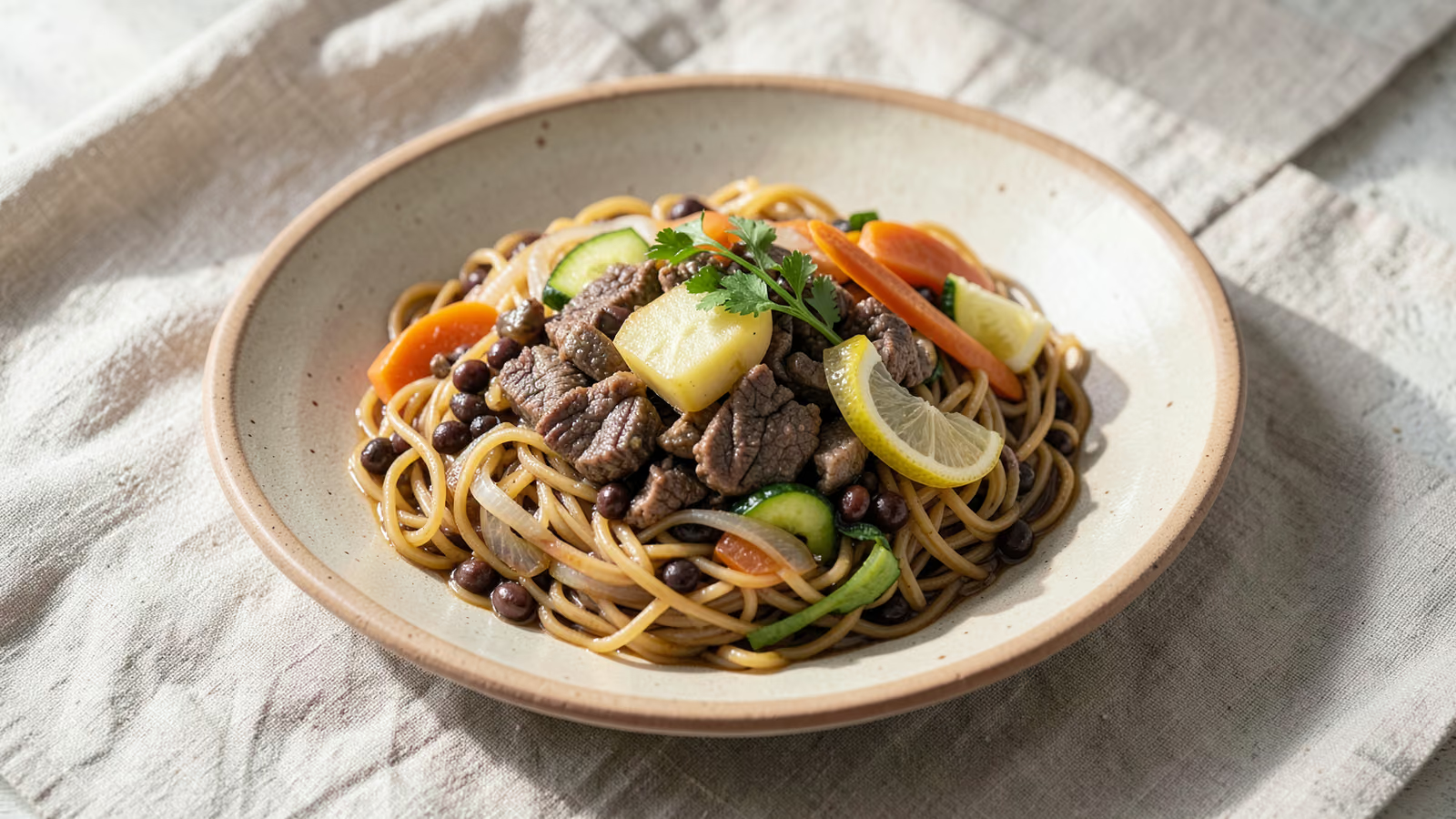
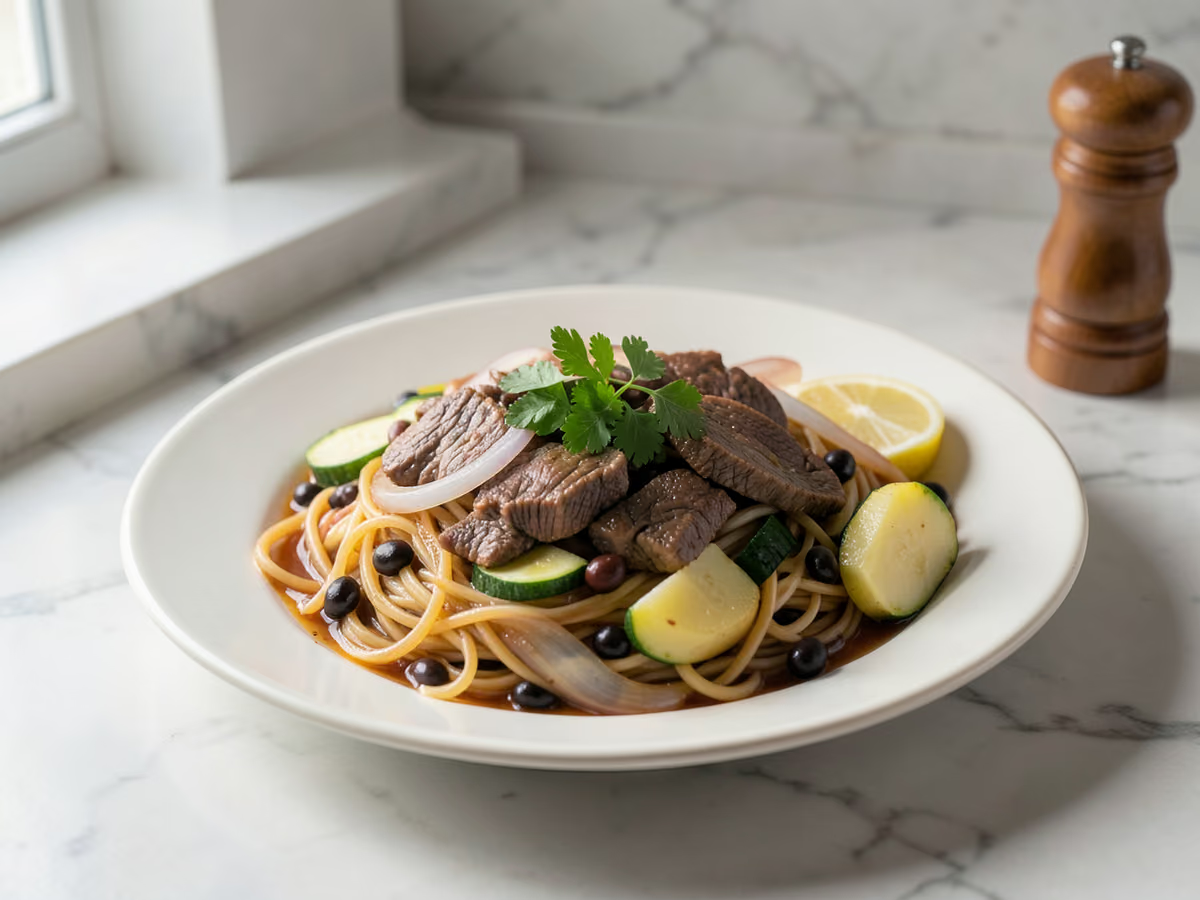
Divide the noodles among four bowls, spoon the black bean sauce generously over the top, and garnish with julienned cucumber if using. Toss everything together just before eating.
Kitchen notes
Kitchen notes
- The one mistake most people make is skipping the step of frying the chunjang in oil first. This 2 to 3 minute fry removes the raw, bitter edge of the paste and gives the sauce its signature roasted, nutty depth. Do not rush it.
- Cut all the vegetables and beef into roughly the same 1 cm size so they cook evenly and fit neatly on a spoon with the noodles. Uneven pieces mean crunchy potato next to mushy zucchini.
- The sauce is ready when it coats the back of a spoon and a trail drawn through it stays visible for a second. If it looks watery, simmer one more minute; if too thick, loosen with a splash of hot broth or noodle water.
- Fresh jajangmyeon noodles are the best choice, but thick fresh udon works well. Avoid thin dried wheat noodles, which turn soft and lose the chewy bite that makes this dish satisfying.
Substitutions
- beef sirloin→boneless chicken thigh or firm tofu
- beef broth→vegetable broth or water with a pinch of bouillon
- fresh jajangmyeon noodles→thick fresh udon noodles
- zucchini→cabbage or mushrooms
Storage & reheating
Store leftover sauce and noodles separately in airtight containers in the fridge for up to 3 days; keeping them apart stops the noodles from turning mushy. Reheat the sauce in a saucepan over medium heat with a splash of water or broth until bubbling, about 3 to 4 minutes. Reheat the noodles by plunging them into boiling water for 30 to 60 seconds, or microwave them covered with a damp paper towel for 1 minute. The sauce freezes well for up to 2 months; thaw overnight in the fridge before reheating.
FAQ
The questions we get asked most
Why does my jajangmyeon sauce taste bitter or raw?
You likely skipped frying the chunjang in oil before adding the other ingredients. The paste needs 2 to 3 minutes of constant stirring in hot oil over medium heat to mellow its raw, bitter edge and develop a roasted flavor. If the sauce still tastes sharp, add another 1 tsp of sugar and simmer for 2 more minutes.
Can I make jajangmyeon sauce ahead of time?
Yes, the sauce actually tastes better the next day once the flavors settle. Make it up to 3 days ahead, cool it completely, and refrigerate it in an airtight container. Reheat gently with a splash of broth, since the cornstarch will have thickened it further in the fridge.
What can I use instead of chunjang if I cannot find it?
Chunjang is hard to replace exactly because of its roasted, slightly sweet character. A workable substitute is equal parts Korean doenjang and Chinese sweet bean paste, or miso mixed with a little dark soy sauce and sugar. The color will be lighter and the flavor less deep, but it will still make a tasty sauce.
How do I stop the noodles from sticking together after draining?
Rinse the cooked noodles briefly under warm water to wash off surface starch, then drain well and toss with a few drops of sesame oil. If you are not serving immediately, keep them in a colander at room temperature rather than in a covered pot, where trapped steam makes them gluey.
Can I add seafood or make it vegetarian?
Yes. Replace the beef with an equal weight of peeled shrimp added in the last 2 minutes of cooking, or use cubed firm tofu and vegetable broth for a vegetarian version. If using tofu, pan-fry it separately first so it holds its shape in the sauce.
Why is my sauce too thick or too thin?
Cornstarch keeps thickening as it sits, so a sauce that looks perfect in the pan can turn gluey after a few minutes. Add the slurry gradually and stop when the sauce coats a spoon. If it has already over-thickened, stir in hot broth or noodle water a tablespoon at a time until it flows again.
How do I know when the potato and zucchini are cooked?
Pierce a potato cube with a knife; it should slide in with slight resistance, not crunch and not fall apart. The zucchini should look translucent at the edges but still hold its shape. This usually takes about 5 minutes of simmering after the broth is added.
Ask KitchenMind about this recipe
Tell it what’s different tonight — it works within the actual recipe.