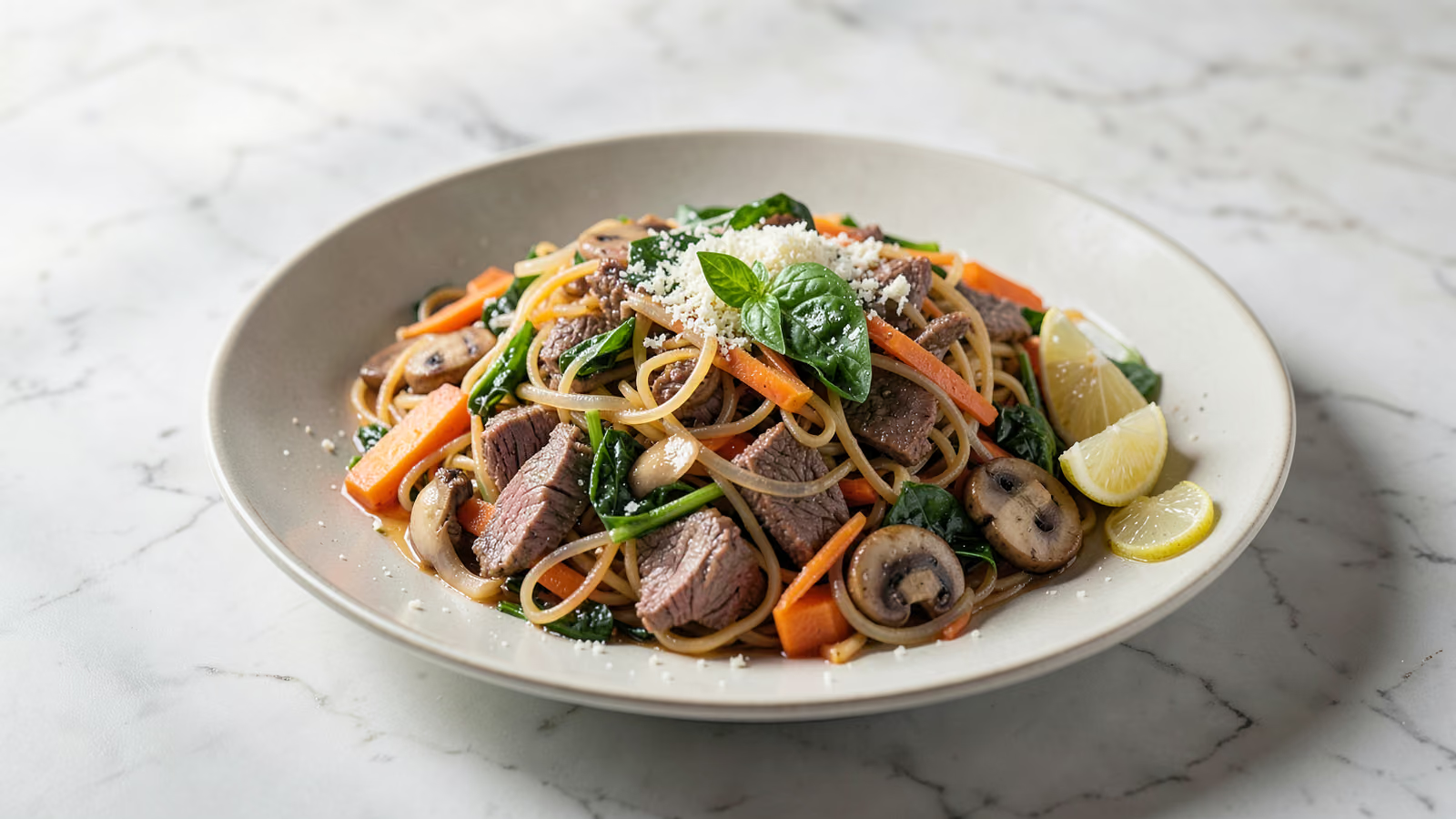
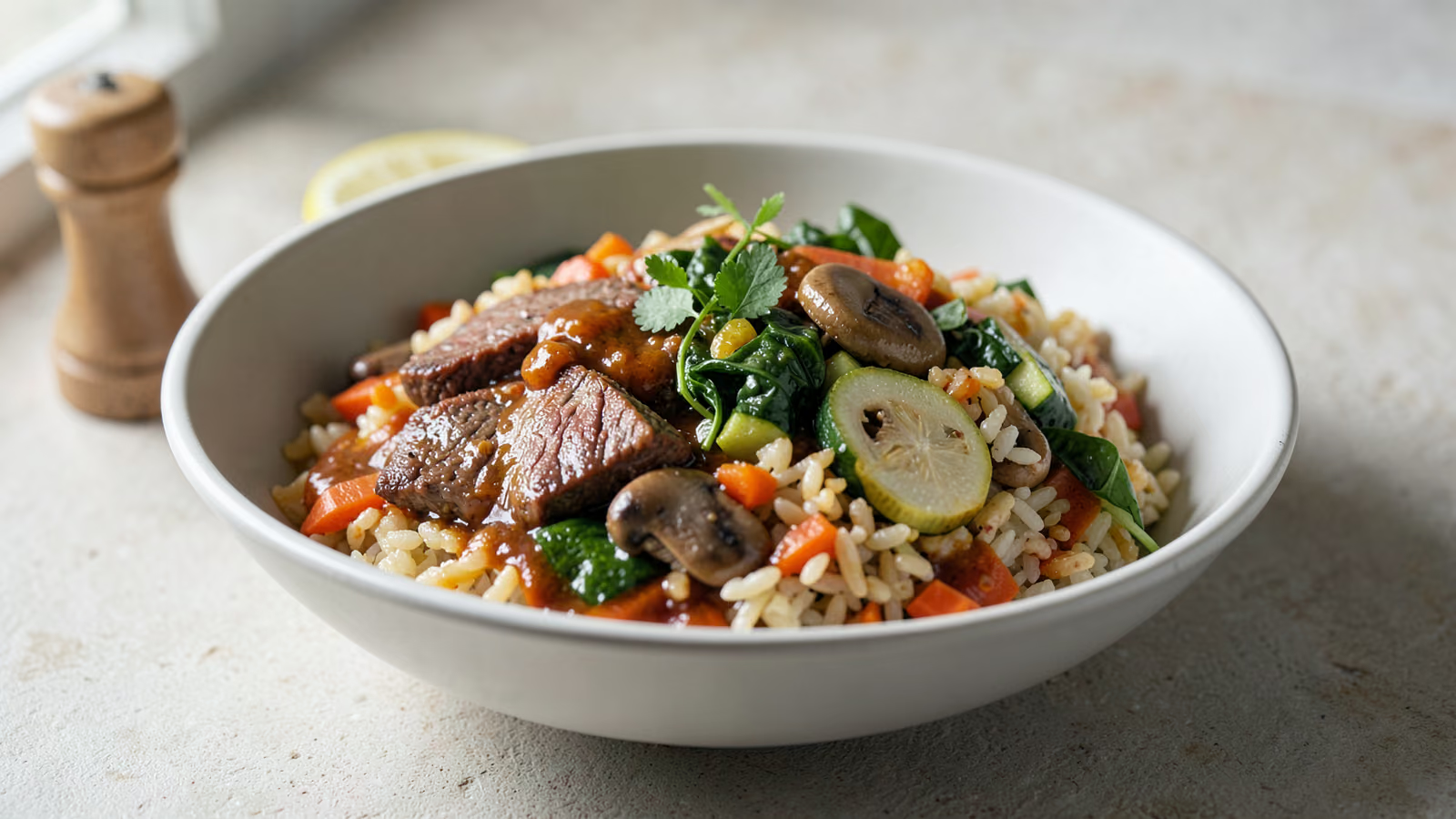
Japchae Glass Noodles
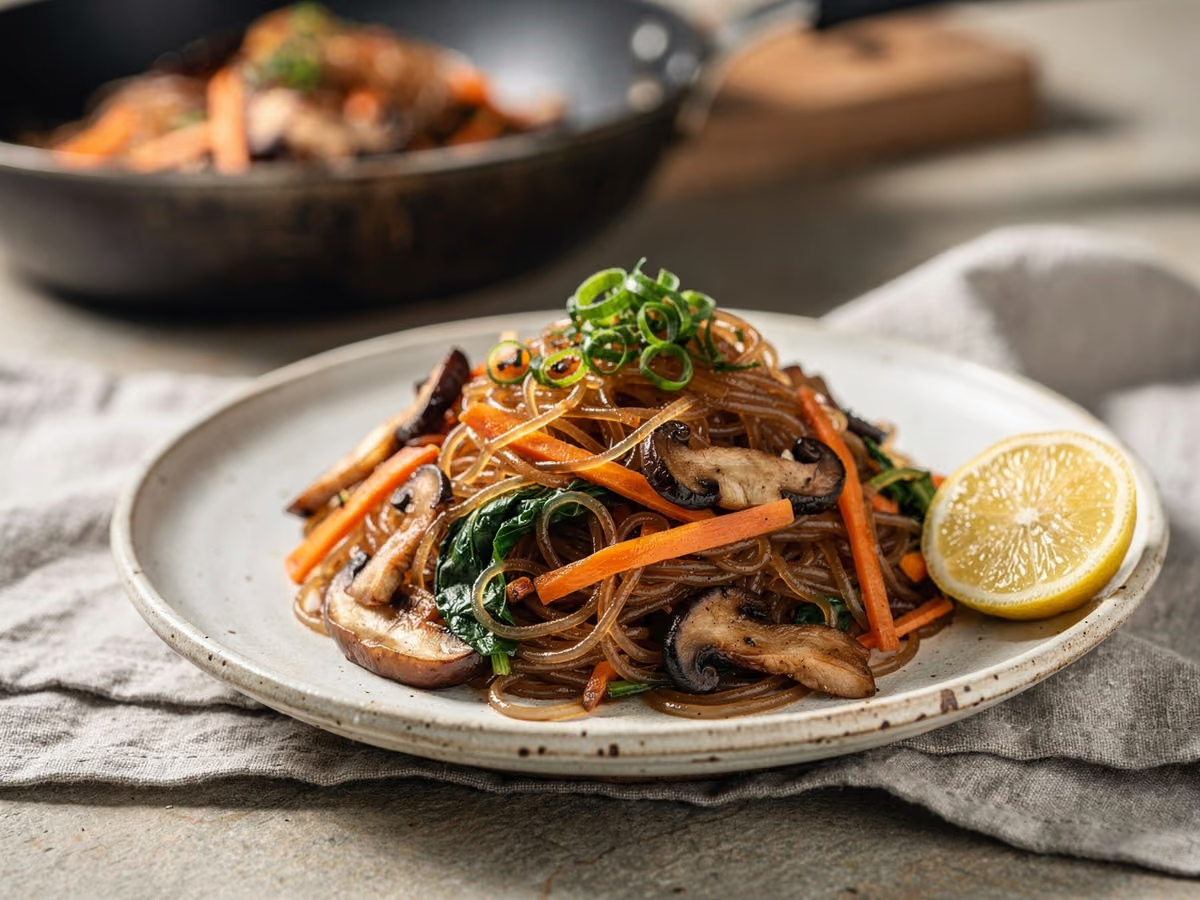
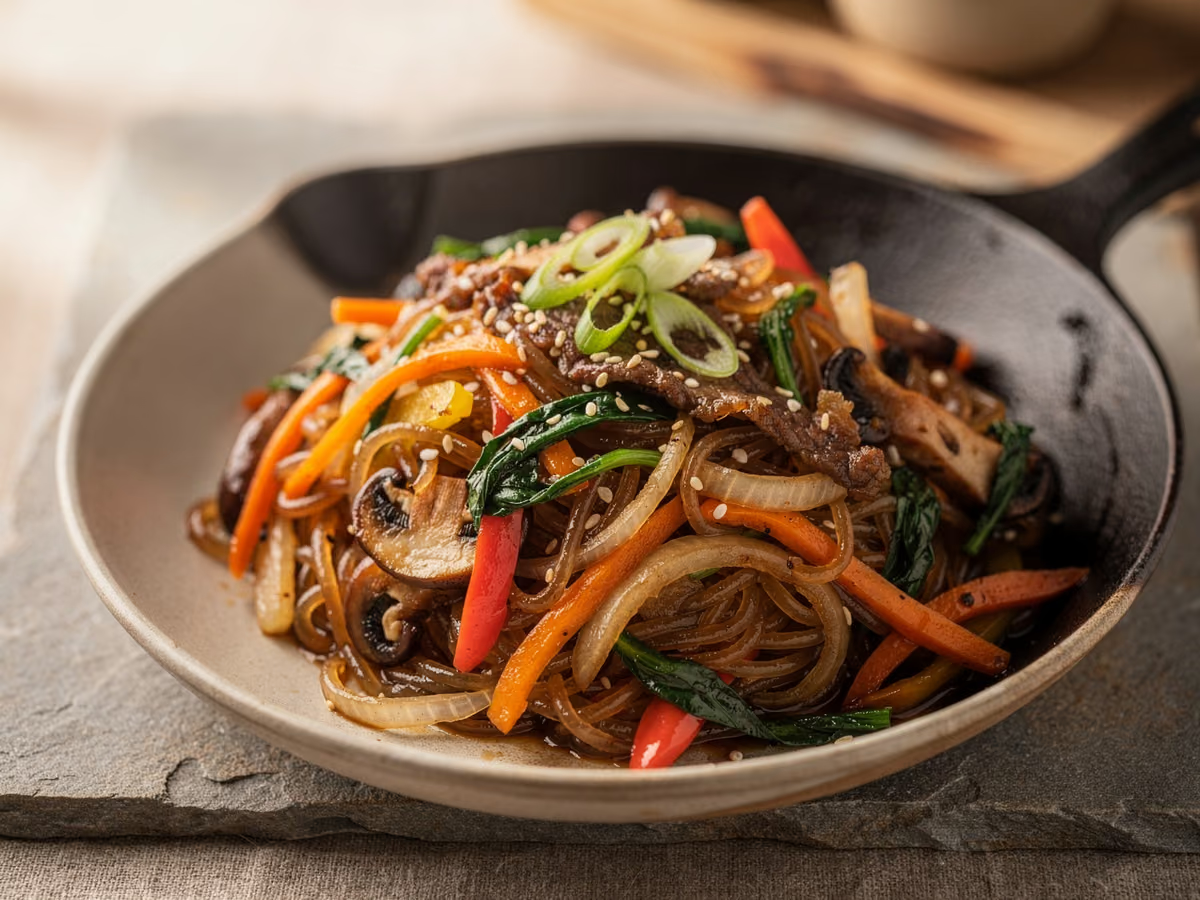
Japchae is Korea's festive glass-noodle stir-fry: chewy sweet potato starch noodles tossed with thin strips of beef, spinach, carrot, onion and shiitake in a sweet-savoury soy and sesame sauce. It is built the Korean way, with each component cooked and seasoned on its own before everything meets in the pan for a two-minute toss, which is what keeps the vegetables crisp and every strand glossy instead of greasy. Prep runs about 20 minutes, mostly soaking and chopping, and the stove work is only 15.
- Prep
- 20 min
- Cook
- 15 min
- Total
- 55 min
- Additional time
- 20 min
- Serves
- 4
Ingredients
What you’ll need — tap to tick off as you go
- 200 g
- 150 g
- 150 g
- 3 cloves
- 6 tbsp
- 2 tbsp
- 2 tbsp
- 2 tbsp
- 1 tbsp
- 1 pinch
Process
Timers built in · swap anything · ask as you cook
Cover the 4 dried shiitake mushrooms with warm water and soak for 20 minutes, until the caps are fully soft and pliable with no hard core. Drain, squeeze gently, and slice thinly. A full soak is what lets them soften in the pan; rushed, the centres stay leathery no matter how long they stir-fry.
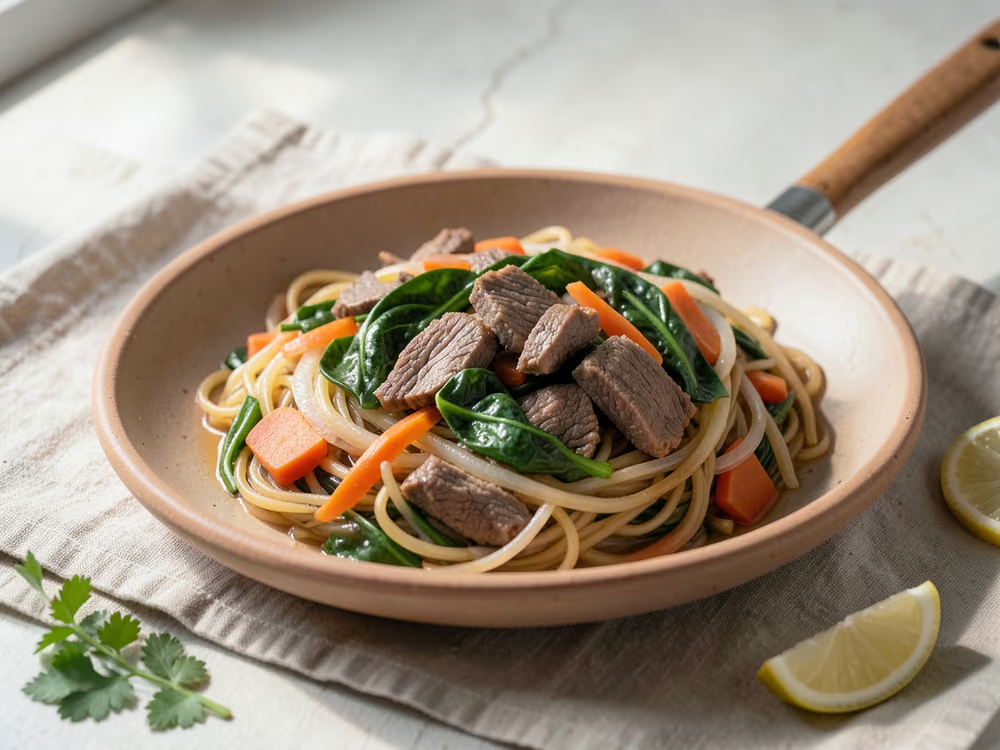
Bring a large pot of water to a rolling boil, add the 200 g sweet potato starch noodles and cook for 6 to 7 minutes, until chewy and fully translucent with no chalky white core. Drain, rinse under cold water to stop the cooking, then snip into roughly 20 cm lengths with kitchen scissors. Glass noodles overcook quietly, so taste a strand at 6 minutes.
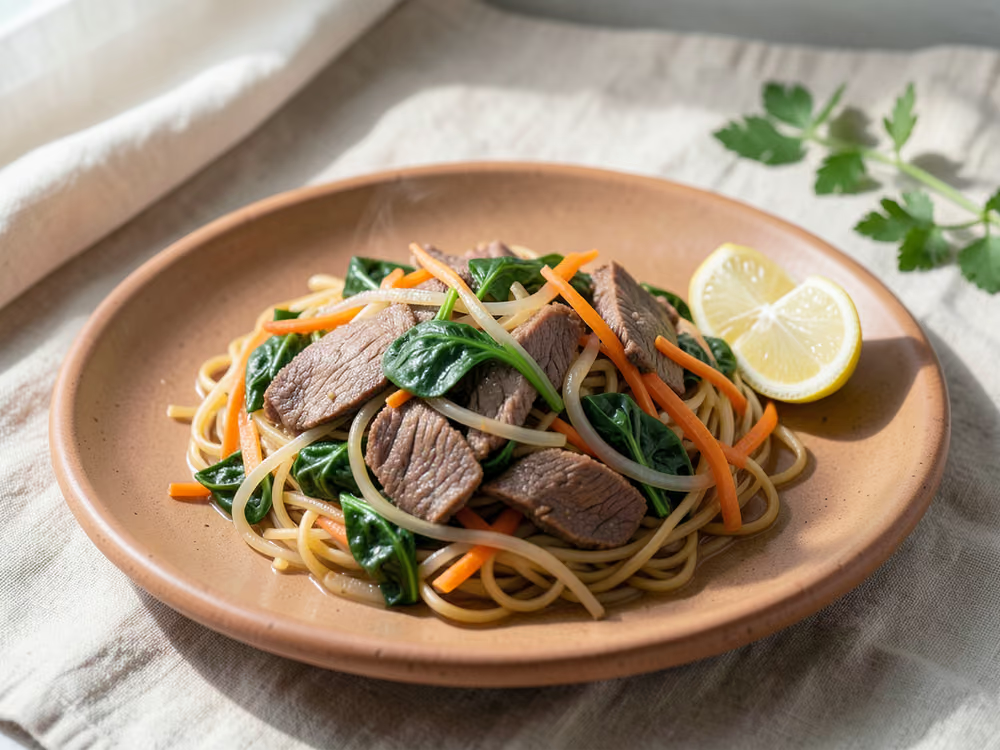
In a small bowl, mix the 150 g sliced beef with 2 tbsp of the soy sauce, 1 tbsp of the sugar, 1 tsp of the sesame oil and half of the 3 minced garlic cloves. Leave to marinate for 10 minutes while you blanch the spinach; the sugar dissolves into the soy and starts seasoning the meat, and the sesame oil carries the garlic into every strip.
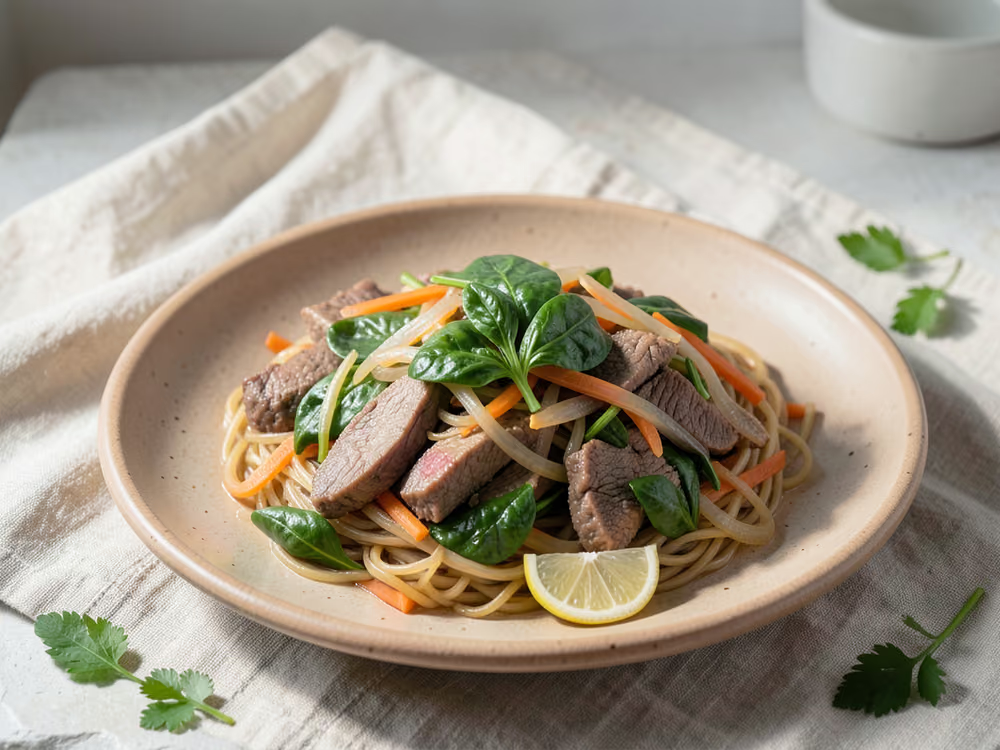
Blanch the 150 g spinach in boiling salted water for 30 seconds, just until wilted, then drain and rinse under cold water until cooled. Squeeze it in a clean towel until barely damp, then toss with a pinch of salt and 1 tsp of the sesame oil. The brief blanch keeps the colour, and the squeeze keeps water out of the finished dish.
Heat 1 tbsp of the vegetable oil in a large skillet or wok over medium-high heat until it shimmers. Add the marinated beef in a single layer and stir-fry for 2 to 3 minutes, until browned at the edges and cooked through with no pink left; thin strips pass 63°C, the USDA FSIS minimum for whole cuts of beef, quickly. Tip onto a plate.
Add the remaining 1 tbsp vegetable oil to the same pan, then the julienned carrot and sliced onion, and stir-fry over medium-high heat for 2 minutes until slightly softened. Add the sliced shiitake and the remaining minced garlic, cook 2 minutes more, season with a pinch of salt, and add to the plate with the beef.
In the same pan over medium heat, combine the cooked noodles with the remaining 4 tbsp soy sauce, the remaining 1 tbsp sugar and the remaining sesame oil, about 1 tbsp. Toss for 2 to 3 minutes, until every strand is coated and glossy and no sauce pools at the bottom. Longer or hotter and the noodles turn dry and sticky.
Return the beef, carrot, onion, shiitake and spinach to the pan and toss everything over medium heat for 1 to 2 minutes, until well combined and heated through. Keep it brief: the vegetables are already cooked, and a long toss lets the noodles drink the last of the sauce and go sticky.
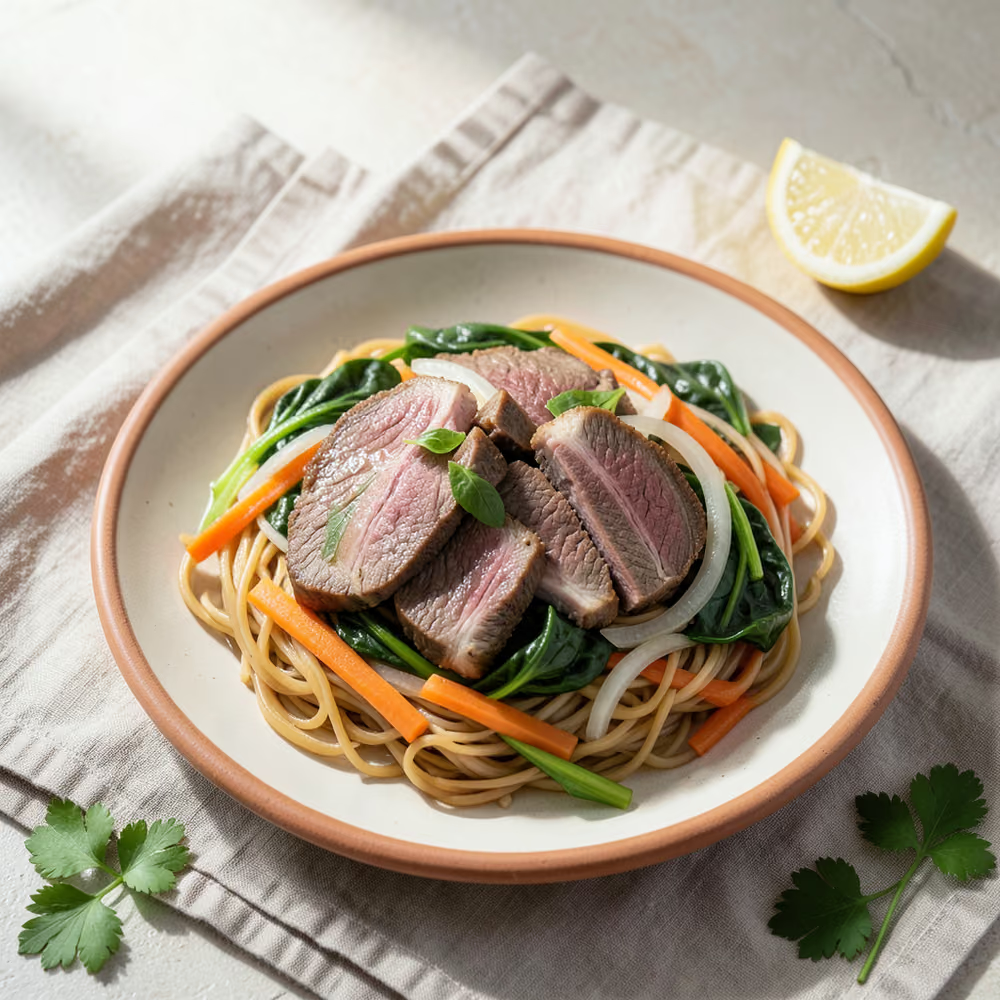
Slide the japchae onto a serving platter and scatter over the 1 tbsp toasted sesame seeds. Serve warm or at room temperature, as a main for 4 or a side in a bigger Korean spread; the dish is glossiest right after tossing and stays good for an hour on the table.
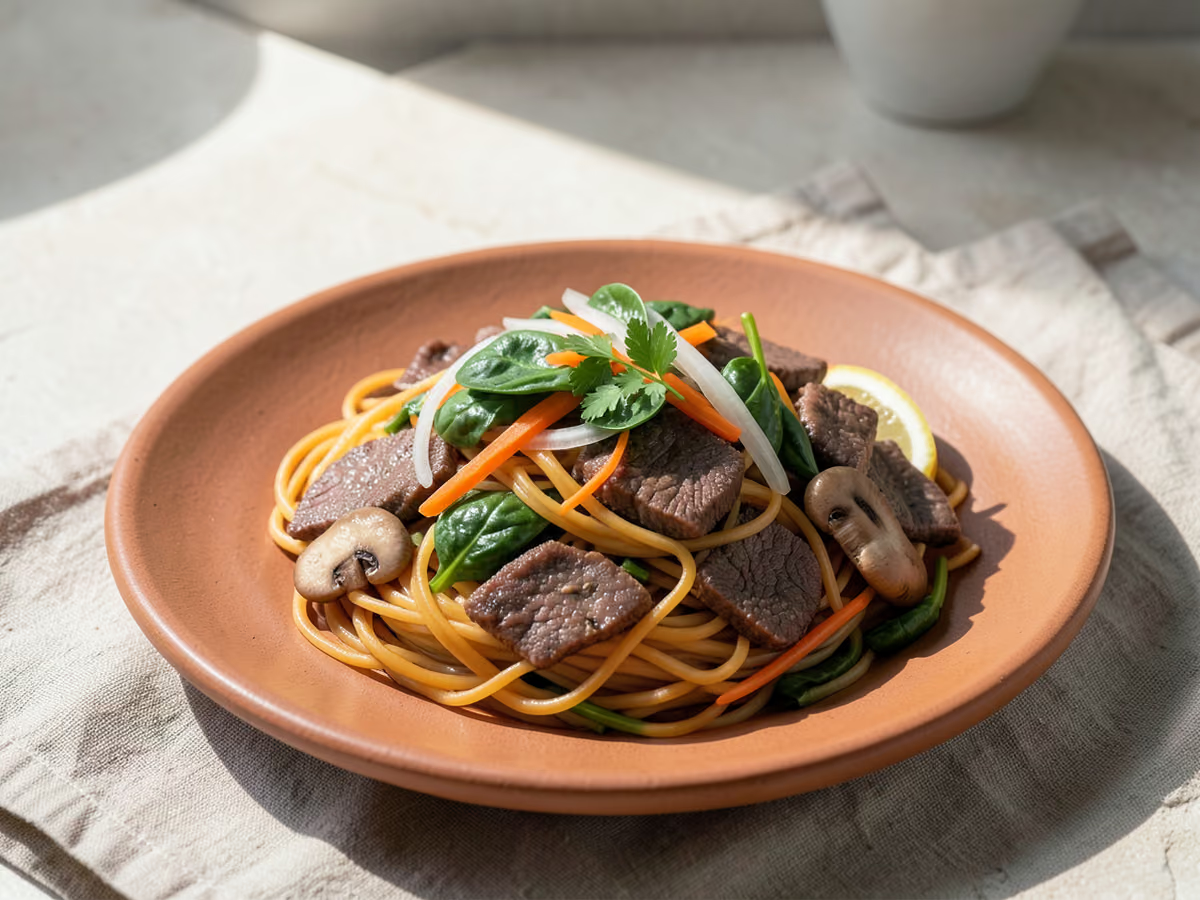
Why this recipe works
The noodles are almost pure starch, so texture is everything: boiling hydrates and gelatinises them until each strand is springy and translucent, and the cold rinse stops the cooking dead before they collapse into paste. Cooking every component separately is the other half of the method — the beef browns instead of steaming, the carrot and onion keep their bite, the shiitake deepens the whole dish, and the spinach is squeezed dry so it cannot water everything down. Each pan gets its own pinch of seasoning, so the finished dish tastes layered rather than muddy. The final toss is brief and at medium heat, so the glossy sauce clings to the noodles instead of soaking away.
Equipment
- Large pot for boiling the noodles
- Large wok or 30 cm skillet
- Colander
- Kitchen scissors
- Large mixing bowl or serving platter
- Small bowl for the beef marinade
- Tongs or two wooden spoons
- Instant-read thermometer
Kitchen notes
Kitchen notes
- Set every component up before the wok goes on: the final toss takes 2 to 3 minutes, and japchae punishes a cook who is still chopping. Line the beef, vegetables, spinach and drained noodles up next to the stove.
- Taste a noodle at 6 minutes, not 7. Glass noodles have no al dente window worth guarding — they go from chewy to collapsing in about a minute, and the cold rinse is the only reliable brake.
- Keep the shiitake soaking water. Strained, it is a quick savoury stock for soups and stews, and a splash can loosen the noodles at the end if they tighten up.
- Cut the noodles after they are cooked and rinsed, not before: raw they are brittle and cooked they are slippery, and scissors over the colander snip clean 20 cm lengths without dragging the strands.
- Double the batch for a crowd: japchae is a classic potluck dish and scales cleanly, but stir-fry in two batches so the pan never drops below a sizzle.
Common mistakes
- Mushy, clumping noodles: they were boiled past translucent, or went from colander to pan without a cold rinse. Boil them 6 to 7 minutes, taste at 6, then rinse under cold water to stop the cooking and drain very well.
- Greasy, stewed japchae: everything went into the pan at once, so the vegetables steamed in their own liquid instead of stir-frying. Keep the heat at medium-high and cook in stages — beef, then carrot and onion, then shiitake — giving each batch room.
- Dry, sticky noodles: the sauce went in over high heat or tossed too long, and the thirsty starch drank it all. Toss the sauce through at medium heat for only 2 to 3 minutes, and if the pan looks dry, loosen it with 1 to 2 tbsp of water rather than more oil.
- A watery plate with dull flavour: un-squeezed spinach or wet mushrooms. Wring the spinach out in a towel until barely damp and press the shiitake gently after soaking; water in the pan steams instead of fries.
- Flat, one-note taste: the soy-sugar balance is off or the dish was under-salted. The sauce wants roughly four parts soy to one part sugar; taste a strand at the end and adjust with a splash more soy or a pinch of sugar.
- Tough beef: strips sliced with the grain or seared too long. Slice sirloin across the grain into even strips, marinate the full 10 minutes, and pull them at 2 to 3 minutes, once the pink is gone.
Serving suggestions
- Serve as a main for 4 with steamed short-grain rice, or as a side dish in a larger Korean spread of grilled meat, kimchi and quick-pickled vegetables.
- Warm is the classic way to serve it, but room temperature is just as traditional — japchae is a fixture at buffets precisely because it does not need to be hot.
- Barley tea, iced tea or sparkling water cuts the sweet-savoury sesame richness cleanly; keep the drinks cold and unsweetened.
- Plan 4 generous mains or 6 to 8 small side portions, and expect the noodles to keep drinking sauce as they sit; a drizzle of sesame oil wakes up leftovers before they go back to the table.
Variations
- Vegetarian build, a different dish: leave out the beef and pan-fry sliced firm tofu in the same marinade instead; the dish turns lighter and stays vegan, and the shiitake carries the savoury weight.
- Spicy gochujang japchae: stir 1 to 2 tbsp of gochujang into the noodle sauce for a glossier, gently fiery version; keep the sugar as written so the heat stays balanced.
- Mushroom-forward: double the shiitake to 8, or add a handful of sliced fresh mushrooms with the carrot; keep stir-frying in small batches so nothing steams.
Refrigerator
- RefrigeratorCool within 2 hours of cooking, then refrigerate in an airtight container for up to 3 days. The noodles soften as they sit and the vegetables lose their snap, so for the best texture eat within 1 to 2 days and wake leftovers up with a drizzle of sesame oil.
- ReheatingReheat in a skillet over medium heat with 1 tbsp of water for 3 to 4 minutes, tossing until steaming, or microwave covered at 700 W for 1 to 2 minutes; USDA FSIS guidance for reheated leftovers is 74°C. Reheat only what you need, and do not reheat more than once — the noodles tighten the second time.
- FreezingPortion into freezer-safe bags and freeze for up to 1 month. Thaw overnight in the fridge, then reheat as above; the noodles come back slightly softer but the flavour holds.
- Make aheadThe components can be cooked up to 1 day ahead and refrigerated separately — noodles, beef, vegetables and spinach — then tossed together in the skillet for 2 to 3 minutes just before serving. Tossed japchae is best within an hour of assembly, so for a party, prep in parts and do the final toss as guests arrive.
Updated:
How this recipe was developed
- Korean Bapsang japchae (noodles boiled until fully translucent then rinsed under cold water, components cooked and seasoned separately, the soy-sugar balance at the heart of the dish)
- Maangchi japchae (noodles cut with kitchen scissors and seasoned with sesame oil against sticking, vegetables stir-fried separately with pinches of salt, served warm or at room temperature)
- USDA FSIS safe minimum internal temperatures (whole cuts of beef 63°C with a 3-minute rest; leftovers reheated to 74°C)
- USDA FSIS leftovers and food safety guidance (refrigerate within 2 hours; 3 to 4 days in the fridge; freeze for longer storage)
Editorial references are kept internally for verification. This page makes no claim of external certification or professional testing.
Gallery
FAQ
The questions we get asked most
Why did my japchae turn out mushy and clumpy?
The noodles were boiled too long or never rinsed in cold water. Cook them only until chewy and translucent, about 6 to 7 minutes, rinse under cold water straight away, and drain very well. Also avoid dumping all the sauce in at once — toss it through over medium heat for just 2 to 3 minutes.
How do I know when the glass noodles are done?
They are ready when they are fully translucent with no white core and taste springy and chewy. Bite one at 6 minutes: if it is chalky or snaps, give it 1 more minute. Drain and rinse immediately, because they keep cooking in their own residual heat.
Can I make japchae ahead of time?
Yes, and it is the easiest way to serve it at a party. Cook the noodles, beef and vegetables, store them separately in airtight containers in the fridge for up to 1 day, then toss everything in a skillet over medium heat for 2 to 3 minutes just before serving so the noodles stay glossy and the vegetables keep some bite.
Can I use frozen spinach instead of fresh?
Yes. Thaw 150 g of frozen spinach and squeeze out as much water as possible, then skip the blanching step entirely. Season it with the pinch of salt and 1 tsp sesame oil, and fold it in at the very end so it cannot water the dish down.
Why is my japchae dry and sticky instead of glossy?
The noodles absorbed too much sauce, usually because they were tossed too long over too much heat. Add the sauce at medium heat, toss for only 2 to 3 minutes, and if the dish looks dry, stir in 1 to 2 tbsp of water or a little extra sesame oil; rinsing the noodles well after boiling also helps them stay glossy.
Can I substitute the beef with something else?
Yes. Thinly sliced chicken breast or firm tofu both work with the same marinade. Marinate either for 10 minutes, stir-fry chicken for 3 to 4 minutes until cooked through, or tofu for 2 to 3 minutes until lightly browned, then set it aside like the beef.
Is japchae gluten-free?
Not as written, because standard soy sauce is brewed with wheat. The noodles themselves are 100 percent sweet potato starch and naturally gluten-free, so swap in tamari, the same 6 tbsp, and the whole dish becomes gluten-free.
Ask KitchenMind about this recipe
Tell it what’s different tonight — it works within the actual recipe.