- Prep
- 30 min
- Cook
- 60 min
- Total
- 90 min
- Serves
- 4
Ingredients
What you’ll need — tap to tick off as you go
- 400 g
- 200 g
- 300 g
- 300 g
- 1500 ml
- 60 ml
- 1 tbsp
- 1 tsp
- 10 g
Process
Timers built in · swap anything · ask as you cook
Peel the daikon radish and cut into 2 cm thick rounds. If the rounds are large, cut them in half. Bring a pot of water to a boil and blanch the daikon for 5 minutes to remove bitterness, then drain.
Place the eggs in a small saucepan, cover with cold water, bring to a boil, then reduce heat to medium and cook for 7 minutes. Transfer to ice water, peel, and set aside.
If using konnyaku, cut it into triangles and blanch in boiling water for 2 minutes to remove its earthy odor. Drain and set aside.
In a large pot, combine the dashi stock, soy sauce, sugar, and salt. If using kombu, add it now. Bring to a gentle simmer over medium heat, then remove the kombu to avoid slimy broth.
Add the daikon rounds and konnyaku to the simmering broth. Cover with a drop lid (otoshibuta) or a piece of parchment paper. Simmer over low heat for 20 minutes until the daikon is tender when pierced with a skewer.
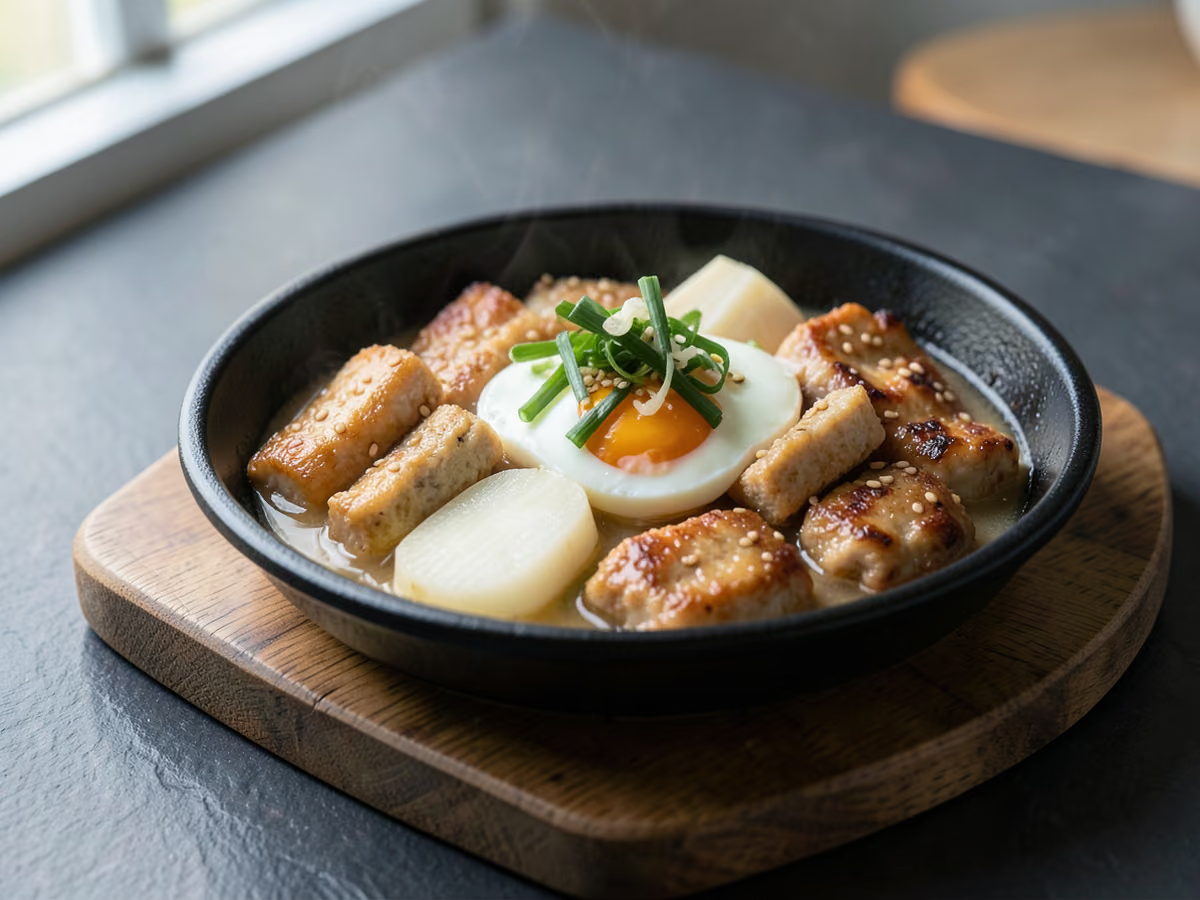
Add the fish cakes, firm tofu cubes, and peeled eggs to the pot. Continue to simmer gently for another 15 minutes, allowing the flavors to meld. Do not boil vigorously or the tofu may break apart.
Taste the broth and adjust seasoning with a little more soy sauce or salt if needed. Turn off the heat and let the pot sit for 5 minutes before serving. Serve hot in bowls with some broth, and optionally with Japanese mustard (karashi) on the side.
Kitchen notes
Kitchen notes
- The most common mistake is boiling the broth too hard — a gentle simmer keeps the fish cakes intact and prevents the tofu from disintegrating.
- Blanching the daikon and konnyaku separately removes bitterness and odor, which would otherwise muddy the clean dashi flavor.
- A drop lid (otoshibuta) keeps the ingredients submerged and helps them absorb the broth evenly without stirring.
- Oden tastes even better the next day; cool and refrigerate overnight, then reheat gently to deepen the flavor.
Substitutions
- fish cakes→additional firm tofu or thick fried tofu (atsuage) for a vegetarian version
- dashi stock→shiitake and kombu dashi for a vegan broth
- konnyaku→shirataki noodles or omit
- soy sauce→tamari for gluten-free
Storage & reheating
Cool oden completely, then transfer to an airtight container with the broth. Refrigerate for up to 3 days. To reheat, gently simmer in a pot over medium-low heat until hot, about 10 minutes; avoid boiling to keep textures intact. Freezing is not recommended as tofu and daikon become spongy.
FAQ
The questions we get asked most
Why did my oden broth turn cloudy and slimy?
This usually happens if you simmer kombu for too long or skip blanching the konnyaku. Kombu releases slimy substances when boiled; remove it just before the broth comes to a simmer. Blanching konnyaku for 2 minutes also removes its odor and excess starch.
Can I make oden ahead of time?
Yes, oden is ideal for making ahead. Prepare it up to 2 days in advance and store in the refrigerator. The flavors deepen overnight, so reheat gently on the stove or in a slow cooker before serving.
How do I know when the daikon is fully cooked?
The daikon is done when a skewer or knife slides through the thickest part with no resistance, usually after 20-25 minutes of simmering. It should be tender but not falling apart. If it still feels firm, simmer 5 more minutes.
Can I use regular tofu instead of firm tofu?
Firm or extra-firm tofu is best because it holds its shape during simmering. Soft or silken tofu will break apart and cloud the broth. If you only have soft tofu, add it in the last 5 minutes of cooking and handle gently.
Is oden gluten-free?
Traditional oden is not gluten-free because soy sauce and most fish cakes contain wheat. To make it gluten-free, use tamari instead of soy sauce and choose fish cakes labeled gluten-free, or replace them with gluten-free tofu products.
What can I use instead of fish cakes to make it vegetarian?
For a vegetarian oden, replace fish cakes with thick fried tofu (atsuage), fresh tofu pouches (aburaage), or additional firm tofu. Use kombu and shiitake dashi instead of bonito dashi. The broth will still be savory and satisfying.
How long does oden keep in the fridge?
Store oden with its broth in an airtight container in the refrigerator for up to 3 days. After that, the texture of the daikon and tofu deteriorates. Reheat by simmering gently until hot, but do not boil.
Ask KitchenMind about this recipe
Tell it what’s different tonight — it works within the actual recipe.