- Prep
- 60 min
- Cook
- 40 min
- Total
- 100 min
- kcal
- 573.6
- protein
- 13.9 g
- Serves
- 4
Ingredients
What you’ll need — tap to tick off as you go
- 300 g
- 120 ml
- 1 ½ tsp
- 700 g
- 40 g
- ¼ tsp
- 120 g
Process
Timers built in · swap anything · ask as you cook
Make the dough: in a large bowl, whisk 300 g all-purpose flour with 1 tsp salt. Add 1 egg and 120 ml lukewarm water. Mix with a fork until shaggy, then knead on a floured surface for 8–10 minutes until smooth and elastic. Cover with a clean kitchen towel and rest for 30 minutes.
Meanwhile, boil the potatoes: place 700 g peeled potato chunks in a large pot, cover with cold water by 2 cm, and add a generous pinch of salt. Bring to a boil, then reduce heat and simmer for 15–20 minutes until a knife slides in with no resistance. Drain well and return to the hot pot for 1 minute to dry out.
Caramelize the onion: melt 20 g butter in a skillet over medium heat. Add 1 finely diced onion and cook, stirring occasionally, for 8–10 minutes until deep golden brown and soft. Set aside.
Mash the drained potatoes until smooth. Stir in the caramelized onion, remaining 20 g butter, 0.5 tsp salt, and 0.25 tsp black pepper. Taste and adjust seasoning. Let the filling cool completely.
Roll and cut the dough: divide the rested dough in half. On a floured surface, roll one half to about 2 mm thickness. Cut out 8 cm circles with a glass or cookie cutter. Re-roll scraps once.
Fill and seal: place 1 tablespoon of potato filling in the center of each circle. Fold the dough over the filling to form a half-moon. Press the edges firmly with your fingers to seal, then crimp with a fork. Place finished pierogi on a floured tray and cover with a towel while you shape the rest.
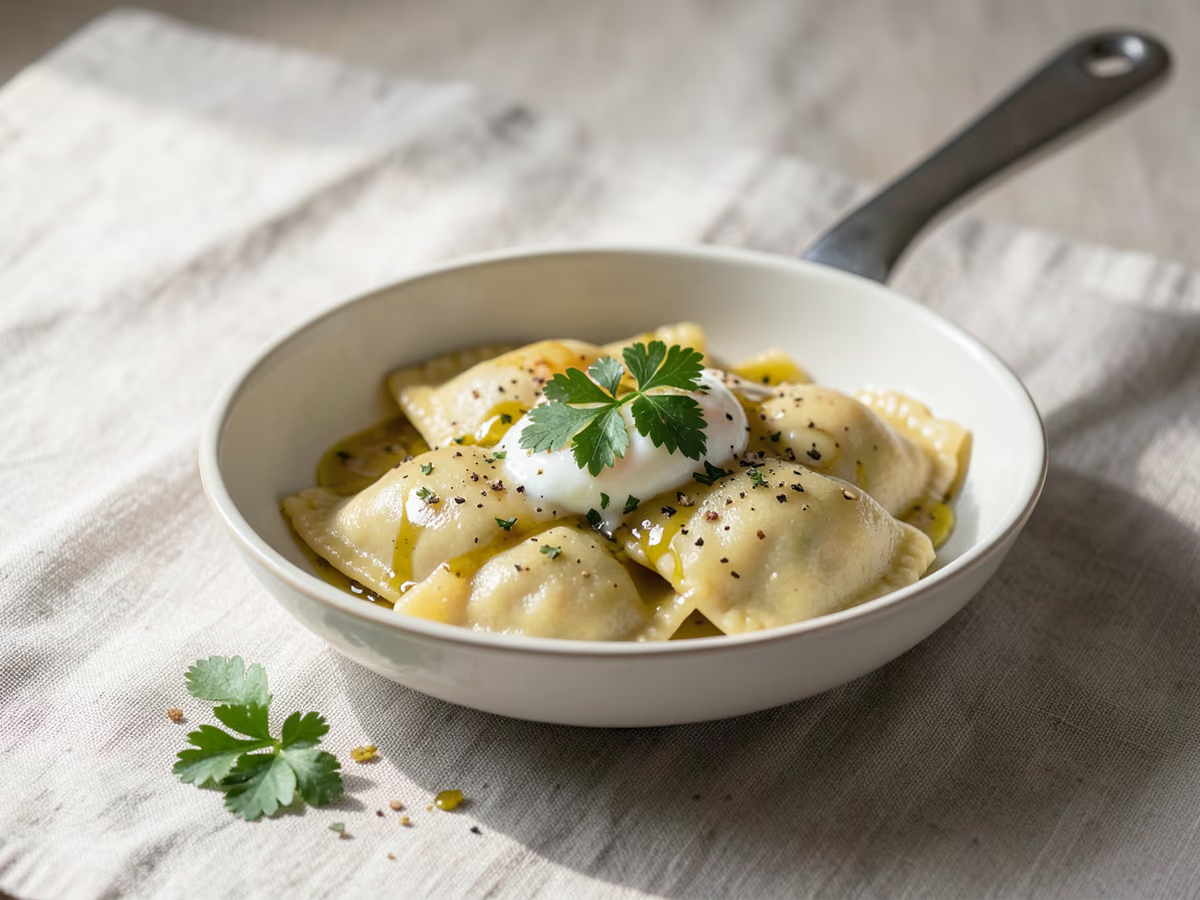
Boil the pierogi: bring a large pot of salted water to a gentle boil. Drop in 8–10 pierogi at a time. They are done when they float to the surface, about 2–3 minutes after they rise. Remove with a slotted spoon and drain on a rack.
Pan-fry: melt a knob of butter in a large skillet over medium-high heat. Add the boiled pierogi in a single layer (work in batches) and fry for 2–3 minutes per side until golden and crisp. Serve hot with sour cream.
Kitchen notes
Kitchen notes
- The most common mistake is under-salting the potato filling. Taste it after mixing and add more salt if needed; it should be well seasoned on its own.
- Do not overwork the dough after resting, or the pierogi will be tough. Roll gently and re-roll scraps only once.
- Seal the edges thoroughly with your fingers before crimping. Any gap will cause the pierogi to burst during boiling.
- Boil only until they float, then immediately remove. Overboiling makes them waterlogged and prone to tearing.
- If pan-frying, make sure the boiled pierogi are dry before adding to the skillet; excess water will steam them instead of crisping.
Substitutions
- all-purpose flour→bread flour for a chewier texture
- butter→vegetable oil or dairy-free margarine for a dairy-free version
- sour cream→plain yogurt or dairy-free yogurt
Storage & reheating
Store cooled pierogi in an airtight container in the fridge for up to 3 days. To freeze, place them in a single layer on a floured tray, freeze until solid, then transfer to a freezer bag for up to 2 months. Reheat boiled pierogi by pan-frying in butter over medium heat for 2-3 minutes per side, or steam from frozen for 5-7 minutes. Do not microwave, as they become rubbery.
| Nutrient | Per serving |
|---|---|
| Calories | 573.6 kcal |
| Protein | 13.9 g |
| Carbohydrates | 91.9 g |
| Fat | 16.4 g |
| Saturated fat | 9.3 g |
| Fiber | 6.5 g |
| Sugar | 4.4 g |
| Sodium | 928 mg |
| Cholesterol | 86 mg |
FAQ
The questions we get asked most
Why did my pierogi burst open while boiling?
Bursting usually means the edges were not sealed properly or the dough was too thin. Press the edges firmly with your fingers before crimping with a fork, and roll the dough to an even 2 mm thickness. Also, avoid overcrowding the pot; boil in batches of 8-10.
Can I make pierogi ahead of time?
Yes. You can prepare and boil the pierogi up to 2 days in advance, then store them in the fridge tossed with a little oil to prevent sticking. When ready to serve, pan-fry them directly from the fridge until golden and hot.
How do I know when the pierogi are done boiling?
They are done when they float to the surface, which takes about 2-3 minutes after they rise. Do not boil them longer, or they become waterlogged and may tear. Remove them immediately with a slotted spoon.
Can I use instant mashed potatoes for the filling?
It is not recommended, as instant mashed potatoes lack the texture and flavor of fresh ones. If you must, prepare them thick and well seasoned, but fresh boiled and mashed potatoes give the best results.
Can I freeze pierogi?
Yes, freeze them after boiling and cooling. Arrange in a single layer on a floured tray, freeze until solid, then transfer to a freezer bag. They keep for up to 2 months. Cook from frozen by pan-frying or steaming; no need to thaw.
Why are my pierogi dry and tough?
Overworking the dough or adding too much flour during rolling makes them tough. Knead just until smooth, and use only as much flour as needed to prevent sticking. Also, do not overboil; they should be tender, not rubbery.
Can I make pierogi without eggs?
Yes, you can replace the egg with 2 tablespoons of plain yogurt or 3 tablespoons of water. The dough will be slightly less rich but still workable. Adjust with a little extra flour if needed.
Ask KitchenMind about this recipe
Tell it what’s different tonight — it works within the actual recipe.