Shepherd's Pie with Beef
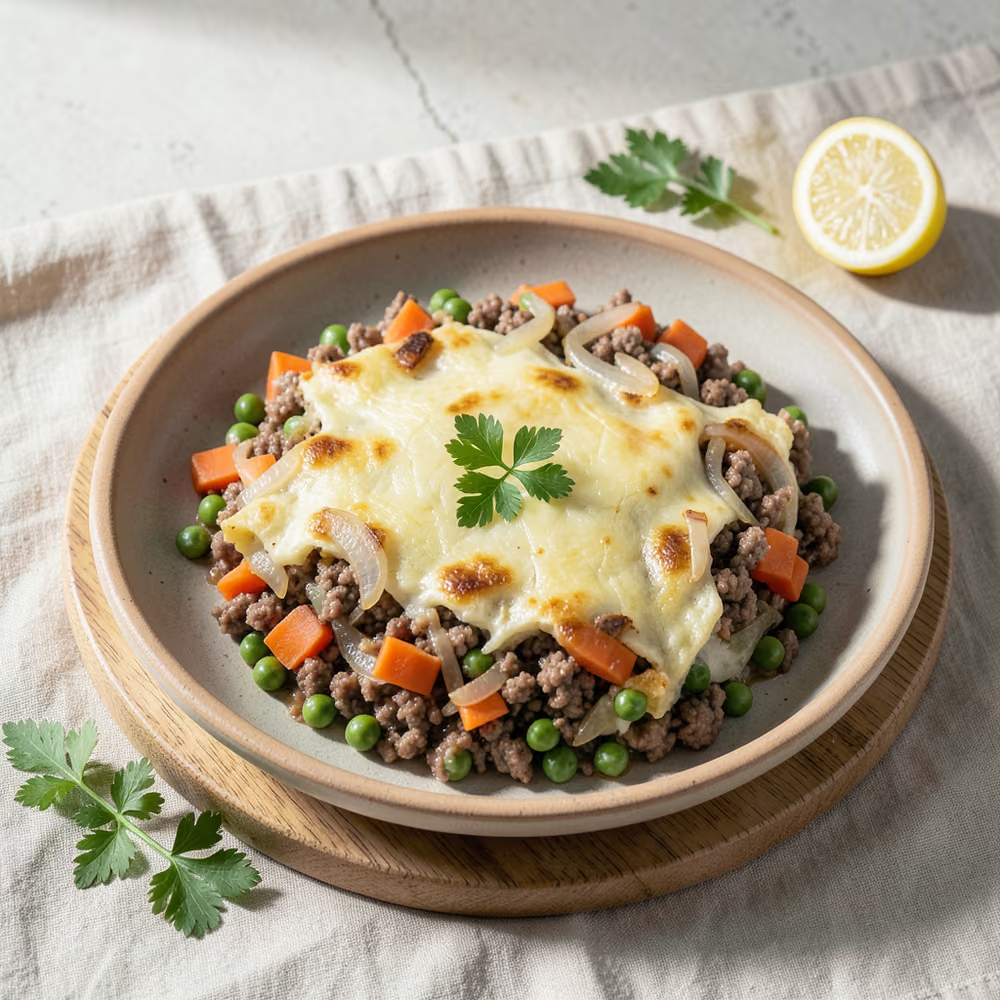
Shepherd's pie with beef is a baked casserole of savoury mince and vegetables under a mash crust: 500 g ground beef with an onion and carrot base, tomato paste and Worcestershire, 150 g peas, and 800 g potatoes mashed with butter and warm milk. Made with beef it is technically a cottage pie; the method is identical. This version simmers the filling to a gravy that coats a spoon before it ever reaches the dish, because the oven cannot thicken it under a mash lid. Thirty minutes of hands-on work, then the oven finishes it in 20 to 25 minutes.
- Prep
- 30 min
- Cook
- 45 min
- Total
- 75 min
- Serves
- 6
Ingredients
What you’ll need — tap to tick off as you go
- 500 g
- 150 g
- 300 ml
- 2 tbsp
- 1 tbsp
- 2 tbsp
- 2 tbsp
- 800 g
- 50 g
- 100 ml
- 1 tsp
- ½ tsp
Process
Timers built in · swap anything · ask as you cook
Preheat the oven to 200°C with a rack in the middle, and put a large pot of salted water on to boil for the potatoes. The oven needs a good 15 minutes to come up to temperature, so start it first and the bake will not be waiting on it later.
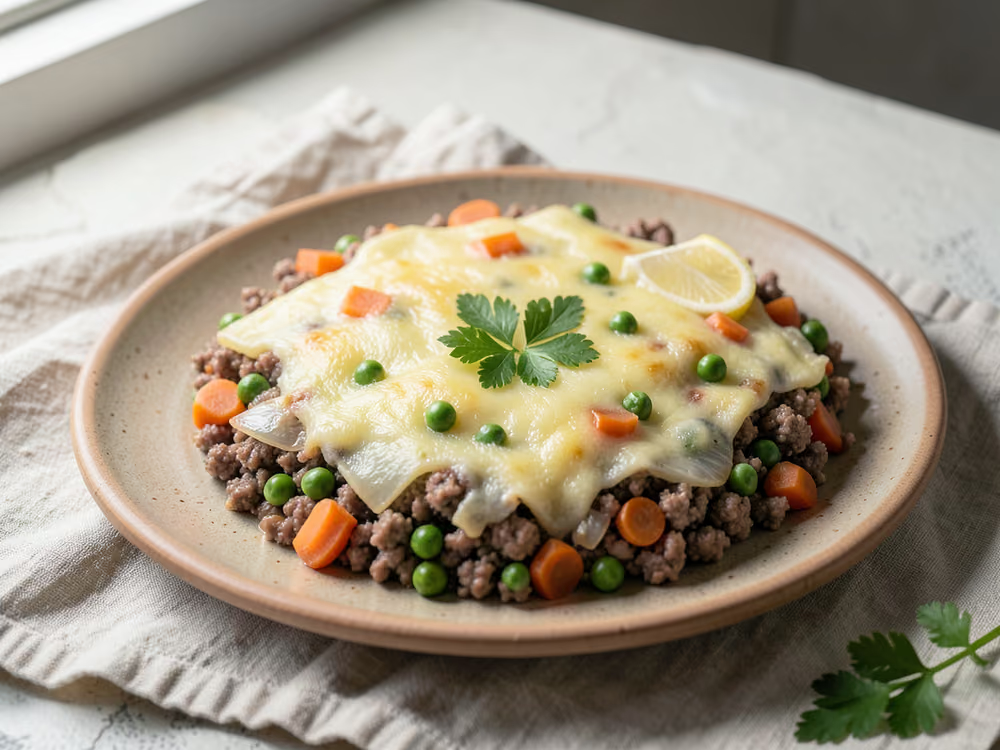
Boil the 800 g peeled, quartered potatoes in the salted water until a knife slides into the largest piece with no resistance, about 15 to 20 minutes. Cut the quarters to a similar size so they finish together; firm centres and waterlogged edges both show up later in the mash.
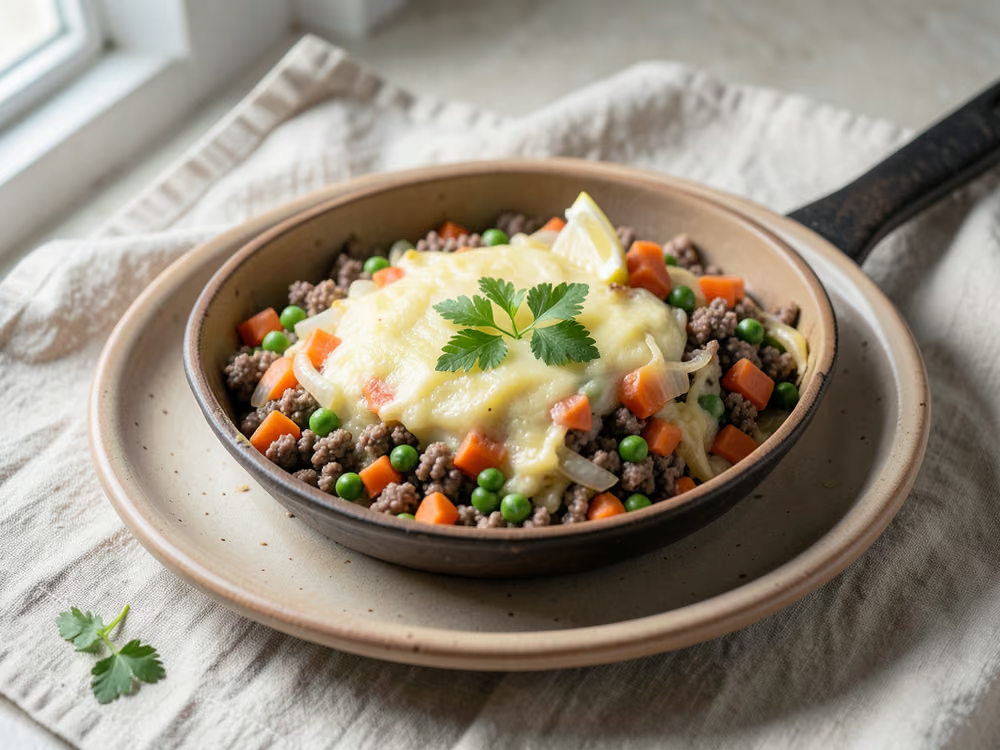
Drain the potatoes, then let them steam in the colander for 2 minutes to shed surface water. Mash with the 50 g butter until it melts, then work in the 100 ml warm milk, 1 tsp salt and 0.5 tsp black pepper. Stop as soon as the mash is smooth and spreadable; overworking turns it gluey.
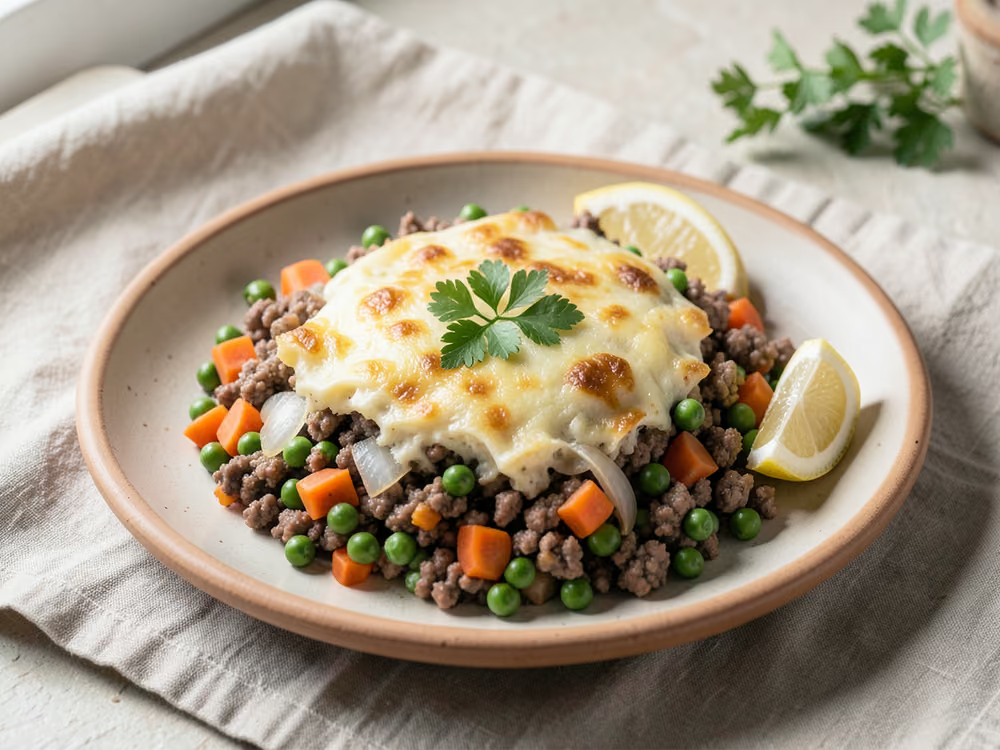
Heat the 2 tbsp olive oil in a large skillet over medium heat. Add the diced onion and 2 diced carrots and cook for about 5 minutes, stirring occasionally, until the onion turns translucent and the vegetables soften and sweeten; a crowded pan steams them instead of browning them.
Add the 500 g ground beef, break it into small clumps with a spoon, and cook until no pink remains, about 5 to 6 minutes. Let the meat sit in a single layer for 30 seconds at a time between stirs so it browns instead of steaming, then tilt the pan and spoon off excess fat if it pools.
Sprinkle over the 2 tbsp flour and stir in the 2 tbsp tomato paste, turning the meat until every piece is coated, and cook for 1 minute. This minute toasts the raw flour and deepens the paste; the difference shows up later as a sauce with body instead of a pasty edge.
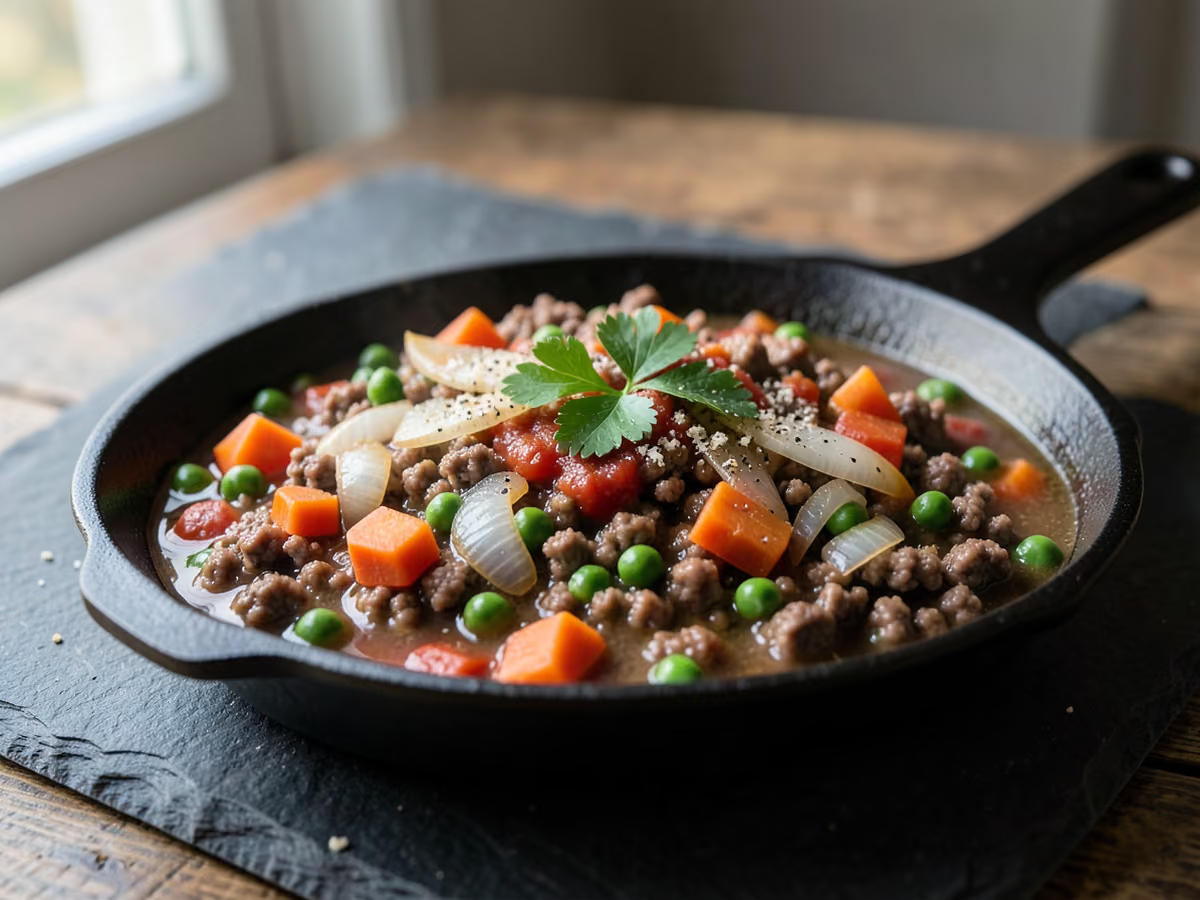
Pour in the 300 ml beef broth and the 1 tbsp Worcestershire sauce, scraping the browned bits off the base of the pan, and simmer for about 5 minutes until the liquid coats the back of a spoon. Stir in the 150 g thawed peas and take the pan off the heat; the oven will not reduce this sauce any further.
Spread the filling level in a 9 x 13 inch (23 x 33 cm) baking dish. If you have five minutes, let it settle before the potatoes go on: a slightly cooled filling thickens as it stands and holds the mash up better than a hot one does.
Spoon the mash over the filling and spread it to the edges, pressing it against the rim so the seal is complete, then rake the surface with a fork into ridges and peaks. The seal keeps the filling from bubbling up the sides, and the ridges are the parts that brown first.
Bake at 200°C for 20 to 25 minutes, until the ridges are deeply golden and the filling bubbles at the edges. An instant-read thermometer in the centre of the filling should read 71°C or above, the minimum for ground beef; if the top browns early, tent it loosely with foil.
Let the pie stand for 10 minutes before serving. The filling tightens as it cools, so portions lift out with clean edges and the sauce stays on the plate instead of running across it.
Why this recipe works
Two decisions set the texture, and both happen on the stove. The 2 tbsp flour and 2 tbsp tomato paste go into the hot pan with the beef and cook for a full minute, which toasts the starch so it thickens the 300 ml broth into a glossy gravy instead of a pasty one. Nothing evaporates through the mash in the oven, so the sauce keeps exactly the body it has when it goes into the dish. The topping stays fluffy because the drained potatoes steam dry before mashing and the 50 g butter and 100 ml warm milk coat the starch grains; fewer free starch chains means less gumminess and a surface that browns into crisp ridges.
Equipment
- Large pot, 3 to 4 litres, for the potatoes
- Potato masher or ricer
- Large skillet, about 30 cm, for the filling
- 9 x 13 inch (23 x 33 cm) baking dish, about 5 cm deep
- Colander
- Wooden spoon
- Instant-read thermometer
- Fork for raking the mash
Kitchen notes
Kitchen notes
- Rinse the peeled potatoes, and again after draining: surface starch is the main reason mash turns gluey, and washing it away gives a lighter topping that seals the dish cleanly.
- Spread the mash while it is still hot. Cold mash stiffens, drags the filling up with it, and never browns as evenly.
- Warm the 100 ml milk before it goes into the potatoes: cold milk makes the mash heavy and slows the moment it turns spreadable.
- Rake deep ridges with a fork, and if the top needs more colour, finish it under a hot grill for 2 to 3 minutes; stay at the oven, because ridges go from golden to black in under a minute.
- Take the filling temperature in the centre, not against the wall of the dish: the edge runs much hotter and reads above 71°C while the middle is still lukewarm.
Common mistakes
- Watery filling that spreads across the plate: the gravy went into the dish before it thickened, or rendered fat stayed in the pan. Simmer until the sauce coats a spoon and spoon off the fat before the flour goes in; baking under mash cannot reduce it.
- The mash sinks into the filling: wet potatoes or a filling that went in hot. Steam-dry the drained potatoes for 2 minutes, keep the mash thick, and give the filling a few minutes to settle before you top it.
- Gluey, pasty mash: overworked potatoes, a waxy variety, or cold milk. Mash while hot, add the 50 g butter before the 100 ml warm milk, use a floury potato, and stop at smooth and spreadable.
- Bland filling: low-sodium broth plus only 1 tsp salt leaves the pie flat. Taste the filling after the peas go in and correct the seasoning there; no amount of mashed potato on top will fix it afterwards.
- A top that stays pale: the mash was spread thin and flat, or the oven was below temperature. Spread the potatoes thick enough to seal every edge, rake them into ridges, and bake at the full 200°C until the peaks brown.
Serving suggestions
- Serve in warmed bowls or straight from the dish at the table with something sharp alongside: buttered peas, steamed greens, braised cabbage or a vinegary slaw.
- A spoonful of ketchup or brown sauce on the side is the pub classic, and pickled onions do the same job.
- Crusty bread or a slice of buttered sourdough to mop up the gravy.
- Portion as six mains. It is a complete dinner on its own, so any side is a bonus rather than a requirement.
Variations
- Lamb version: swap the 500 g ground beef for ground lamb and this becomes a classic shepherd's pie; the flavour is gamier and richer, and the pan usually needs more fat drained.
- Cheesy mash: fold 50 g of grated mature cheddar into the mash before spreading. It browns faster, so watch the top earlier in the bake.
- Sweet potato topping: use 800 g of sweet potatoes in place of the potatoes. The mash is wetter and sweeter, so steam-dry it longer and season with a little extra salt.
- Mushroom version: add 200 g of finely chopped mushrooms to the skillet with the onion for a deeper, earthier filling; cook them until their liquid has cooked off before the beef goes in.
Refrigerator
- RefrigeratorCool the pie to room temperature within 2 hours, then refrigerate it covered for up to 3 days. Portion out only what you are reheating; repeated warming dries the mash.
- ReheatingCover with foil and bake at 180°C for 15 to 20 minutes, or microwave individual portions on medium until hot throughout; leftovers should reach 74°C, the standard for reheated food. A splash of broth around the edge keeps the filling from drying.
- FreezingUp to 2 months, baked and cooled or fully assembled and unbaked; wrap tightly so the mash does not dry. Thaw overnight in the fridge and reheat at 180°C for 30 to 35 minutes. Baking straight from frozen takes far longer and risks a cold centre under a browned top; if you must, allow about an hour at 180°C and check the middle reaches 71°C.
- Make aheadAssemble the whole pie unbaked, cover it, and refrigerate for up to 24 hours; add 10 to 15 minutes to the bake because it starts cold. The filling can also be cooked up to 2 days ahead, cooled quickly, and topped with fresh mash on the day.
Updated:
How this recipe was developed
- FoodSafety.gov / USDA FSIS safe minimum internal temperatures (ground beef 71°C; casseroles and reheated leftovers 74°C)
- FoodSafety.gov cold food storage chart (soups, stews and casseroles: 3 to 4 days refrigerated, 2 to 3 months frozen)
- Serious Eats, Classic Savory Shepherd's Pie — rinsing potatoes to strip surface starch so the mash stays fluffy instead of gluey
- RecipeTin Eats shepherd's pie — the sauce gains no further reduction in the oven, so it must be thickened on the stove, and the filling benefits from cooling slightly before it is topped
Editorial references are kept internally for verification. This page makes no claim of external certification or professional testing.
FAQ
The questions we get asked most
Why is my shepherd's pie watery?
Almost always the filling went into the dish too loose. The oven cannot reduce the sauce under a mash lid, so simmer the beef and broth mixture on the stove until it coats a spoon, drain the fat from the beef before the flour goes in, and use fully thawed peas. A wet mash makes it worse, so steam-dry the potatoes thoroughly after draining.
Can I make shepherd's pie ahead of time?
Yes, and it bakes well from cold. Assemble the whole pie, cover it, refrigerate for up to 24 hours, then add 10 to 15 minutes to the bake. You can also cook the filling up to 2 days ahead, cool it quickly, and top it with fresh mash on the day you bake it.
Can I freeze shepherd's pie?
Yes, for up to 2 months, either baked and cooled or fully assembled and unbaked; wrap it tightly to keep the mash from drying out. To reheat, thaw it overnight in the fridge, then bake at 180°C for 30 to 35 minutes. If you bake it from frozen, allow about an hour at 180°C and check that the centre reaches 71°C before serving.
How do I know when the pie is done?
An instant-read thermometer in the centre of the filling should read 71°C or above, the minimum for ground beef, with the filling bubbling at the edges and the potato ridges deeply golden. Time alone is unreliable when the dish went in cold or the filling was on the wet side.
Can I use instant mashed potatoes for the topping?
Yes. Make them thicker than the packet suggests, with a little less liquid than instructed, because thin instant mash will not hold its shape over a bubbling filling. Spread it to the edges, rake the surface, and bake exactly as written; the texture is smoother and less rustic than fresh mash.
Is Worcestershire sauce halal?
Traditional recipes include anchovies and can carry traces from fermentation, and not every bottle is certified. Look for a halal certification mark before buying. If you cannot find one, 1 tbsp of soy sauce with a pinch of sugar covers the same role in the filling.
Can I double this recipe?
Scale everything by two and use two 9 x 13 inch dishes rather than one deeper one: a doubled mash layer would be too thick to heat through and the filling too deep to bubble properly in 20 to 25 minutes. Bake both dishes on the same shelf, or on two shelves and swap them halfway.
Ask KitchenMind about this recipe
Tell it what’s different tonight — it works within the actual recipe.