- Prep
- 15 min
- Cook
- 18 min
- Total
- 33 min
- Serves
- 4
Ingredients
What you’ll need — tap to tick off as you go
- 400 g
- 3 tbsp
- 3 cloves
- 1 tsp
- 1 tsp
- 1 tsp
- ½ tsp
- 15 g
Process
Timers built in · swap anything · ask as you cook
Heat the oven to 220°C with a rack in the middle position. Line a large rimmed sheet pan (about 45 x 35 cm) with parchment paper.
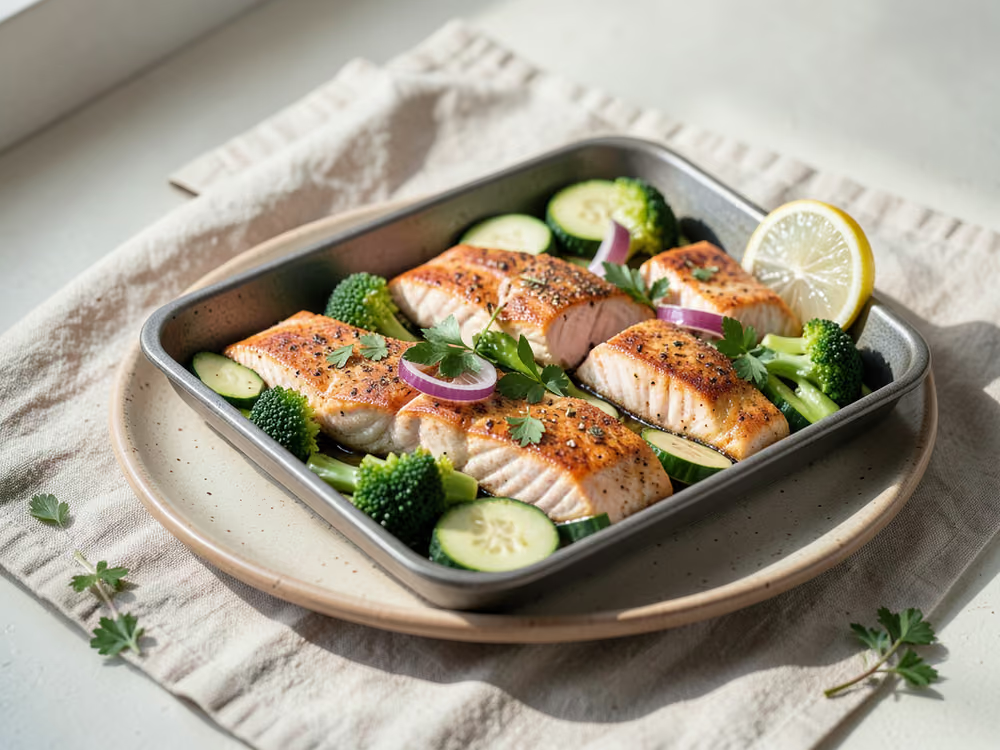
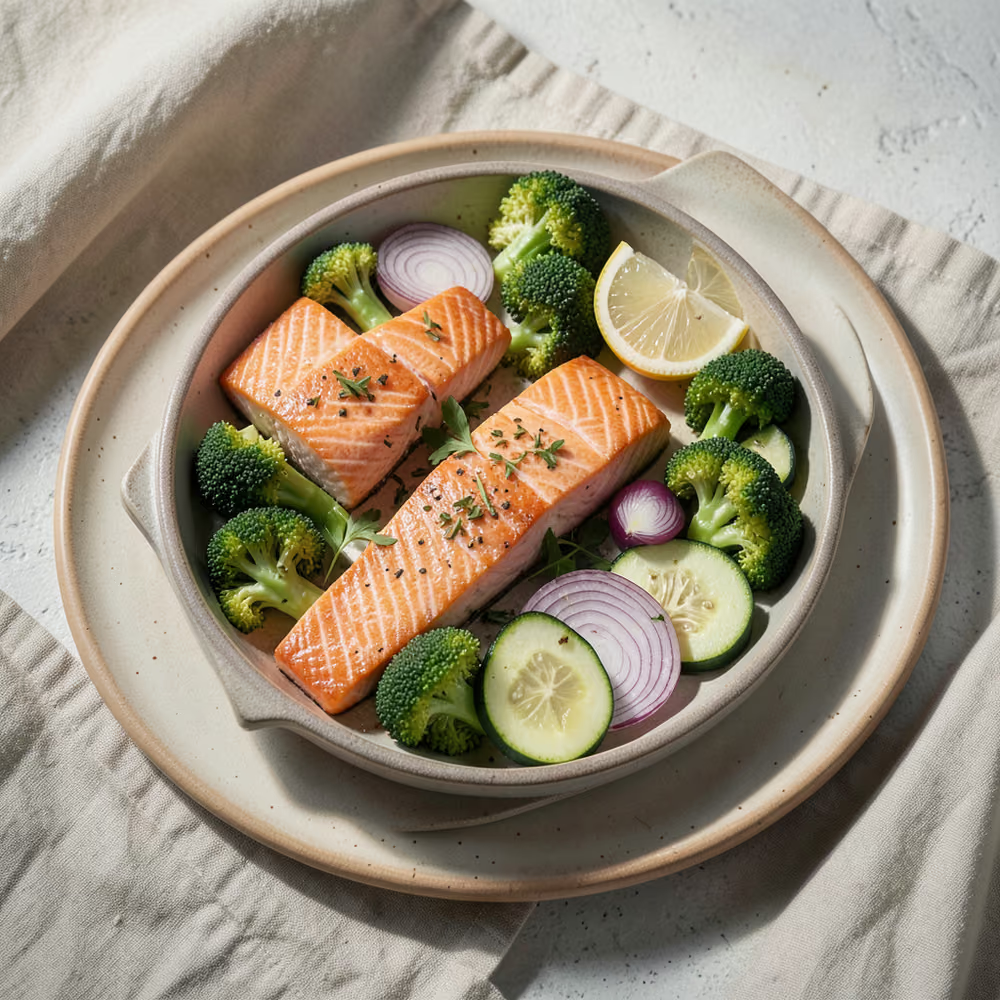
In a large bowl, toss the broccoli, red bell pepper, zucchini and red onion with 2 tbsp olive oil, the minced garlic, dried oregano, smoked paprika, 1 tsp salt and black pepper until evenly coated.
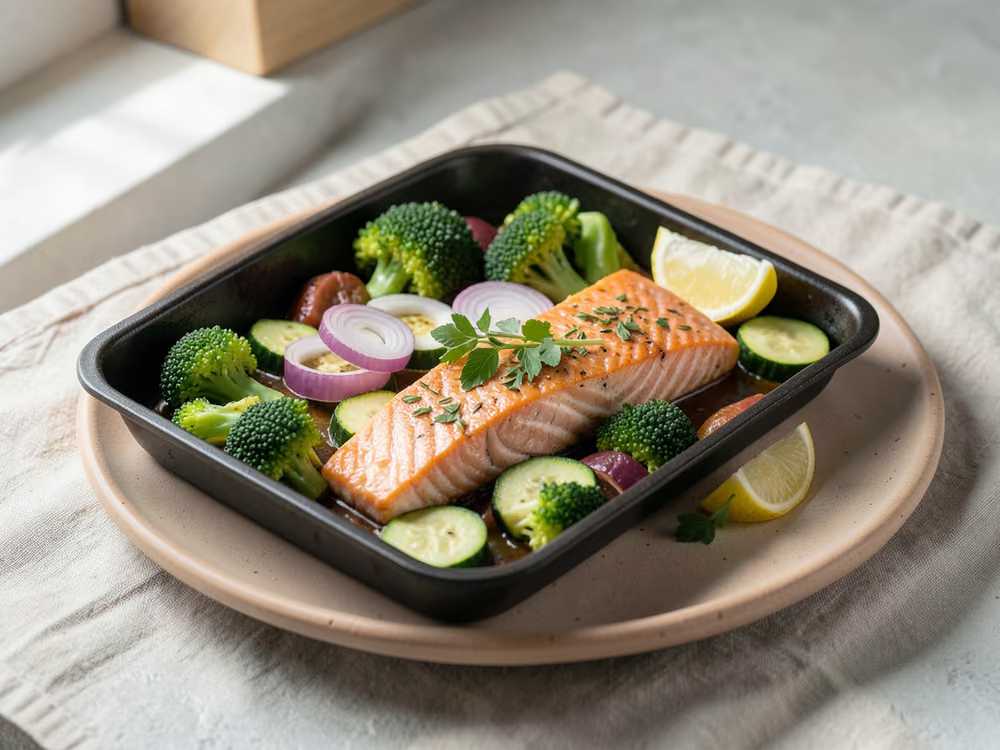
Spread the vegetables in a single layer on the prepared pan, keeping them to the outer edges and leaving 4 gaps in the center for the salmon. Roast for 8 minutes.
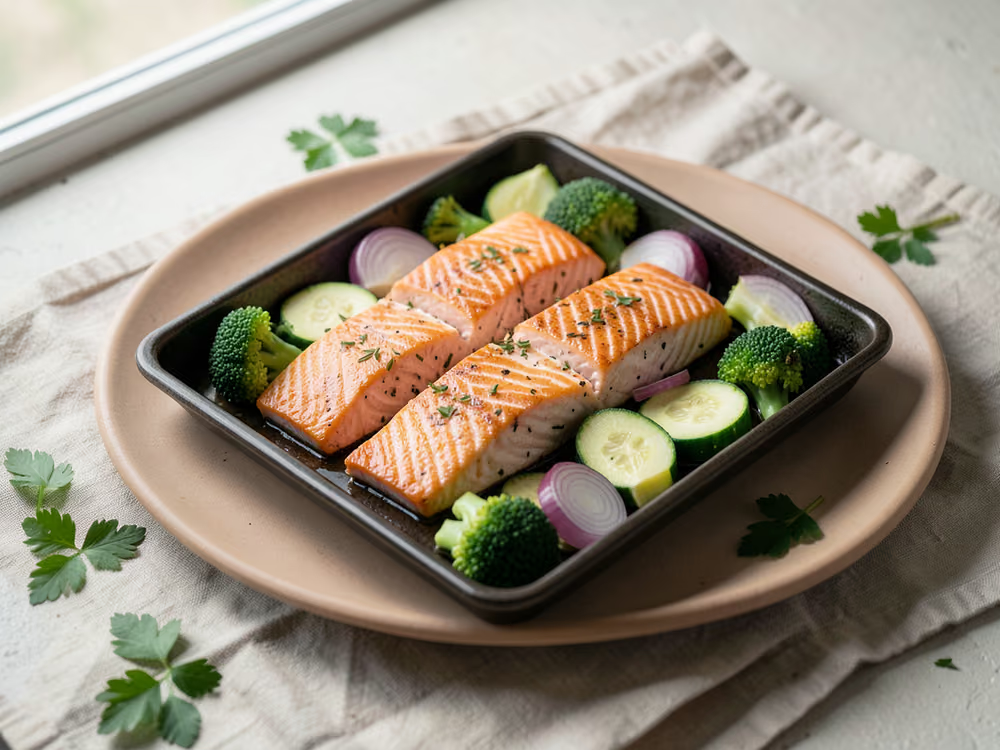
While the vegetables roast, rub the salmon fillets with the remaining 1 tbsp olive oil and the juice of half the lemon, then season each fillet lightly with salt.
Pull the pan from the oven, stir the vegetables, then place the salmon fillets skin-side down in the gaps. Lay a thin lemon slice on each fillet.
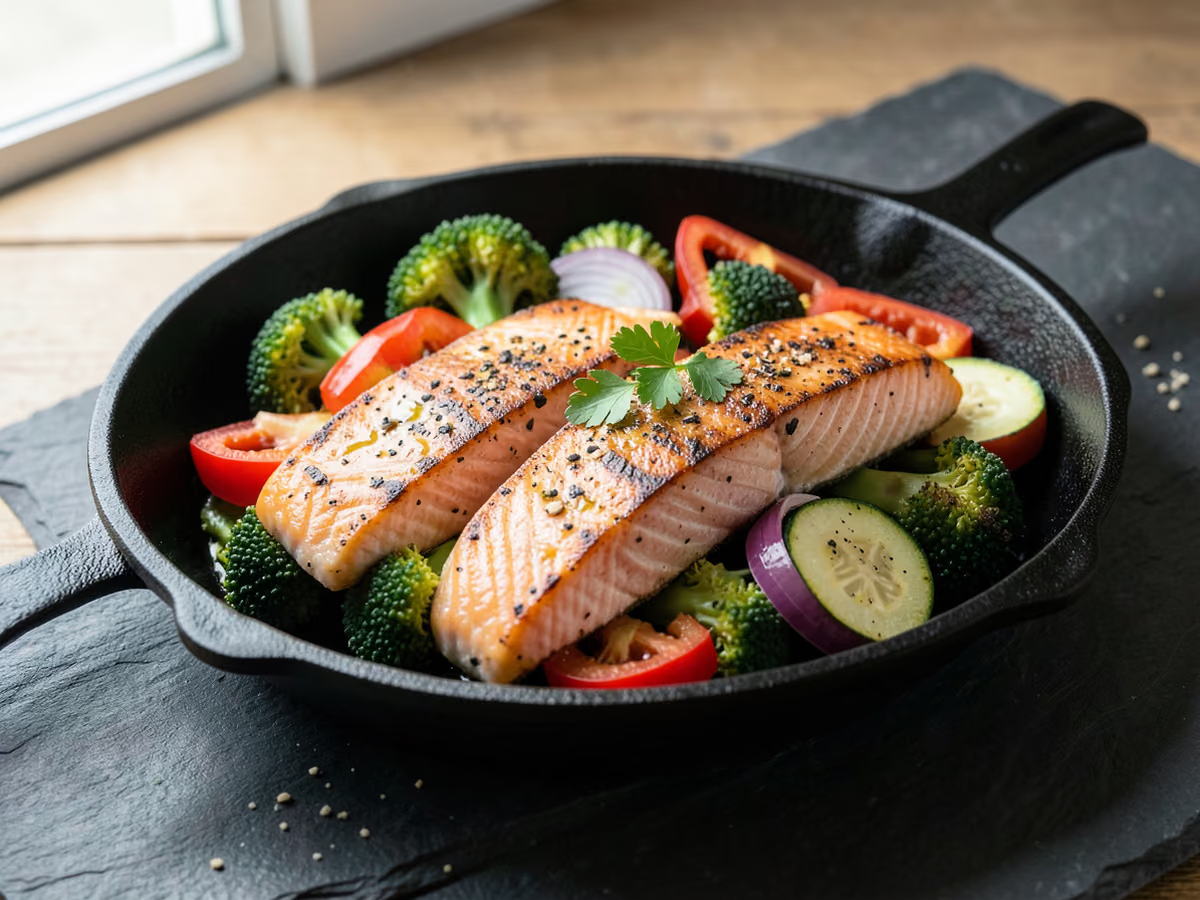
Return the pan to the oven and roast for 9 to 11 minutes, until the salmon is opaque and flakes easily with a fork at the thickest part and the vegetables are tender with browned edges.
Rest the pan for 2 minutes, scatter with fresh parsley if using, and serve straight from the pan.
Kitchen notes
Kitchen notes
- The most common mistake is crowding the pan: if the vegetables overlap they steam instead of roast. Use the largest pan you own, or split everything between two pans.
- Salmon is done when the thickest part flakes with a fork and the center is just barely translucent; at 220°C a 2.5 cm thick fillet needs about 9 to 11 minutes. Pull it early rather than late, since it keeps cooking on the hot pan.
- Cut the vegetables into even, fairly small pieces (1.5 to 2 cm) so they finish at the same time as the salmon. The 8-minute head start is what keeps the broccoli from being raw while the fish overcooks.
- Pat the salmon skin completely dry before oiling it; any surface moisture turns to steam and the skin will stick to the parchment instead of crisping.
Substitutions
- broccoli→cauliflower florets or green beans
- zucchini→asparagus or thick slices of eggplant
- salmon fillets→arctic char or trout fillets of the same thickness
- smoked paprika→sweet paprika plus a pinch of cayenne
Storage & reheating
Store leftovers in an airtight container in the fridge for up to 2 days; keep the salmon and vegetables together but reheat gently. Reheat in a 160°C oven for 6 to 8 minutes, covered with foil, until just warm, or eat the salmon cold over salad. Do not microwave the salmon on high, as it turns rubbery; if you must, use 50 percent power in 30-second bursts. This dish does not freeze well because the vegetables become mushy.
FAQ
The questions we get asked most
Why did my salmon come out dry?
It was almost certainly cooked past 9 to 11 minutes, or the fillets were thinner than 2 cm. Salmon continues cooking on the hot pan after it leaves the oven, so pull it when the center is still slightly translucent and let it rest 2 minutes. Next time, check at 8 minutes and add time in 1-minute increments.
Can I put the salmon and vegetables in the oven at the same time?
Only if you cut the vegetables very small (1 cm) and use a hot 220°C oven, but the safer method is the 8-minute head start in this recipe. Dense vegetables like broccoli and onion need longer than fish, so roasting them first keeps both from being overcooked or undercooked.
How do I keep the vegetables from steaming instead of roasting?
Use a pan large enough to hold everything in a single layer with a little space between pieces, and dry the vegetables well after washing. If your pan is small, roast the vegetables on one pan and the salmon on a second smaller pan. Crowding traps moisture and gives you pale, soft vegetables.
Can I use frozen salmon fillets?
Yes, but thaw them completely in the fridge overnight and pat them very dry before oiling. Frozen-then-roasted salmon releases a lot of water, which steams the vegetables, so add 1 to 2 minutes to the roasting time only if the fillets are still cold in the center. Fresh or fully thawed fish gives the best texture.
Is this recipe gluten-free and dairy-free?
Yes, as written it contains no wheat, barley, rye, milk, butter, cheese or cream, so it fits both gluten-free and dairy-free diets. Check your smoked paprika and oregano labels if you are highly sensitive, since some spice blends add anti-caking agents or fillers.
Can I prep this ahead of time?
You can chop the vegetables and mix the oil and spices up to 24 hours ahead, storing them separately in the fridge. Do not oil or season the salmon more than 30 minutes before roasting, because salt starts to cure the surface and the texture becomes firm. Assemble everything on the pan right before it goes into the oven.
How long do leftovers keep, and how should I reheat them?
Leftovers keep in an airtight container in the fridge for up to 2 days. Reheat in a 160°C oven, covered with foil, for 6 to 8 minutes until just warm, or serve the salmon cold. Avoid the microwave on high, which makes the fish rubbery and the vegetables soggy.
Ask KitchenMind about this recipe
Tell it what’s different tonight — it works within the actual recipe.