Air Fryer Salmon with Garlic Butter
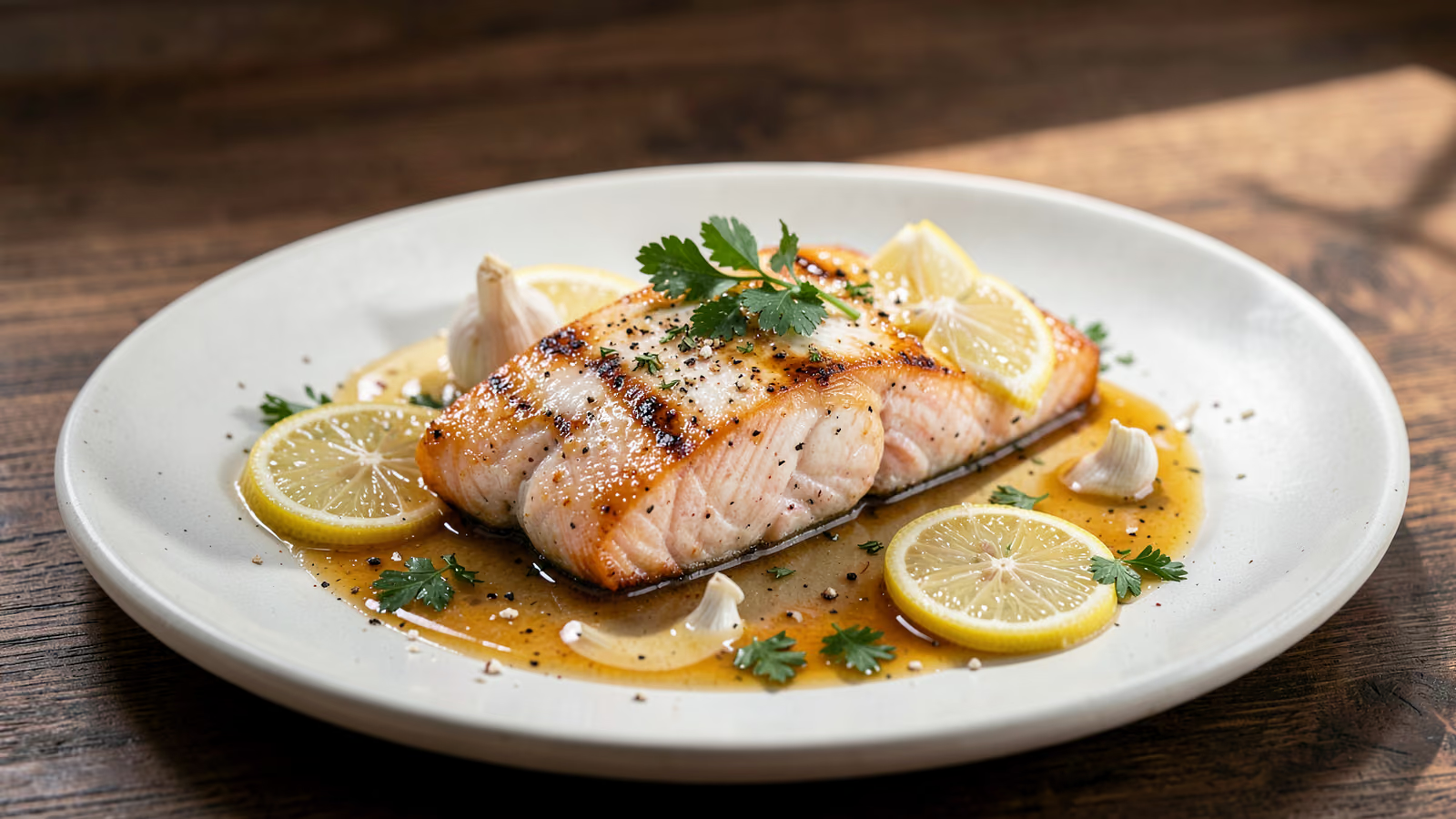
Hot basket, cold fillet, 8 minutes. That is the deal an air fryer offers on a weeknight, and it holds up when two details go right: dry the skin until it feels like paper, and pull the fish before it looks finished, because carryover heat keeps cooking it on the plate. Your only job is timing. Two 170 g fillets brushed with garlic butter, lemon, and a little honey come out browned on top, with skin that releases crisp from the grate. Ten minutes of prep, one small bowl of glaze, dinner for two.
- Prep
- 10 min
- Cook
- 8 min
- Total
- 18 min
- Serves
- 2
Ingredients
What you’ll need — tap to tick off as you go
- 30 g
- 2 cloves
- 1 tsp
- 1 tsp
- ½ tsp
- ¼ tsp
- 1 tbsp
Process
Timers built in · swap anything · ask as you cook
Pat the 2 fillets dry with paper towels, working along the skin until it feels like paper rather than silk, and let them sit on the counter while the basket comes up to heat. Water is the enemy here. It has to evaporate before browning can begin, and every drop that stays behind throws steam that keeps the surface pale and soft instead of letting it color. (A dry skin browns evenly.)
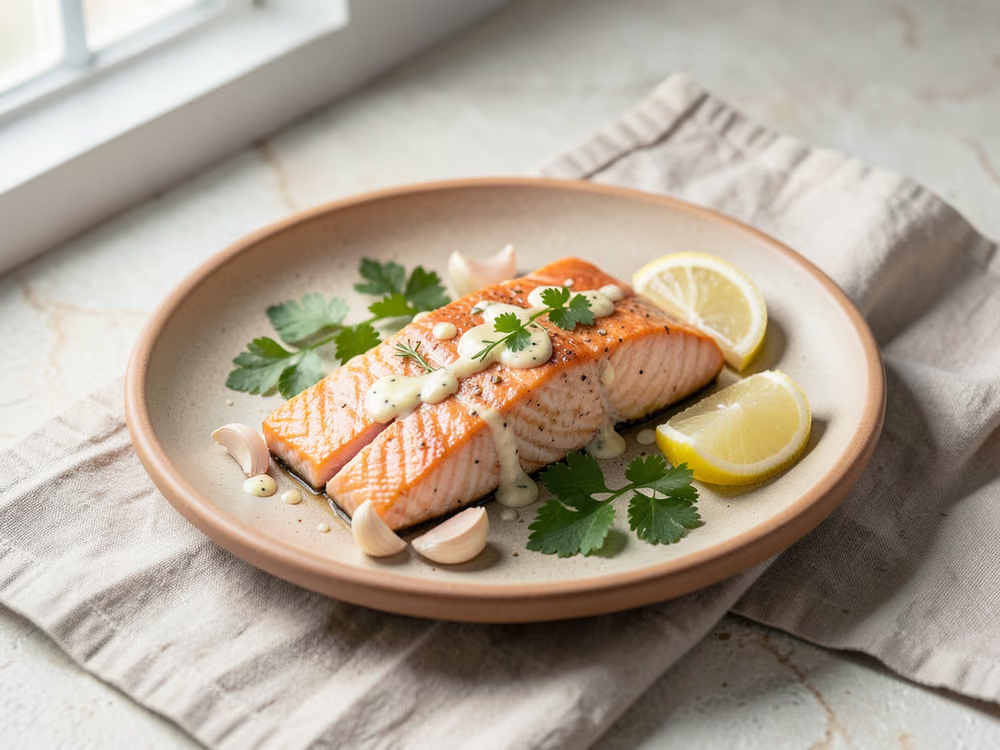
In a small bowl, stir 30 g melted unsalted butter with 2 cloves of minced garlic, the juice of half a lemon, 1 tsp honey, 1 tsp soy sauce, 0.5 tsp fine salt, and 0.25 tsp black pepper until the mixture looks even and glossy and holds together on the spoon. Keep the garlic pieces tiny. Anything sitting on the surface of the fish scorches at 200°C long before your fillets are done.
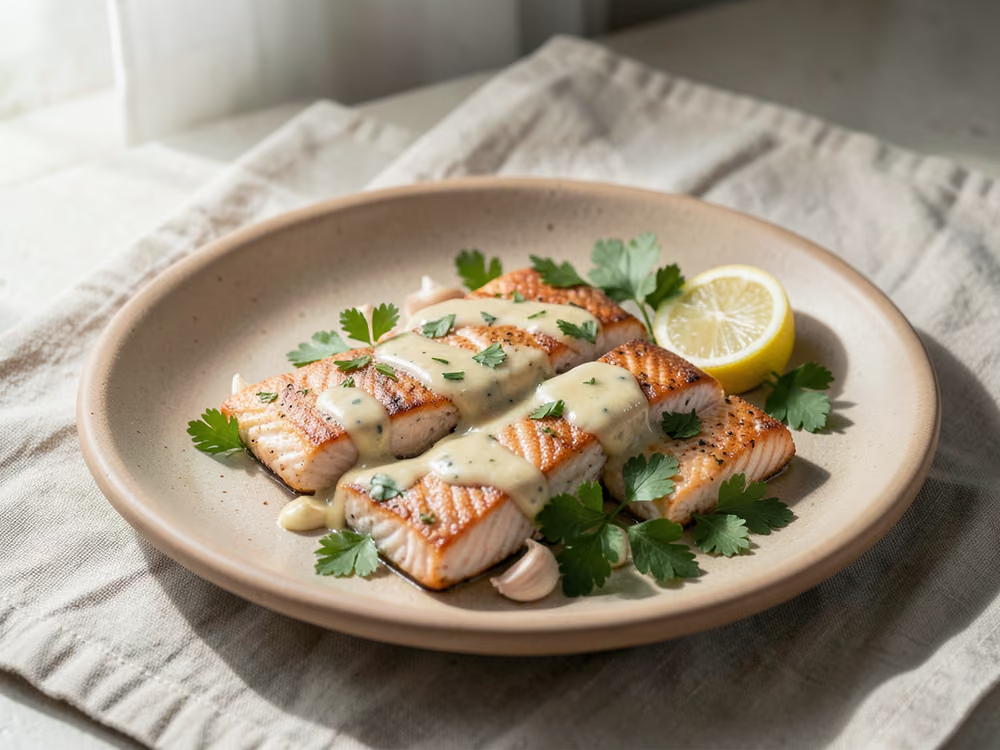
Brush about two-thirds of the garlic butter over both fillets, coating the tops and the sides well, and leave the rest in the bowl. Thin and even wins. A thick, wet coat slides off into the basket and smokes; a thin one clings to the fish and browns the top. Work outward from the center so no glaze pools against the skin. Keep your reserved butter covered until the fillets come out.
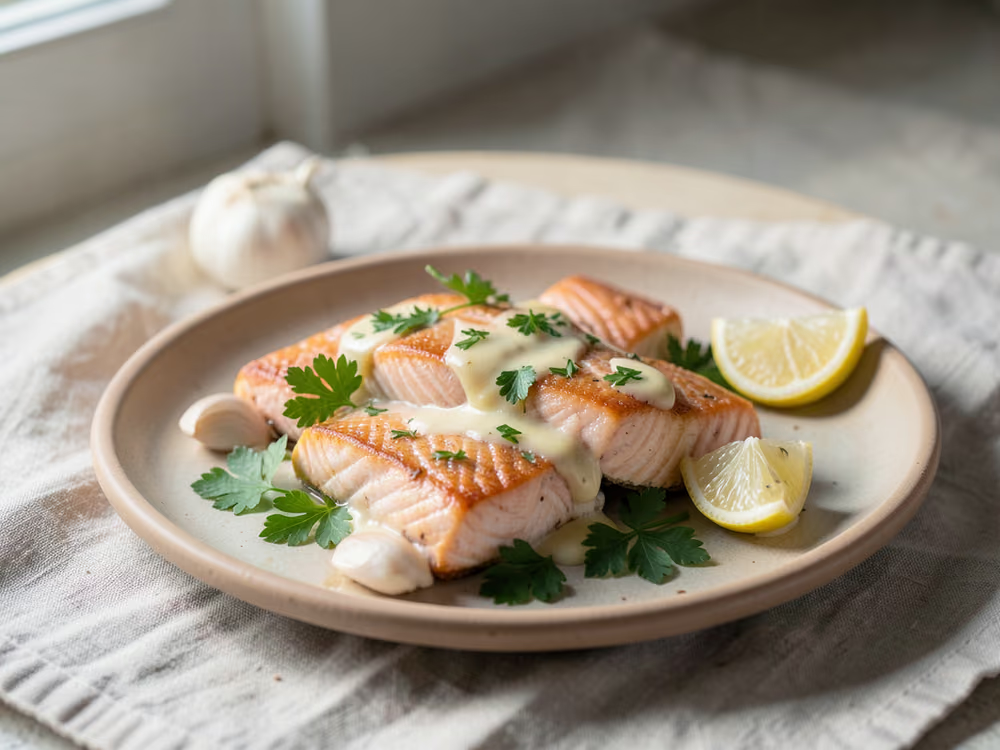
Bring the air fryer to 200°C for 3 minutes, or run it empty for the same time if your model has no preheat setting. No preheat button? The empty run covers it. A hot basket sets the surface proteins on contact, which is what stops the fillets from gluing themselves to the grate. A hot start also shortens the cook, so your fish is not drying out while the air comes up to temperature.
Lay the fillets skin down in the hot basket, leaving 2 cm or more of open space between them, and do not stack them. Crowding is the enemy here. Packed fillets block the airflow and trap steam, so their tops stay pale and the flesh cooks unevenly. Hot air needs a clear path around every side. If your basket is small, run the 2 fillets in 2 rounds rather than squeezing them in.
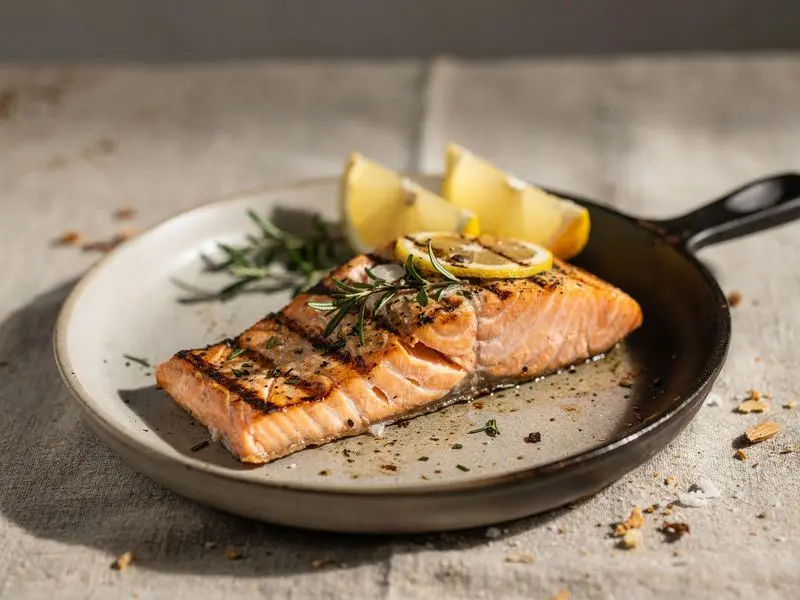
Air fry for 7 to 9 minutes at 200°C and start checking at 7. The fillets are done when the thickest part flakes under a fork and the center looks opaque with a faint gloss. The window is short. Salmon goes from juicy to dry in 1 to 2 minutes, so pull early when you are unsure and let the plate finish the job. (Opaque, not chalky, is the target.)
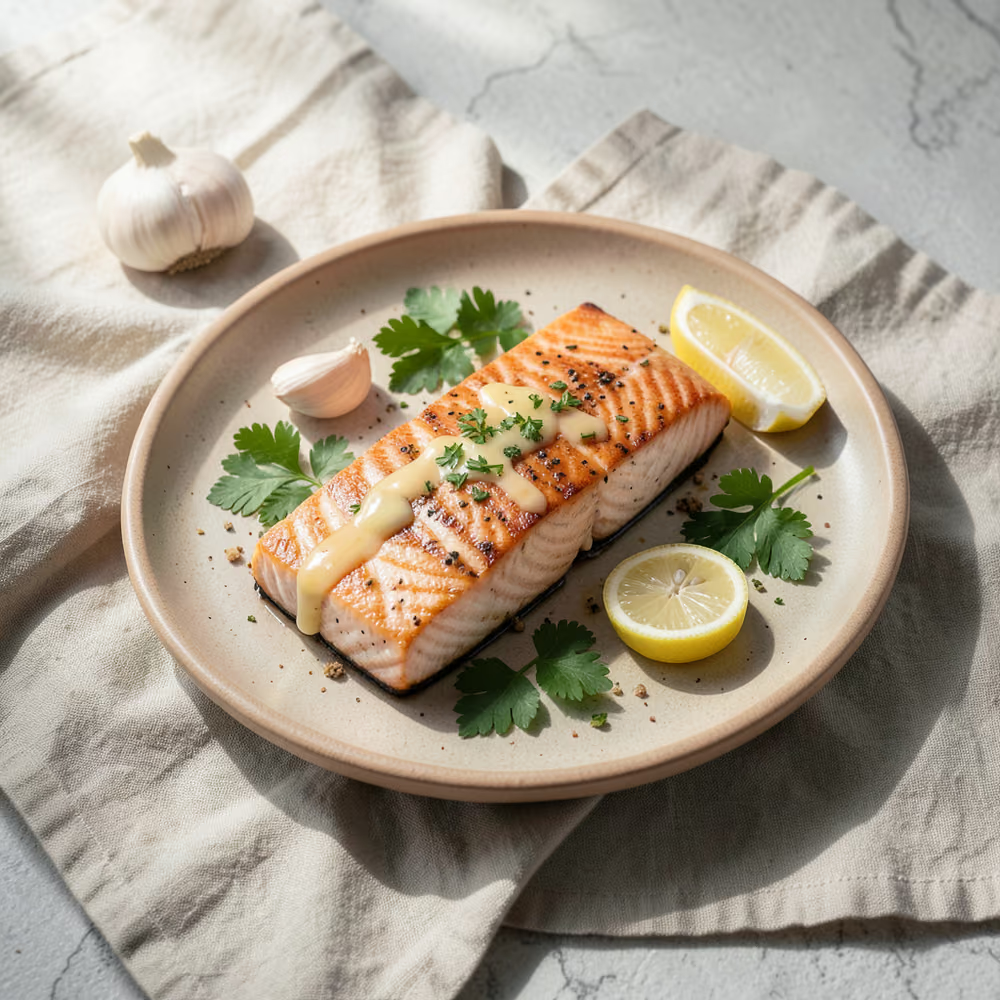
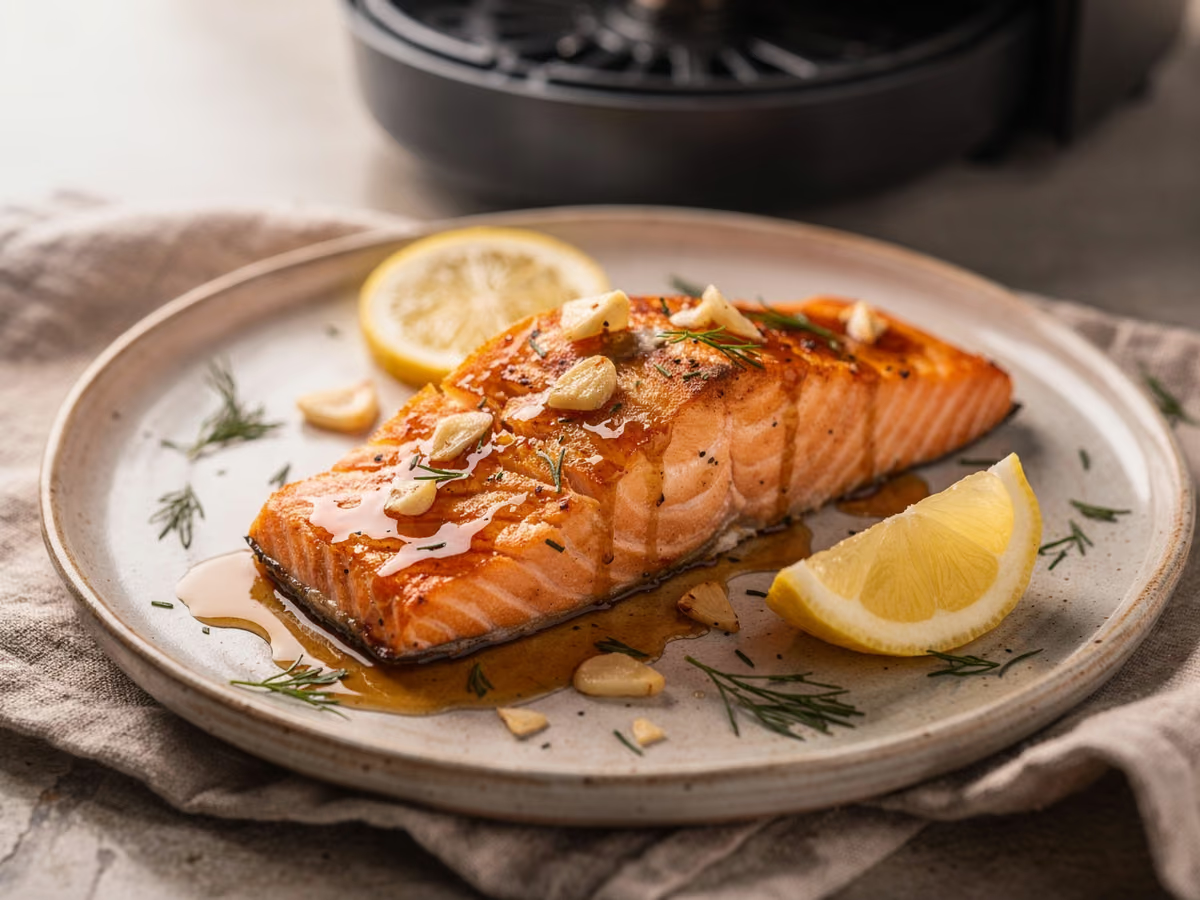
Move the salmon to warm plates, brush it with the reserved butter, and finish with 1 tbsp chopped parsley and lemon wedges alongside. Serve it straight away. The skin is still crisp, the glaze is warm, and a plate that sits too long loses both. Have everything waiting before the basket opens, so the first cut meets butter that is still running.
Why this recipe works
An air fryer is a small, fast convection oven, and that changes what happens to fish. Fast-moving air wicks moisture off the surface, so a dried fillet browns instead of steaming, and your skin crisps into a layer that releases from the basket on its own. The glaze is the other half of the job. Melted butter carries the garlic and honey evenly across the top, but both scorch at 200°C, which is why most of the mixture goes on before the cook and the rest after. Timing decides the rest. Pulling the fillets 1 to 2 minutes early matters too, because carryover heat finishes the center while you set the table.
Equipment
- Air fryer with a basket wide enough to hold the 2 fillets in one layer
- Small bowl for the garlic butter
- Pastry brush
- Instant-read thermometer
- Paper towels for drying the fillets
- Fine grater or garlic press
- Citrus reamer or a fork for the half lemon
- 2 warm plates
Kitchen notes
Kitchen notes
- A thermometer is your best bet for certainty. Trust the number. Slide the probe into the thickest part from the side; 63°C is the figure USDA sets for fish, and the reading keeps climbing a few degrees once the fillets leave the basket.
- No thermometer? Press the top of a fillet with a fingertip. It should feel firm and springy. A fork nudged into the center separates the flesh into clean layers, and those layers should look glossy, not dry.
- Judge the time by thickness, not by weight. A 2.5 cm fillet is the reference point for 7 to 9 minutes, and anything slimmer than 2 cm should come out at 5 to 6 minutes. When in doubt, cut into the thickest fillet and look: the gap between done and dry shows up in seconds.
- Melt the butter, then let it sit for a minute before brushing. Slightly cooled butter clings to the fish, where butter straight off the heat runs into the basket and takes the lemon with it, leaving the fish bare.
- Dry the skin twice: once when the fillets come out of the refrigerator, and again right before they go in, because fish releases surface water as it warms and the skin you dried earlier is damp again. If a patch of skin sticks, don't worry; slide a thin spatula under it and press the piece back onto the fillet.
Common mistakes
- Dry, chalky fillets: your fish spent 1 to 2 minutes too long in the basket, and carryover heat finished the damage on the plate, firming the flakes and squeezing out whatever moisture was left. Pull at the first sign of flaking. Start checking at 7 minutes and trust what you see over the clock, since every air fryer runs a little hot or a little slow.
- Pale, steamed salmon: the skin went in wet, the basket was crowded, or both. Dry the fillets until the skin squeaks, and keep 2 cm of clear air between them. Cook in batches when your basket is tight.
- Burnt garlic and a bitter glaze: minced garlic sat on the surface too long at 200°C. Garlic scorches first. Chop or grate it finely and stir it right through the butter, so each tiny piece is wrapped in fat rather than exposed to the hot air, and watch the tops near the end of the cook.
- Fillets stuck to the grate: a cold basket or a wet fillet. Always start hot. Preheat the full 3 minutes, dry the skin, and set the fish down skin first, so the skin takes the direct heat and lets go once it crisps.
- Smoke and a burnt smell from the air fryer: too much butter and honey on the surface, or a basket with baked-on grease. (A thin coat browns better than a thick one.) Brush lightly, put the second coat on after cooking rather than before, and wipe the basket and the drip tray between batches while they are still warm.
Serving suggestions
- Steamed white rice, quinoa, or couscous catches the garlic butter; spoon the juices from the basket over the grains.
- Air-fried asparagus, roasted broccoli, or a plain green salad keeps the plate light. Lemon fixes a flat plate. Keep wedges and extra parsley at the table.
- A cold, unsweet drink alongside, such as sparkling water, iced tea, or lemonade, cuts the richness of the butter.
- Leftover salmon turns into a fine rice bowl or a flaky salad topper the next day. Break it into large pieces while it is cold, so it holds its shape. Dig in while the skin is still crisp; that first bite is the version worth repeating.
Variations
- Herb-and-zest version: swap the parsley for the same 1 tbsp of dill or chives, and grate the zest of the half lemon into the butter; the top turns brighter and more aromatic.
- Sweet-heat version: add a pinch of red pepper flakes to the butter. Or thin the honey with a few drops of lemon juice and brush it on for the final minute, for a stickier glaze.
- Bigger-batch version: cook 4 fillets in 2 rounds instead of crowding the basket, keeping the butter in the refrigerator between rounds. The second batch finishes faster. Check it a minute earlier.
Refrigerator
- RefrigeratorCool what you do not eat within 2 hours, then refrigerate it in a sealed container. The fish keeps for up to 2 days; past that the texture firms, the flavor flattens, and the glaze stops tasting of much. (Chilled salmon also flakes more cleanly than warm.)
- ReheatingWarm the fillets at 160°C in the air fryer for 3 to 4 minutes, just until they are heated through, and aim for 74°C at the center. Skip the microwave. It turns the flakes rubbery and leaves the skin limp.
- FreezingCooked salmon freezes for up to 1 month, and it thaws softer than it went in. Plan on flaking it into salads or rice bowls. Thaw it overnight in the refrigerator and reheat it gently once.
- Make aheadMix the garlic butter as much as 3 days in advance and keep it covered; the extra time lets the garlic mellow into the butter. The fillets themselves need only a final pat dry, so do that at the last minute.
Updated:
How this recipe was developed
- FoodSafety.gov / USDA FSIS Safe Minimum Internal Temperature Chart (fish cooked to 145°F / 63°C, or until the flesh is no longer translucent and separates easily with a fork; leftovers reheated to 165°F / 74°C)
- USDA FSIS, Steps to Keep Food Safe and Leftovers and Food Safety (refrigerate within 2 hours; cooked fish keeps 3 to 4 days refrigerated and about 3 months frozen; raw fish keeps 1 to 2 days refrigerated)
- NHS inform, Preparing and cooking food safely (reheat until steaming hot all the way through; eat chilled cooked food within 2 days; keep the refrigerator between 0°C and 5°C; thaw fish in the fridge)
- Serious Eats, Air-Fryer Salmon (preheating the basket sets surface proteins and limits sticking; 1 1/4 to 1 1/2-inch fillets give moist flesh and crisp skin; air fryers act as small high-powered convection ovens)
Editorial references are kept internally for verification. This page makes no claim of external certification or professional testing.
FAQ
The questions we get asked most
Why does air fryer salmon turn out dry?
Your fish stayed in the basket past the mark, almost every time. Small fillets can be ready in 6 or 7 minutes, and the center keeps firming up on the plate. So check at the early end of the range, and pull your fillets while the middle still looks glossy. Want more certainty? A thermometer in the thickest part settles it: 63°C is the USDA minimum for fish, which a 2.5 cm fillet tends to reach near the 7-minute check.
Can I put frozen salmon in the air fryer?
Yes, and it is fine to cook them from frozen; just stretch the clock. Add 4 to 6 minutes, and brush the garlic butter on after the first 5 minutes rather than before, since it slides off a frozen surface. Start checking at 10 minutes. Thawed fillets still win on texture and crisper skin, and frozen ones release a lot of water as they cook, which is why the glaze goes on late.
How do I stop the garlic butter from burning?
Use melted butter, not a firm pat pressed onto the fillet; a soft glaze coats evenly, and even coverage is what stops one spot from scorching. If your air fryer runs hot, put garlic powder in the cooking butter and hold the fresh clove for the reserved butter you brush on after. Powder has no pieces to catch the moving air.
Can I cook salmon and vegetables together in the air fryer?
Yes, if the vegetables get a head start. Cut hardy ones into small, even pieces and give them 5 minutes at 200°C before the salmon goes in; broccoli, asparagus, and green beans all work. One layer only, with space between the pieces, and expect the fillets to need the usual 7 to 9 minutes.
How do I know when the salmon is done without a thermometer?
Use a fork at the thickest point and give it a gentle twist. The flesh should separate into distinct layers, look opaque at the center, and still carry a slight gloss. Another minute settles it. Translucent flesh or a springy middle means the fish is not there yet. The skin is your second clue: once it has crisped and browned, it lifts off the basket without a fight, which is exactly what the dry skin was for.
Can I make this recipe ahead of time?
Partly, and the butter is the easy part. Mix it up to 3 days ahead, keep it covered in the refrigerator, and melt it again just before brushing. Seasoning the fish with salt and pepper can start up to 2 hours ahead if you like. Keep the butter mixture off the fillets until 30 minutes before cooking, though, because the salt and lemon begin to firm the surface like a cure, and the glaze then sits on top instead of soaking in.
What should I serve with air fryer salmon?
Steamed rice, quinoa, or couscous catches the garlic butter, and a green vegetable or a simple salad balances it. Lemon wedges and a scatter of parsley sharpen the plate. Chilled leftovers flake neatly over a grain bowl or into a salad the next day.
Ask KitchenMind about this recipe
Tell it what’s different tonight — it works within the actual recipe.