Lemon Herb Grilled Salmon
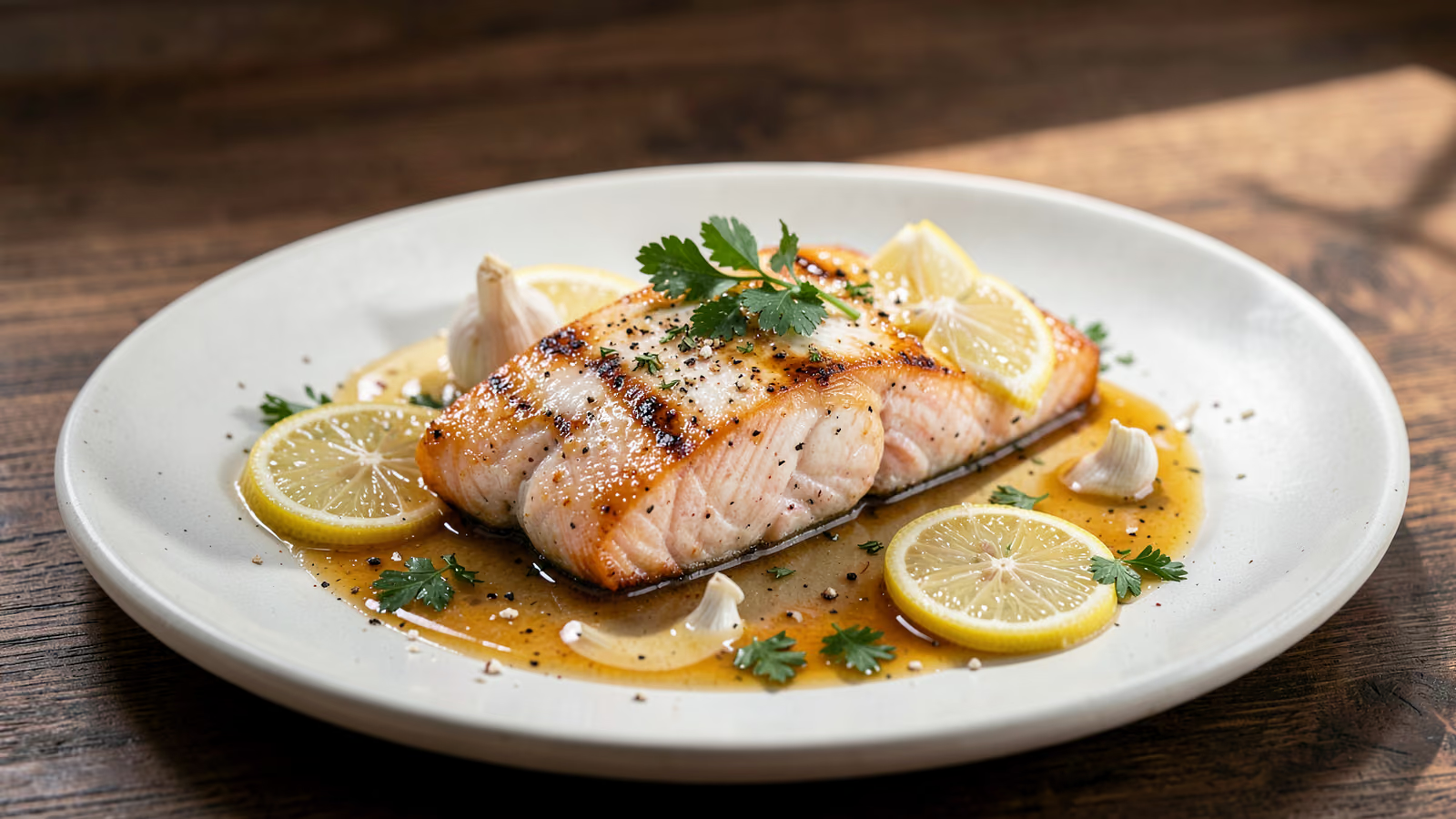
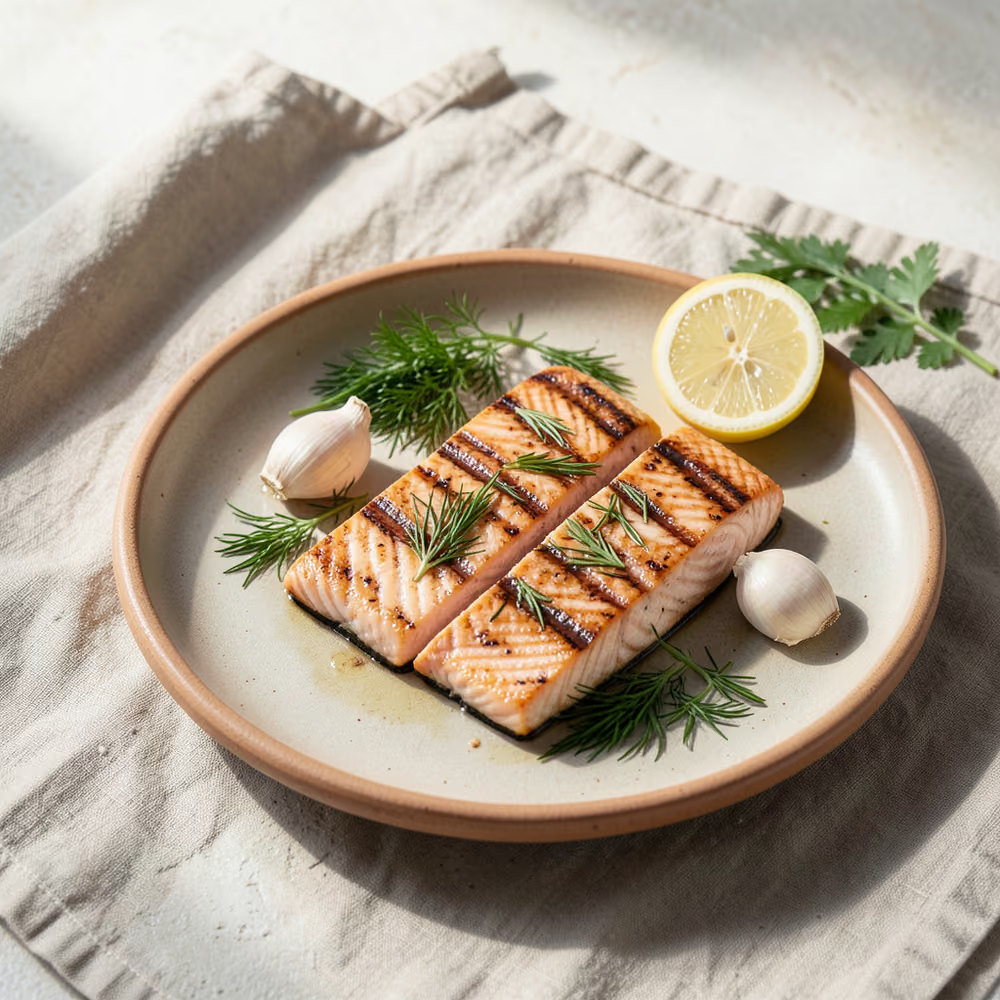
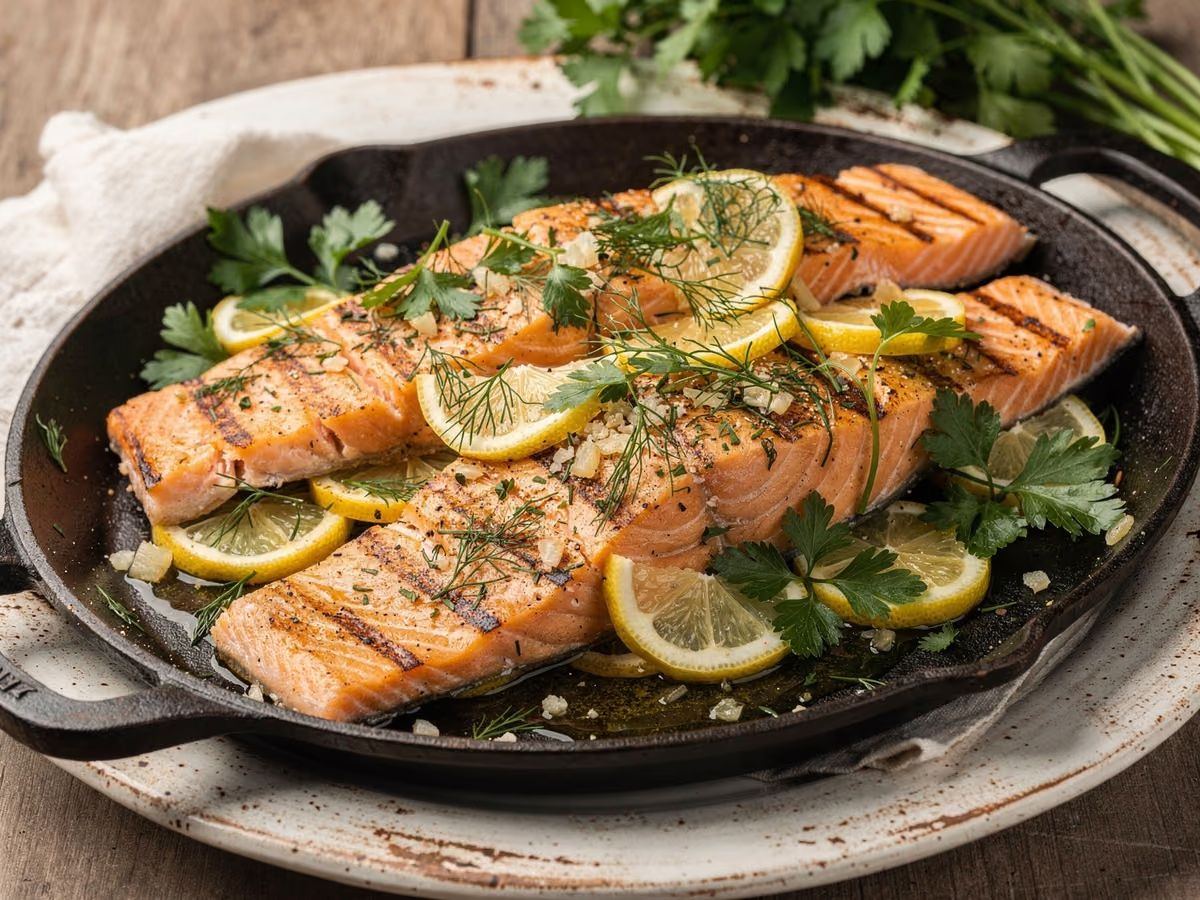
Lemon herb grilled salmon pairs 4 skin-on fillets with a bright marinade of olive oil, lemon zest and juice, garlic, dill and parsley. Prep takes 15 minutes and the grill about 10 more; between the two the fillets soak for 30 minutes to 2 hours, which keeps the whole thing relaxed and mostly hands-off. Cooking skin-side down gives a crackling, blistered skin and a moist, flaky center at 63°C, and the lemon and herbs keep every bite fresh rather than heavy.
- Prep
- 15 min
- Cook
- 10 min
- Total
- 55 min
- Additional time
- 30 min
- Serves
- 4
Ingredients
What you’ll need — tap to tick off as you go
- 3 tbsp
- 2 cloves
- 2 tbsp
- 2 tbsp
- 1 tsp
- ½ tsp
Process
Timers built in · swap anything · ask as you cook
In a small bowl, whisk the 3 tbsp olive oil with the zest and juice of the 1 lemon, the 2 minced garlic cloves, 2 tbsp chopped dill, 2 tbsp chopped parsley, 1 tsp salt and 1/2 tsp black pepper until evenly blended. The quick whisk matters: it temporarily emulsifies the juice into the oil so the marinade coats the fillets instead of separating and pooling.
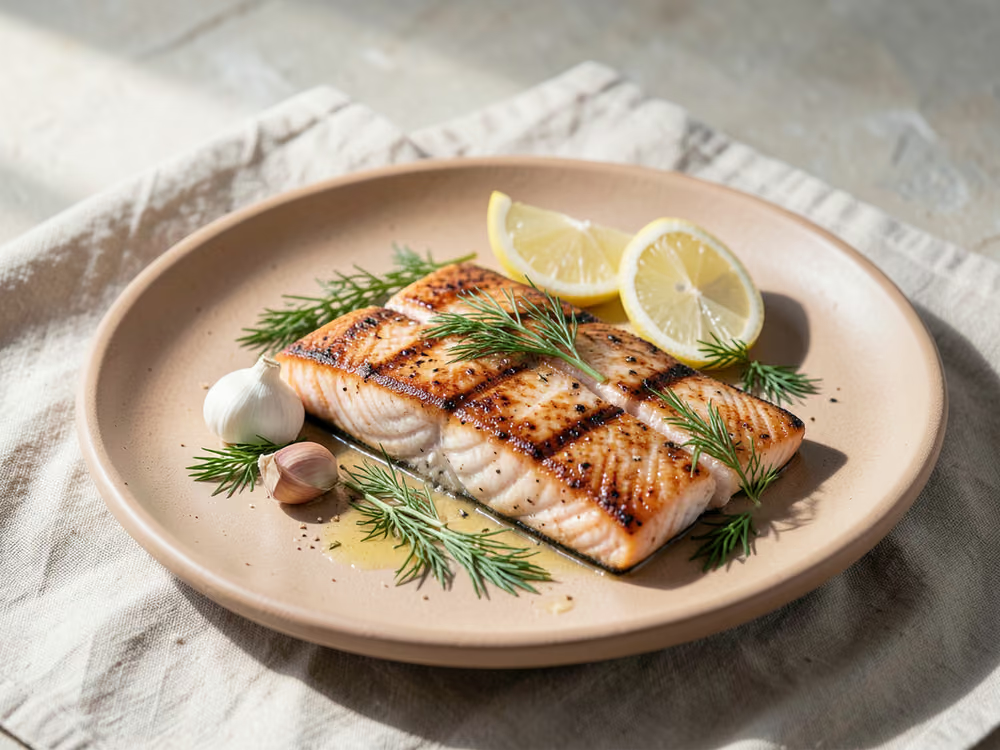
Pat the 4 salmon fillets dry with paper towels, lay them in a shallow dish and pour the marinade over, turning the fillets so every side is coated. Cover and refrigerate for at least 30 minutes or up to 2 hours. The salt seasons the flesh while the oil holds the aromatics against it; past 2 hours the acid starts breaking down the surface.
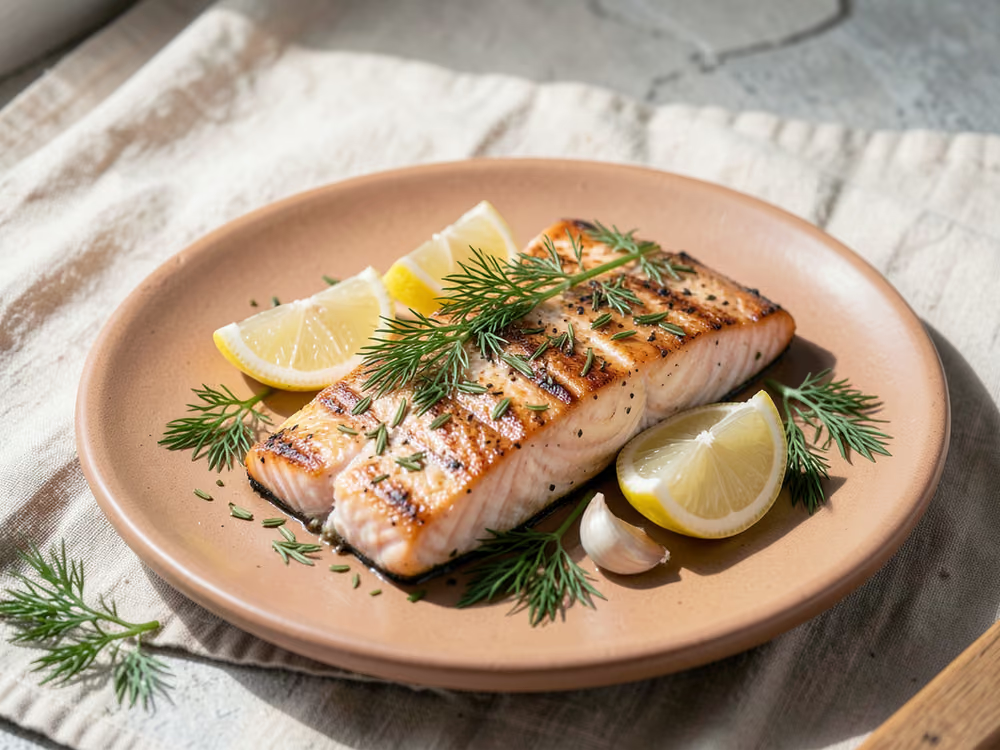
Preheat an outdoor grill or a stovetop grill pan over medium-high heat for 10–15 minutes, then scrub the grates clean with a brush and oil them: fold a paper towel, dip it in oil and rub it across the bars with tongs. Hot, clean, well-oiled bars are the difference between a fillet that releases and one that tears.
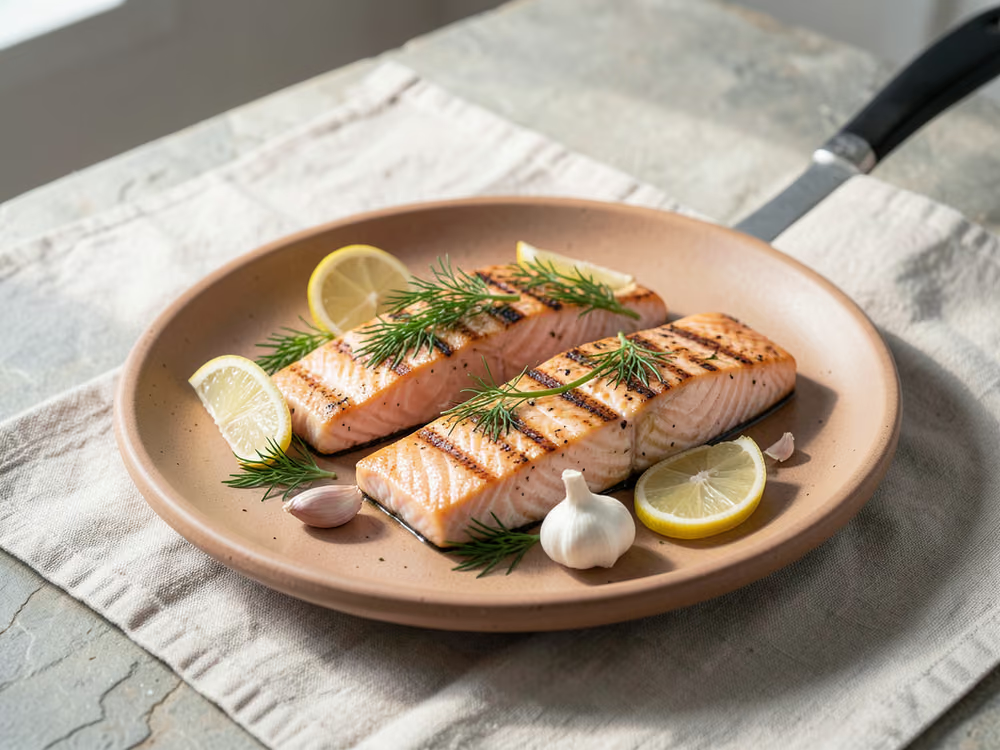
Lift the fillets out of the marinade and let the excess drip away, then lay them skin-side down on the hot grate, spaced apart. Leave them alone for 4–6 minutes: the skin insulates the flesh while it renders and crisps, and the fillet releases by itself when it is ready, so if it still resists give it another minute instead of prying it loose.
Flip each fillet once with a thin spatula and cook 3–4 minutes more, until an instant-read thermometer slid into the thickest part reads 63°C for a moist, flaky medium or 68°C if you prefer it fully opaque. Salmon firms from translucent to flaky in moments at this heat, so trust the reading, not the clock.
Move the fillets to a serving platter and let them rest for 2 minutes so the juices settle and the heat inside evens out, then scatter over a little extra chopped dill and parsley.
Why this recipe works
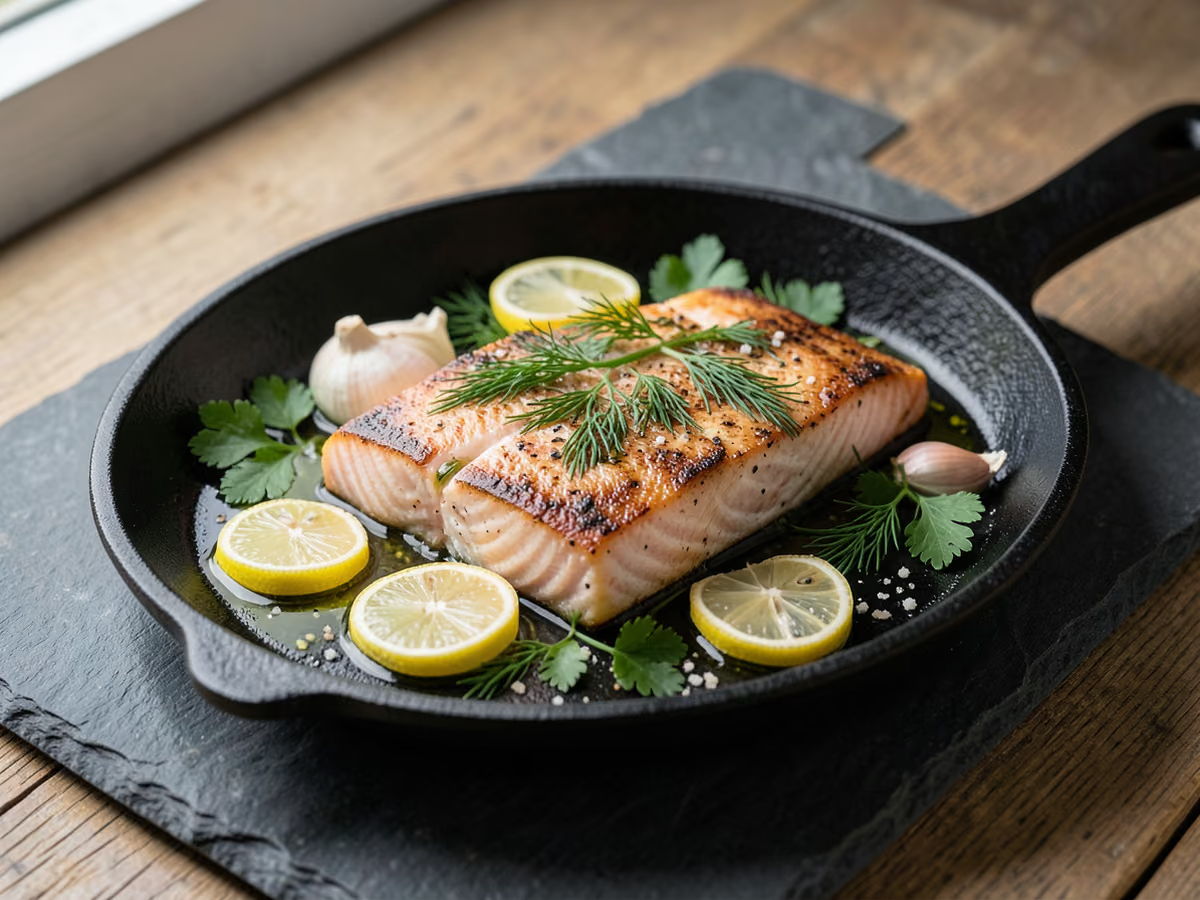
The skin is the shield: laid skin-side down on a hot, oiled grate, it insulates the flesh from the direct heat while its fat renders and crisps, so most of the cooking happens without drying the surface. The oil-based marinade works because fat carries the dill, parsley, garlic and lemon-zest aromatics into contact with the salmon, while the salt seasons it. Keeping the soak inside the recipe's 30 minutes to 2 hours window stops the lemon acid from denaturing the surface the way it does in ceviche, and one calm flip to a 63°C reading is what separates a moist, flaky fillet from a dry one.
Equipment
- Outdoor grill, gas or charcoal, or a stovetop grill pan
- Instant-read thermometer
- Small bowl and whisk
- Shallow glass or ceramic dish, or a resealable bag, for marinating
- Sturdy tongs and a thin metal spatula, ideally a fish spatula
- Grill brush
- Paper towels
- Serving platter
Kitchen notes
Kitchen notes
- Fillet thickness, not the timer, decides the cook: thin fillets finish the moment the skin crisps, so start probing the thinnest one early and let the thermometer make the call.
- Pat the marinated fillets dry just before they hit the grate; a drier surface browns faster on the flesh side and drips less, which means fewer flare-ups.
- Do not press the fillets with the spatula while they cook: pressing squeezes out juices and keeps the skin from crisping evenly.
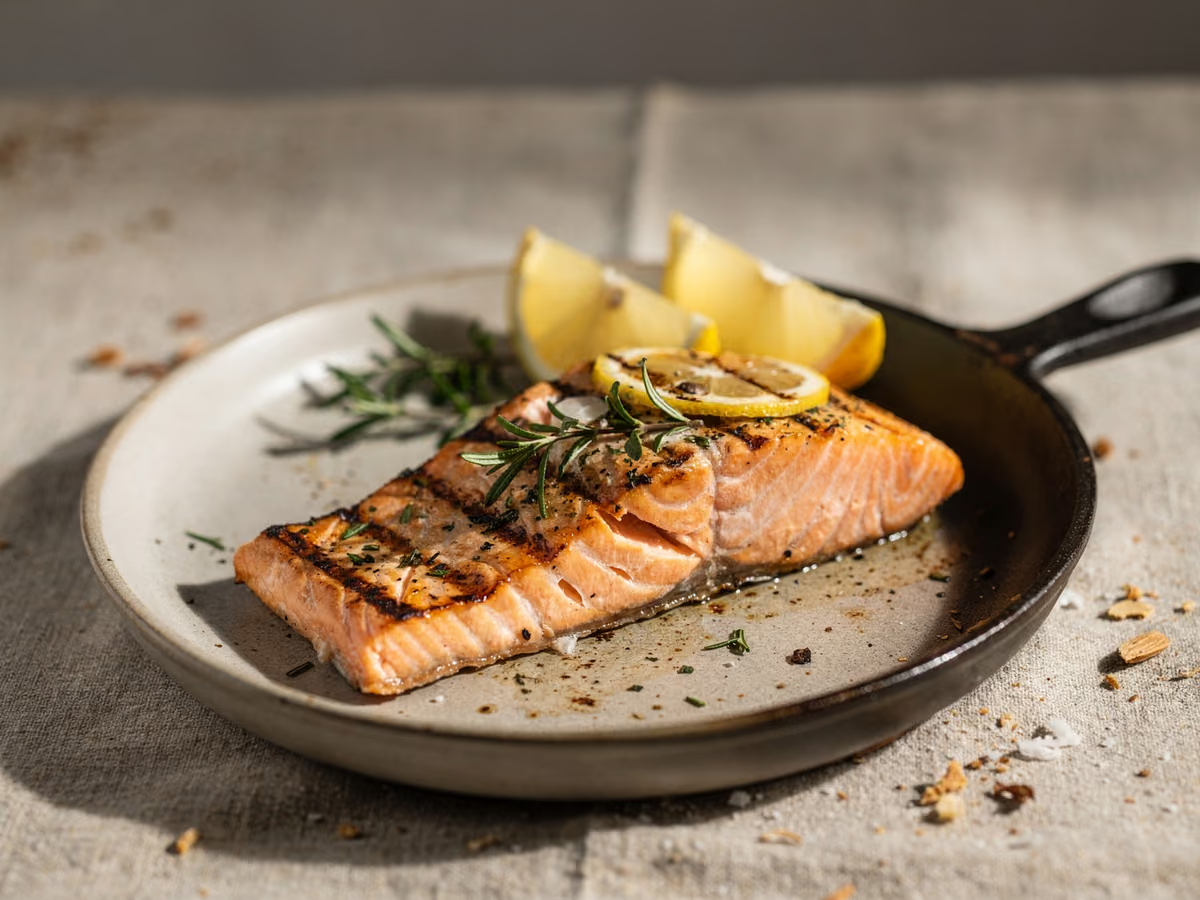
- Serve skin-side up so the crust stays crisp; fillets plated skin-down trap steam underneath and soften within minutes.
- Grill the spent lemon halves cut-side down alongside the fillets for the last few minutes; the charred, caramelized juice is a better finish than raw lemon.
Common mistakes
- Dry, chalky fillets: extra minutes on the grate keep tightening the flesh and driving out moisture, and salmon goes from silky to dry in the last couple of minutes. Pull each fillet the moment the thickest part reads 63°C and rest it briefly; the reading still climbs a few degrees off the heat.
- Torn skin and a fillet stuck to the bars: the grate was not fully hot, not clean, or the fish was moved before it released. Preheat for the full 10-15 minutes, scrub and oil the bars, and wait out the first 4-6 minutes; if it still resists, ease a thin spatula underneath and lift from below.
- Mushy, opaque-edged fillets that fall apart on the plate: the soak ran long and the lemon acid cured the surface like ceviche. Keep the marinade to 30 minutes to 2 hours; if plans change, lift the fillets out early and refrigerate them plain.
- Flare-ups and soot-blackened skin: wet marinade dripping onto the fire burns below the grate. Let each fillet drip off over the dish before it goes on, and if flames still climb, slide the fillets to a cooler zone of the grill to finish.
- A bitter, pithy edge to the marinade: zesting too deep drags the lemon's white pith into the bowl, and its bitterness grows as the fish sits. Grate only the yellow surface and stop as soon as you see white.
Serving suggestions
- Serve within a few minutes of grilling: a flat platter keeps the skin crisp, where a stacked bowl traps steam and softens it.
- Something juicy or crisp balances the rich, crisped skin: a tomato and cucumber salad, charred corn, or a vinegar-dressed slaw, all of which cut through the oil in the marinade.
- Give it a starch that echoes the lemon: steamed rice, quinoa, or small roasted potatoes finished with the same dill, parsley and lemon.
- Leftovers shine cold, so cook extra: flake the fillets over a green salad or grain bowl, or set them out chilled as part of a larger spread.
Variations
- Lemon-bed version: lay thin lemon slices on the oiled grate and set each fillet on top; the slices caramelize under the skin, perfume it, and lift away cleanly with a spatula.
- Smoked paprika version: whisk a pinch of smoked paprika into the marinade for a warmer, deeper edge; it darkens the surface quickly, so keep an eye on the skin in the last minutes.
- Indoor griddle version: a ridged grill pan over medium-high heat gives the same char-striped surface when outdoor grilling is not an option; let the pan come fully hot before the fillets go on and expect a little more smoke.
Refrigerator
- RefrigeratorCool leftovers within 2 hours, then store them airtight in the refrigerator for up to 3 days; FDA guidance for cooked fish is 3 to 4 days, and the lemon and herb flavors peak on day one. Serve cold or bring back to room temperature.
- ReheatingWarm covered fillets in a 120°C oven for 10-12 minutes, just until the center is barely warm; higher heat or more time dries them out. Plenty of people prefer these leftovers cold, straight from the fridge.
- FreezingWorkable but a compromise: wrap each cooled fillet tightly and freeze for up to 2 months, then thaw overnight in the refrigerator. Expect softer flesh and no crisp skin, so use the thawed fillets in salads and bowls rather than serving them as they are.
- Make aheadWhisk the marinade up to a day ahead and keep it refrigerated. The fillets themselves should not soak longer than 2 hours, so slide them into the marinade no earlier than 2 hours before cooking; once grilled, they are best eaten the same day.
Updated:
How this recipe was developed
- USDA FSIS safe minimum internal temperatures (fish and shellfish 63°C/145°F) with foodsafety.gov doneness guidance (flesh opaque and separates easily with a fork)
- FDA, Selecting and Serving Fresh and Frozen Seafood Safely, and the FDA food storage chart (thaw frozen fish overnight in the refrigerator, never on the counter; cooked fish keeps 3-4 days refrigerated)
- Serious Eats, How to Grill Salmon Fillets (skin-side down first, the skin insulates the flesh, do not move the fillet until it releases, finish flesh side to the target temperature)
- OSU Extension Service, Drying Herbs (fresh-to-dried substitution at one-third: 1 tbsp fresh equals 1 tsp dried)
Editorial references are kept internally for verification. This page makes no claim of external certification or professional testing.
Gallery
FAQ
The questions we get asked most
Why did my salmon turn out dry?
Almost always overcooking. Salmon is lean and its proteins keep tightening as the heat rises, so a couple of extra minutes drive out the moisture and leave the flesh chalky. Pull the fillets the moment the thickest part reads 63°C, and remember the reading still climbs a few degrees as they rest; if you prefer a firmer fillet, 68°C is the ceiling.
Can I use dried herbs instead of fresh?
Yes. Dried herbs are roughly three times as strong, so use 2 tsp of dried dill and 2 tsp of dried parsley in place of the 2 tbsp of each fresh herb. Whisk them into the oil and give the marinade a few extra minutes to soften them; the flavor reads a little deeper and less bright, which suits the smoke of the grill.
How do I prevent the salmon from sticking to the grill?
Four habits, in order: preheat the grill for the full 10-15 minutes, scrub the grates clean, oil them with a folded paper towel held in tongs, and leave the fillets untouched for the first 4-6 minutes. Salmon releases on its own once the skin has crisped; if it still resists a spatula, give it another minute. Skin-on fillets stick far less than skinless ones.
Can I marinate the salmon longer than 2 hours?
It is not recommended. The lemon juice is an acid, and past 2 hours it begins curing the surface the way it does in ceviche: the outside turns opaque and soft while the middle stays raw, and the layers separate once grilled. To prep early, mix the marinade and keep it separate, then add the fillets 30 minutes to 2 hours before cooking.
How can I tell when the salmon is done without a thermometer?
Watch for three signs together: the flesh turns opaque from the edges inward with just a hint of gloss left at the center, the thickest part flakes when nudged with a fork, and nothing looks translucent. Poke the center: it should feel firm at the edges and barely yielding in the middle. The cues are good, but the 63°C reading is surer.
Can I use frozen salmon for this recipe?
Yes, if it is thawed properly: overnight in the refrigerator, never on the counter. Pat the fillets dry before they meet the marinade, because thawing releases extra water that would dilute it, and keep the soak at the shorter end since thawed flesh is a little softer. The result is very good, just slightly less firm than fresh.
Can I make lemon herb salmon in the oven instead of on the grill?
You can, though it becomes a different dish: no char and no blistered skin. Roast the marinated fillets skin-side down on a lightly oiled tray at 200°C for about 15 minutes, until the thickest part reads 63°C, and give them a minute under the broiler at the end for color. It is the version to cook when outdoor grilling is not an option.
Ask KitchenMind about this recipe
Tell it what’s different tonight — it works within the actual recipe.