- Prep
- 25 min
- Cook
- 20 min
- Total
- 45 min
- Serves
- 12
Ingredients
What you’ll need — tap to tick off as you go
- 240 ml
- 7 g
- 50 g
- 57 g
- 360 g
- 6 g
- 1 pinch
Process
Timers built in · swap anything · ask as you cook
In a small bowl, combine the warm whole milk, active dry yeast, and 1 tablespoon of the granulated sugar. Let stand for 5 to 10 minutes until foamy.
In a large bowl or stand mixer, whisk together the remaining granulated sugar, all-purpose flour, and fine salt.
Add the yeast mixture, melted unsalted butter, and large egg to the dry ingredients. Mix until a shaggy dough forms.
Knead the dough on a lightly floured surface or with a dough hook for 8 to 10 minutes, until smooth and elastic. The dough should be tacky but not sticky.
Place the dough in a lightly greased bowl, cover, and let rise in a warm place for 1 to 1.5 hours, until doubled in size.
Punch down the dough and divide it into 12 equal pieces. Roll each piece into a smooth ball.
Arrange the dough balls in a greased 23 cm round baking pan or a 23x33 cm rectangular pan, spacing them slightly apart. Cover and let rise for 30 to 45 minutes, until puffy.
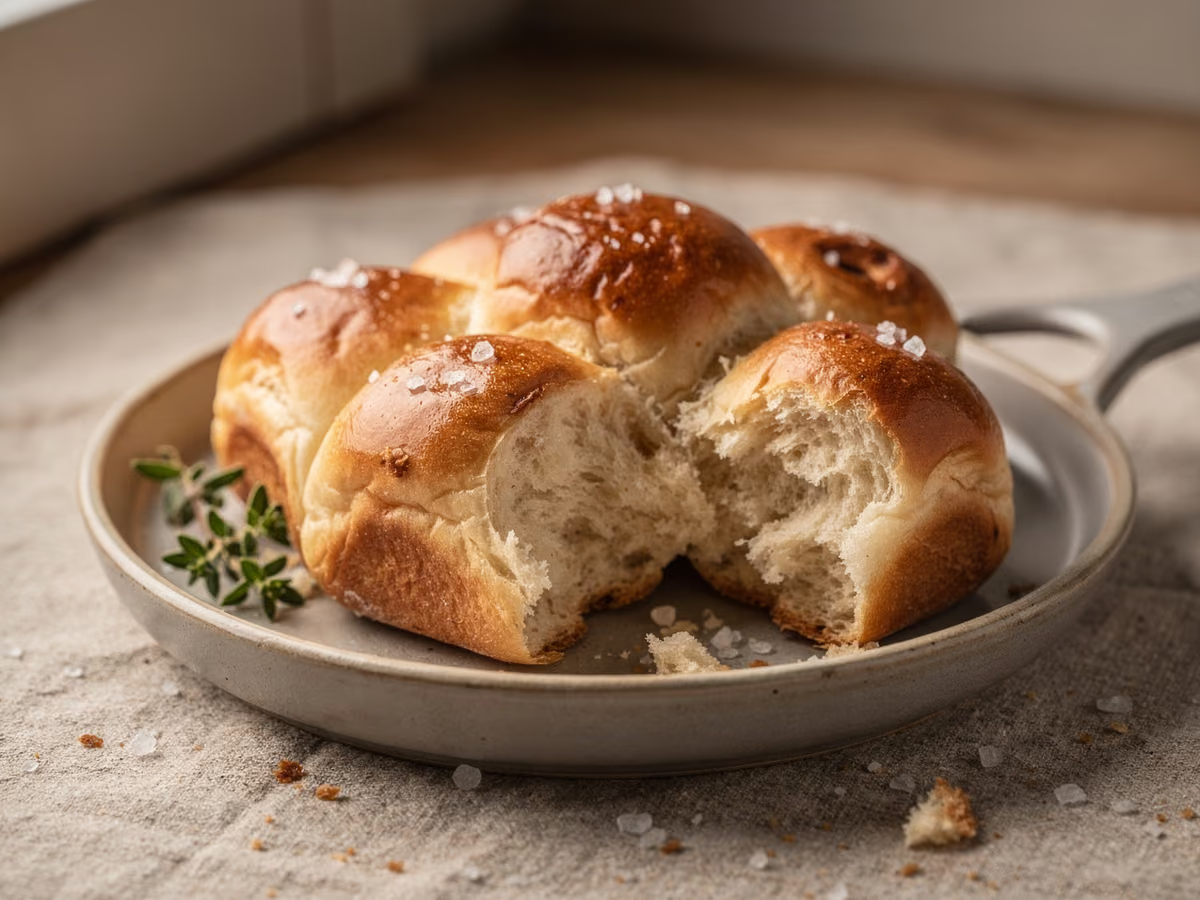
Preheat the oven to 180°C. Brush the tops of the rolls with a little melted unsalted butter and sprinkle with flaky sea salt if desired.
Bake for 18 to 22 minutes, until golden brown and the internal temperature reaches 88°C. Rotate the pan halfway through baking for even browning.
Remove from the oven and brush the hot rolls with additional melted unsalted butter. Let cool in the pan for 5 minutes before serving.
Kitchen notes
Kitchen notes
- The most common mistake is using milk that is too hot, which kills the yeast. Aim for 43°C, or comfortably warm to the touch, not steaming.
- For the softest rolls, do not add too much flour. The dough should be slightly tacky; add flour only a tablespoon at a time if it is too sticky to handle.
- Let the rolls cool in the pan for 5 minutes after baking, then transfer to a wire rack to prevent the bottoms from becoming soggy.
Substitutions
- whole milk→oat milk or almond milk for a dairy-free version
- unsalted butter→vegan butter or coconut oil for a dairy-free version
- active dry yeast→instant yeast (use the same amount, no need to proof)
Storage & reheating
Store cooled rolls in an airtight container at room temperature for up to 2 days, or in the refrigerator for up to 5 days. To freeze, wrap individually in plastic wrap and place in a freezer bag for up to 2 months. Reheat in a 160°C oven for 5 to 7 minutes, or microwave for 15 to 20 seconds until warm.
FAQ
The questions we get asked most
Why did my dinner rolls turn out dense and heavy?
Dense rolls usually mean the dough did not rise enough or too much flour was added. Make sure the yeast is fresh and the milk is warm, not hot. Knead until the dough is smooth and elastic, and let it double in size before shaping.
Can I make the dough ahead of time and bake later?
Yes. After the first rise, punch down the dough, cover tightly, and refrigerate for up to 24 hours. Let it come to room temperature for 30 minutes, then shape and proceed with the second rise. You can also shape the rolls, refrigerate overnight, and bake the next day after a 30-minute warm-up.
How do I know when the rolls are fully baked?
The tops should be golden brown and the internal temperature should read 88°C on an instant-read thermometer. If you do not have a thermometer, tap the top; it should sound hollow. Underbaked rolls will be doughy in the center.
Can I use instant yeast instead of active dry yeast?
Yes. Use the same amount of instant yeast, but you can skip the proofing step and add it directly to the dry ingredients. The rise time may be slightly faster, so check the dough after 45 minutes.
Why are my rolls dry and crumbly?
Dry rolls often result from overbaking or adding too much flour. Measure flour by spooning it into the cup and leveling off, rather than scooping directly. Also, brush with butter after baking to keep the crust soft.
Can I freeze these dinner rolls?
Yes, these rolls freeze well. Bake them fully, cool completely, then wrap each roll tightly in plastic wrap and place in a freezer bag. They keep for up to 2 months. Reheat in a 160°C oven for 5 to 7 minutes.
Ask KitchenMind about this recipe
Tell it what’s different tonight — it works within the actual recipe.