- Prep
- 5 min
- Cook
- 10 min
- Total
- 15 min
- Serves
- 2
Ingredients
What you’ll need — tap to tick off as you go
- 1 tbsp
- 1 tsp
- 1 pinch
- 1 tbsp

Process
Timers built in · swap anything · ask as you cook
In a bowl, crack the 4 eggs. Add the sugar, soy sauce, and salt. Whisk gently until the yolks are broken and the mixture is uniform, but do not over-whisk to avoid air bubbles.

Heat a tamagoyaki pan or a small non-stick skillet over medium heat. Dip a paper towel in the vegetable oil and lightly grease the pan. Pour a thin layer of the egg mixture into the pan, just enough to cover the bottom. Tilt the pan to spread evenly.

When the egg is almost set but still slightly runny on top, use chopsticks or a spatula to roll it from one side to the other. Push the rolled omelette to the far end of the pan.

Grease the pan again with a little more vegetable oil. Pour another thin layer of the egg mixture, lifting the existing roll slightly to let the new egg flow underneath. Cook until almost set, then roll the omelette over the new layer, incorporating the previous roll.
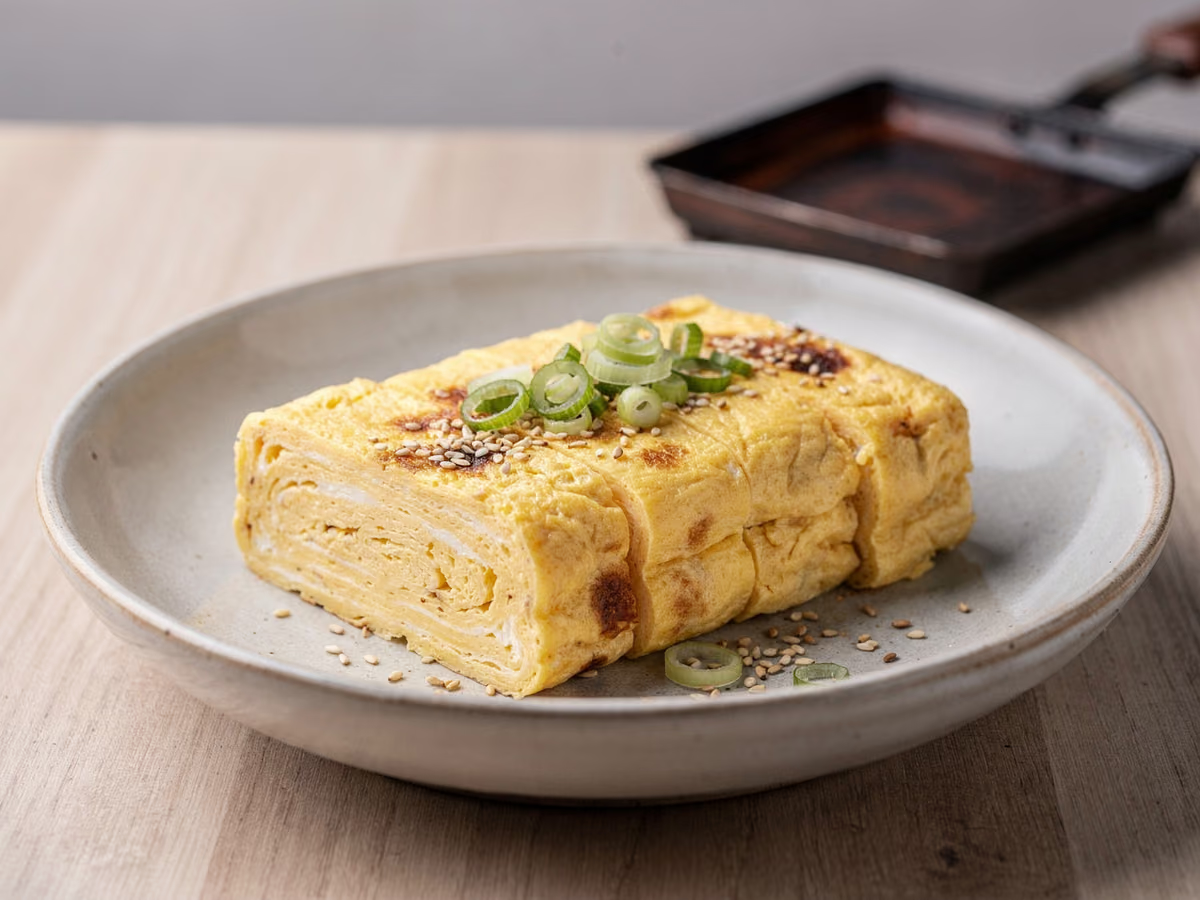
Repeat step 4 with the remaining egg mixture, greasing the pan each time, until all the egg is used and you have a neat log. Remove from the pan and let rest for a minute.
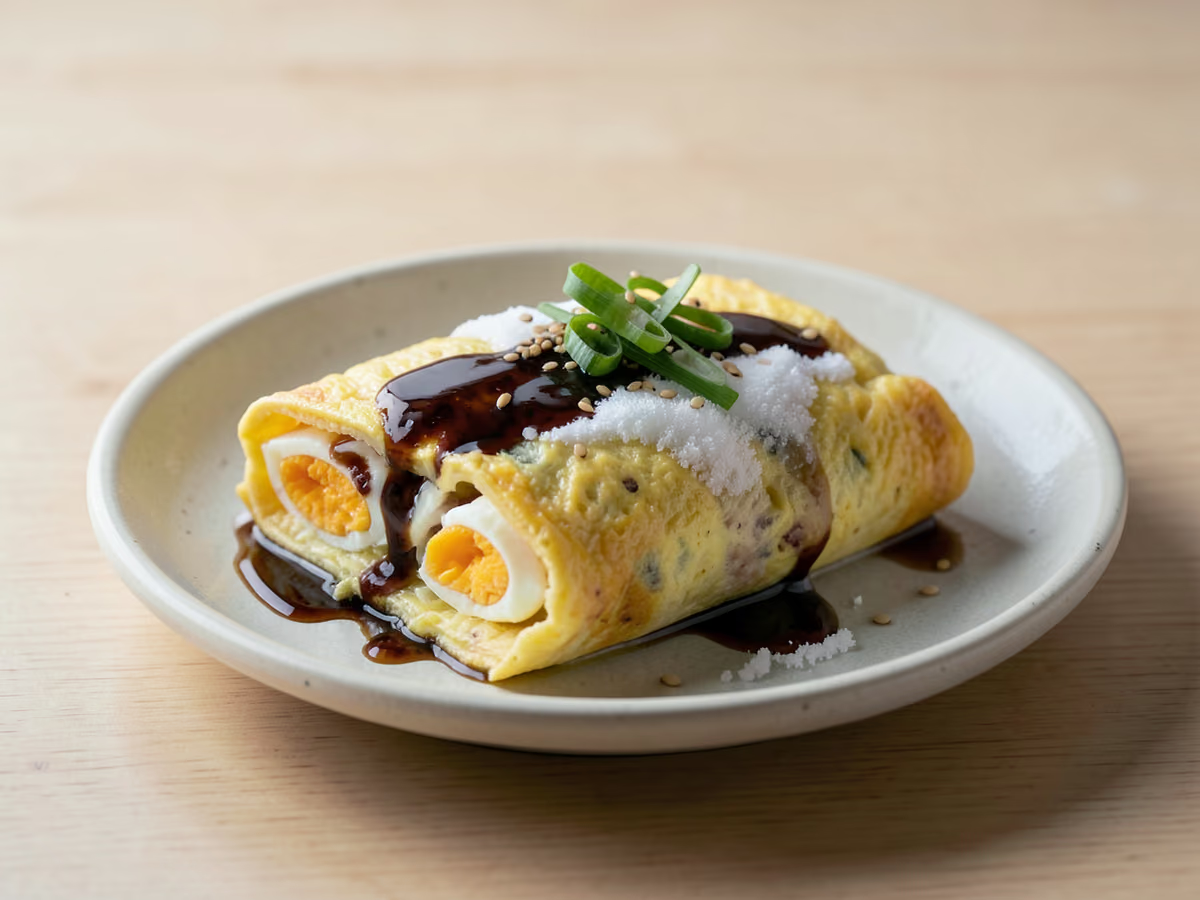
Slice the tamagoyaki into 2 cm thick pieces and serve warm or at room temperature.
Kitchen notes
Kitchen notes
- The most common mistake is over-whisking the eggs, which creates air bubbles and makes the omelette tear when rolling; whisk just until the yolks and whites are combined.
- The egg is ready to roll when the top is still slightly wet but the bottom is set; if you wait until it is fully dry, the layers will not stick together and the roll will fall apart.
- Use a paper towel to grease the pan lightly before each layer; too much oil makes the egg slide around and prevents even cooking, while too little causes sticking and tearing.
- Work quickly but gently: each layer cooks in about 30-45 seconds over medium heat; if the pan is too hot, the egg browns and becomes rubbery, so adjust the heat as needed.
Substitutions
- vegetable oil→any neutral-flavored oil such as canola, grapeseed, or sunflower oil
- soy sauce→tamari or coconut aminos for a gluten-free option
- sugar→honey or maple syrup, using the same amount
- eggs→for a fluffier texture, substitute 1 tablespoon of milk or water for one egg, but note this may make rolling more delicate
Storage & reheating
Store leftover tamagoyaki in an airtight container in the refrigerator for up to 3 days. To freeze, wrap the whole roll or individual slices tightly in plastic wrap, then place in a freezer bag; freeze for up to 1 month. Thaw overnight in the refrigerator. Reheat in a microwave at 50% power for 30-60 seconds per slice, or in a non-stick pan over low heat until warmed through. Avoid reheating on high heat, which can make the egg rubbery.
Gallery
FAQ
The questions we get asked most
Why did my tamagoyaki fall apart when rolling?
The egg layers were likely cooked too dry or the pan was not greased enough. Roll when the top is still slightly runny, and grease the pan lightly before each layer. Also, use gentle pressure and a flexible spatula or chopsticks to avoid tearing.
Can I make tamagoyaki without a rectangular pan?
Yes, you can use a small non-stick skillet, but the roll will be more rounded and less uniform. A rectangular tamagoyaki pan helps create even layers and a neat log shape. If using a round pan, trim the edges after rolling for a cleaner look.
How do I know when the tamagoyaki is fully cooked?
Each layer is ready to roll when the bottom is set and the top is no longer liquid but still slightly moist. The final roll should be firm enough to hold its shape when sliced. If you see runny egg inside after slicing, you can pan-fry the slices briefly or microwave them for 20 seconds.
Can I prepare tamagoyaki ahead of time?
Yes, you can make it up to 2 days in advance and store it in the refrigerator. Slice it just before serving to prevent drying. For bento, let it cool completely before packing to avoid condensation.
Why is my tamagoyaki rubbery or tough?
Overcooking or cooking over too high heat makes the eggs rubbery. Cook over medium heat and remove each layer from the pan as soon as it is just set. Also, avoid over-whisking the eggs, which can incorporate air and lead to a spongy texture.
Can I add other ingredients like vegetables or cheese?
Yes, you can add finely chopped vegetables like spinach or carrots, or a sprinkle of cheese, but keep the additions minimal to avoid tearing the layers. Add them after pouring the egg layer and before rolling. Adjust cooking time slightly as added ingredients may release moisture.
Ask KitchenMind about this recipe
Tell it what’s different tonight — it works within the actual recipe.